Affiliate disclosure: This post may contain affiliate links. Please see full disclosure.
Raspberries fruit on one of two cane types, and pruning the wrong one at the wrong time is the single biggest reason home gardeners lose part of their crop. Cut down last year’s canes before they’ve had a chance to fruit, or leave this year’s spent canes standing through winter, and you either strip out the harvest you were about to get or hand disease and overcrowding another year to take hold.
Here’s the quick version before we get into it.
- Summer-bearing (floricane) raspberries need their spent canes cut to the ground right after harvest, while this year’s green canes stay standing through winter.
- Fall-bearing (primocane) raspberries can be cut entirely to the ground in late winter for one full, reliable fall crop.
- Want a bonus summer crop from a fall-bearing variety too? Leave some canes standing instead of cutting them all, and expect a smaller total yield in exchange.
- Black and purple raspberries need a summer tip-pinch to force branching, at a much shorter height than red raspberries.
Know Your Raspberry Type Before You Prune Anything
Raspberries fall into two categories based on which canes they fruit on, and mixing up the two is what causes most pruning disasters.
I’m an organic permaculture specialist, and one of the most common mistakes I see is first-time growers cutting back a stand of canes because they looked untidy or because they heard someone else say they were cutting down their canes.
Floricanes are second-year canes. They spent last year growing, turned woody and brown over winter, and are the canes that carry your main crop on summer-bearing varieties (also called floricane-fruiting types).
Primocanes are first-year canes. They’re green, flexible, and non-woody, and they’re what fall-bearing varieties (also called primocane-fruiting or everbearing types) fruit on in their very first season.
You can tell them apart on sight without much practice. A floricane looks gray or dull brown, feels stiff and woody, and often still has small dried side stems where berries hung earlier in the year. A primocane is smooth, bright green, and bends without snapping. If a cane has already produced fruit this season, it’s finished for good. Raspberry canes only fruit once in their lifetime, then die back, so removing the right ones each year isn’t optional housekeeping, it’s the entire logic behind pruning.
How to Prune Summer-Bearing (Floricane) Raspberries
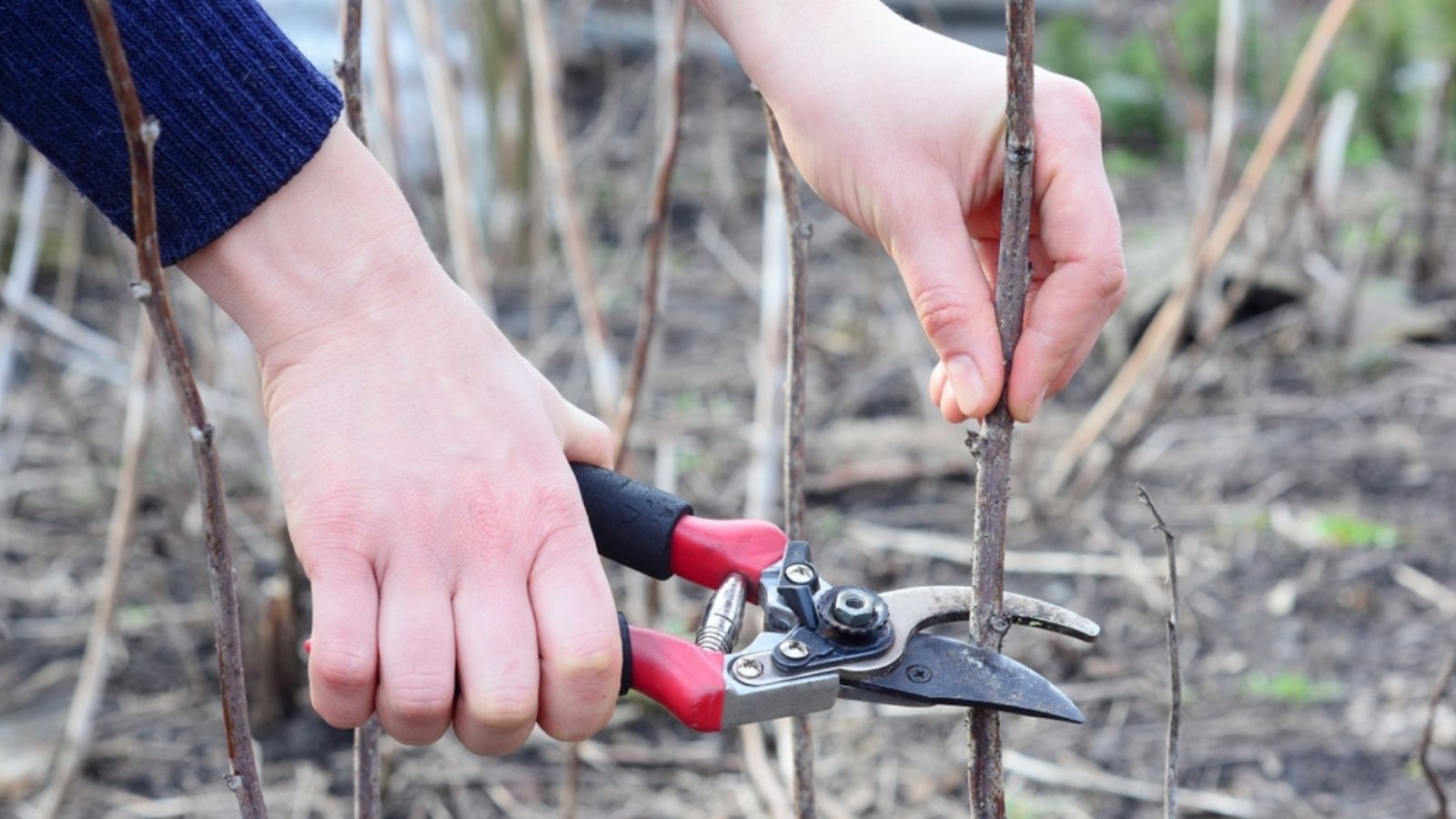
Summer-bearing raspberries need their spent floricanes removed at ground level right after harvest, while this year’s primocanes stay in place to become next year’s fruiting canes.
RELATED POST: Why Are My Raspberry Leaves Turning Yellow?
Cut Spent Floricanes to the Ground, No Stubs
Cut every floricane off flush with the soil line as soon as you’ve finished picking, usually late summer into early fall. Don’t leave a stub. Leave more than an inch or so (2.5cm) standing and that stub turns into a soft, dying entry point where borers and fungal spores settle in for winter.
Use clean, sharp pruners or loppers for thicker old wood, and wipe the blades with rubbing alcohol between plants if you’ve spotted any disease in the patch. I do this job every August as soon as the last of my summer berries are picked, and it only takes about twenty minutes for a 15-foot row.
Thin and Space the Remaining Primocanes
Leave 4 to 5 sturdy primocanes per foot of row and remove the rest at ground level, spacing the survivors roughly 6 inches (15cm) apart so light and air reach every cane.
Pick canes that are about pencil-thick, roughly a quarter inch (0.6cm) in diameter, measured about knee height. Anything noticeably thinner, damaged, or growing outside your row gets cut out now too. If you’re growing on a trellis or two-wire support, tie the keepers in loosely as you go so they don’t flop over the winter.
Trim Cane Tips in Late Winter for Height Control
Wait until late winter, once the worst cold has passed but before new growth starts, before you trim the tops off your tallest canes. Pruning too early hides winter damage you still need to cut out first.
Check each cane by scratching the bark lightly with a fingernail. Green underneath means live wood, worth keeping. Brown and dry all the way through means dead wood, cut it back to the first sign of green. Once winter damage is dealt with, trim healthy canes down to a height you can actually reach for picking, around 5 to 5.5 feet (150 to 165cm) works well for most home gardeners. If your canes are trellised, cut about 4 inches (10cm) above the top support wire so they don’t flop over once loaded with fruit.
How to Prune Fall-Bearing (Primocane) Raspberries
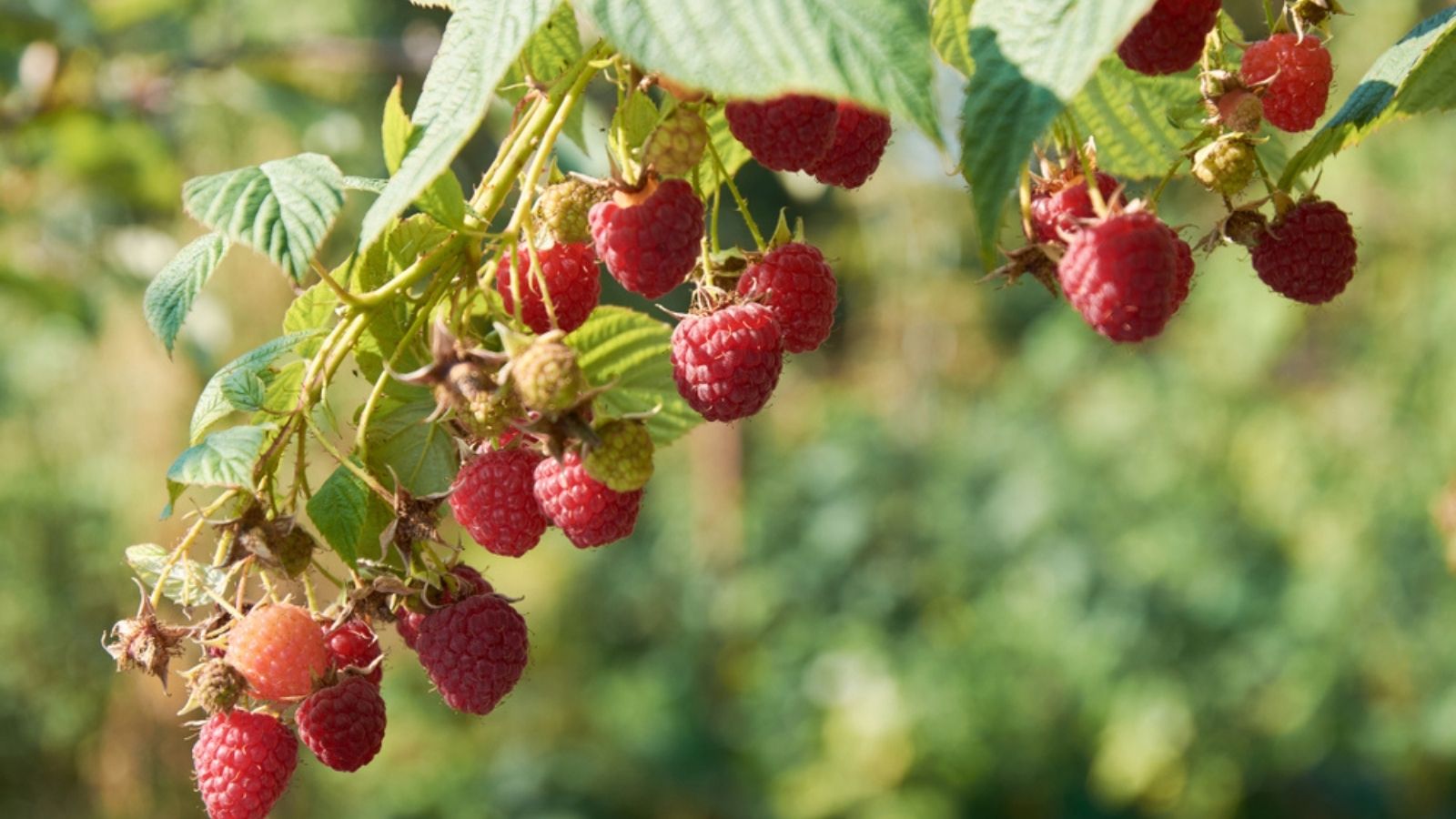
Fall-bearing raspberries are the easiest type to prune because you can cut every single cane to the ground in late winter and still get a full crop from the fresh growth that follows.
Cut Every Cane to the Ground for the Simplest, Highest Yield
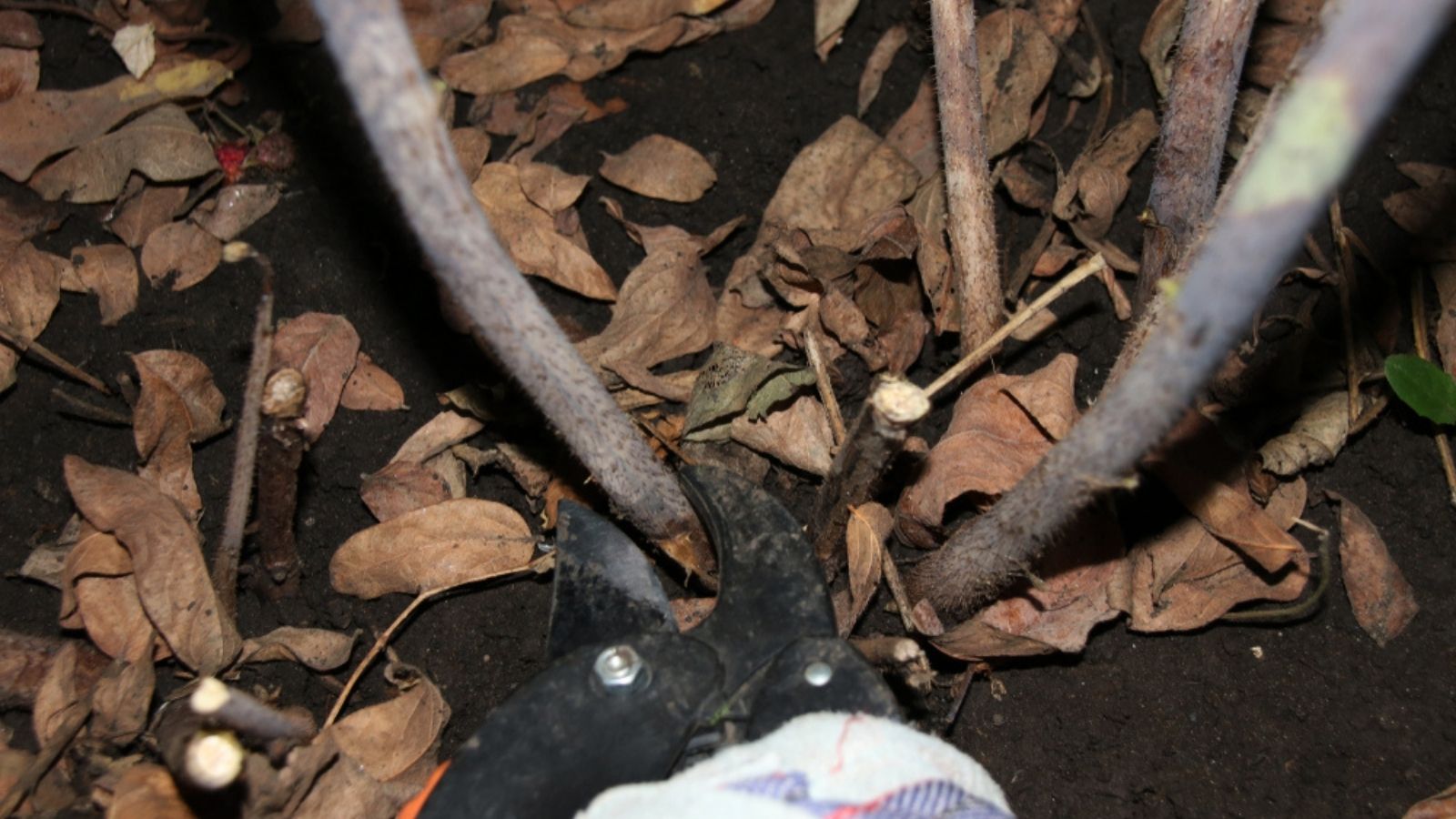
The one-crop method works like this. In late winter, while the plants are still dormant, cut every cane down to 1 to 2 inches (2.5 to 5cm) above the soil using loppers, a mower, or a hedge trimmer.
This gives you the biggest, most reliable fall harvest, and it’s also the lowest-maintenance way to grow raspberries. Because nothing is left standing over winter, there’s nowhere for disease or overwintering pests to hide, and new canes come up fresh from the roots each spring with nothing competing for light. I mow mine flat every March with a set of hedge shears in about ten minutes flat, it’s the fastest job in my whole garden.
Try Double-Cropping If You Want an Early Bonus Harvest
If you want a smaller summer crop in addition to your main fall harvest, leave 6 to 8 of the strongest canes per running foot (30cm) standing at about 3 feet (1m) tall instead of cutting everything down, then cut those specific canes to the ground right after they finish fruiting in summer.
Not every variety handles this well, so check your variety’s habit before committing to it. Be honest with yourself about the trade-off too. Your total yield across the year is usually lower than if you’d stuck to one full fall crop, and the earlier summer berries tend to be smaller and more scattered than the main harvest. I tried double-cropping for two seasons and went back to the simple cut-everything method because I’d rather have one excellent fall picking than two mediocre ones.
Tip-Prune Vigorous Canes in Summer for Bigger Berries
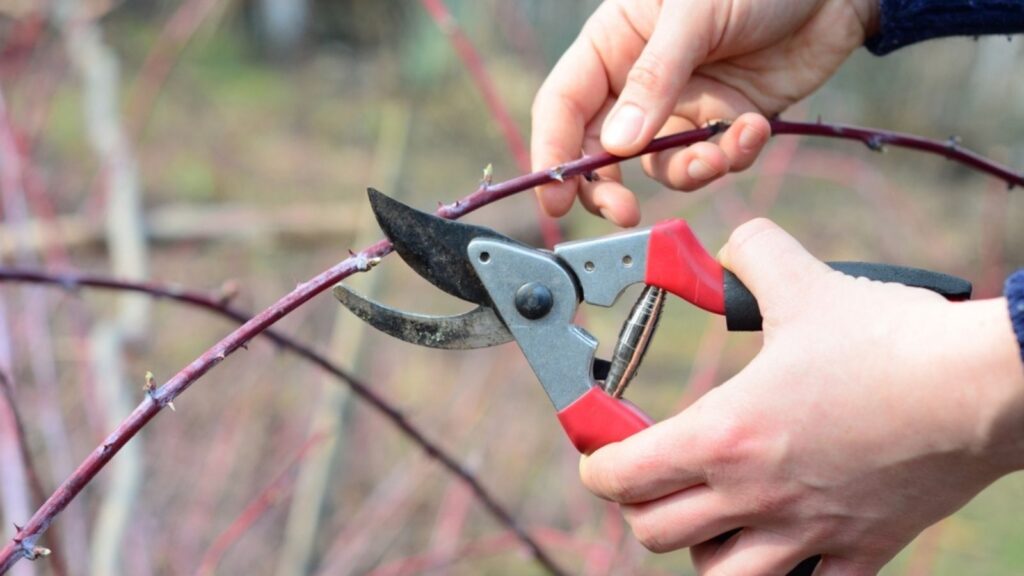
Black and purple raspberries need their growing tips pinched off much earlier and much lower than red raspberries do, but the payoff is the same either way. Pinching the tip forces the plant to send out side shoots called laterals, and those laterals produce bigger berries that are easier to pick than fruit crowded along one tall, unbranched cane.
Pinch back black raspberry primocanes once they reach about 30 inches tall, removing just the top 1 to 2 inches. Purple raspberries and erect blackberries get the same treatment a little later, once they reach 36 to 40 inches. Because canes on the same plant grow at different rates, plan on repeating this two or three times over the course of the summer rather than doing it in one pass.
Red raspberries are different. They branch readily on their own and don’t need the early nudge, so leave them alone until they’ve cleared head height, roughly 5 to 6 feet (150 to 180cm), then pinch off just the top inch or two.
Fall-bearing types respond differently again. Soft-tipping their primocanes, pinching off just the top 1 to 2 inches once canes reach full height for the season, delays fruiting by about three weeks and pushes the plant to branch out sideways, which is a real advantage if you garden somewhere hot and want the fruit to ripen once the worst of the heat has passed. Skip this step entirely in cooler climates, where you want the earliest possible start to your fall crop, not a delayed one.
RELATED POST: 12 plants you should prune in winter
Thin Overcrowded Canes and Clear Suckers Every Year
An overcrowded raspberry row loses light and airflow fast, which brings on more fungal disease, smaller fruit, and dead buds low down on the canes, so thinning and clearing suckers is an annual job no matter which type you’re growing.
Keep your row to a manageable width, 12 to 18 inches (30 to 45cm) is the sweet spot for airflow without wasting garden space, and pull anything spreading wider than that. Raspberries send up suckers from their roots constantly, sometimes right at the base of existing canes and sometimes several feet away in the middle of a path. Cut suckers off at ground level with a spade or sharp trowel rather than pulling them by hand, tugging can tear the root system of the parent plant along with it.
If a sucker is healthy and growing somewhere you actually want a new plant, you can save it. Cut straight down between the parent plant and the sucker to sever the connecting root, lift it gently keeping as much root as possible, and replant it at the same depth it was growing before. I’ve given away dozens of free raspberry plants this way over the years just from suckers I’d have otherwise thrown on the compost heap.
FAQs
Can I prune raspberries in the summer?
Yes, but only for specific jobs. Tip-pruning vigorous canes and removing spent floricanes right after summer harvest are both fine mid-season tasks. Heavy pruning of live, still-growing canes in the middle of summer stresses the plant and cuts into your current crop, so save the bulk of your cutting for late winter or right after fruiting instead.
What if I don’t know what type of raspberry I have?
Watch when it fruits for one season before you prune anything. If it bears fruit in midsummer on canes that grew the previous year, it’s a floricane, summer-bearing type. If it fruits in late summer through fall on brand-new green canes, it’s a primocane, fall-bearing type. If you’re still not sure, the safest move is to leave the patch alone through one full growing season and watch, rather than guess and risk cutting off next year’s crop.
Are everbearing and fall-bearing raspberries pruned the same way?
Yes, everbearing and fall-bearing are two names for the same primocane-fruiting type, and they’re pruned identically. Cut every cane to the ground in late winter for one full, reliable fall crop, or leave some canes standing if you want a smaller bonus summer crop too.
Why did my raspberry patch stop producing well?
An unpruned or overcrowded raspberry patch produces less fruit every year because shaded lower buds die off, canes compete for water and nutrients, and dense growth invites fungal diseases like gray mold and spur blight. Thinning down to your strongest canes and clearing out spent floricanes usually brings yields back up within a season or two.
Do you have to cut every cane to the ground each year?
No, only fall-bearing raspberries using the simple one-crop method get cut to the ground every year. Summer-bearing raspberries keep their strongest year-old primocanes standing through winter, since those specific canes are what will fruit the following summer. Only the spent floricanes and any weak or damaged canes get removed at ground level.
You might also like:
Strawberry Companion Plants That Actually Work for Healthy Plants and Bigger Harvests
10 Easy DIY Ways to Grow Strawberries for Big Harvests in Small Spaces