

Affiliate disclosure: This post may contain affiliate links. Please see full disclosure.
You’re standing in a thrift store holding a $4.99 casserole dish, doing the math in your head. “Is this just more clutter… or could this actually pay for feed?” I’ve been there more times than I can count. One little flip here, one jacket there, and suddenly the electric bill or the next load of hay doesn’t feel quite so heavy.
I love flipping/reselling. And there are a few aspects to my passion here. Firstly, it’s a solid income stream for my family, and paying the bills is obviously hugely important. Secondly, I get a real kick out of the “treasure hunt”. You know, finding that diamond in the rough that, once cleaned, I can sell on for well over what I paid for it. And thirdly, I’m helping to bring new life to old stuff, and hopefully bring someone else new joy from these items.
Plus, I also find useful items for my home or my prepping supplies. Like old, hand-operated kitchen appliances like a hand-crank grain mill, and cast iron pans that can cope with being used over an open fire.
Secondhand stuff isn’t just junk anymore, it’s a whole income stream if you know what to grab and what to leave on the shelf. Between rising prices and everybody cleaning out closets, there’s a lot of money hiding in old kitchenware, blankets, workwear, and toys that most people walk straight past.
If you want your thrifting habit to start pulling its weight for the homestead, you need a short, sane list of things that actually sell. Below are twenty thrift-store staples I reach for over and over again because they move fast and bring in real profit. Let other people’s cast-offs quietly pay for your seeds, stock, and “just because” coffee.
1. Vintage Pyrex & Colorful Mixing Bowls

Pyrex is one of those categories that trains your eye the longer you thrift. I can spot a Primary Yellow bowl from halfway across the store now. What I’m hunting for are bright mid‑century colors, crisp patterns, lids that aren’t chipped, and bottoms without that cloudy dishwasher damage that ruins otherwise gorgeous pieces. I’ll run my finger along the rim to check for flea bites and hold bowls at an angle to catch any fading in the design. Pyrex collectors are picky, but for good reason, the good pieces stay beautiful forever.
The patterns that flip fastest for me are Primary Colors, Butterprint, and Gooseberry, followed closely by the promo casseroles. And then there are unicorns like Pink Duchess. One of those casseroles recently sold for $350, and that price alone should make you slow down when you pass anything pink or floral in the cookware section. Even more modest pieces can surprise you, especially if they’re part of a nesting set.
My typical flips look like this: buy a single bowl for $3–$7, clean it carefully, photograph it in soft natural light, and list it for $25–$60 depending on pattern and condition. They don’t sit long. Pyrex collectors know exactly what they want, and the search alerts do the heavy lifting. It’s reliable, cheerful, and honestly one of the most fun categories to hunt.
2. Vintage Cast Iron Skillets (Griswold, Wagner, Lodge)
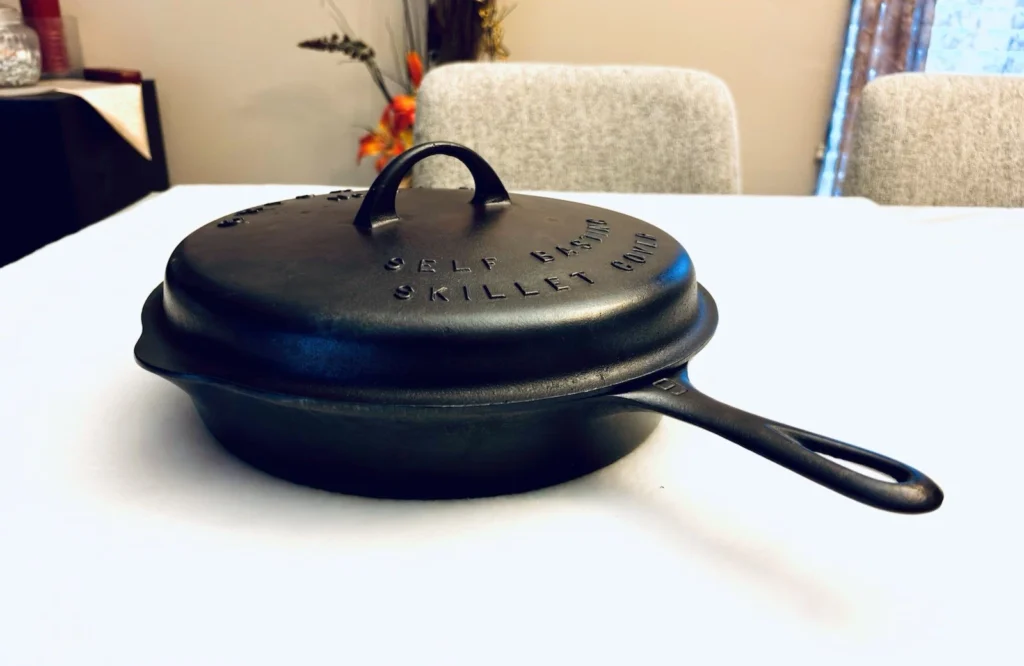
Cast iron is the category that made me fall in love with reselling. There’s something incredibly satisfying about picking up a dusty, silver-gray pan for $8, giving it a good scrub and seasoning, and turning it into a glossy black beauty that someone snaps up right away. Griswold and Wagner are the stars here, but older Lodge pieces also hold their own. The trick is learning what matters: cracks are always a no, wobble can be a problem, but rust is basically just cosmetic.
Whenever I pick up a pan, I run my fingernail across the cooking surface. If it feels smooth, like satin or silk, that’s a great sign. If it’s pitted or heavily pebbled, I put it back. I’ll also check the handle shape and the logo style, because certain variations bring better prices.
A Griswold No. 7 brought in $152.50, which lines up with what I’ve seen selling. Smaller sizes tend to land a bit lower, while larger skillets or deep pans can go significantly higher.
The best part? Cast iron stores neatly, ships safely if wrapped with cardboard and padding, and has a loyal buyer base. Plenty of folks want one good vintage pan and don’t mind paying for quality.
3. Pendleton & Other Quality Wool Blankets

Wool blankets are the definition of cozy profit. Thick, heavy, beautifully woven pieces from Pendleton or Beaver State are instant buys for me. I start by checking for holes, tiny moth bites aren’t always dealbreakers if the colors are stunning, but anything bigger than a pencil eraser usually sends it back on the shelf. I also look for edge fraying on the satin binding and check the label for age.
These blankets photograph like a dream. Spread them out in soft morning light, let the colors glow, and you’ll have half a dozen watchers within hours. One of the Pendleton Arctic Owl robe blankets sold for $488, which shows how valuable the special editions can be. Even standard Glacier Park designs have pulled around $142.50.
I usually find wool throws priced in the $10–$20 range, and they flip fast because buyers want something warm, practical, and beautiful. There’s something special about turning a forgotten cabin blanket into real income.
4. Patagonia Down Sweaters & Trail Jackets
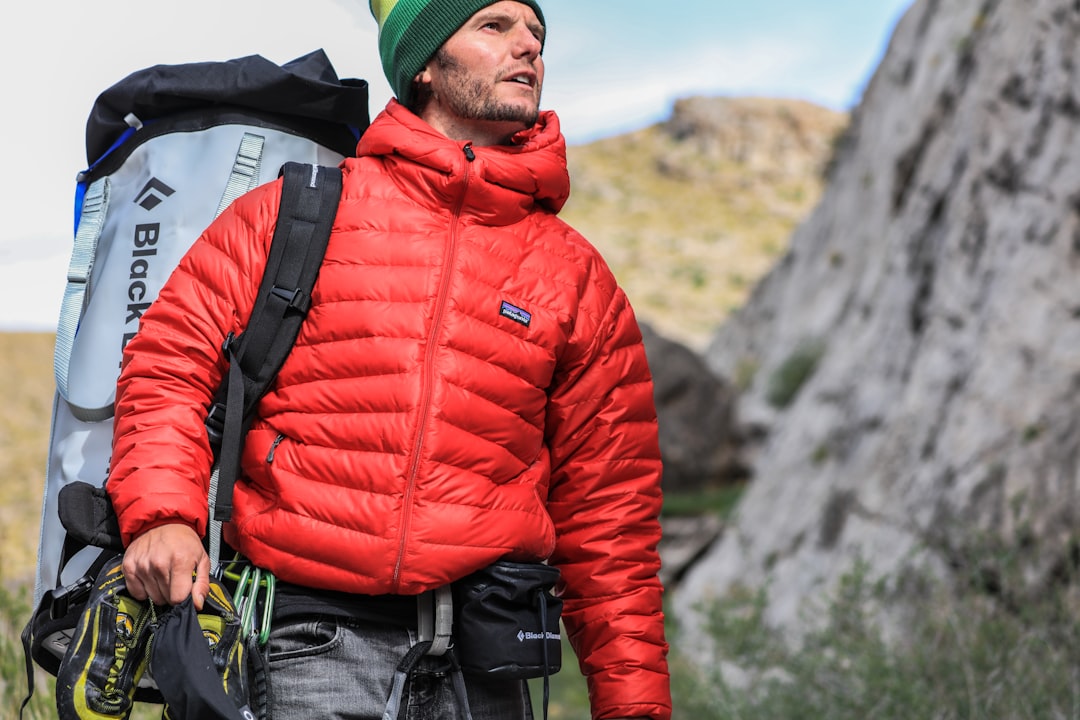
Outdoor gear is one of the easiest, most consistent categories I sell. Patagonia is the champion here, specifically the Down Sweater line. I grab every one that’s reasonably priced and passes my quick checks: working zippers, no rips, no wet‑dog smell, and no feather leakage when you give the jacket a gentle shake.
These jackets have a huge following because they’re warm without being bulky, and they retail for a small fortune. A men’s medium Down Sweater sold for $110, and a women’s version went for $82. Prices vary depending on color, condition, and size, but even worn-in ones move.
I usually pay $8–$15 at thrift stores and list them for $70–$140. They ship for cheap, don’t take up storage space, and help keep my cash flow steady all year.
5. Bulk LEGO Sold by the Pound

Bulk LEGO is one of those deceptively simple categories that can turn a chaotic bin of bricks into real, steady money. When I find a tub, I spread everything out on a towel and start by pulling minifigures, they’re the secret gold in any lot. Even a single desirable minifig can sell for the price of an entire bulk bag. After that, I toss obvious non-LEGO pieces, check for damage, and start sorting by type or color depending on how big the haul is.
Weight is your friend here. Most buyers aren’t looking for complete sets; they want volume for building projects, school makerspaces, MOCs, or for their kids to dump out on the floor (and for you to step on later, ask me how I know). A 20‑lb mixed lot brought in $136, which works out to about $6.80 per pound. That’s a realistic real-world benchmark for unsorted bulk.
I usually pay $15–$25 for a giant tub at a thrift store, and after sorting out the minifigs and bagging the bricks neatly, I list in 5‑lb or 10‑lb increments. The stuff moves year‑round because LEGO never really goes out of demand. It’s easy to store, easy to ship, and once you’ve done a couple of lots, the process becomes oddly satisfying.
6. Vintage Corning Ware & Spice o’ Life Pieces
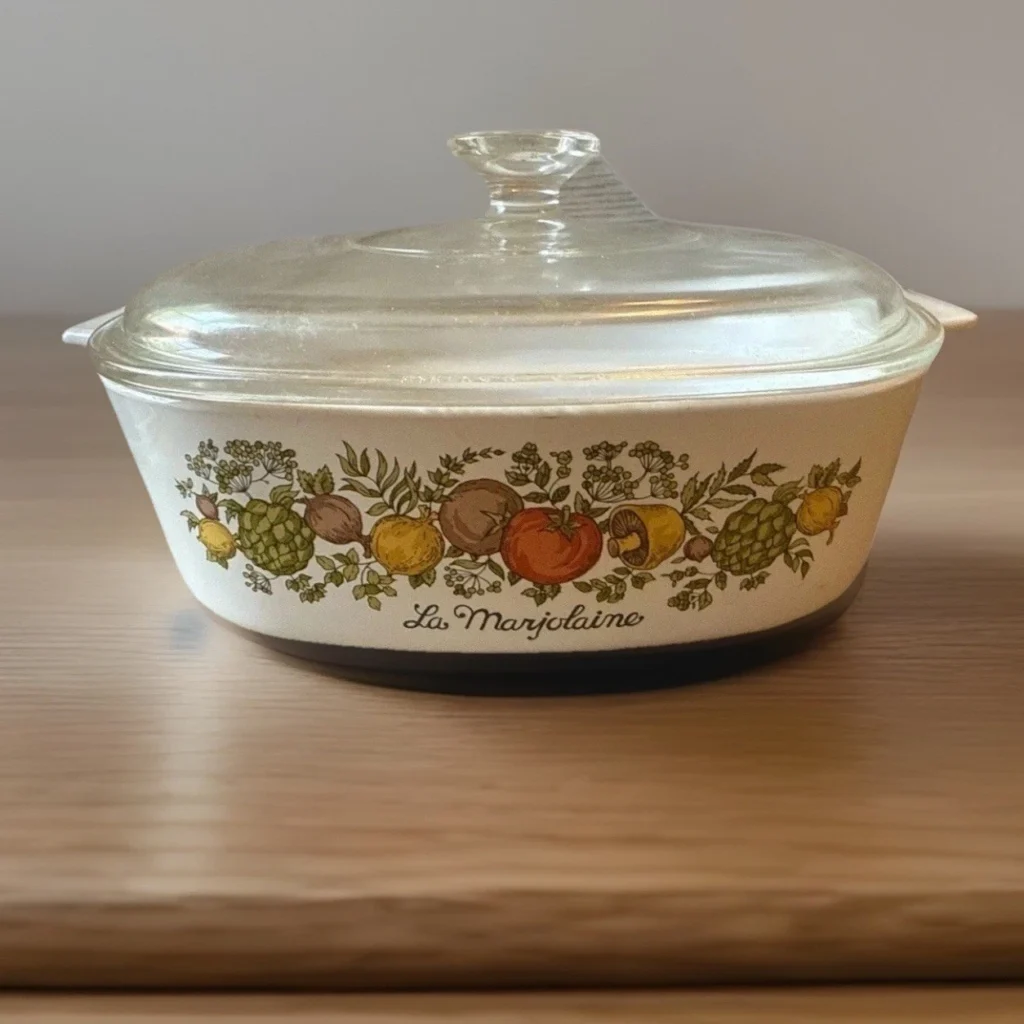
Corning Ware is one of those thrift categories people overlook until they’ve sold a few pieces. The older patterns, Spice o’ Life, Wheat, early Blue Cornflower, move quickly because they’re practical and nostalgic at the same time. I always flip each piece over to check the backstamp. The older stovetop‑safe stamps with the tiny icons usually bring stronger prices. Then I check rims for tiny chips, lids for hairline cracks, and interiors for baked‑on brown that might need elbow grease.
What I love about Corning Ware is how dependable it is. Buyers actually use these pieces every day, and they want ones that still look good on the table. I’ve picked up casseroles for $2–$5 and moved them within days. One Spice o’ Life 2.5‑quart casserole sold for $49.99, which is exactly why I slow down anytime I spot those classic veggie motifs.
Cleanup is simple: a little hot water and Bar Keepers Friend takes decades off the finish. Photograph them in soft natural light and they look clean, homey, and ready to use. They nest neatly in storage, survive shipping with just a bit of padding, and sell steadily year‑round. It’s one of the easiest, lowest‑risk flips I rely on.
7. Mid-Century Brass Decor
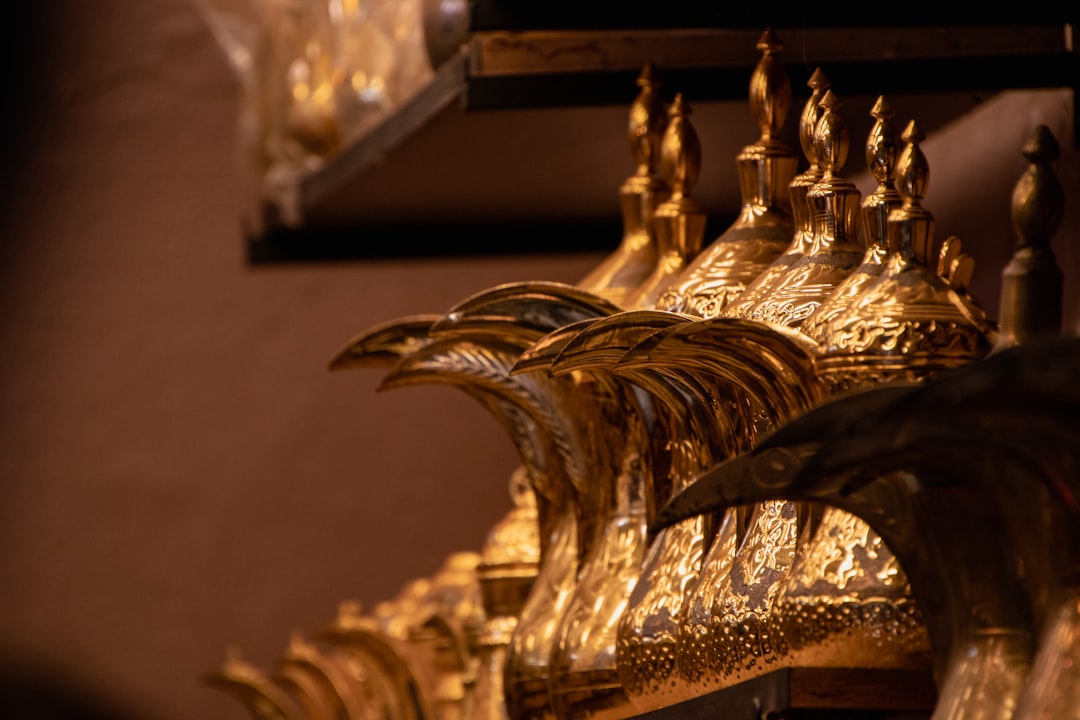
Mid‑century brass practically glows on the shelf when you know what to look for. Solid brass animals, candlestick pairs, wall plaques, bowls, or bookends all sell quickly, especially if they’re heavy. My first test is always weight. Hollow pieces feel cheap and usually aren’t worth the trouble. A good piece of brass has that satisfying heft, the kind that makes you instantly think “yep, that’s real.”
I never polish brass unless it’s absolutely filthy. Most buyers love the darker patina because it reads warm and lived‑in. I once picked up a pair of brass cranes for $6 and saw a similar pair sell for $65. Sets always do better than singles, and animal figures, cranes, owls, horses, are strong performers.
They’re incredibly easy to list. A quick dusting, a few natural‑light photos, and you’re done. Brass stores well, ships safely with padding, and appeals to décor lovers who want that mid‑century warmth without boutique prices. It’s one of my no‑brainer categories because the flips are fast and consistent.
8. Manual Typewriters (Smith-Corona, Royal, Olympia)
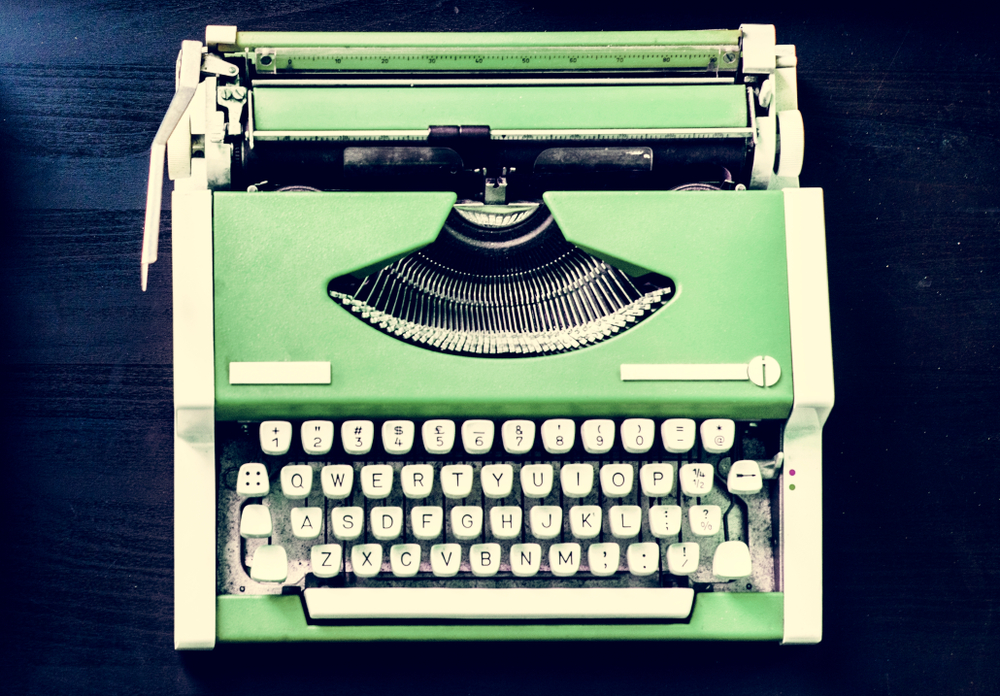
Typewriters are intimidating until you flip your first one, and then you realize they’re workhorses. The mid‑century portables from Smith‑Corona, Royal, and Olympia are the easiest to handle and ship. I start with the basics: press a few keys to see if they strike cleanly, test the carriage return, and check whether the ribbon advances. Even with a dry ribbon, the mechanism should still move. I also peek into the battery compartment if it has one, corrosion can be cleaned, but it’s a bargaining chip.
Dust and age are normal. I clean them gently with a soft brush, canned air, and a dab of rubbing alcohol on the keytops. I never try to “restore” them to perfection, buyers prefer them to look authentically vintage. One Olympia SM3 sold for $185, which tells you how strong this category still is.
Typewriters are bulky, but they ship safely when you wrap the machine in a towel or bubble wrap, secure it inside its case, and then pad the whole thing in a sturdy box. Local buyers love them too, writers, students, photographers, and even prop stylists. When I find one for $10–$20 that passes my quick tests, it’s almost always an easy, satisfying flip.
9. Vintage Board Games (Complete Sets)
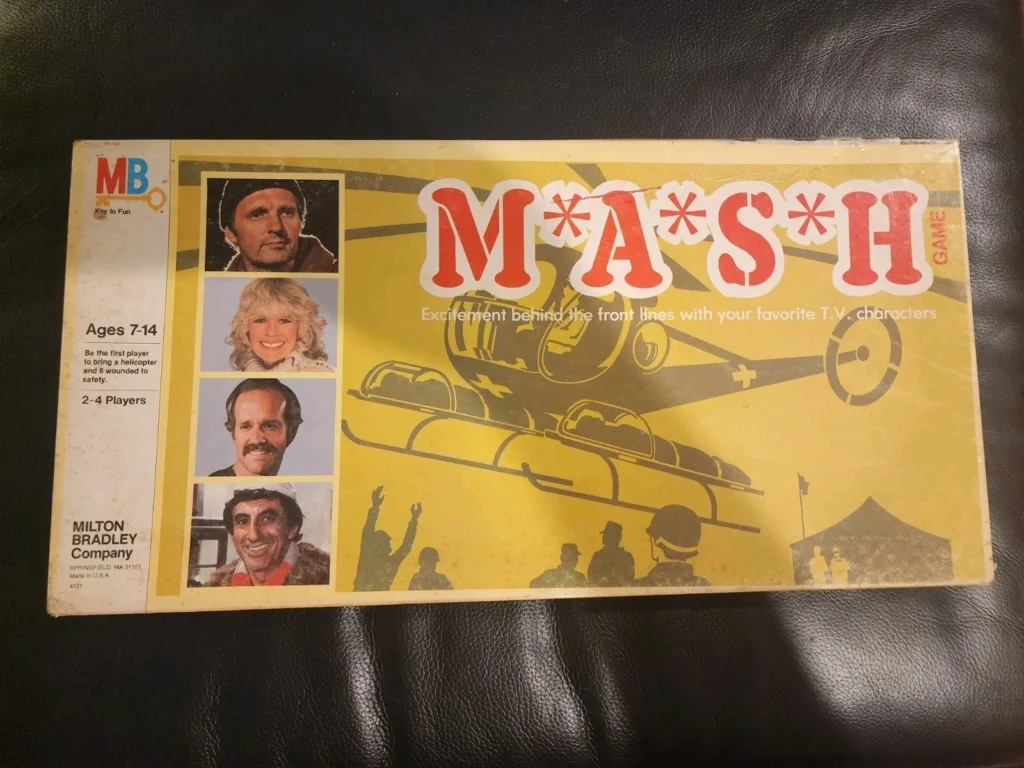
The board game shelf always gets a quick scan from me. Most people see faded cardboard and move on. I see easy, lightweight inventory that ships cheaply and taps straight into nostalgia. I pop every box open and do a fast gut check: is the board intact, are the major pieces there, are the cards at least mostly presentable? If anything big is missing, I usually leave it unless it’s a truly rare title.
The sweet spot is 60s–90s games with personality: Careers, Masterpiece, Fireball Island, Mall Madness, and anything with little plastic bits people lose over time. A 1960s Careers set sold for $59.99, which is a pretty decent return on what’s usually a $1–$4 buy-in.
These are easy listings: open-board photo, close-ups of pieces, maybe a shot of the rulebook. People buy them to relive childhood, play with their kids, or replace a family staple that got lost in a move. They don’t take up much space, and the demand is surprisingly steady. For a low-stress, low-risk flip category, vintage board games punch way above their weight.
10. Denim Jackets (Levi’s, Lee, Wrangler)
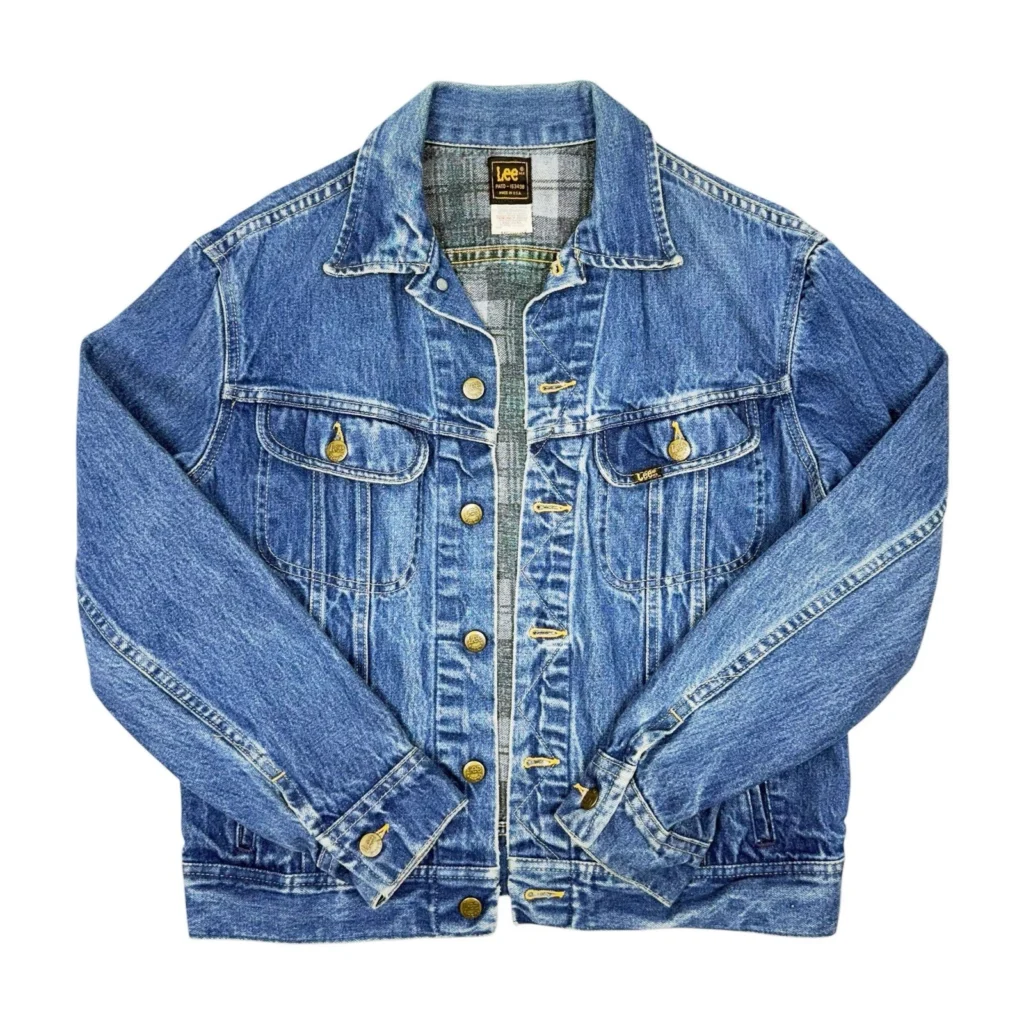
Vintage denim jackets are one of the few clothing items I never get tired of flipping. They’re tough, they age beautifully, and they basically sell themselves if you take halfway decent photos. I run my fingers along the cuffs and hem to check for fraying, check under the arms for blowouts, and peek at the inside collar for nasty sweat stains. Some fading and wear is fine, that’s part of the charm, but mold and major damage are a no from me.
Levi’s Type III trucker jackets are the stars, followed by Lee and Wrangler work jackets. Certain details can bump the price: older big “E” tabs, made-in-USA tags, selvedge seams, or cool repair work that adds character. One Levi’s Type III trucker recently sold for $89.99, and plenty of others fall into the same ballpark.
I usually pay $6–$12 for a good denim jacket and list it between $50 and $100 depending on age and condition. Hung on a simple hanger in natural light, they look fantastic in photos and rarely sit for long. It’s one of the most forgiving categories if you’re nervous about selling clothing.
11. Vintage Enamel Cookware (Dansk, Catherineholm, Descoware)
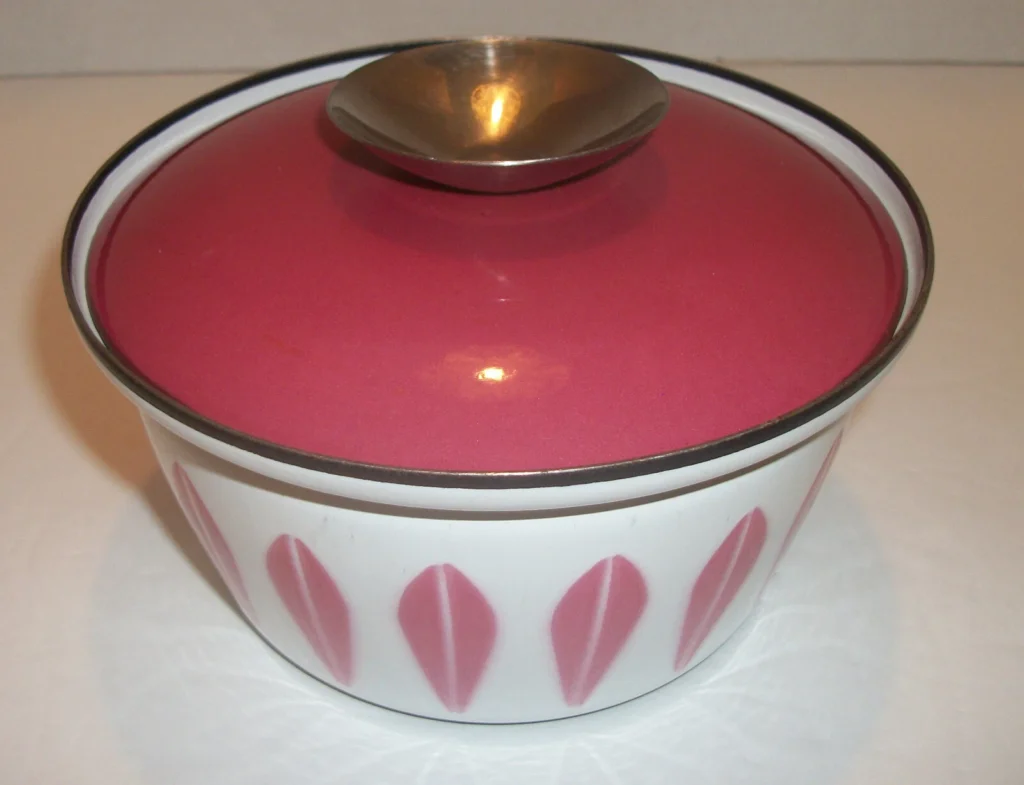
Enamel cookware is one of those categories where the right piece can make your whole thrifting day. The colors are bold, the shapes are sculptural, and the buyers are very, very real. I’m always on the lookout for Dansk Kobenstyle (with that cross-shaped lid handle), Catherineholm lotus patterns, and chunky Descoware casseroles. I check rims for chips, run a fingertip around the interior for roughness, and make sure handles feel solid.
These pieces live at the intersection of “pretty” and “practical.” They cook well and look good on open shelving, which is exactly what today’s buyers want. A yellow Dansk Kobenstyle roaster sold for $49.95 in used condition, and cleaner, rarer pieces can go considerably higher.
Most of the time, I’m paying $5–$12 for a pot or pan. A bit of gentle cleaning, a bright, well-lit photo, and they’re ready to list. Depending on size and condition, I’ll price them anywhere from $40 up to $150. They’re a little heavier to ship, but the profit margin more than justifies the packing.
12. Old Cameras (Film SLRs & Point-and-Shoots)
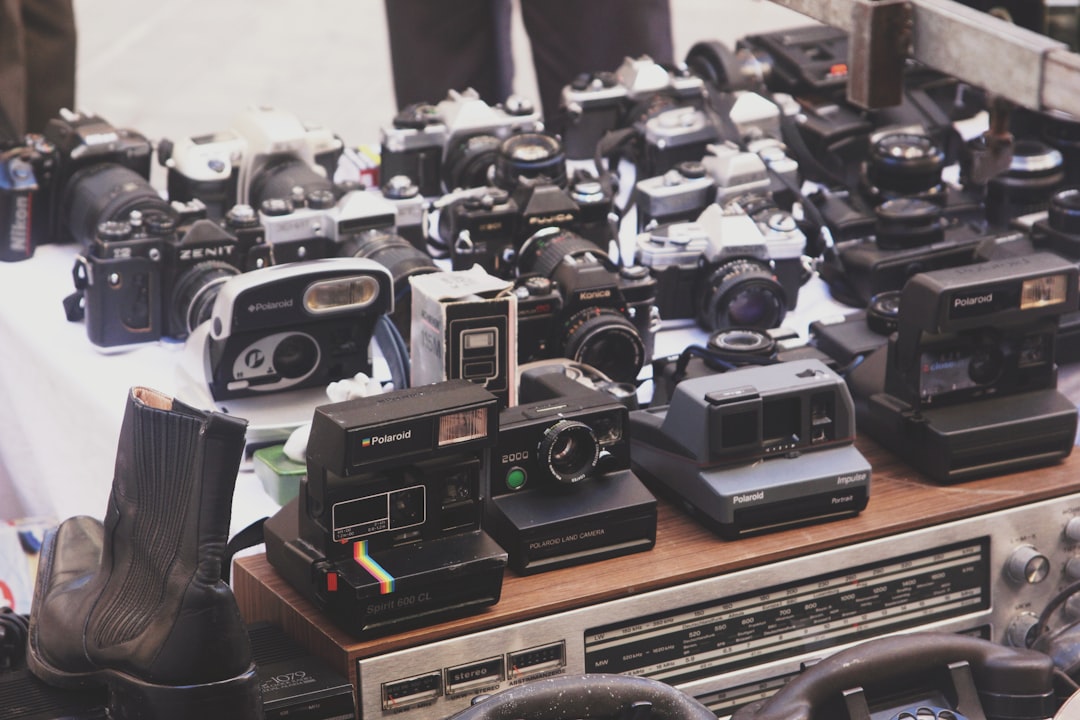
Film cameras came roaring back, and thrift stores haven’t completely caught on. I always check the camera shelf for classic SLRs like the Canon AE-1, Pentax K1000, Minolta SRT series, and compact point-and-shoots like the Olympus Stylus line. My test is quick: wind the advance lever, fire the shutter, check that the mirror moves, and pop open the back to make sure nothing’s broken or moldy inside.
Even if the cosmetics are a bit rough, a working camera can still sell well. A Canon AE-1 Program body sold for around $80, and bundles with lenses often go for more. Some point-and-shoots, especially with sharp lenses and autofocus, easily hit $60–$120.
Cameras are small, store easily, and have a steady stream of buyers, students, artists, collectors, and people who just want a “real” camera again. I usually pay $8–$15 for an SLR body and expect to list it in the $60–$120 range depending on lens and condition. Once you learn a simple testing routine, this becomes one of the best low-bulk, high-value flip categories.
13. Vintage Lamps (MCM, Ceramic, Sculptural Metal)
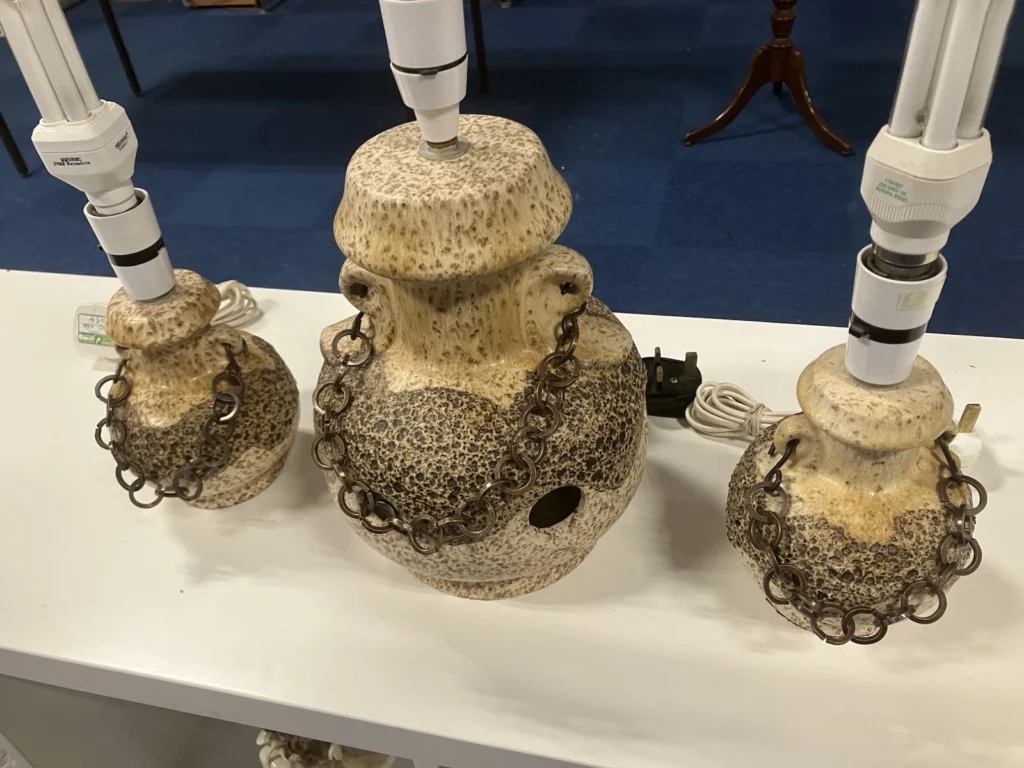
Lamps are a little bit of a pain to haul, but they can be wildly profitable. I’m always drawn to mid-century ceramic lamps with drip glazes, tall sculptural brass bases, and anything with an original fiberglass or textured shade. First step is safety: check the cord for cracks, make sure the plug isn’t crumbling, and test the switch with a bulb in-store if you can. Even if it needs a rewire, a great design is often still worth it.
Design sells here. A 1960s drip-glaze ceramic lamp with a good shade can easily bring solid money, one similar piece sold for $149.99. Pairs of lamps do even better because buyers can flank a sofa or bed with them.
I usually pay $8–$20 per lamp. For online sales, I pack the shade separately in the same box with lots of padding. Locally, they fly on Facebook Marketplace to people who want character lighting without paying designer prices. If you’ve got space in your vehicle and a little patience for packing, lamps are a fantastic high-margin flip.
14. Sterling Silver Flatware & Serving Pieces
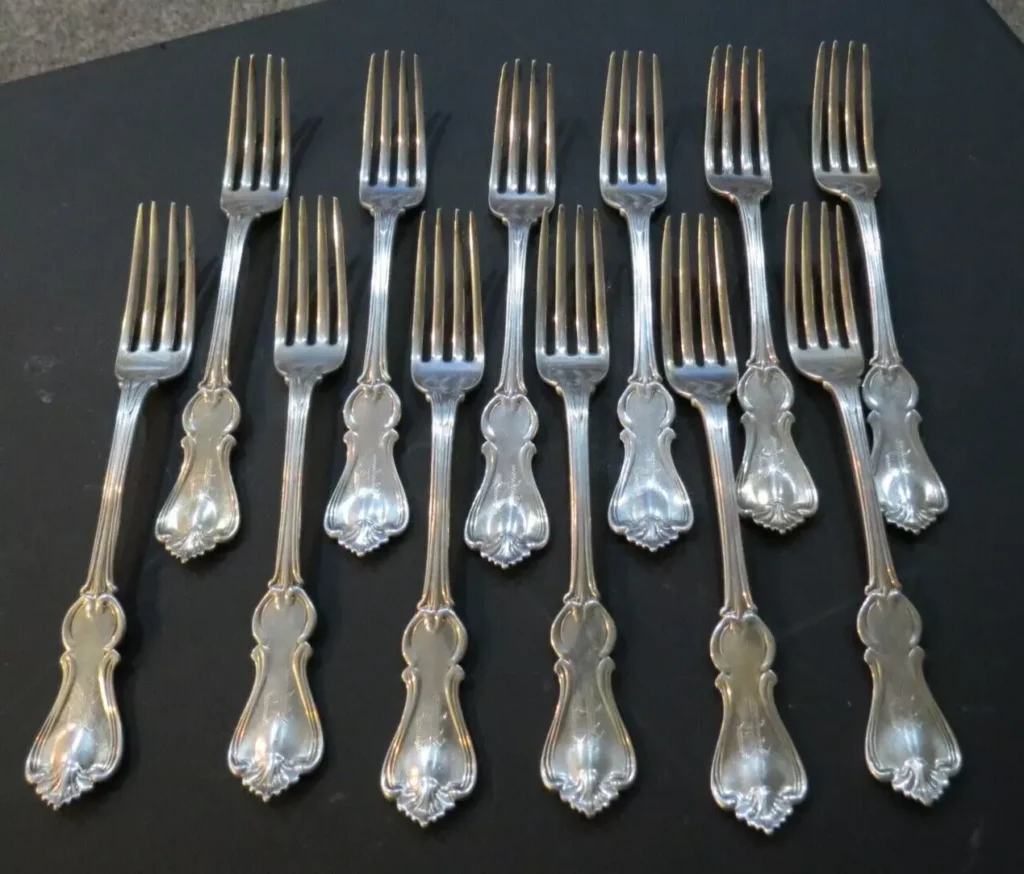
Sterling silver is tiny, easy to stash, and often badly mispriced by busy staff. I dig through the utensil bins and look for the magic words: “STERLING,” “.925,” or “925/1000,” plus maker marks from Reed & Barton, Gorham, Towle, and International. A quick magnet test is handy, stainless sticks, sterling doesn’t, but I always confirm with hallmarks.
Pattern and maker matter, but even plain pieces add up fast. A Reed & Barton sterling salad set sold for $110, and single teaspoons from popular patterns routinely land in the $12–$25 range.
My favorite thing about silver is how compact it is. You can keep a whole inventory in a shoebox. I’ve paid a couple of dollars for “random spoons” at the thrift and later realized I was holding $60–$80 in scrap or resale value. It’s absolutely worth training your eyes on hallmarks as this is quiet, sneaky profit that supports the louder, bulkier flips.
15. Vintage Tools (Hand Planes, Levels, Wrenches)
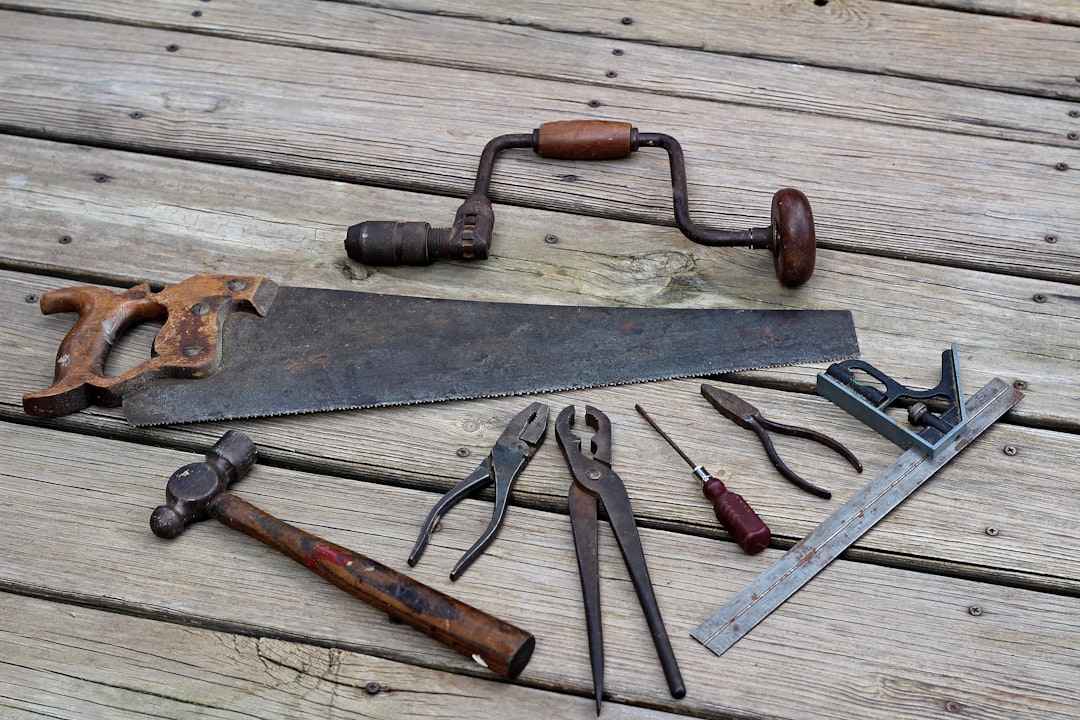
Old tools are the definition of unsexy profit. They’re not cute, they don’t look great on Instagram, but they sell and they keep selling. I always rummage through the hardware bins for woodworking planes, brass-bound levels, and heavy old wrenches from brands like Stanley, Craftsman USA, and Keen Kutter. The good ones feel solid in the hand and were clearly built to last through several lifetimes.
With planes, I check the sole for deep pitting, make sure the body isn’t cracked, and see if the wood tote and knob are intact. Surface rust is fine; that scrubs off with steel wool and oil. A Stanley No. 4 smoothing plane sold for $72, and many others sit comfortably in the $40–$100 range depending on age and condition.
Tools don’t care if your storage space is unheated or dusty. They’re incredibly forgiving to ship and attract serious buyers who know exactly what they’re looking for. I usually pay a few dollars per piece and let the repeatability and low risk justify the time. It’s not glamorous, but it’s steady.
16. Mid-Century Pottery (McCoy, Shawnee, Red Wing)
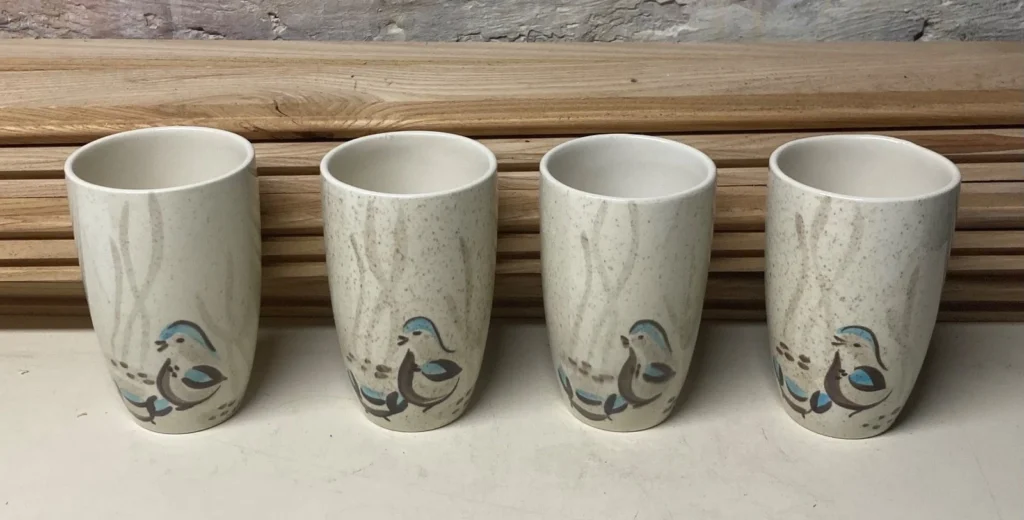
Mid-century pottery is where my plant-loving heart and my reseller brain happily overlap. I’m always scanning for pastel glazes, embossed fruit motifs, cookie jars with personality, and those soft greens and pinks that McCoy, Shawnee, and Red Wing did so well. I tap the rims gently to listen for a clean ring (a dull thud can mean a crack), and I check bases for marks or impressed logos.
These pieces are wildly photogenic. Pop a little houseplant or a bunch of herbs into a planter for the photos and suddenly everyone wants it on their windowsill. A McCoy pink jardiniere planter sold for $68, and many Shawnee animal planters and cookie jars cruise happily in the $40–$120 range.
Prices at thrift stores are often laughably low, $3–$8 is common, because they’re lumped in with generic “housewares.” They’re sturdy to ship with enough padding and stack nicely on a shelf while waiting for a buyer. If you like a bit of whimsy in your inventory, mid-century pottery is a joy to hunt and a reliable earner.
17. KitchenAid Attachments & Vintage Small Appliances
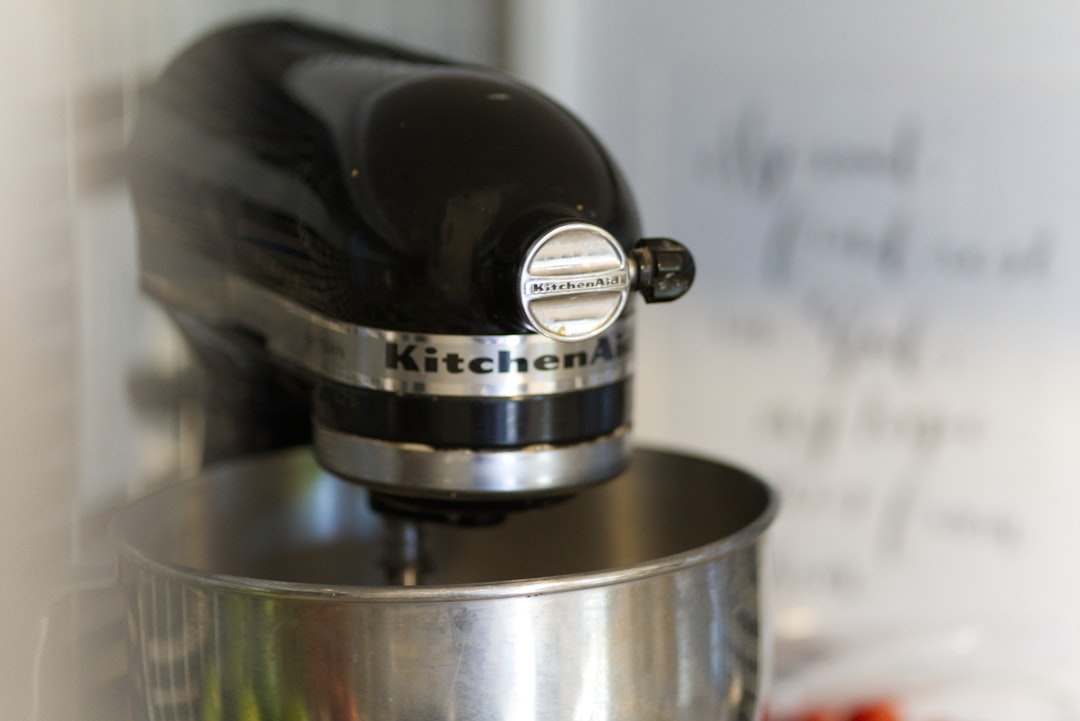
If there’s a chaos bin of kitchen gadgets, you can bet I’m digging through it for KitchenAid parts. Attachments are expensive new, which makes used ones ideal flip material. I’m especially happy to find the metal meat grinders, pasta rollers, slicer/shredder sets, grain mills, and extra stainless bowls. As long as they’re complete and not bent to oblivion, they’re worth a look.
A metal KitchenAid meat grinder attachment sold for $79.95, which is exactly the sort of flip that funds pantry staples. I’ve pulled these out of thrift bins for a couple of dollars.
Vintage appliances like Sunbeam Mixmasters, Oster blenders with glass jars, and older Braun food processors also do well. I always plug them in at the store, listen for horrible grinding noises, and make sure blades or beaters are present. These things aren’t glamorous, but they’re practical, and practical sells. They’re the classic “turn $5 into $40” kind of flips that keep cash flowing between the bigger scores.
18. High-End Shoes (Birkenstock, Dansko, Frye, Red Wing)
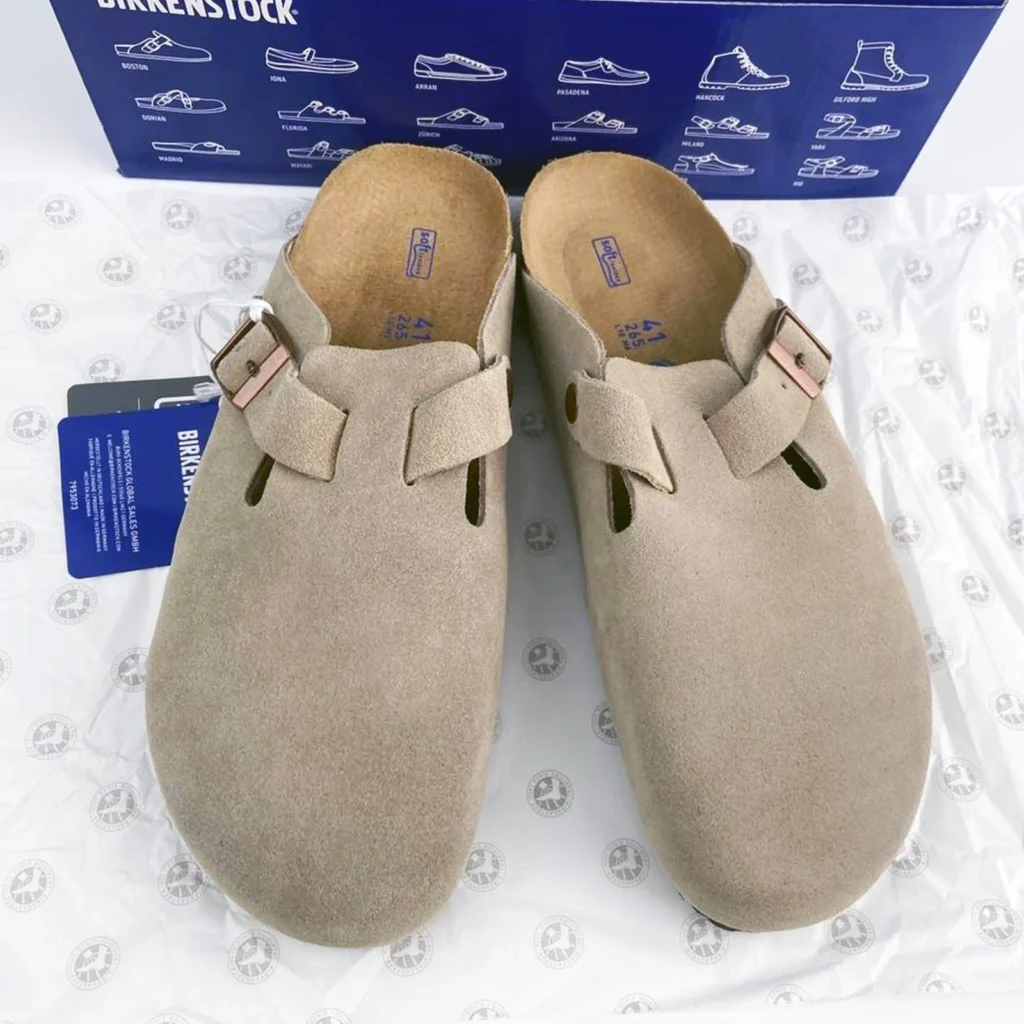
The shoe aisle is one of my most reliable income streams. I’m not here for fast-fashion heels, I’m hunting for quality leather boots and comfort shoes people will wear into the ground. Birkenstock sandals, Dansko clogs, Frye boots, and Red Wing work boots are all automatic comps for me. I flex the soles, look for separation, check the tread, and peek inside at the insole and lining.
A pair of Frye Melissa Button boots sold for $89, and that’s far from unusual. Good-condition Birkenstocks can easily land in the $35–$70 range, and certain Dansko styles climb even higher.
Shoes do need a bit of cleanup, a quick wipe-down, maybe a brush and some conditioner for leather, but that effort pays off. They’re easy to photograph (just use good light and clean backgrounds), store neatly in bins, and ship in simple shoebox-sized cartons. For the amount of space they take up, shoes deliver an excellent return.
19. Vintage Tupperware (Orange, Avocado, Harvest Colors)
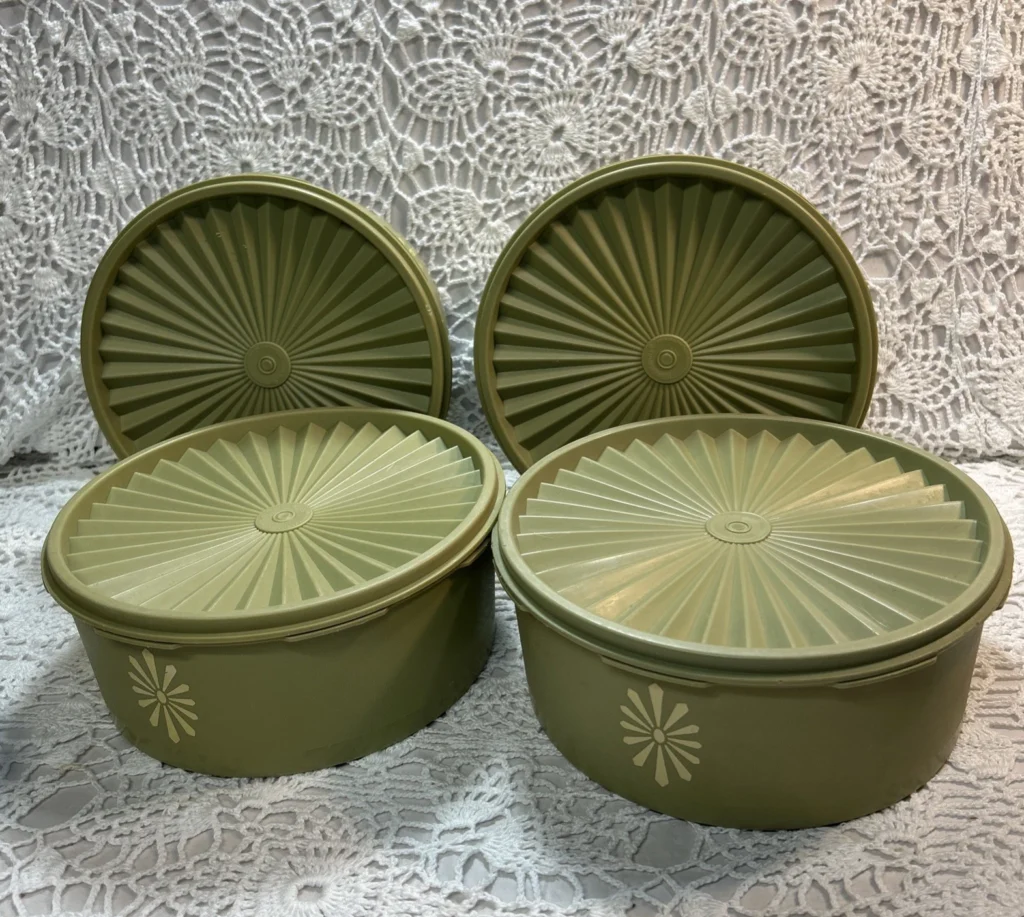
Vintage Tupperware is one of those “how is this so good?” categories. The bright 70s oranges, avocado greens, and pastel modular sets are oddly in demand. I squeeze lids lightly to check for brittleness, look along the edges for cracks, and make sure the seal actually works. A good burp is still incredibly satisfying.
Certain shapes are consistent winners: fix-n-mix bowls, orange juice pitchers, and those refrigerator stackers and canister sets. A pastel modular canister set sold for $49.99, which lines up nicely with what I’ve seen.
Most thrift stores throw Tupperware in a bin at $0.99–$2.99 apiece. It’s light as air, stacks like a dream, and costs very little to ship. Once you’ve learned which pieces are sought-after, you can sweep a whole shelf into your cart in 30 seconds and know you’ve just loaded a box of low-drama, high-margin flips.
20. Carhartt & Workwear (Jackets, Overalls, Hoodies)
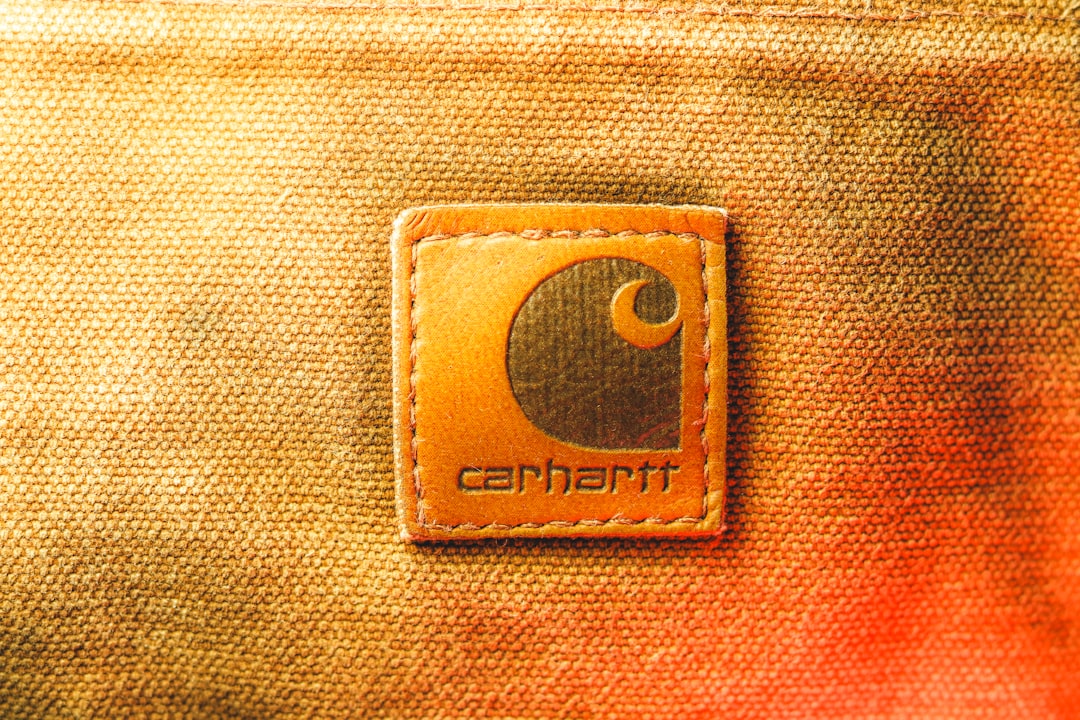
Workwear is as dependable as it gets. Carhartt is the big name here, but I also keep an eye out for Dickies, Red Kap, and older Wrangler or Levi’s work jackets. I look for Detroit jackets, chore coats, duck-canvas hoodies, and insulated bib overalls. My checks are simple: working zippers, sturdy snaps, lining that isn’t shredded, and fabric that still has life left in it.
A Carhartt Detroit jacket sold for $120, and even heavily broken-in pieces often sit comfortably in the $60–$100 range. Buyers aren’t precious about condition here, they want gear they can beat up.
From a homesteader’s perspective, I love flipping workwear because it aligns with the customers I understand: people who do things. I typically pay $8–$15 for a good Carhartt jacket and list it confidently, knowing there’s always someone looking for a tough layer that doesn’t cost full retail. It’s the perfect closer for this list: rugged, repeatable, and very good at quietly paying real-world bills.