Affiliate disclosure: This post may contain affiliate links. Please see full disclosure.
If you’ve ever killed a fern, overwatered a succulent, and sworn off houseplants in the same month, the 2026 Plant of the Year is basically your do-over.
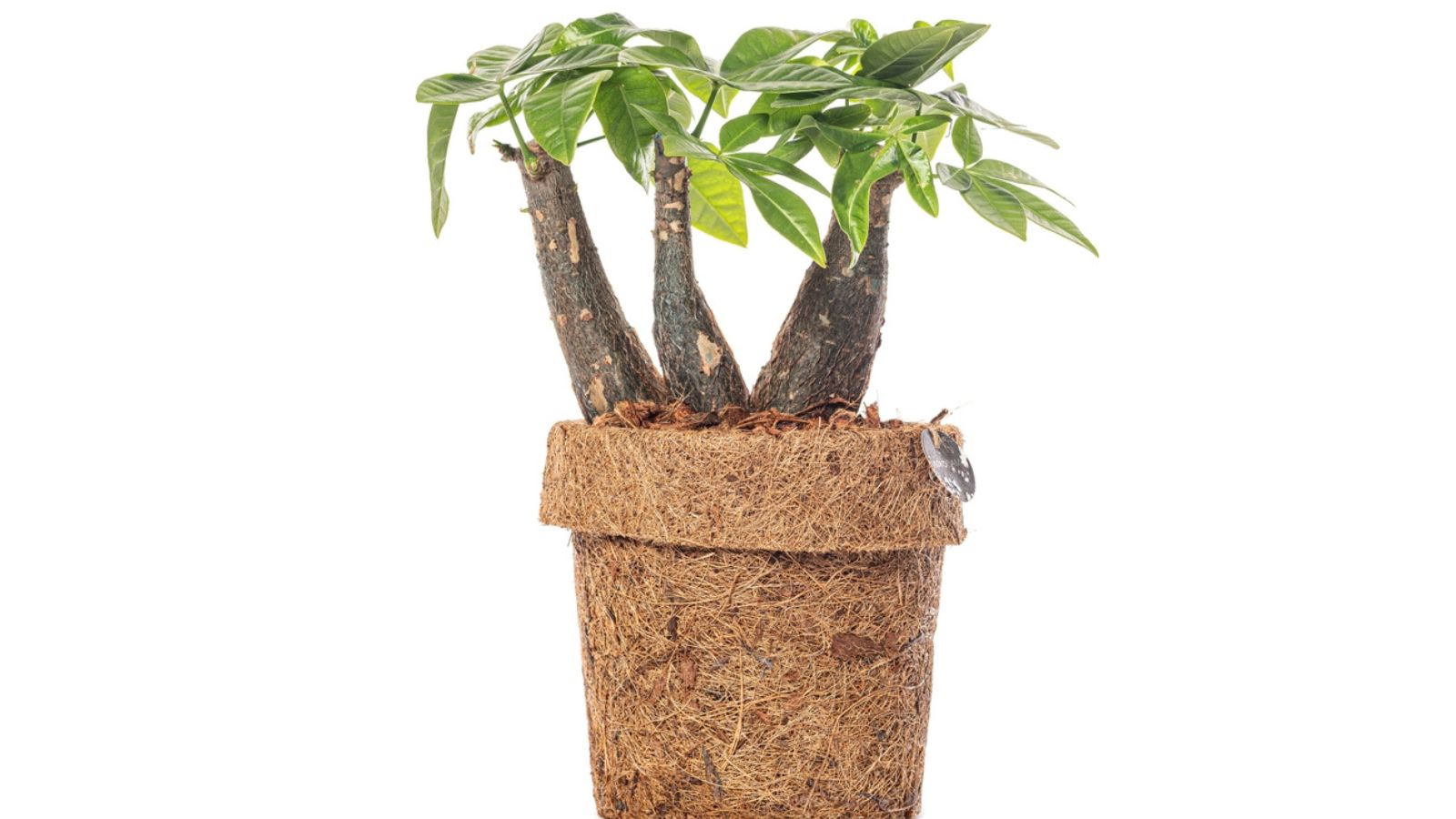
The money tree (Pachira aquatica) just snagged the title from 1-800-Flowers as their 2026 Plant of the Year, thanks to its “easygoing but still gorgeous” reputation and all the good-luck symbolism wrapped up in that braided trunk.
It looks like you really tried with your décor, it’s forgiving if you forget it for a bit, and it doesn’t come with a long list of fussy rules. As long as you give it decent light, sensible watering, and a pot that drains, it’ll usually meet you more than halfway.
Here’s how to keep this “lucky” plant actually alive and thriving in your home.
What makes the money tree special

Money trees are tropical wetland trees from Central and South America, usually grown indoors as compact, braided houseplants. In the wild they can reach 60 feet tall, but inside they top out around three to eight feet, depending on pot size and light.
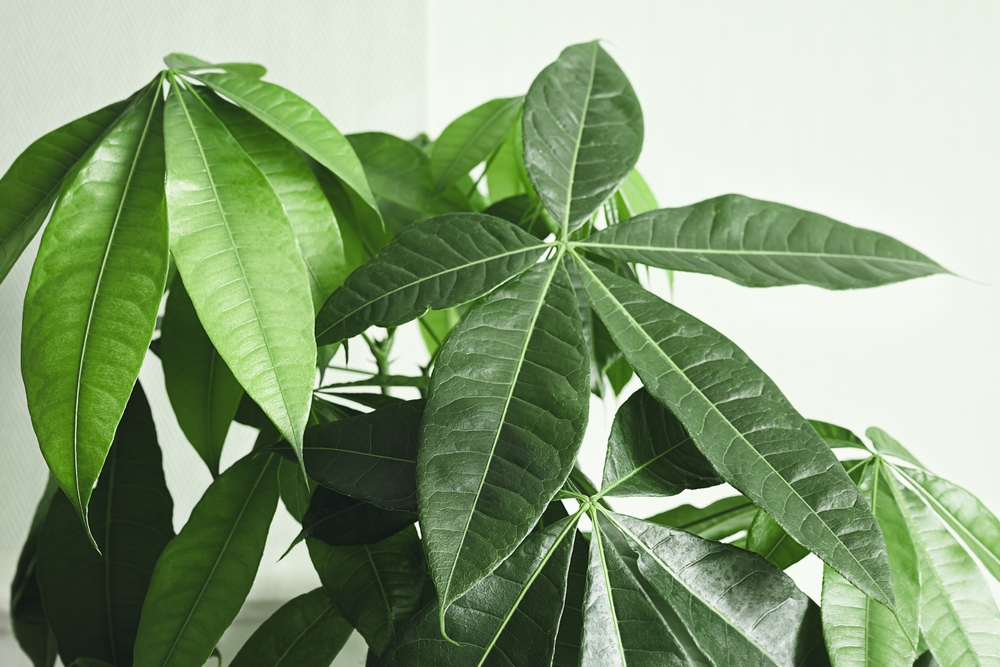
You’ll recognize them by the braided trunk and those shiny, hand-shaped leaves that often appear in groups of five. In feng shui, those five leaflets are said to represent the five elements and bring balance, luck, and prosperity, which is a big part of why they’ve become the “new year, new energy” plant.
Symbolism aside, the real selling point is this: it’s genuinely low-maintenance if you understand a few basics.
Where to put it: light and placement
Money trees like bright, indirect light. Think close to a sunny window, but not pressed right up against the glass. Plant experts usually suggest an east-, south-, or west-facing window where the plant gets plenty of light with the harsher rays softened by distance or a sheer curtain.
Too much direct sun, especially hot afternoon light, can scorch or fade the leaves. Too little light makes the plant stretch and lean, with long bare sections of stem and sparse foliage.
A good rule of thumb is this: place it where you could comfortably read a book during the day without turning on a lamp, then keep it a little back from the glass. Rotate the pot every week or two so it doesn’t grow lopsided toward the window.
Money trees can tolerate lower light and even fluorescent office lighting, but they’ll grow more slowly and may look a bit thinner. In very low light, be extra careful not to overwater, because the plant won’t be using moisture as quickly.
How often to water it (and how not to kill it)

If this plant has an Achilles’ heel, it’s overwatering in the wrong soil.
In its native habitat, Pachira grows in areas that can be wet for a while and then dry out. Indoors, that translates to a plant that wants a thorough drink, followed by a proper dry-down, not constant “sips” that leave the soil soggy.
Most experts land on watering about every one to two weeks, but the calendar is less important than the soil. Press your finger or a wooden skewer two to four inches into the pot. If that feels dry or just barely damp, it’s time to water. If it still feels wet or cool and sticky, wait a few more days and check again.
When you water, take your time. Pour slowly over the surface until water is running out of the drainage holes, then let the pot sit and drain fully. If there’s a saucer under the pot, empty any standing water after about 20–30 minutes so the roots aren’t sitting in it.
Overwatering usually shows up as drooping leaves that feel soft, yellowing foliage, and sometimes dark, mushy patches near the base or on the roots if you unpot it. Underwatering, on the other hand, gives you dry, crispy, browning leaf edges and soil that has shrunk away from the sides of the pot.
If you do overdo it once or twice, let the soil dry out more than usual before the next watering instead of trying to “fix” things by watering again.
The right soil and pot make everything easier

You don’t have to mix a complicated custom blend, but the soil you use matters.
Money trees do best in a well-draining potting mix, not straight heavy garden soil. A regular indoor potting mix is fine; many growers like to lighten it further by mixing in something chunky like perlite or orchid bark so excess water can move through quickly.
Whatever mix you use, always plant in a container with a drainage hole. Lots of “mysterious” money tree deaths come from plants stuck in decorative pots that don’t drain, or from soil that stays swampy in the middle.
Plan to repot every two to three years, or sooner if you notice roots circling tightly around the inside of the pot, growing out of the drainage holes, or pushing the plant up and out. When you repot, choose a container only one or two inches wider than the current one. Jumping from a small pot to a huge one often leaves you with a big mass of wet soil and comparatively few roots, which is a recipe for rot.
After repotting, water thoroughly once to settle the soil, then let it dry down before falling back into your normal watering rhythm.
Temperature and drafts: what this plant can handle
Money trees are happiest at the same temperatures people like: roughly 60°F to 75°F (about 15°C to 24°C).
They really don’t appreciate sudden cold blasts or hot, dry air. If you can, keep yours away from frequently opened exterior doors, directly under heating or AC vents, and right up against icy winter windows.
If your plant suddenly starts dropping leaves after you move it, or when you turn the heat or AC on for the season, temperature or draft stress is a likely culprit. Once you give it a more stable spot, it often pushes new leaves again as it adjusts.
Does it need extra humidity?
In nature, Pachira grows in humid, swampy areas, which is why many guides list “moderate to high humidity” as ideal.
The good news is that in a typical home, it’s pretty adaptable. Normal indoor humidity is usually acceptable, especially if you aren’t cranking out bone-dry air with constant heating.
If your space is very dry, you may notice browning tips or edges on new leaves. Grouping plants together, setting your money tree on a tray filled with pebbles and a little water below the pot line, or running a small humidifier nearby can all help. A bright bathroom with a window often makes a great spot, because showers do half the work for you.
Regular misting looks satisfying, but it doesn’t change humidity for long. It’s fine as a quick dust-remover if you don’t soak the foliage, but don’t rely on mist alone to fix an extremely dry room.
Fertilizer, pruning, and shaping
This plant is not a heavy feeder. A regular, balanced liquid houseplant fertilizer at half strength once a month in spring and summer is usually enough. Skip feeding in fall and winter when the plant naturally slows down.
Pruning is straightforward. If a leaf yellows, browns, or is badly damaged, cut it off close to the main stem. If the plant is getting taller or leggier than you want, trim the top growth just above a leaf node; that’s where new branches will form. This encourages a fuller, bushier shape over time.
The famous braid is cosmetic, not essential. Growers braid several young stems together while they’re still flexible. If new shoots appear at the base and they are still soft and green, you can gently tuck them into the existing braid. If they feel woody or resist bending, leave them as they are so you don’t snap them.
Wiping the leaves now and then with a soft, damp cloth keeps dust from blocking light and makes it easier to spot pests early.
Propagating a new money tree from the one you have

If you get brave, you can turn one plant into several.
When you prune, choose a healthy stem that has a few leaves and at least one node, which is the small bump where leaves or branches emerge. You can root this in water or directly in soil.
For water, remove the lower leaves, pop the cutting into a jar with the node under the surface, and put it in bright, indirect light. Change the water a couple of times a week. Once a decent little root system has formed, plant it in a small pot with well-draining mix and keep it just lightly moist until it settles.
For soil, dip the cut end in rooting hormone if you have it, and place it into moist potting mix. Covering the pot loosely with a clear bag can help hold humidity while it roots, as long as there’s still some airflow so it doesn’t go moldy. When you see new leaves emerging at the top, that cutting has taken.
It won’t instantly turn into a tall braided tree, but it’s a nice way to grow gifts or backup plants without buying new ones each time.
Common problems and what they’re trying to tell you
Yellow leaves are usually the plant’s way of saying the roots are staying too wet. That can come from watering too often, using soil that drains poorly, or keeping the pot in very low light where it just doesn’t use much water. Check the roots if things look really bad; if they’re brown and mushy instead of firm and white, you may need to trim the damage and repot into fresh, airy soil.
Brown, crispy edges often mean the opposite: the plant has stayed too dry between waterings, the air is very dry, or both. Give it a deep drink, trim off the worst of the damage, and start checking the soil a little more often so it never turns completely to dust.
Sudden leaf drop after a move, a big draft, or a big change in light is classic stress. As long as the stems are still firm and green, the plant can usually recover once conditions are stable again.
Sticky residue, fine webbing, or little cottony blobs tucked into leaf joints point toward pests like spider mites or mealybugs. A gentle rinse in the shower plus a few rounds of insecticidal soap or a neem-based product, always used according to the label, usually takes care of them.
RELATED: 15 Winter Houseplants Toxic to Pets
Is the money tree safe for pets?
Yes. Pachira aquatica is listed by the ASPCA as non-toxic to dogs, cats, and even horses.
That doesn’t mean you want your pets chewing on it like a salad bar. Eating any plant in large amounts can upset a pet’s stomach, and commercially grown plants may have fertilizer or pesticide residues. If you have a very determined chewer, it still makes sense to keep the plant up out of easy reach or use a pet gate.
If your pet does tuck into it and seems unwell, call your own vet or a pet poison hotline for specific advice.
Wrapping Up
The big picture with this plant is simple: give it bright, indirect light, let the top half of the soil dry before you water again, use a pot and mix that drain well, and keep it away from drafts. Do that, and this “Plant of the Year” will behave exactly like the chill, low-maintenance houseplant it’s supposed to be, instead of becoming yet another guilty, crispy reminder on the windowsill.