
Affiliate disclosure: This post may contain affiliate links. Please see full disclosure.

Maggots in compost are almost always black soldier fly larvae, and in most bins they’re harmless. Finding a modest number of them in an active bin is usually a good sign, not a bad one. I’m a permaculture specialist, and compost is central to how I grow organically. Understanding what those larvae are actually doing in there changed how I look at the whole thing.
That said, a bin absolutely packed with larvae and smelling sour is a different situation, and it’s worth knowing which one you’re dealing with. This guide covers what those maggots actually are, whether they’re helping or hurting your compost, how to prevent big infestations, how to get rid of them if you’d rather not have them, and whether maggoty compost is safe to use on your crops.
In a Nutshell
- Most maggots in compost are fly larvae, most often black soldier fly larvae.
- In a typical home compost bin, they’re usually harmless and often speed up the breakdown of food scraps.
- A bin heaving with larvae and smelling sour or rotten usually has too much wet food waste and not enough dry, carbon-rich material.
- You can keep maggot numbers down by balancing browns and greens, burying food scraps, and making it harder for flies to get into the bin.
- If you really don’t want them, there are simple, natural ways to reduce maggots without ruining your compost.
Free Maggot-Management Checklist
Want a one-page, fridge-friendly version of this? Grab my free Maggot-Free Compost Checklist & Quick Guide. It walks you through exactly what to do each month to keep your bin balanced and mostly maggot-free.
What Maggots in Compost Actually Are
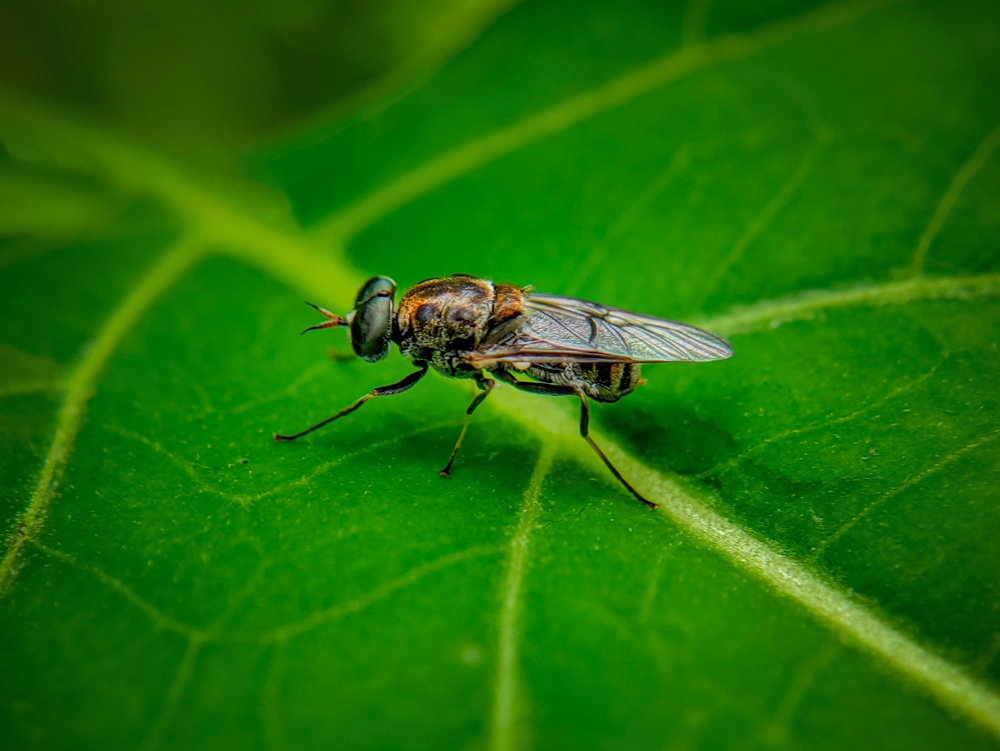
When you open your compost bin to find maggots, you’re almost certainly looking at the larval stage of the black soldier fly, Hermetia illucens. Black soldier fly larvae are efficient waste processors. They consume large amounts of organic matter fast, breaking scraps into smaller pieces as they feed and speeding up the whole composting process. These are not the small, pale, smooth maggots associated with a neglected garbage can. They’re a different organism entirely, and a genuinely useful one.
Black soldier fly eggs hatch in roughly four days. The larvae then feed and develop for two to four weeks before pupating. That fast development cycle is why a small population can seem to explode rapidly when conditions suit them, which is also why it’s much easier to act early than to manage a full infestation after the fact.
RELATED POST: How to Sterilize Soil to Kill Pests and Diseases
How to Identify Black Soldier Fly Larvae
Black soldier fly larvae are chunky, segmented, and slightly flattened, with a tougher, ridged skin that looks almost armored compared to a housefly maggot. They range from creamy white to gray or dark brown depending on age and diet, and reach about 1 inch (2.5 cm) long as they mature. Housefly maggots are smoother, paler, and more delicate by comparison.
You may also find beetle larvae, springtails, millipedes, and worms working through a healthy heap. All normal. A diverse decomposer community is exactly what a well-functioning compost system looks like.
Are Maggots in Compost Good or Bad?
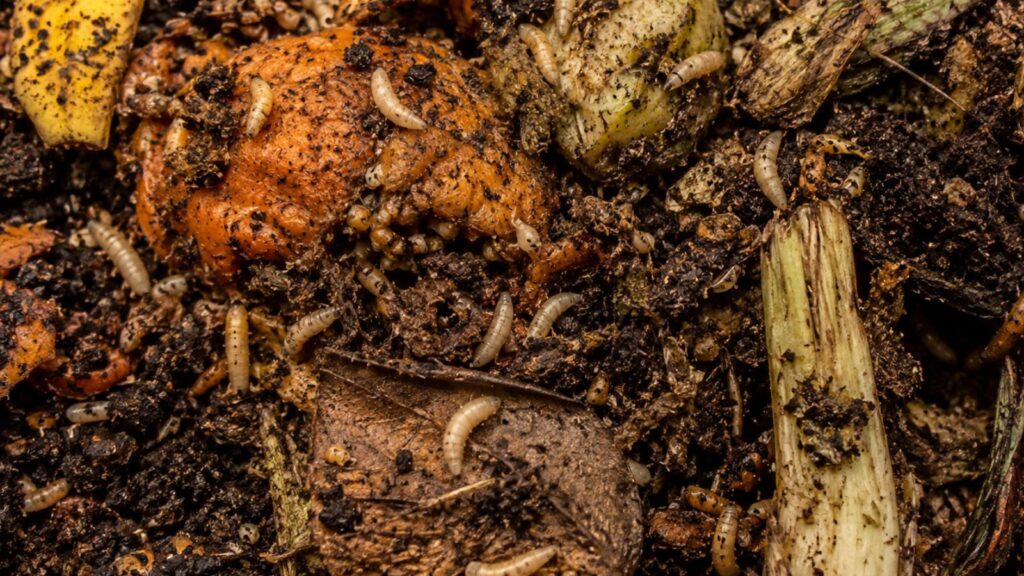
In most home compost bins, maggots are doing more useful work than their reputation suggests. That’s not a popular thing to say to someone who’s just slammed the lid and walked away. But it’s accurate. Soldier fly larvae accelerate the breakdown of high-nitrogen materials like food waste and manures. They’re not freeloaders. They’re working.
Here’s something most sources don’t mention: a well-established black soldier fly population tends to suppress common housefly activity at the same site. The two species compete for the same egg-laying spots, and black soldier flies usually dominate. A bin with BSF larvae is often less likely to develop a housefly problem than a neglected open bin without them. Counterintuitive, but one of the more interesting things about how these systems actually work.
RELATED POST: How to Grow Strawberries From Scraps
Why Maggots Can Be Useful
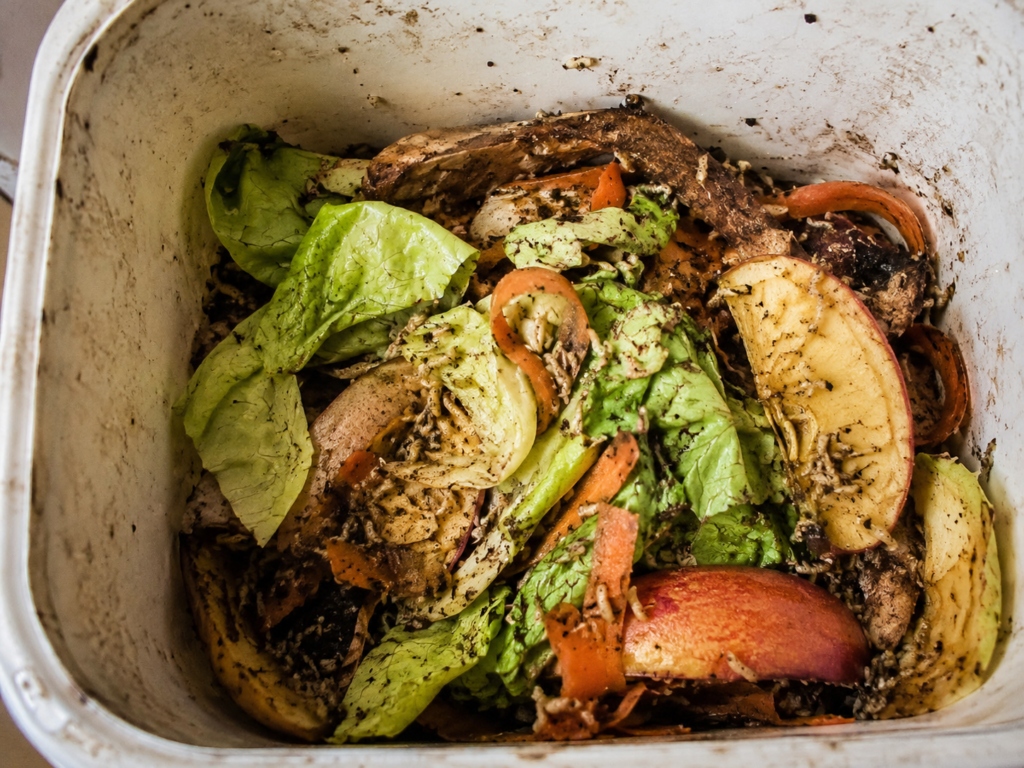
Black soldier fly larvae work fast. They consume high-nitrogen scraps at a pace microbial decomposition alone can’t match, and their movement through the heap physically breaks up clumps of wet waste, improving contact between organic matter and the microbes doing most of the composting work. When they die, they add nutrients back into the system. They’re not wrecking your compost. They’re part of it.
Some composters actively encourage black soldier fly larvae because they’re such efficient bioconverters of food waste. If your priority is turning scraps into compost as fast as possible, a reasonable number of larvae in the bin is a sign things are working well.
When Maggots Are a Warning Sign
Maggots usually become a problem when they’re a symptom of imbalance rather than a cause of it. A bin packed solid with larvae, smelling sour, and attracting clouds of flies isn’t a larva problem. It’s a balance problem. Too much wet material, not enough dry carbon. Fix the heap, and larval numbers tend to regulate themselves.
Adding meat, fish, dairy, or greasy food to a standard home bin is a different issue. Those materials attract a wider range of pests and raise hygiene concerns that go beyond the straightforward BSF question.
When Maggots Help and When They’re a Problem
How your bin looks and smells tells you most of what you need to know.
| Situation | What it usually means |
| A few maggots and an earthy smell | Normal, active decomposition. Nothing to worry about. |
| Lots of maggots but no bad smell | Very active breakdown of food waste, though you may want to adjust the balance. |
| Bin heaving with larvae and rotten smell | Too many wet greens and not enough browns. The heap needs rebalancing. |
| Maggots plus lots of meat, dairy, or pet waste | Higher hygiene concerns. Use extra caution with the finished compost. |
| Maggots make you avoid using the bin | Time to tweak the system so it works for you as well as the decomposers. |
Why There Are Maggots in Your Compost Bin
Flies find damp, nutrient-rich material fast. A compost bin full of kitchen scraps is exactly the kind of place they look for when they need to lay eggs. Once the eggs hatch, the larvae have moisture, shelter, and a continuous food supply in one place. In warm summer temperatures, populations build up quickly.
The most common cause is a wet, out-of-balance heap. Too many greens and not enough browns leaves the bin soft and soggy, which is ideal territory for larvae. Exposed food scraps sitting on the surface give flies direct access to laying sites. Excess moisture from poor aeration and easy fly access through open lids or gaps in the bin structure do the rest.
The simple rule of thumb: aim for roughly two parts brown, carbon-rich material to one part green, nitrogen-rich material by volume, and a heap that feels like a wrung-out sponge, not a wet clump. An ideal compost mix has a carbon-to-nitrogen ratio of about 25:1 to 35:1, which for home composters works out as roughly two parts browns to one part greens.
RELATED POST: Foods to Regrow From Scraps
How to Prevent Maggots in Your Compost
Prevention is much easier than managing a full infestation. The goal isn’t to sterilize the bin. You want decomposers in there. The goal is to make conditions less attractive to flies and less hospitable to large larval populations.
- Balance browns and greens. This is the single most effective thing you can do, and it costs nothing. Add dry leaves, straw, shredded cardboard, or paper every time you add kitchen scraps. Aim for roughly two parts brown material to one part green by volume.
- Bury food scraps. Cover fresh additions with a few inches of browns or partly finished compost rather than leaving them exposed on the surface. Flies need to find the food to lay eggs on it. Don’t make it easy for them.
- Skip the worst offenders in a basic bin. Meat, fish, dairy, and oily food attract a wider range of pests and cause smells in an ordinary home compost setup. A well-managed hot pile can handle them. A basic backyard bin usually can’t.
- Restrict fly access. Keep lids closed and cover large vent holes or gaps with fine mesh, I like this fine mesh from NUITY, so air can move while flies can’t.
- Turn regularly. Turning buries fresh food, breaks up wet pockets, and improves airflow throughout the heap.
- Dry the heap when it gets waterlogged. Shredded paper, dry leaves, wood shavings, or cardboard will absorb excess moisture and restore structure fast. Keep a bag of dry material next to the bin so it’s always within reach.
Reducing moisture by adding lots of shredded paper, dry leaves, or straw and keeping food waste covered makes the bin much less attractive to flies looking for somewhere to lay eggs.
For sealed bins or tumblers, a few drops of peppermint, cinnamon, sandalwood, or geranium essential oil around the outside of vents and lids can deter flies as an additional measure. It’s a minor extra, not a substitute for getting the balance right.
How to Get Rid of Maggots in Compost

The fastest way to reduce maggots in compost is to dry the heap, rebalance the brown-to-green ratio, and cut off fly access. No harsh chemicals needed. They’ll damage the microbial activity that makes compost work. Here’s what actually works.
- Add more browns immediately. Mix in plenty of shredded cardboard, paper, straw, or dry leaves to absorb moisture and bury food waste. This is always step one.
- Turn the heap more often. Frequent turning disturbs larvae, adds oxygen, and helps the compost heat up more evenly. A well-aerated pile can reach temperatures above 113°F (45°C), which larvae can’t survive. You won’t always hit that in a small home bin, but improving airflow and heat distribution still makes a real difference.
- Try food-grade diatomaceous earth. A light dusting of food-grade diatomaceous earth, like this one from Diatomaceous Earth Store, on the surface damages larvae’s outer membrane, drying them out. It’s non-toxic, organic, and won’t disrupt your compost chemistry the way lime can. Reapply after adding fresh material or after rain.
- Adjust pH carefully if needed. A light sprinkle of garden lime, I use this organic one from Down to Earth, or wood ash can make the surface less hospitable to larvae. Use it sparingly. Too much pushes the compost too alkaline and damages the overall microbial balance.
- Reduce wet inputs for a while. Pause heavy additions of food scraps until the heap regains better texture and structure.
- Move badly infested material. If one layer is especially bad, transfer it to a hotter pile or bury it deep under a thick layer of browns.
- Let chickens help. If you keep them, they’ll treat a maggot-heavy bucket like a reward. Black soldier fly larvae are a high-protein snack, and the birds go through them in minutes.
Maggots in Different Composting Systems
You can get maggots in pretty much any composting system, not just a standard outdoor bin. The same core principles apply across all of them: balance browns and greens, restrict fly access, and turn regularly.
Maggots in a Compost Tumbler
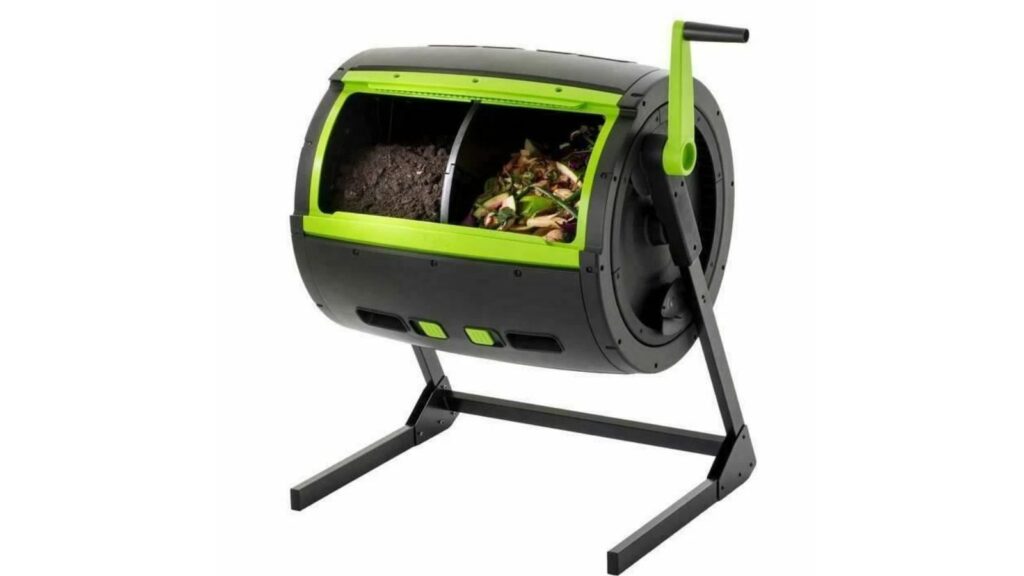
A few maggots in a compost tumbler like this one from Nazhura are usually not a problem. Tumblers tend to get wet fast, especially when loaded with kitchen scraps without enough dry material, so they typically need more browns and more frequent turning than people expect. The sealed design helps limit fly access, but once black soldier flies find a way in through a vent or gap, the warm, moist interior is ideal for them.
Maggots in a Static Heap or Outdoor Bin
In a traditional heap or outdoor bin, maggots gather near exposed food waste close to the surface. Burying scraps properly and covering them with a good layer of browns makes a significant difference. The key word is “properly.” A thin layer that gets disturbed every time you add new material doesn’t count. Cover the scraps completely, at least a few inches deep.
RELATED POST: 30 Best Cheap & Easy DIY Compost Bins
Maggots in a Worm Bin
A few larvae in a worm bin aren’t automatically a disaster, but a large population usually means the system is too wet or overfed. Vermicompost works best with more bedding, smaller food additions, and carefully buried scraps so the worms remain the dominant decomposers. A small number of BSF larvae and worms can coexist. A large BSF population will crowd worms out and make the system more acidic than worms can handle.
Maggots in Indoor Kitchen Caddies and Municipal Food Waste Bins
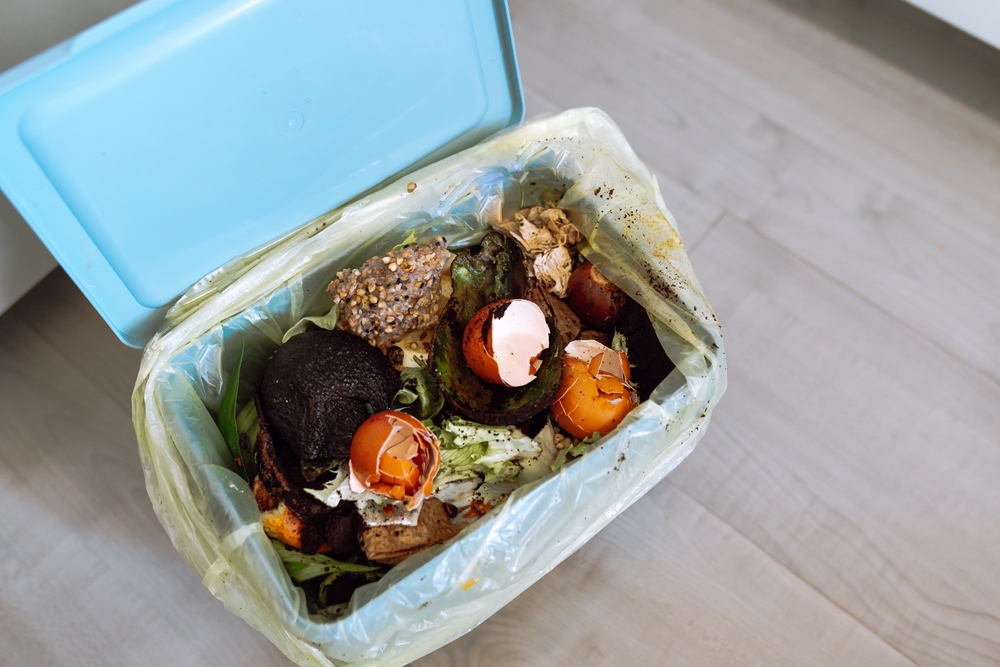
Indoor caddies and municipal curbside collection bins attract maggots for exactly the same reasons outdoor bins do. Empty them often, rinse them out regularly, and line them with paper rather than plastic so moisture is absorbed rather than trapped.
The most effective single fix for a persistent indoor caddy problem: freeze wet scraps before they go in. Citrus peels, melon rinds, meat scraps, anything very wet goes into a bag in the freezer and comes out on collection day. Flies can’t lay eggs in frozen material. If you’ve been getting maggots in your kitchen caddy every summer, this one change usually fixes it.
Is Compost With Maggots Safe to Use?
Compost that has contained maggots is safe to use once it’s fully finished and looks dark, crumbly, and soil-like. Ordinary kitchen scraps and garden waste composted in a standard home system: use it anywhere in the garden once it’s mature.
If you’ve been composting riskier materials like meat, dairy, or pet waste in a basic home bin, use that finished compost around trees, shrubs, or ornamental beds rather than directly on edible crops. Gloves on and wash your hands when you handle any compost. That’s basic hygiene whatever’s been in the bin.
Frequently Asked Questions
Are maggots in compost bad?
Not usually. In a standard garden compost bin, a modest number of maggots is nothing to worry about. The “eww” factor is real. The danger factor generally isn’t. If the heap smells fine and the material is breaking down steadily, they’re doing useful work.
Why are there maggots in my compost bin?
Adult flies found damp, food-rich material and laid eggs in it. Exposed scraps, a very wet heap, and too few browns are the most common reasons. Fix those three things and the problem usually sorts itself out.
How do I stop maggots in my compost bin?
Bury fresh scraps, add more browns, keep the heap damp rather than soggy, and make fly access harder. In most cases, those four changes are enough to bring numbers down naturally.
How do I get rid of maggots in compost naturally?
Dry browns, more frequent turning, and food-grade diatomaceous earth if needed. Shredded cardboard, paper, straw, and dry leaves absorb moisture and bury food waste. Turning disturbs larvae, adds oxygen, and can heat the pile above the 113°F (45°C) threshold larvae can’t survive.
Are maggots in my compost tumbler a problem?
Usually not, unless the tumbler has become wet, smelly, and overloaded with food scraps. Better brown-to-green balance and more frequent turning solve it in most cases.
Are maggots in my worm bin a problem?
A large population is a sign the bin is too wet or overfed. Add more bedding, reduce food for a while, and bury scraps more carefully. A small number coexisting with worms is manageable.
Can I use compost that has maggots in it?
Yes, once it’s fully finished and mature. By that stage the larvae have either moved on or broken down as part of the organic matter.
Will maggots in compost harm my plants?
No. Maggots feed on decaying organic matter, not on healthy plant roots and stems. The issue is compost balance, not direct plant damage.
Can chickens eat maggots from compost?
Yes, and they’ll be very happy about it. Black soldier fly larvae are a high-protein snack, and turning compost larvae into free poultry feed is one of the more satisfying closed loops in an organic growing system.
You Might Also Like…
The Ultimate Guide to DIY Organic Fertilizers