Affiliate disclosure: This post may contain affiliate links. Please see full disclosure.
The best way to stop pumpkins rotting before Halloween is to keep them dry, undamaged, and out of extremes of heat and cold. If you’re growing your own, a little care before harvest makes an enormous difference, too. A pumpkin with a properly hardened rind and an intact stem will last far longer than one that’s been sitting in wet soil or dragged around by its handle.
As someone who grows a substantial amount of my own food, I put much more faith in getting harvesting and storage right than in the various sprays, soaks, and coatings people recommend for keeping pumpkins fresh. A healthy pumpkin already has its own protective skin. The trick is not to ruin it.
Keep growing pumpkins off wet soil
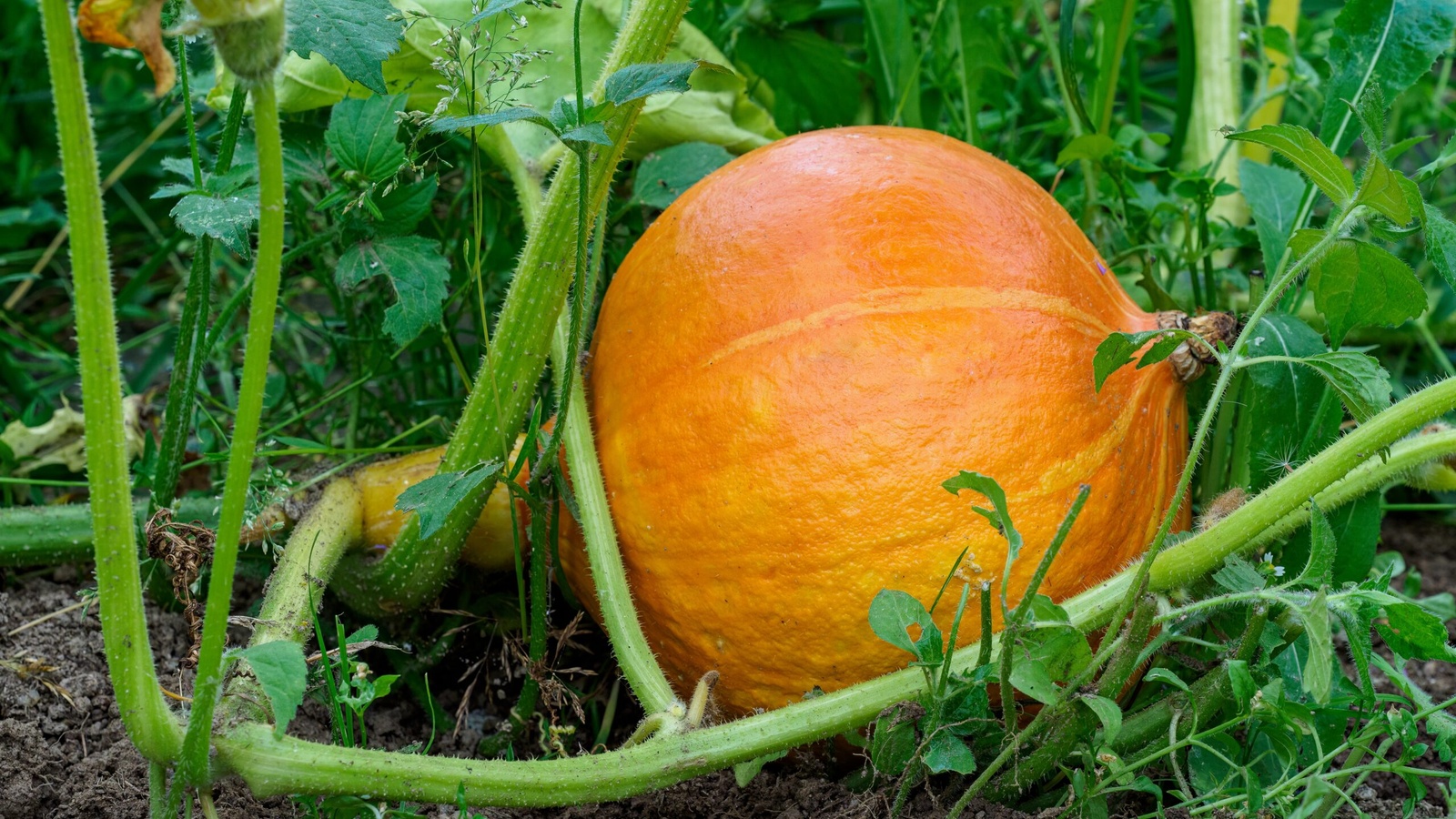
Pumpkins are particularly vulnerable where their undersides stay pressed against damp ground. It’s a problem in rainy weather, especially when heavy leaves shade the soil and prevent it drying out.
Slide a wooden board, flat tile, or other firm, reasonably dry support beneath each developing pumpkin. You don’t need anything fancy. The aim is to separate the fruit from the wet soil and make it less appealing to slugs, while still letting the pumpkin grow undisturbed. This simple step also helps prevent damage and discoloration on the underside.
Don’t keep lifting and turning an established fruit just to admire how it’s coloring up. Pumpkin stems can be surprisingly easy to damage, and every unnecessary move increases the chance of a scrape or crack. Keep watering the roots while the plant needs it, rather than repeatedly soaking the fruit itself.
Harvest when the rind is hard, but before damaging frost

A pumpkin that’s harvested immature won’t keep as well. Look for a firm, tough rind, the mature color typical of its variety, and a stem that’s starting to turn woody. Not every ripe pumpkin is bright orange, so color alone isn’t enough. A mature rind should resist a gentle fingernail mark.
Try to leave the fruit on its vine long enough to mature, but don’t sacrifice it to a run of cold, wet weather. Pumpkins that have suffered frost damage are poor candidates for storage. If temperatures are dropping or persistent rain is setting in, bring mature fruits under cover rather than gambling with them.
Cut the stem with clean, sharp pruners or a knife, leaving around 3 to 4 inches attached. Don’t snap it off, and absolutely don’t carry the pumpkin by the stem. It might look like a convenient handle, but if it tears away, you’ve opened up a place for rot to get started. Support the whole pumpkin from underneath when you move it.
Cure homegrown pumpkins before storing them
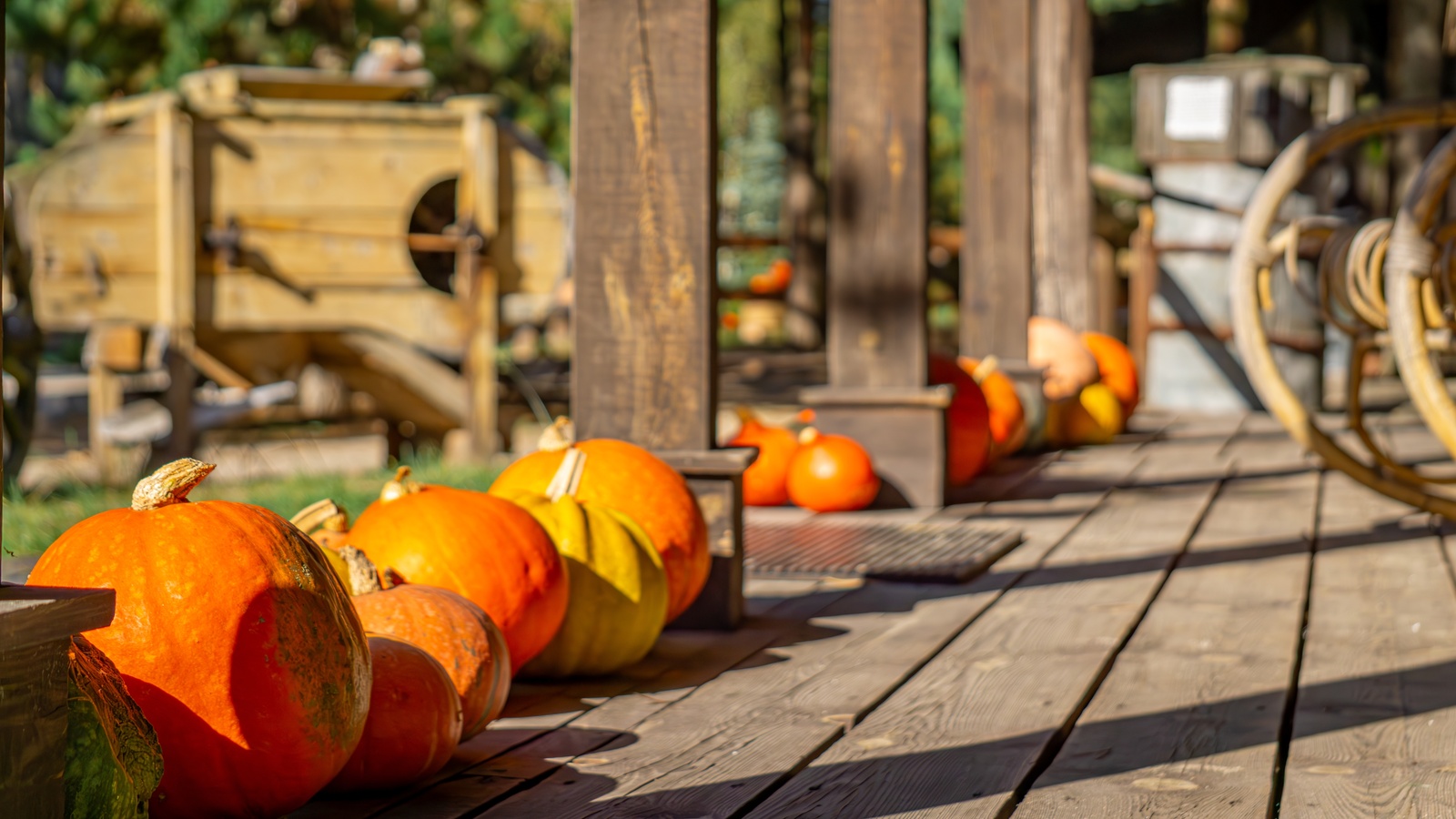
Curing gives the rind time to toughen and minor surface scratches a chance to heal. For freshly harvested pumpkins, aim for roughly 10 days somewhere warm and well ventilated, ideally around 80 to 85°F (27 to 29°C). That is a curing temperature, not a long-term storage temperature, and the distinction matters.
Warm, dry weather can make a sheltered outdoor spot workable. Otherwise, a greenhouse, covered porch, or well-ventilated outbuilding may be more realistic, provided it stays warm enough and the fruit won’t get rained on or frosted. Don’t leave pumpkins outdoors simply because it’s sunny in the afternoon if the nights are freezing.
Lay them out separately, not in a heap. Air should be able to circulate around each pumpkin. A deep bruise, wet soft spot, or split rind isn’t something curing will magically repair, so set damaged pumpkins aside for prompt use rather than expecting them to last until Halloween.
Store pumpkins somewhere cool, dry, and airy
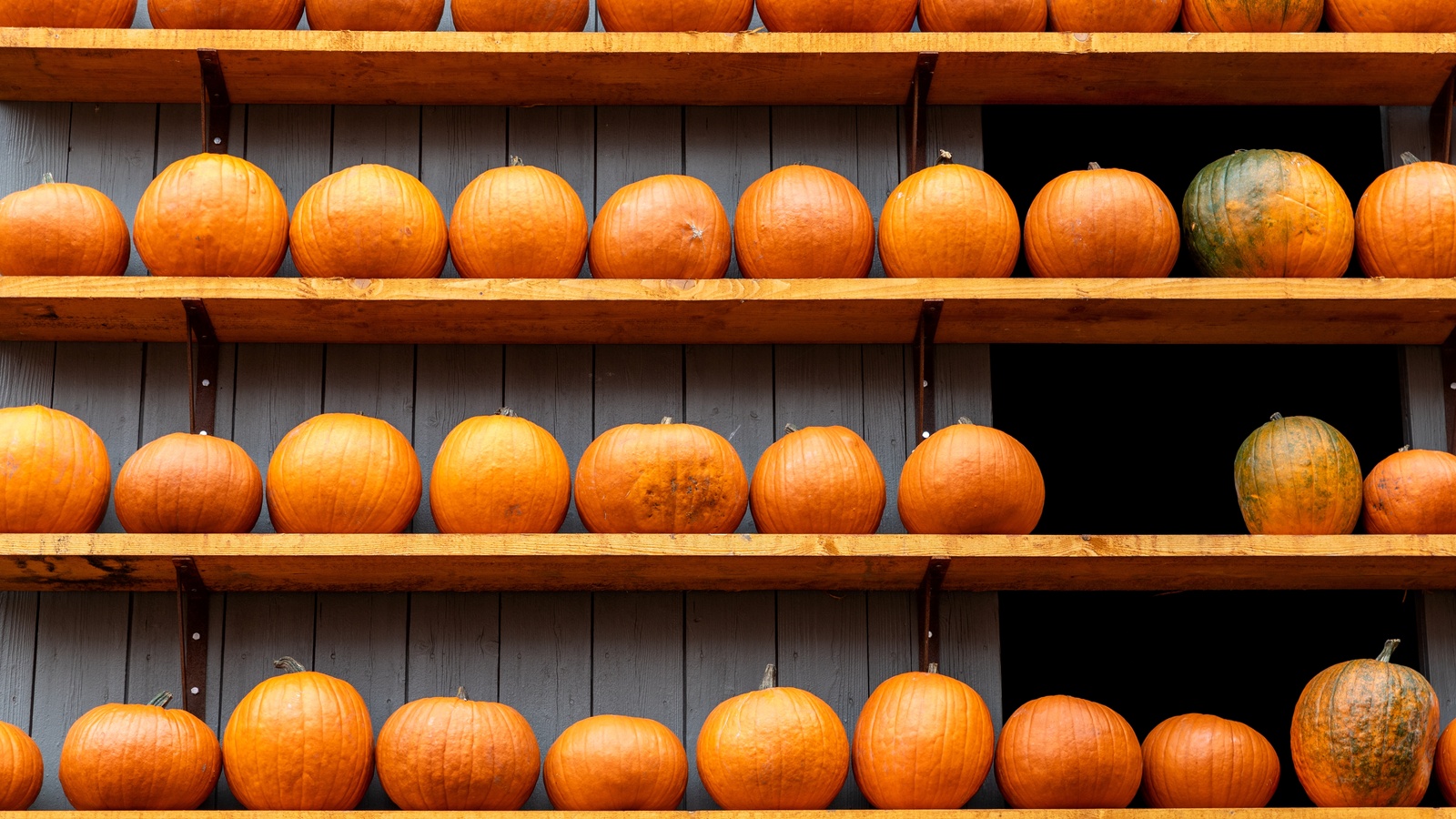
Once they’re cured, move the pumpkins somewhere much cooler. The ideal storage range is around 50 to 55°F (10 to 13°C), with moderate humidity and good airflow. A sheltered, temperature-stable garage or outbuilding may work, but only if it doesn’t freeze or become damp. The refrigerator isn’t the answer, and neither is a hot living room.
Set pumpkins in a single layer on a clean shelf, rack, or dry wooden surface, with gaps between them. Don’t pile them up or leave them on a cold, wet concrete floor. Check underneath periodically, because that’s where a hidden soft patch may first appear. If one starts to leak, soften, or develop mold, remove it immediately.
I also recommend keeping your stored pumpkins away from apples and pears. Ripening fruit gives off ethylene gas, which can shorten the storage life of squash and pumpkins. It’s an easy thing to overlook when you’re finding space for the fall harvest.
Under good conditions, sound pumpkins can keep for several months, although the variety and condition at harvest matter. For a Halloween display, you don’t need six months of storage. You need to avoid the handful of preventable problems that can destroy a pumpkin in a couple of weeks.
Keep outdoor displays out of rain and direct heat
If you’ve bought your pumpkins, choose ones with firm, unbroken skin and no sunken patches, mold, or soft spots around the stem. You can’t go back and cure a damaged store-bought pumpkin into good condition, so start with the healthiest one you can find.
For a porch display, put pumpkins somewhere sheltered from rain and strong afternoon sun, ideally on a dry bench, crate, or stand rather than directly on wet steps. Rainwater can collect in the hollow around the stem, so tip it out and dry that area after a downpour. Move the pumpkins somewhere protected if frost is forecast.
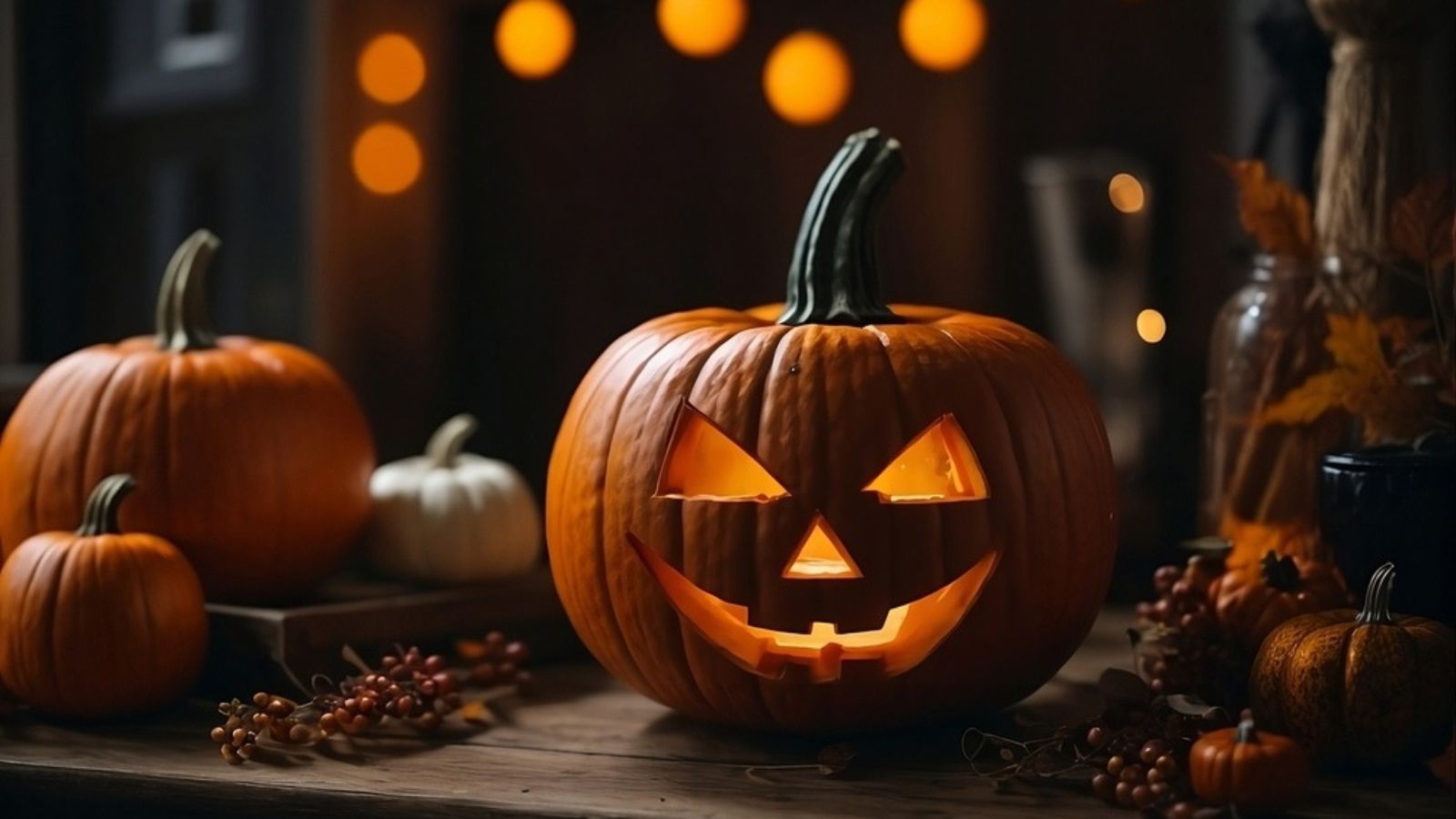
And if you’re planning to carve them, leave that job as late as reasonably possible. An uncut pumpkin has its protective skin intact. Once you cut through it and expose the moist flesh, decay happens much faster. For an early-season display, I’d decorate the outside without piercing the rind, then save the actual carving for just before Halloween.
Skip the temptation to spray perfectly healthy pumpkins with a succession of homemade potions. Good drainage, careful handling, curing, and sensible storage do most of the work. It’s less mess, less waste, and a much better use of your time.