
Affiliate disclosure: This post may contain affiliate links. Please see full disclosure. AI-assisted.
A hole beneath your shed or a trail disappearing under the deck could belong to a skunk, raccoon, opossum, groundhog, rat, or fox. The quickest way to narrow it down is to combine the entrance size with fresh tracks, disturbed soil, droppings, smells, and the time of day the animal moves about. One clue alone rarely tells the whole story.
And in winter, a quiet entrance doesn’t necessarily mean an empty one. Some animals slow down dramatically or spend long periods tucked away during cold weather. My first rule with wildlife around a homestead is simple: identify the visitor before you try to move it, and never seal a space until you’re certain nobody is inside.
Start with the entrance, but don’t trust the hole alone
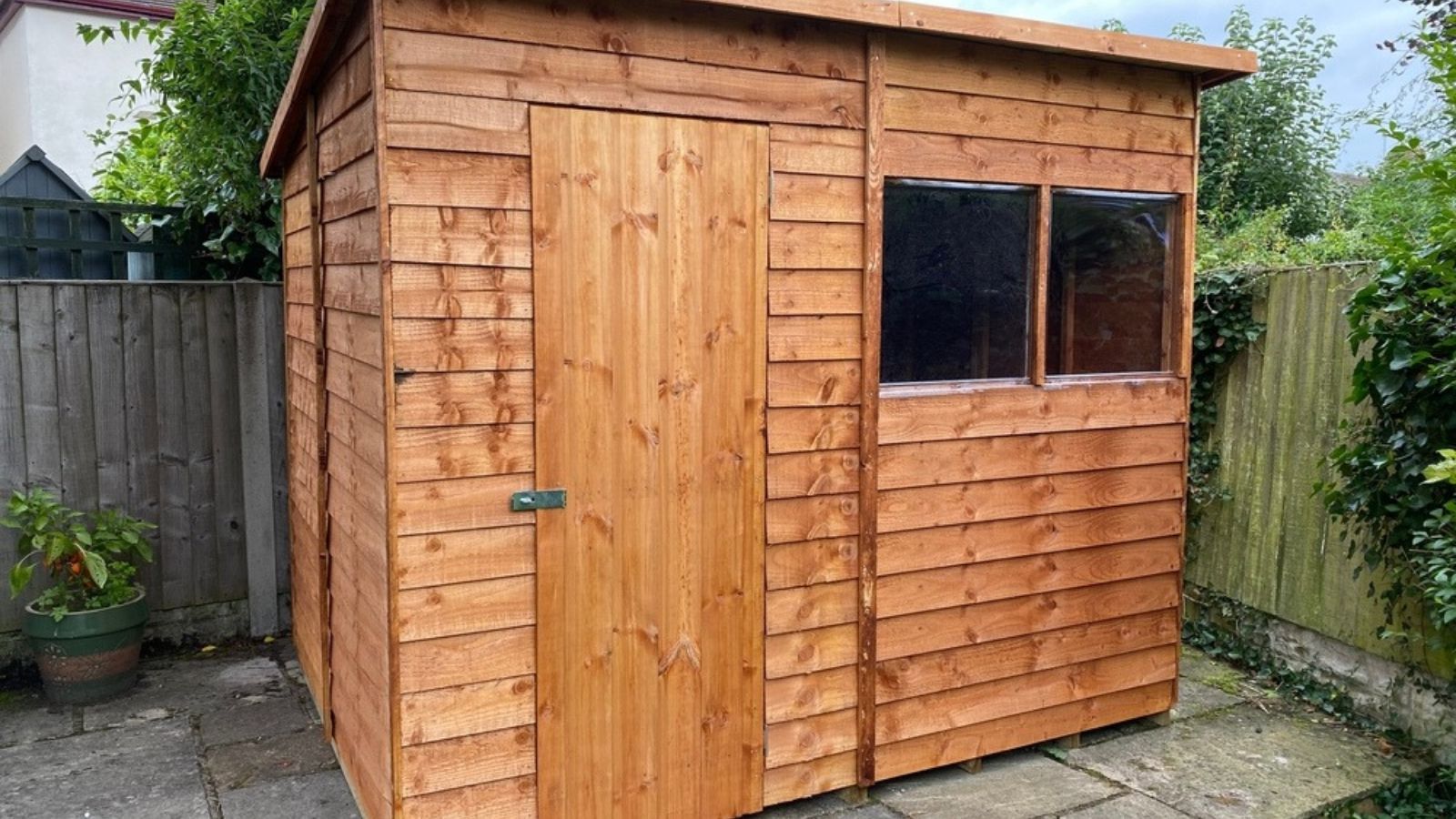
Look around the entire outside edge of the structure in daylight. Check gaps behind lattice, under steps, and where the shed floor meets the ground. A fresh mound of soil, flattened grass, or a well-worn path gives you more to work with than a hole on its own. Stand back rather than kneeling with your face at the entrance.
As a rough guide, openings less than an inch wide may be used by mice or voles; holes around 1 to 2 inches suggest chipmunks; and gaps around 2 to 3 inches can suit rats. Larger openings, over about 3 inches, leave a much wider field, including skunks, raccoons, opossums, groundhogs, cats, and foxes. These are identification starting points, not exact species measurements. An animal may squeeze through an existing gap rather than dig its own.
Now look at the soil. A broad entrance with a noticeable pile of excavated earth suggests an active digger. A neat gap with little loose soil could be a sheltered resting place adopted by an animal that didn’t do the digging. Burrows also get reused, so the creature you see today may not be the one that made the hole.
Match the signs to the likely animal

Skunks: musk, small lawn diggings, and nighttime visits
Skunks can dig dens beneath sheds and decks, particularly where the space is dark and protected. A strong musky smell raises suspicion, but it doesn’t prove there’s a skunk under that particular structure. A skunk could have sprayed in the yard, or a dog may have brought the odor closer to the house.
Look for small, shallow feeding holes in the lawn where an animal has been searching for insects and grubs. Skunk tracks show five toes and often visible claws. They’re mainly active after dark. If you suspect one, keep dogs well away and don’t test the theory by poking into the entrance. That’s a rather efficient way to get sprayed.
Raccoons: hand-like tracks and larger, messy evidence
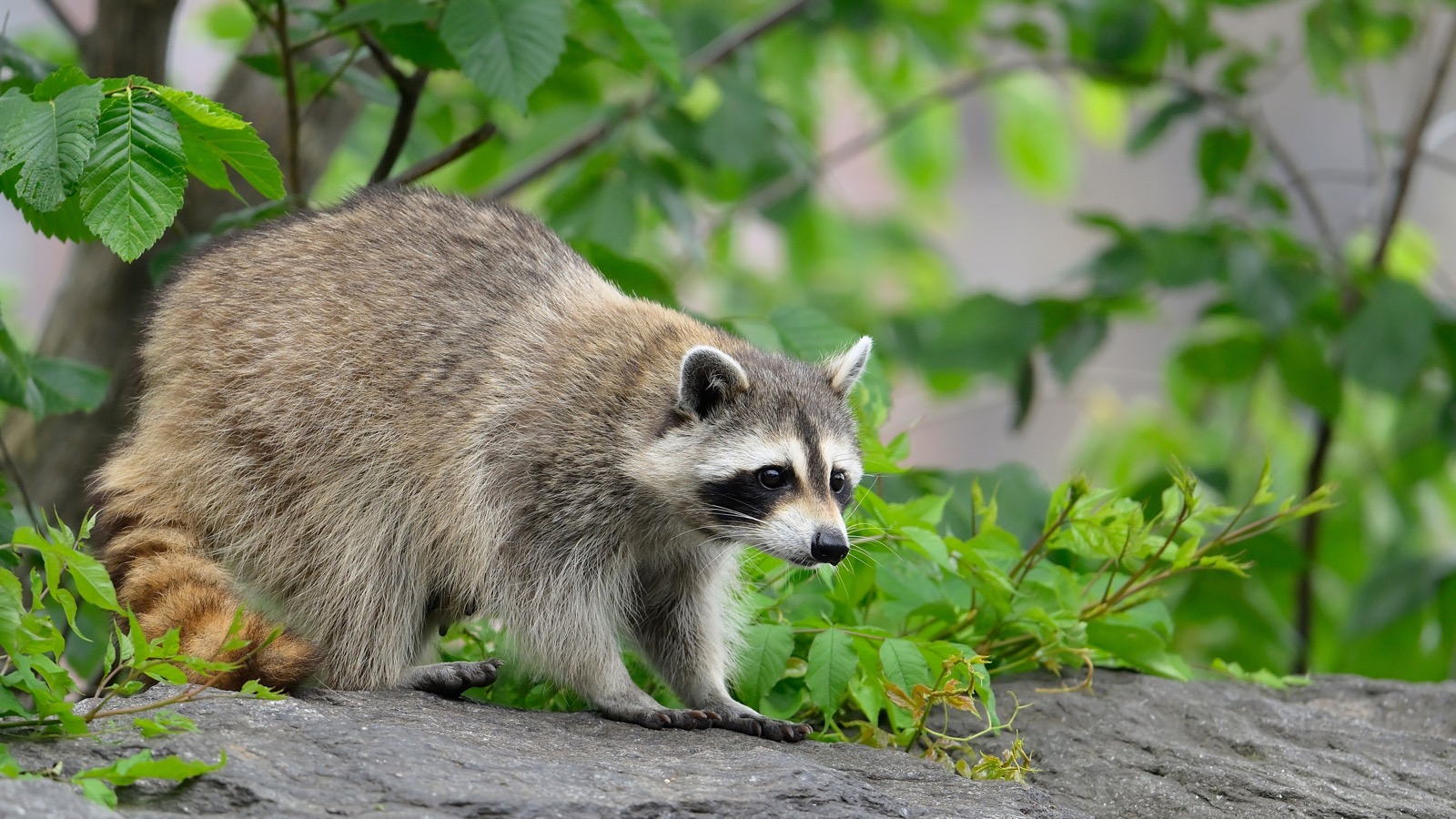
Raccoon footprints are distinctive when the ground is soft enough to show them: five long toes can make the front print look like a small hand. You may notice heavier movement at night or repeated trips between the structure and food sources such as unsecured trash or pet food.
Dark, tubular droppings, sometimes with seeds or other food remains, can be another clue. Raccoons may use repeated toilet sites, including on decks, and their feces can contain roundworm eggs that are dangerous to people. Photograph droppings from a distance, keep children and pets away, and don’t handle them to get a closer look.
Opossums: nighttime shelter without much fresh digging
An opossum may simply use an existing cavity beneath a porch or shed rather than excavate a major burrow. If there’s regular nighttime movement but hardly any fresh dirt, it’s one possibility. The clearest identification is a photograph showing the pointed face, grayish body, and long, mostly hairless tail.
In a clear track, an opossum’s hind foot can show a thumb-like toe set away from the others. They can leave droppings much like other medium-sized mammals, so scat alone is a poor way to call this one. A shelter may be used temporarily rather than occupied every night.
Groundhogs: big burrows, spoil piles, and daytime activity
Groundhogs, also called woodchucks, are serious diggers. A relatively large entrance with excavated soil near the shed or deck, especially alongside nibbled garden plants, puts them high on the list. They are typically active by day during the warmer months.
Winter changes that clue dramatically. Groundhogs hibernate through much of the cold season in many parts of their range, so a burrow can be occupied without fresh tracks or visible movement for a long stretch. Don’t fill or block a suspected groundhog den just because the entrance looks undisturbed in January.
Rats and mice: small openings, runways, and gnawing
Rodents can use a deck void as cover and move between it, nearby storage, and sources of feed. Look for small burrow openings, narrow paths through vegetation, gnawed material, and pellet-shaped droppings. Mice and rats may make light scratching or scurrying sounds, but sound doesn’t tell you which species you have.
This matters particularly if you keep poultry or other livestock. My first check would be spilled feed, open feed sacks, birdseed, and gaps around the shed itself. Droppings and gnaw marks are useful signs of rodents, although old signs don’t prove they’re still present. Don’t sweep or vacuum suspected rodent waste: wet-cleaning precautions reduce the risk of stirring contaminated material into the air.
Foxes: a larger den and a distinctive visitor
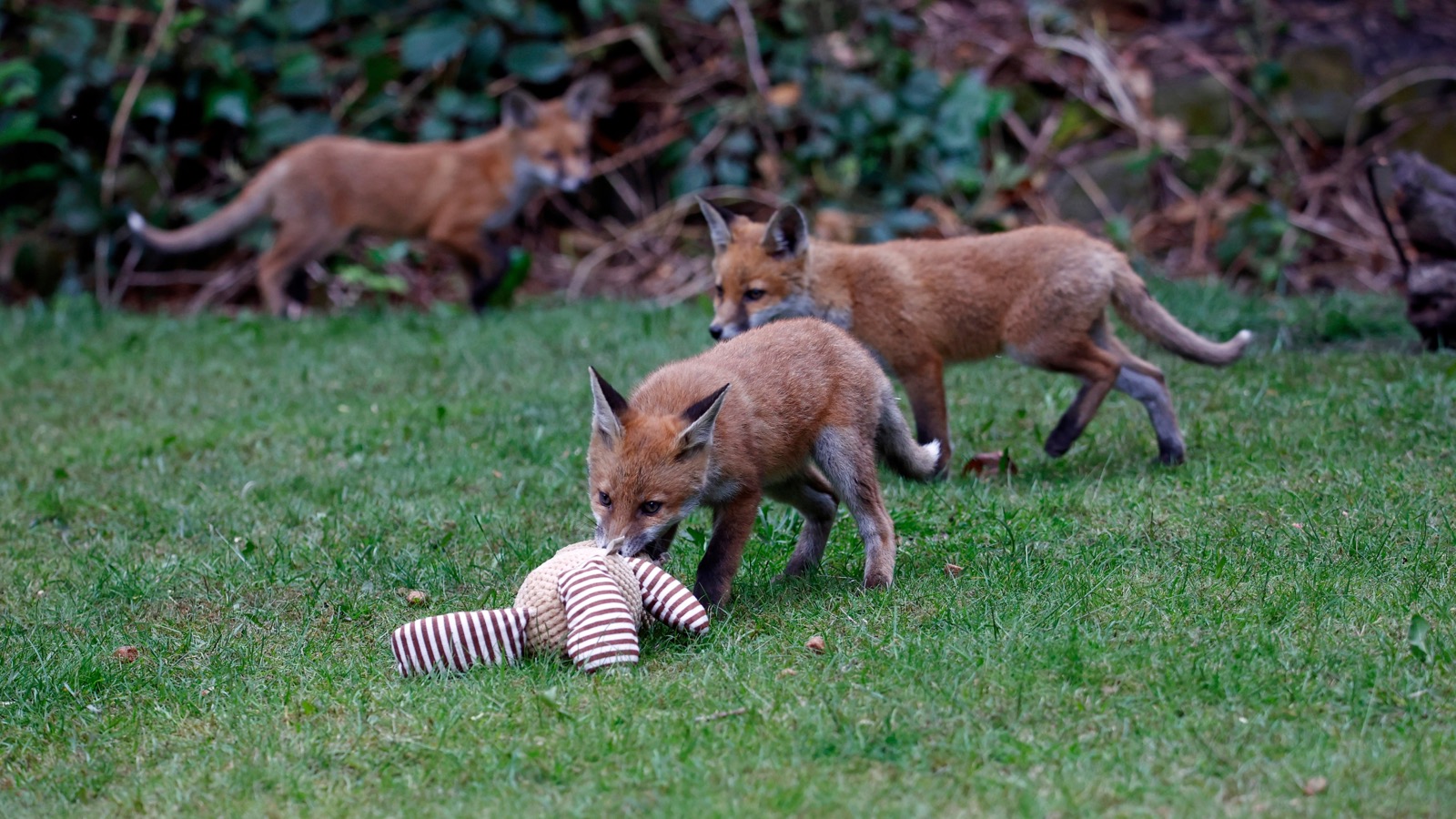
Foxes sometimes use sheltered spaces beneath structures as dens. Watch for repeated movements at dawn, dusk, or overnight, tracks with four toes and claw marks, and a route through the garden. If the animal is visible on camera, its pointed muzzle and bushy tail make the identification much easier than a hole measurement.
A fox seen in the yard isn’t necessarily living beneath your deck. It may just be passing through. If you notice regular food deliveries, repeated visits to one entrance, or calls from young, treat it as a potentially occupied family den and don’t interfere.
Use tracks and timing to confirm your suspicion
You don’t need to crawl into a damp, cramped space to investigate. Take a photo of the entrance from a safe distance and place a ruler or another familiar object nearby only if you can do so without approaching a possibly occupied opening. Record where fresh soil appears, whether there are multiple entrances, and any tracks in mud or snow.
When the ground is dry, a light dusting of flour on an open patch along an established route can help footprints show up, provided you aren’t putting it inside the den or trying to obstruct access. Track shape, soil disturbance, and droppings work best when considered together. Rain, melting snow, and pets can erase or confuse the evidence.
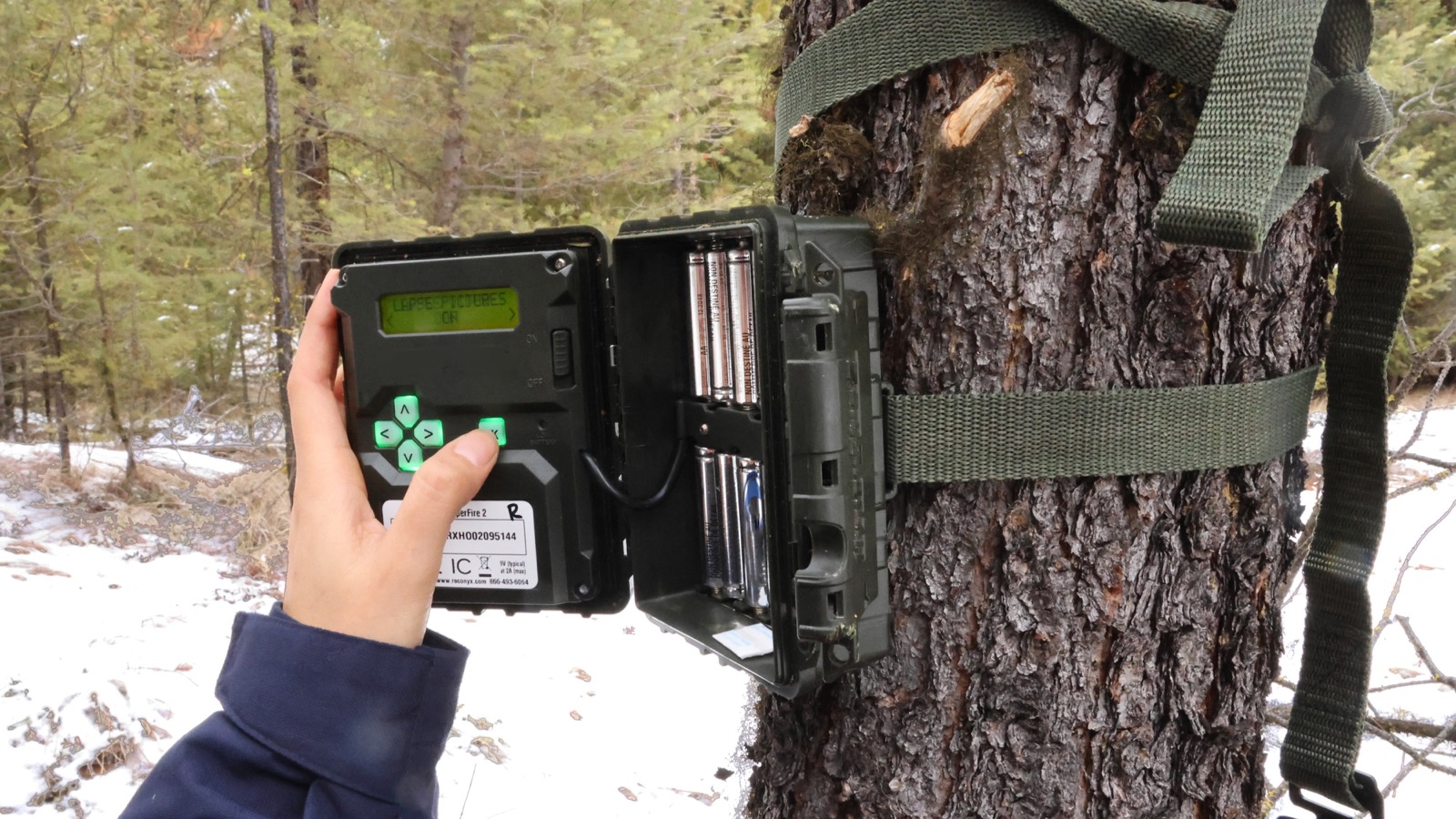
A motion-activated trail camera aimed across the entrance is often the least intrusive way to solve the mystery. Set it at a sensible distance, without a flash or light shining directly into a suspected den, and review several nights rather than assuming nothing is there after one quiet evening. Note the time of each sighting, but remember that hungry, disturbed, or weather-affected animals don’t always follow tidy schedules.
Winter is especially deceptive. Skunks and raccoons can remain sheltered during severe weather; opossums may limit their movements; and hibernating groundhogs can go unseen for extended periods. If your evidence is inconclusive, leave the opening alone.
Decide whether the animal actually needs to leave
Not every animal beneath a deck is an emergency. A temporary visitor that isn’t damaging the structure or posing a problem may be better left undisturbed. From a permaculture perspective, I prefer to solve the actual conflict rather than automatically declare every wild neighbor a pest. The ground rules are different if animals have access to living spaces, electrical wiring, stored feed, or an area regularly used by children or pets.
Keep people and pets away from a suspected den, particularly in breeding season. Never reach inside, release a dog to flush an animal out, flood the burrow, smoke it out, or set poison. If an animal seems injured, unusually aggressive, unsteady, or unable to leave, contact local animal control or a qualified wildlife rehabilitator rather than approaching it.
If there’s any chance young are inside, don’t install a one-way door. A mother may be able to exit while her offspring remain trapped. Even a properly fitted one-way door is unsuitable unless you’re certain there are no dependent young, and the right method varies by species. Late fall and winter aren’t automatically safe eviction windows either, because an inactive animal may still be inside.
Exclude wildlife only after the space is genuinely empty
Once you have identified the species, checked local and state wildlife rules, and established that every animal has left, repair access rather than relying on a temporary scare tactic. If you’re uncertain, ask a humane wildlife-control professional to check, including for young or hidden secondary entrances. Trapping and relocation rules vary by state and species.
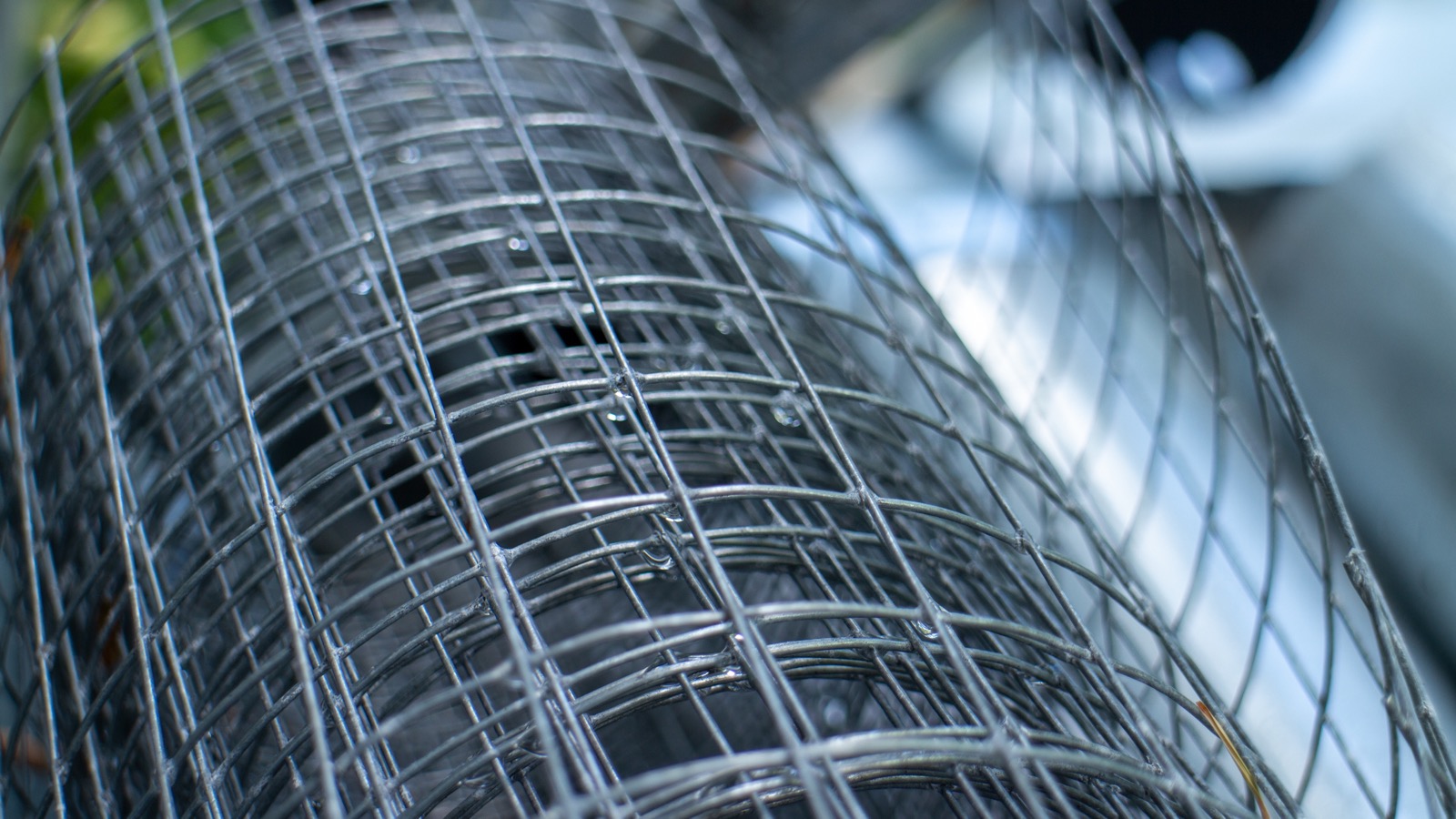
For many decks and sheds, galvanized hardware cloth fixed securely to the structure and turned outward beneath the soil can prevent digging back under the edge. A practical design uses 1/4- or 1/2-inch mesh, a few inches buried vertically, and an outward apron at least 12 inches wide. Call your utility-locating service before digging, avoid creating drainage or ventilation problems, and get structural advice if soil has been removed beneath footings.
Then remove the reasons the spot was attractive. Secure trash, store animal feed in rodent-resistant containers, clean up spilled seed, and cut back dense cover immediately against the structure where appropriate. You don’t need to strip the whole yard of wildlife habitat. A brush pile or untidy corner farther from buildings can still support useful creatures without putting them under your floor.
Finally, watch the repaired area for renewed digging or signs of an animal trying to get in. Persistent frantic attempts to reenter are a reason to stop and reassess, not to reinforce the barrier. The right outcome is an empty, secure space beneath the shed and wildlife still able to go about its business somewhere more suitable.
You might also like…
Must-Have Tools That Will Make or Break Your Homestead Dreams
What Should You Do With Your Garden In the Fall? 20 Essential Fall Gardening Tasks

