
Affiliate disclosure: This post may contain affiliate links. Please see full disclosure.
Keep a portable space heater at least 3 feet away from anything that can burn, plug it directly into a wall outlet, and turn it off whenever you leave the room or go to sleep. Those are the rules that matter most. A heater with tip-over protection isn’t permission to park it beside the sofa, and a thick extension cord doesn’t make a power strip safe for a high-wattage appliance.
A small heater can make a chilly home office or living room much more comfortable without heating the whole house. I understand the appeal of getting useful warmth from one appliance instead of turning the central heating up everywhere. But I wouldn’t trade a little convenience for a fire risk, particularly around pets, children, trailing blankets, and crowded rooms. The safest place for a heater is often a little less convenient than the spot people first choose.
Keep a full 3 feet between the heater and anything combustible
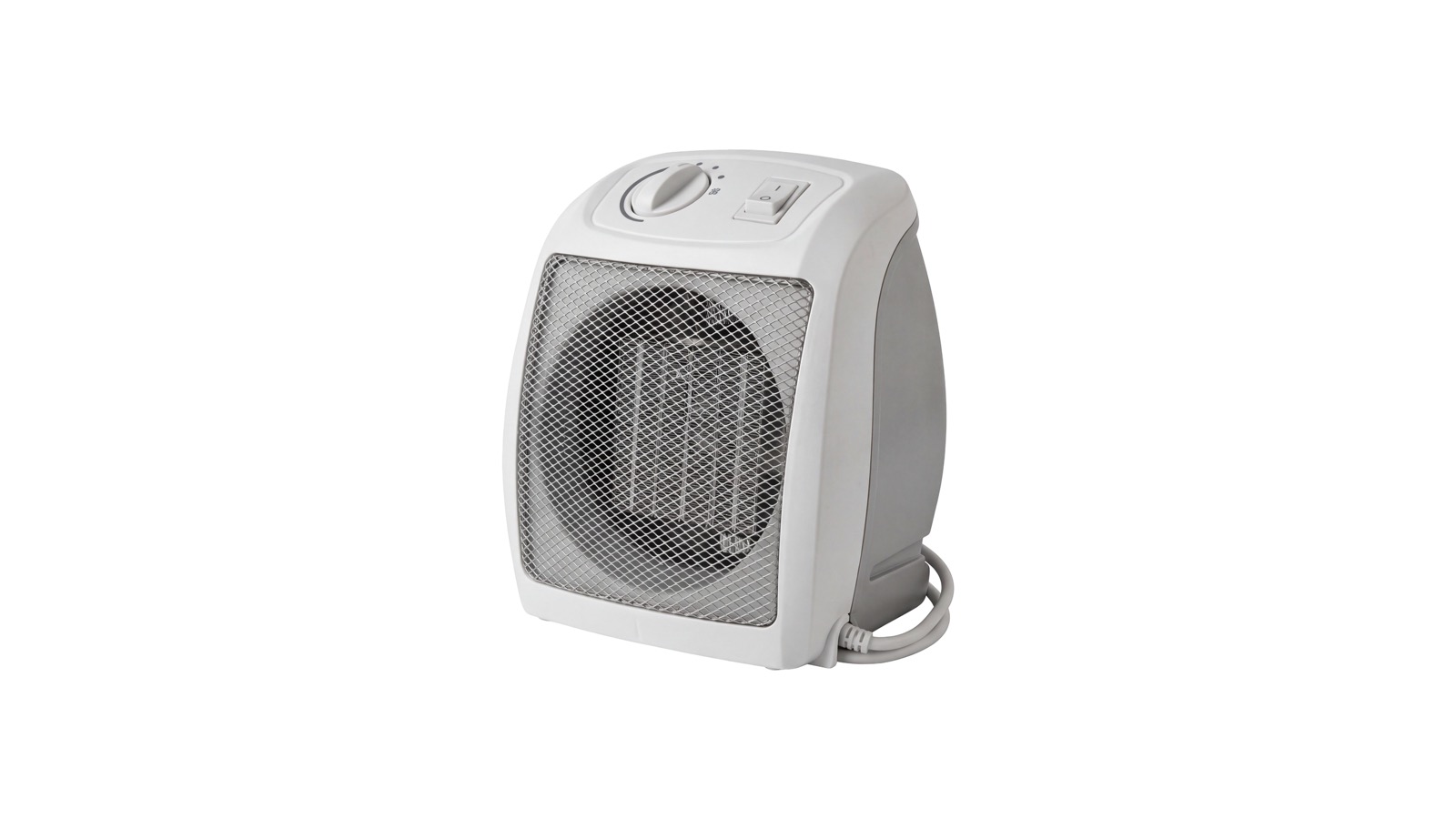
The 3-foot clearance rule applies to furniture, curtains, bedding, clothing, papers, and anything else that could catch fire. That’s a minimum of 36 inches of space, not a suggestion to leave a hand’s width between the heater and the couch. The same clearance applies around portable electric heaters, and the manufacturer’s instructions may require more space in particular directions.
Look at what could move into that space after you switch the heater on. Curtains swing, a comforter slips off the bed, a dog knocks over a throw, and children drag toys across the floor. A heater that was safely clear at breakfast can be hemmed in by lunchtime. Check its position every time you use it, not just when you first bring it home.
I also wouldn’t put a heater where someone has to squeeze past it to reach a doorway. Leave exits and walkways open. If a room simply can’t accommodate the clearances, use another way of warming it. Trying to force a heater into an unsuitable corner is a poor bargain.
Plug directly into the wall, never an extension cord or power strip
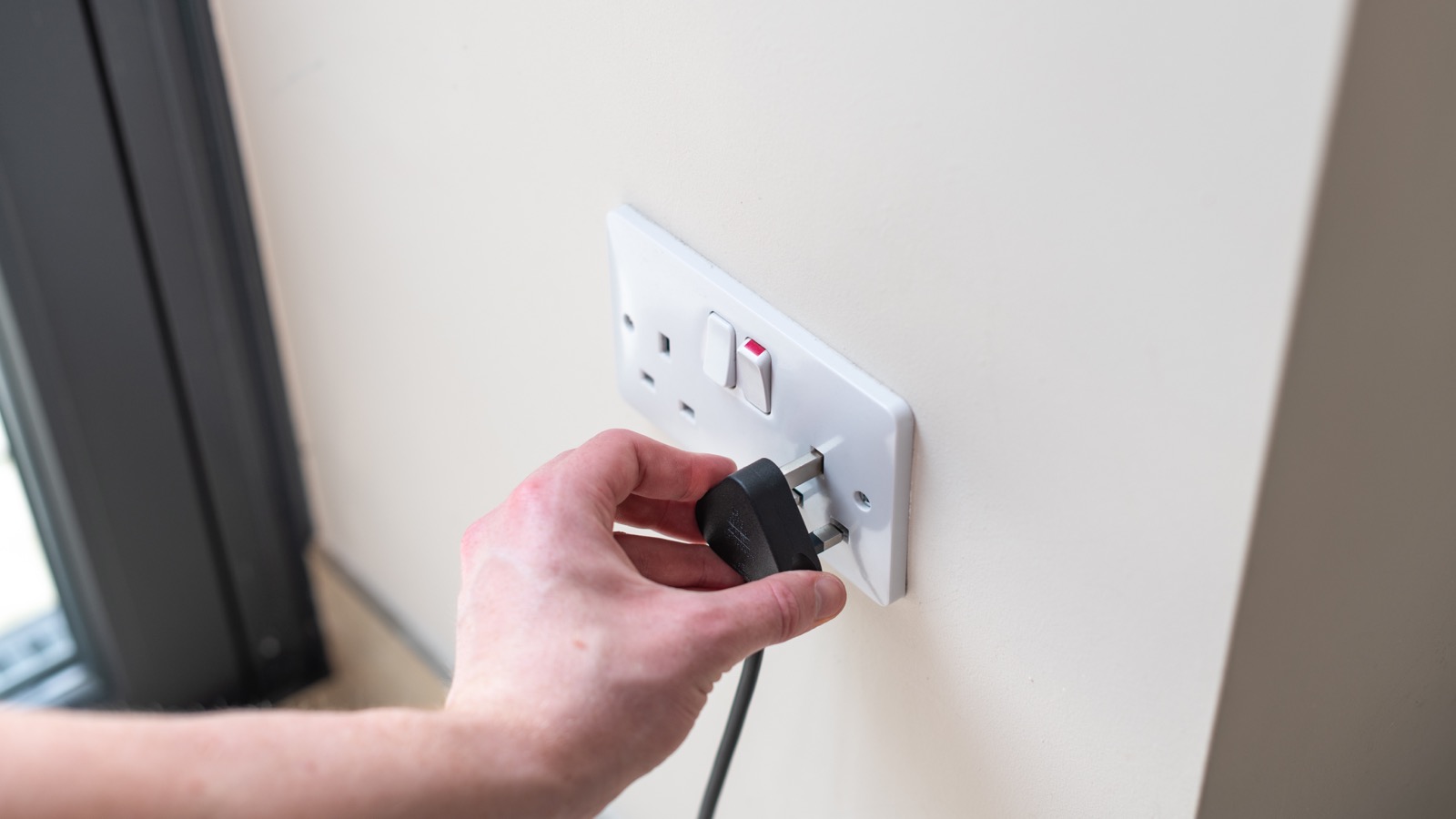
An electric space heater draws substantial power, and an overloaded or poorly connected extension cord or power strip can overheat. Plug electric heaters straight into a wall outlet, not an extension cord or power strip. That includes power strips advertised as heavy-duty and extension cords that look thick enough for the job.
If the built-in cord won’t reach the outlet while leaving the required clearance around the heater, move the heater or use a different room. Don’t join cords, use a plug-in adapter to squeeze in more appliances, or run a cable across the room and cover it with a rug. A longer cord is not a solution to poor placement.
Keep the cord visible, away from hot surfaces, feet, and furniture legs. Inspect the cord and plug for cracks or other damage before use. Don’t trap the cord beneath carpeting or place a sofa leg on it to keep it out of sight. Those fixes hide trouble rather than preventing it.
Avoid sharing the outlet with another high-draw appliance. If the plug feels hot, fits loosely, shows discoloration, or the outlet smells burnt, stop using the heater. Switch it off and unplug it if it’s safe to do so, then have the outlet checked by a qualified electrician. Repeated breaker trips are another reason to stop and investigate, not to keep resetting the breaker.
Buy tip-over and overheat protection, but don’t rely on them alone
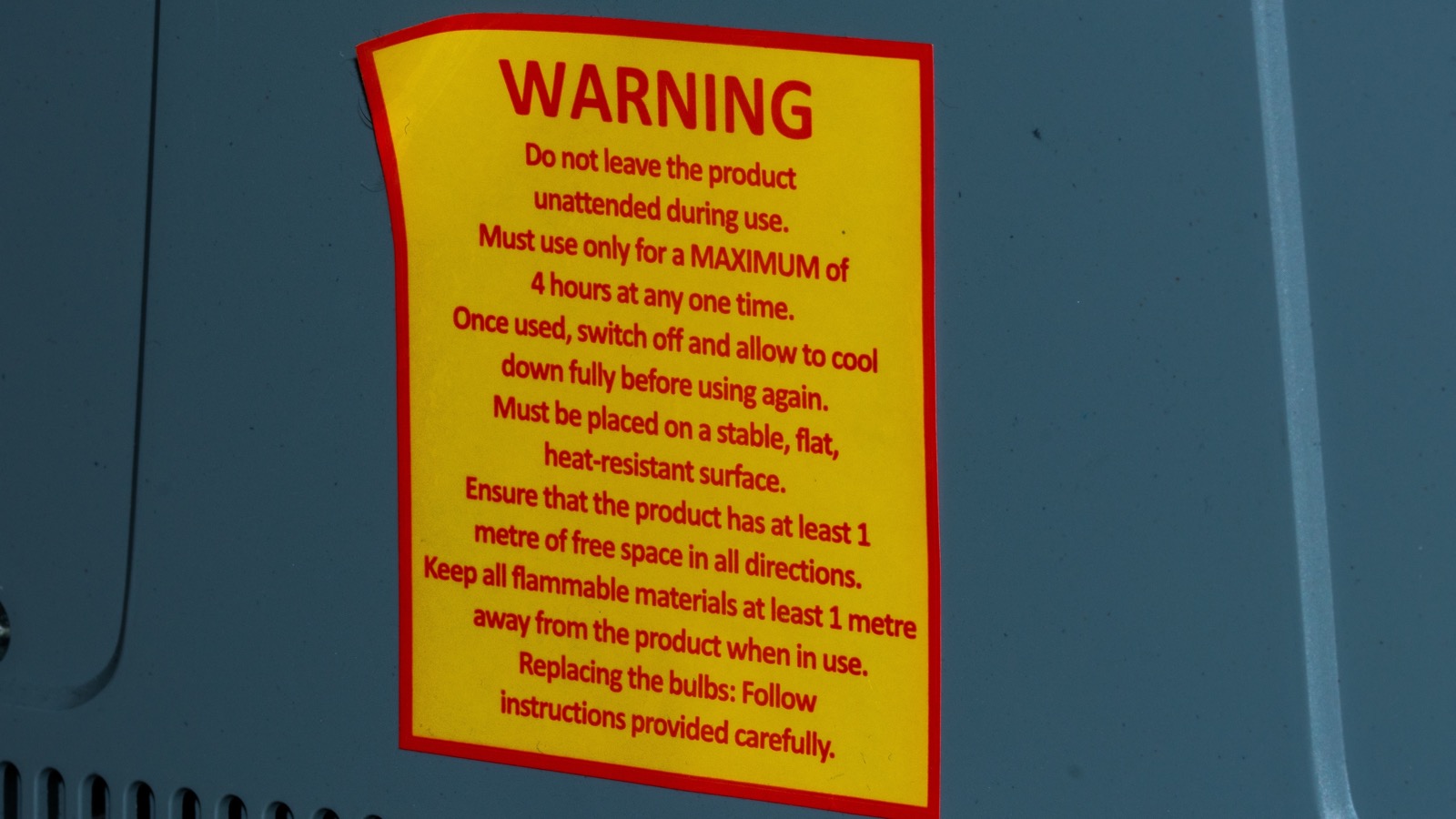
For a new portable electric heater, I would insist on a recognizable independent safety certification, automatic tip-over shutoff, and overheat protection. The portable-heater safety checklist includes all three, along with a thermostat.
A tip-over switch is designed to cut power when the heater falls or tilts enough to trigger its mechanism. Overheat protection responds to excessive internal temperature. Neither feature can reliably detect a curtain hanging near the heater or a cord being crushed under furniture. They’re backups for something going wrong, not replacements for clearances and supervision.
Look for a legitimate certification mark from a qualified testing laboratory and check the exact model rather than relying on vague ‘safety tested’ marketing. Read the manual to understand where the heater may be used and how its protective features operate. If a safety feature doesn’t work, or a heater repeatedly trips its thermal protection, stop using it. I wouldn’t bypass a switch or attempt a home repair on a suspect heating appliance.
Set it on a solid, level floor where it can’t be knocked over
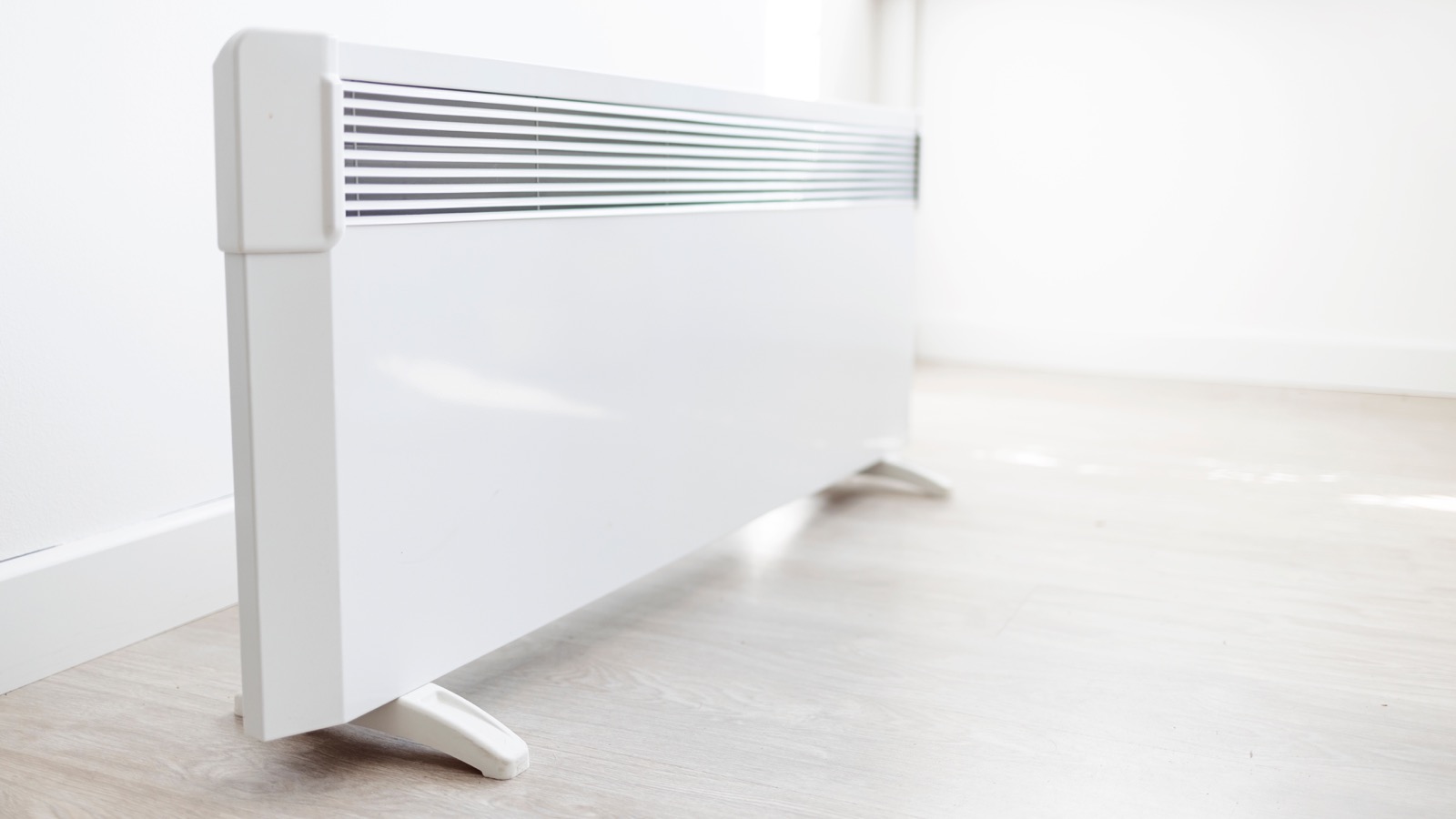
Put a freestanding heater on a stable, flat, hard surface, with its feet fully supported. A solid, flat surface and a cord kept clear of combustibles are basic heater-safety requirements. Avoid beds, sofas, tables, shelves, soft rugs, and unstable stools. A heater perched up high isn’t necessarily warming the room better, and it adds a much more serious fall hazard.
A thick carpet may obstruct airflow or make a heater unstable even if it seems sturdy underfoot. Follow the model’s instructions about flooring and clearance beneath the unit. Never wedge cardboard, a folded towel, or a book under one foot to stop it wobbling. If it won’t stand securely, it doesn’t belong in that spot.
Think about ordinary movement in the room. A dog can brush a cord, someone carrying laundry may not see a heater by the doorway, and a child’s toy can roll into the hot zone. Keep children and pets away from operating heaters, and put the appliance where nobody is likely to trip over it or knock it over.
Turn it off and unplug it when you leave or sleep
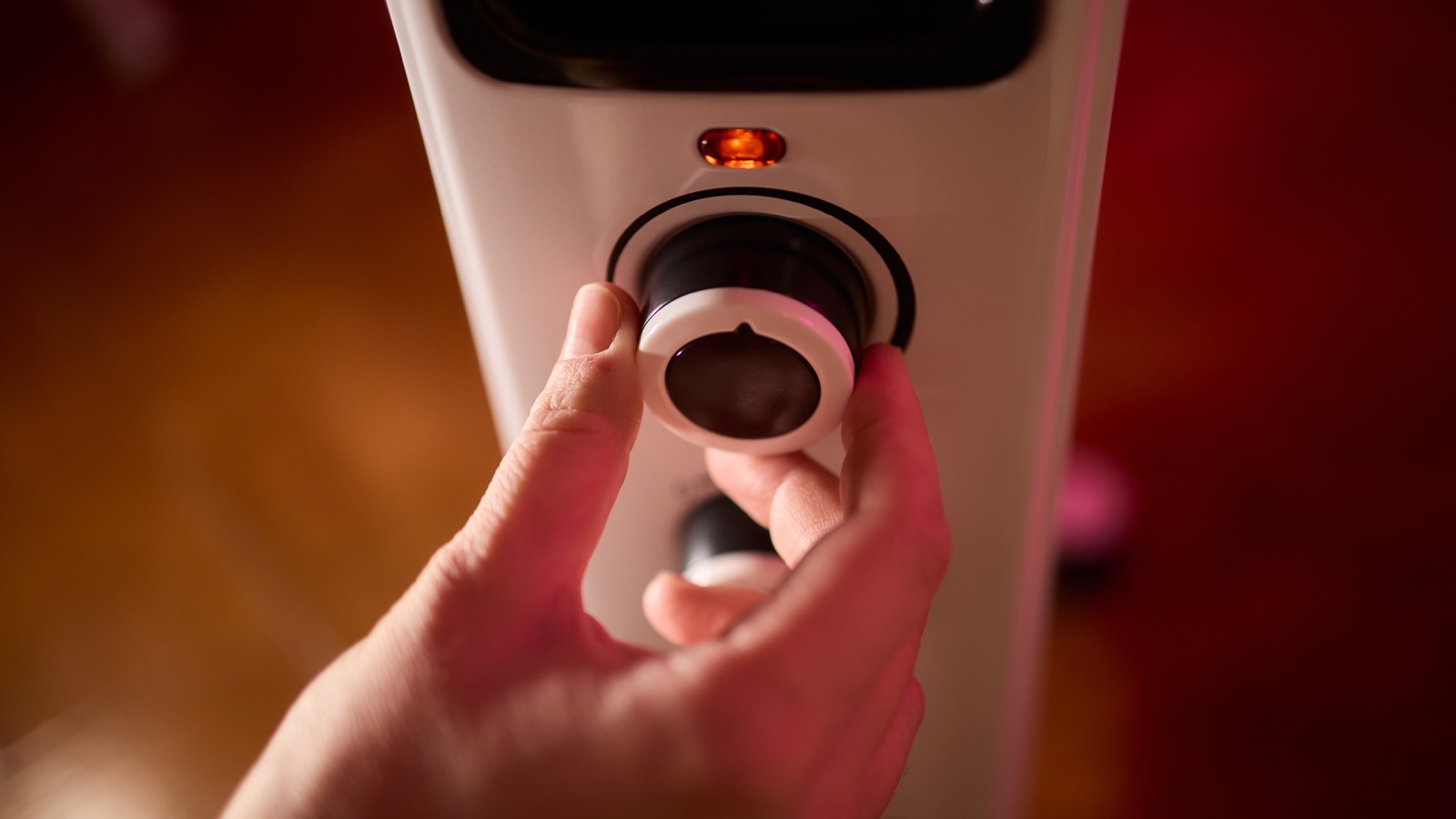
A portable electric heater is for warming a room while you’re present and awake. Turn it off when you leave the room or go to bed. The portable-heater checklist also calls for unplugging it at those times.
The temptation is obvious on a freezing night: leave it running on low, close the bedroom door, and wake up to a warm room. Don’t. A thermostat only controls temperature; it can’t guarantee that the heater will remain clear of bedding, pets, or a damaged electrical connection while you’re asleep. A timer isn’t a substitute for switching it off before bed.
If you routinely need extra heat through the night, look at improving bedding, drafts, and the main heating arrangements instead of treating an unattended portable heater as a permanent heating system. For households with older adults, infants, or anyone who may struggle to move away from heat or respond to danger, unattended heating deserves particular caution. Portable heaters can also create dangerous overheating conditions for vulnerable people.
Don’t use it to dry clothes or warm a damp room
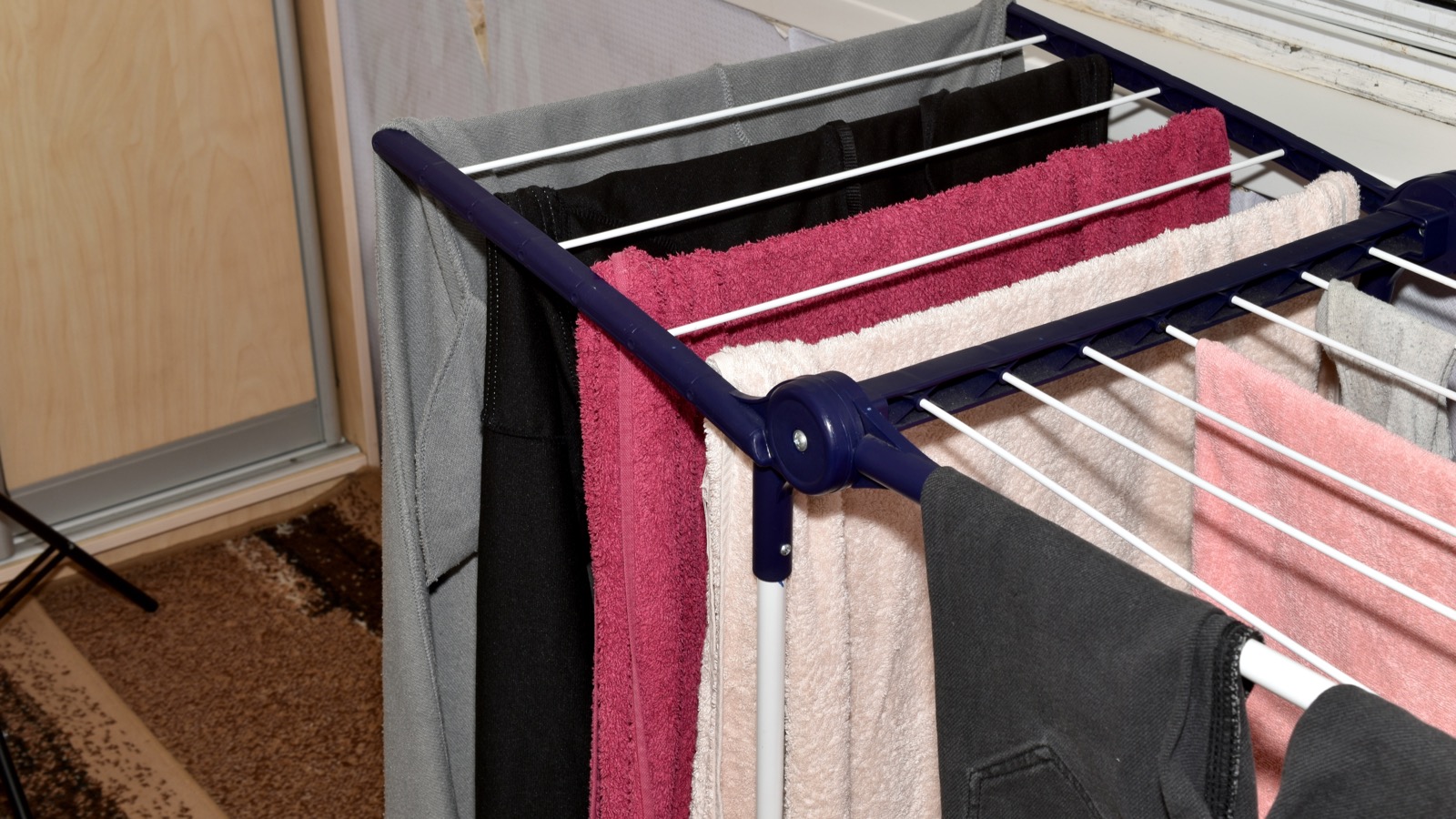
A heater is not a clothes dryer. Hanging damp socks on the grille, draping a towel over the body, or positioning it close to a laundry rack puts fabric in the heat path and may obstruct airflow. The 3-foot combustible clearance still applies when you’re tempted to hurry a load of washing.
Keep portable electric heaters away from sinks, baths, and other wet areas unless the manufacturer explicitly designs and rates the model for that environment. Stable placement and careful electrical use matter all the more where splashes, wet hands, or condensation are possible.
If a room is damp, heating it may make it feel more comfortable but won’t remove moisture. Address ventilation, leaks, or humidity separately. And don’t take a portable electric heater outside, into a wet shed, or into a garage with gasoline, solvents, or other flammable materials unless the model is specifically approved for that use.
Check the heater before the first cold spell and throughout winter
Before plugging in a heater that’s been stored since last winter, inspect its grille, housing, cord, and plug. Check for dust buildup, cracks, loose parts, and blocked air passages. Clean it only as the manufacturer directs, with the heater unplugged and cool. Damaged cords and plugs are grounds to stop using the heater, not a reason to wrap the cable in electrical tape.
Look up the model on the official recall database, particularly if it’s an older heater, a secondhand find, or one without clear manufacturer information. I like making household equipment last, but repairability and economy have limits. A questionable heater is not something I’d keep operating just to avoid replacing it.
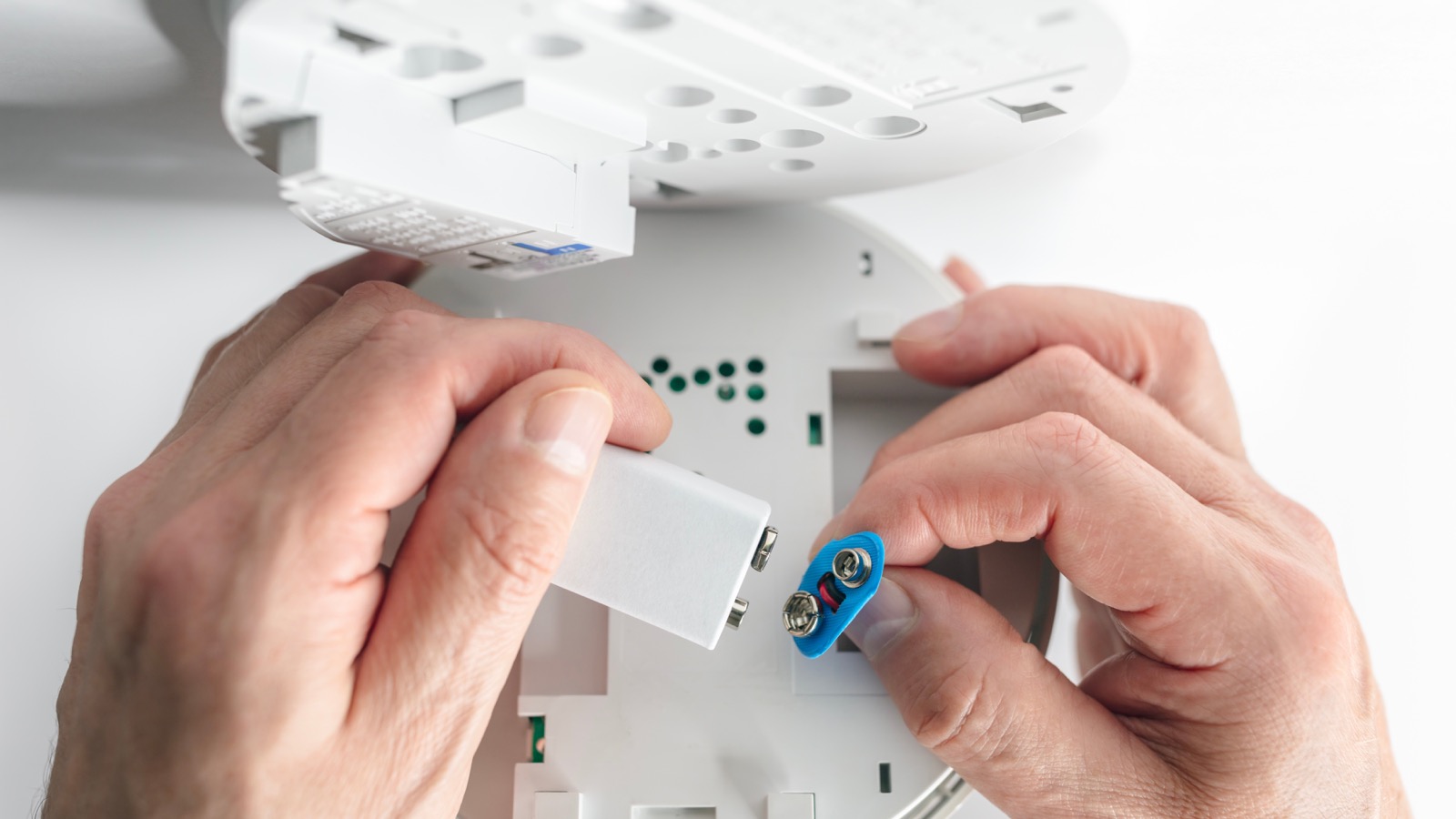
Make sure the home’s smoke alarms work as well. Smoke alarms belong on every level and inside bedrooms, and should be tested monthly. They’re an essential last line of warning, not a reason to relax any heater rule.
Keep fuel-burning heaters out of ordinary electric-heater advice
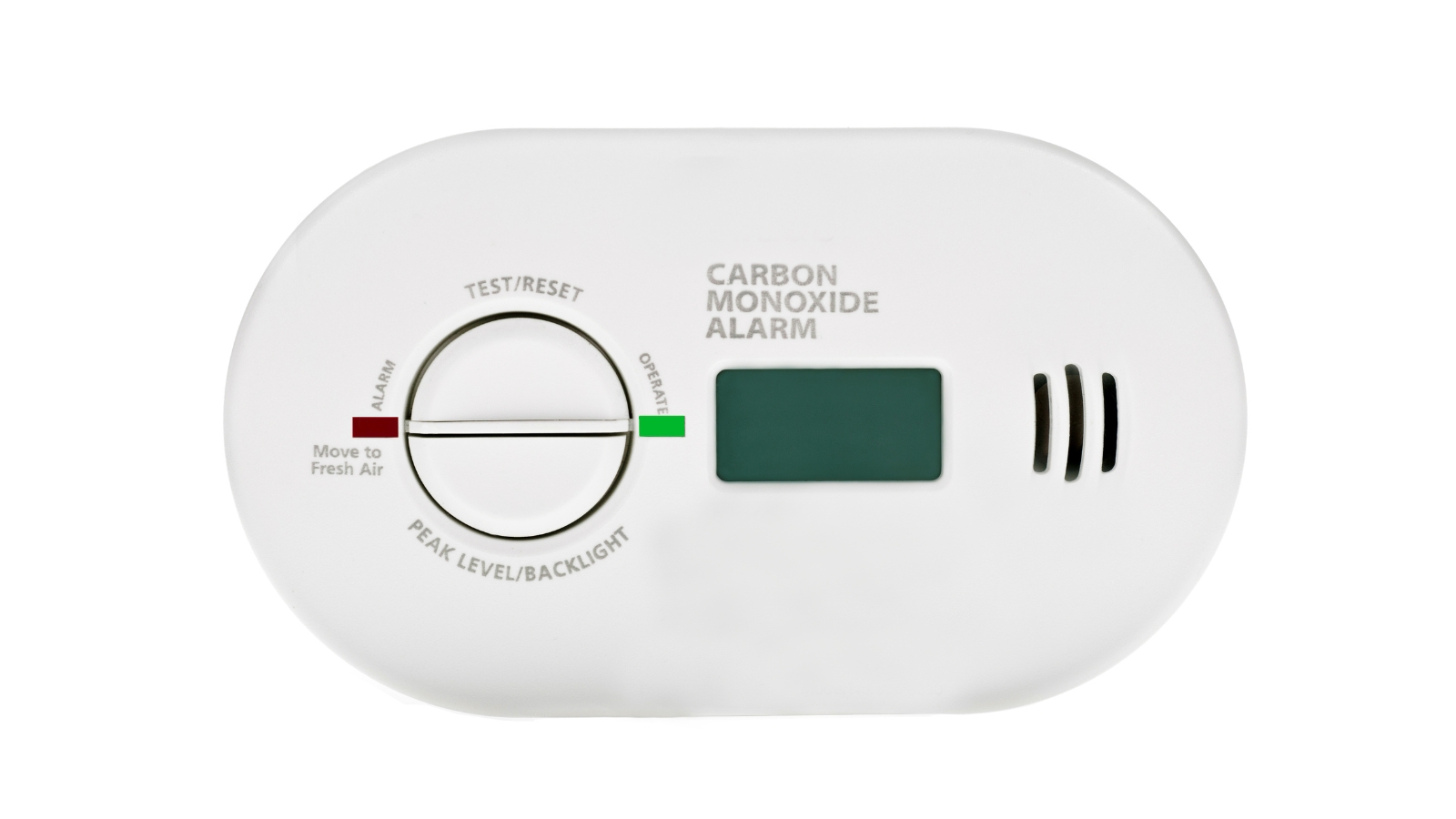
A plug-in electric space heater doesn’t burn fuel in the room, so it doesn’t create carbon monoxide as part of normal operation. Portable kerosene, propane, and other fuel-burning heaters are a different category, with additional ventilation, carbon monoxide, and fire hazards. Never assume the safety instructions for an electric heater apply to a fuel-burning one.
If you’re considering a fuel-burning model, check local rules and whether it is expressly approved for indoor residential use. Do not bring an outdoor propane patio heater, camp stove, charcoal burner, or generator inside during a power outage. Fuel-burning heating equipment can produce deadly carbon monoxide, and ordinary electric-heater precautions won’t protect you from it.
Before switching on a portable electric heater, I check three things: Can everything combustible stay at least 3 feet away, can its own cord reach a sound wall outlet directly, and can I stay in the room while it’s running? If any answer is no, I move it or leave it off. No special gadget makes an unsafe location safe.

