
Affiliate disclosure: This post may contain affiliate links. Please see full disclosure.
You can still plant garlic after a frost if you can dig to planting depth and the soil is loose enough to fall back around the cloves. If the bed is frozen solid or the soil comes up in wet, sticky slabs, wait for workable ground. Late planting can still give you a harvest, but cloves that go in just before the ground freezes have less time to root, and you may dig up fewer or smaller bulbs.
Take a trowel to the bed before you check the calendar
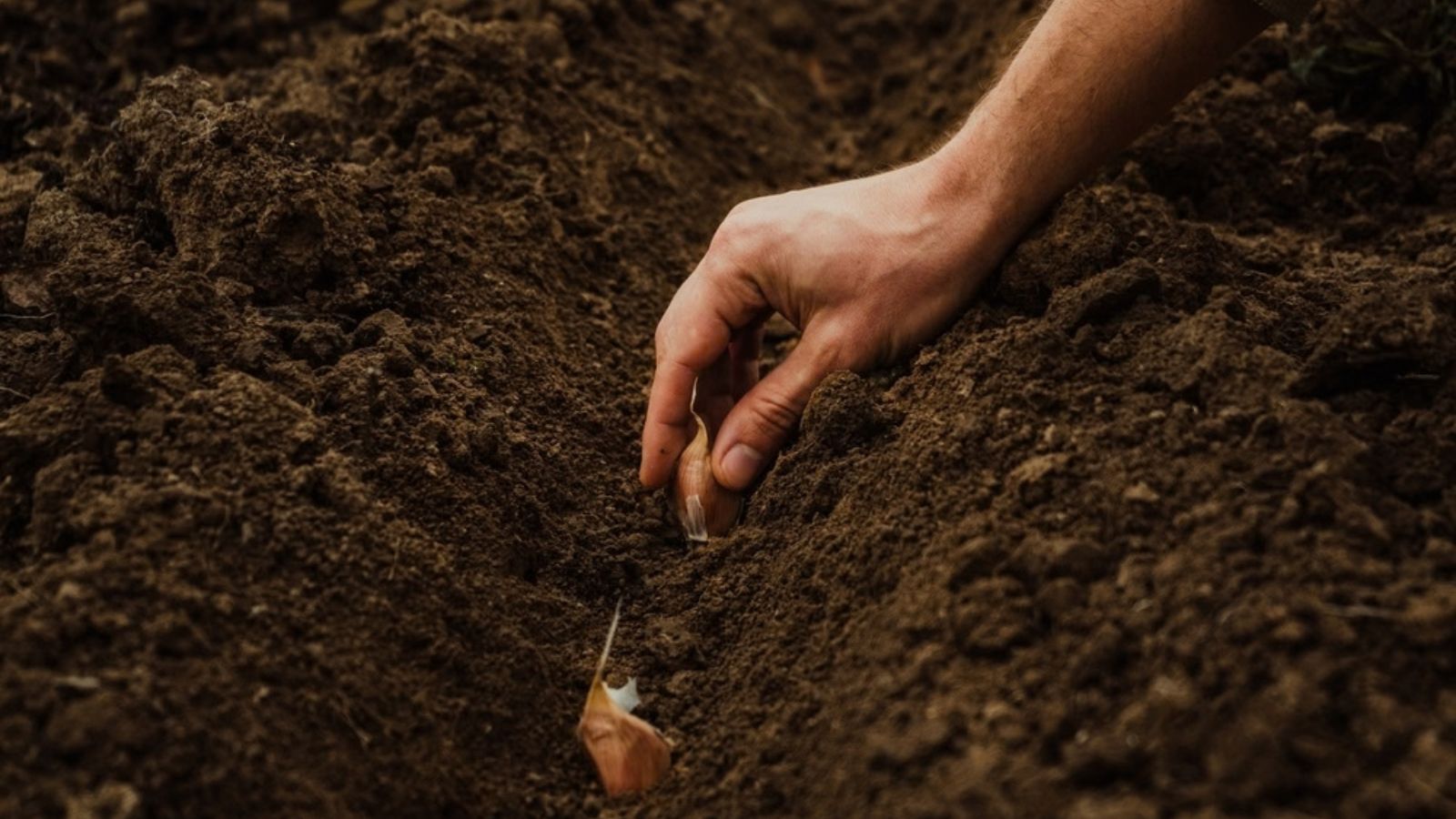
I grow a substantial amount of my own food, and when I’m behind on planting garlic, I’d rather dig a test hole than count backward from a frost date. A white lawn in the morning tells you the air near the ground got cold. Push a trowel into the bed a few inches and see what’s happening where the cloves will actually sit. If there’s a light crust that thaws by afternoon and the soil underneath crumbles, you still have an opening.
Take a handful from that depth and squeeze it. If it smears over your glove or stays in a dense lump when you open your hand, leave that bed alone for now. In a wet winter, I’d choose a sunny, well-drained raised bed over a low spot that holds puddles, even if the low spot is easier to dig. Garlic grows best in loose, well-drained soil, and a layer of straw won’t fix poor drainage underneath.
The ideal fall window gives the cloves several weeks to establish roots before the ground freezes. If that window has passed but the bed is workable today, I’d plant firm cloves rather than wait for a warmer weekend. If a trowel won’t go in far enough to cover them properly, wait for a genuine thaw or make an early spring plan. A shallow scrape that leaves the cloves near the surface gives them little protection from winter injury.
Use your winter and your variety to judge how late is late
Where the ground freezes for months, the window closes earlier. In northern New England, for example, the usual fall planting window runs from October in colder locations into November farther south. A locally grown hardneck is a sensible starting point in a cold climate. If you’ve had good results with a particular softneck in your own garden, that local experience is worth more than a broad label on a bag.
In a milder winter, the bed may stay workable well into the season. Gardeners in warmer parts of North Carolina can plant into December. Even there, a low, wet bed can close your window long before a sunny, well-drained one does. In mild regions I’d start with a softneck recommended by a local grower or Extension office. Some artichoke softnecks need less winter chilling than other types, which makes them worth looking for if your winters are short and mild.
There are two things you’re trying to give the clove. One is time to root and grow leaves before it starts making a bulb. The other is enough chilling to support normal bulb development. A bed you can dig in January solves the first practical problem of getting the clove underground. Whether it has enough cool growing time left depends on where you live and what you plant.
Plant at normal depth and protect the bed from freeze-thaw swings
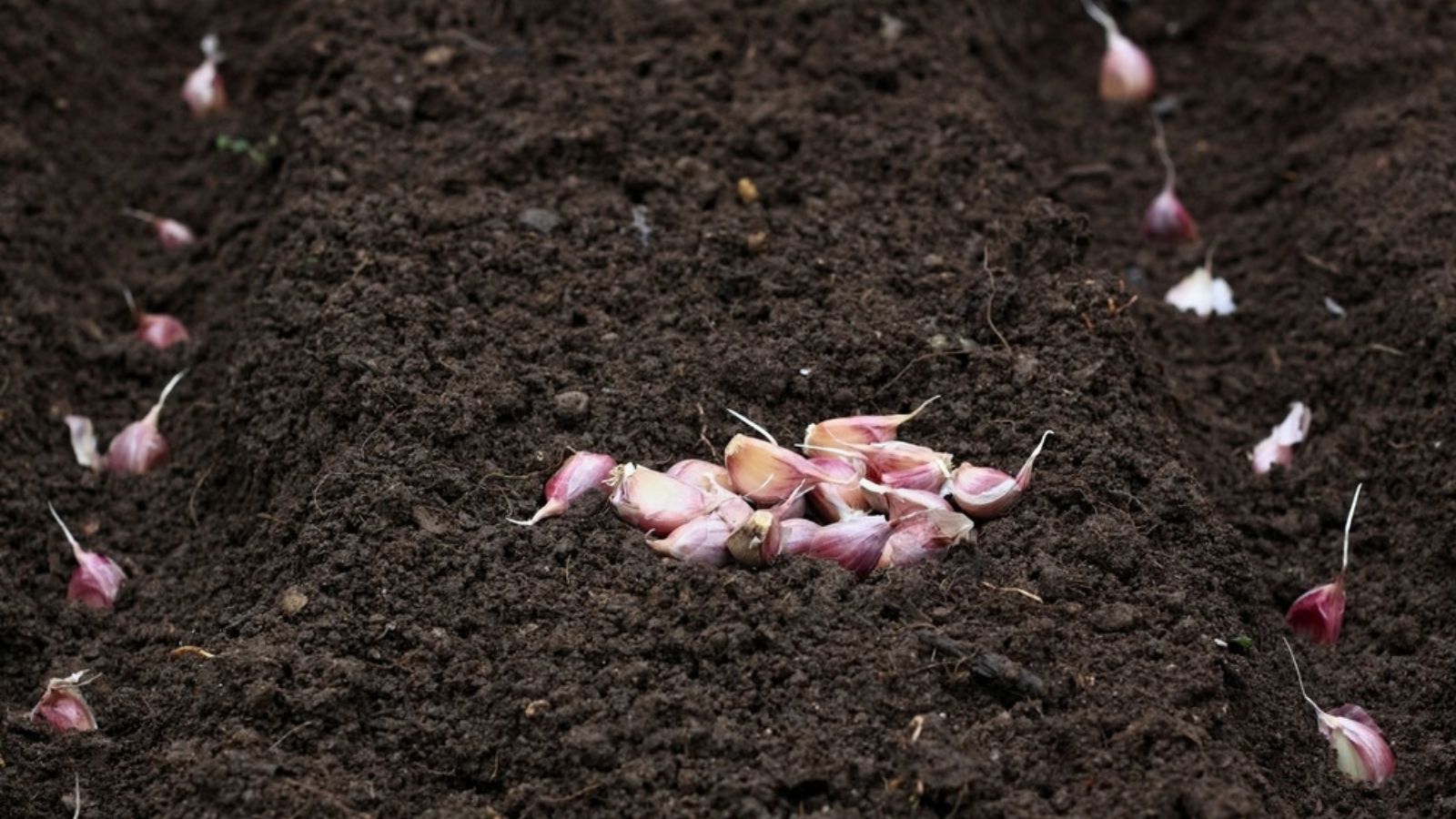
Use firm, healthy seed garlic and separate the head just before planting. Keep the papery skin on each clove and choose the biggest sound cloves for bulbs. Set them point up, with the flat root end down, about 2 to 3 inches deep and 6 inches apart. Leave that spacing even if you’re squeezing in one last row. A late start already limits how much growth the plants can put on before bulbing, and crowding gives them another thing to contend with.
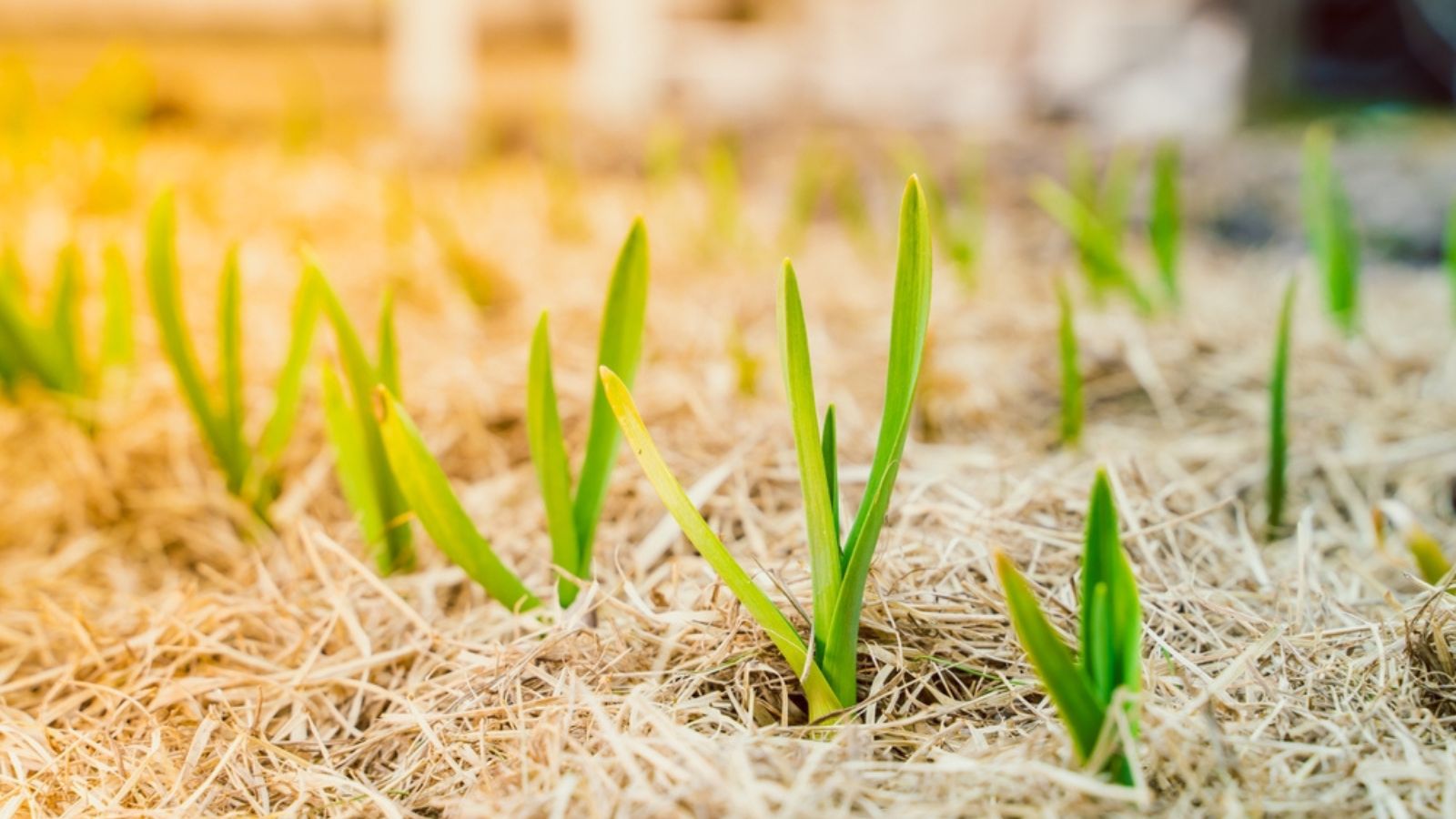
In a cold garden, cover the bed with about 3 to 4 inches of loose, clean straw to buffer swings in soil temperature. Mulch helps reduce frost heaving, when repeated freezing and thawing pushes cloves toward the surface. In a mild, rainy garden, I’d keep the cover lighter and check that it stays loose. In spring, loosen or pull back any matted mulch that’s holding down shoots or keeping an already wet bed from drying. For the usual fall window, start with planting garlic for bigger bulbs next summer.
Plant early in spring if the bed stays frozen
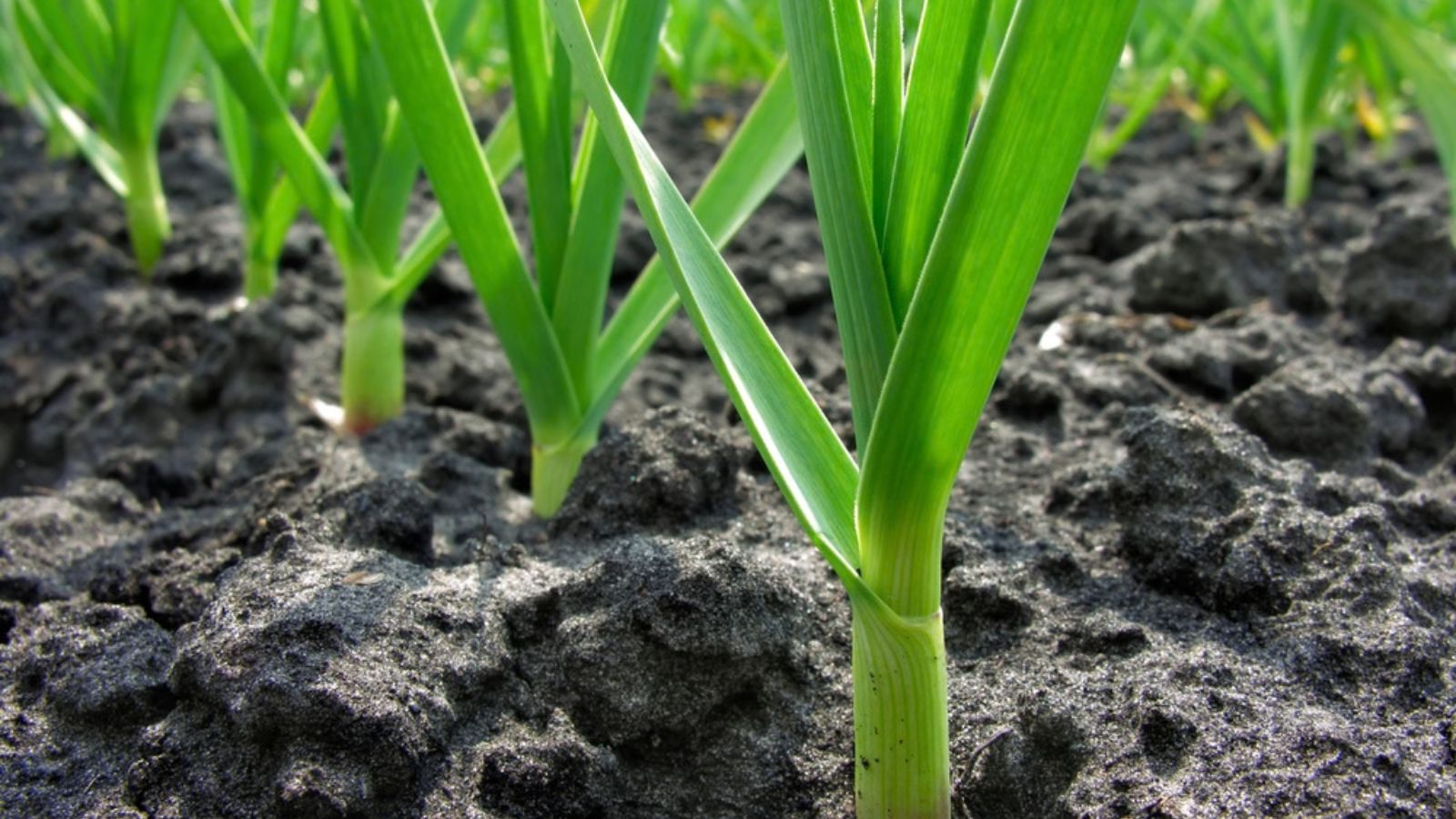
Get spring garlic in as soon as the soil thaws and drains enough to work. If you know now that you’ll be spring planting, ask your supplier about prechilled planting stock or chilling instructions for your variety. Refrigerating planting cloves for about eight weeks is one approach for spring planting. Chilling can help with bulb formation, but it can’t give the plants back the growing time they missed. I’d plan the chilling ahead so the cloves are ready when the bed is.
Expect a useful harvest even if the heads are small
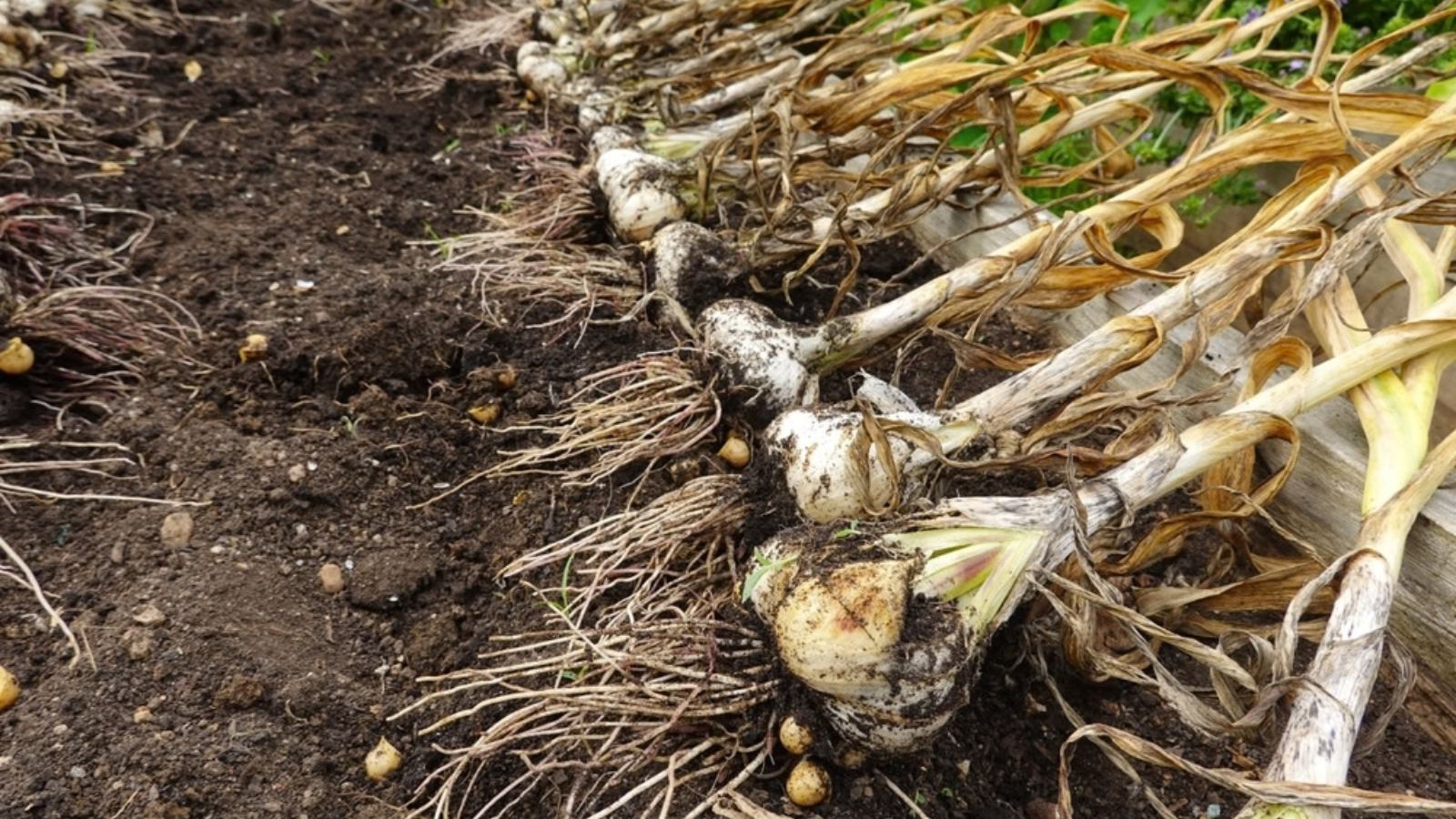
Late fall planting can pay off, but it’s a gamble in a cold winter. In one Ontario planting trial, the cloves planted in mid-November and early December yielded smaller bulbs and lost more plants than the early October planting. The spring planting made smaller bulbs still. How your own bed fares will depend on the winter and how much growth the plants make before bulbing.
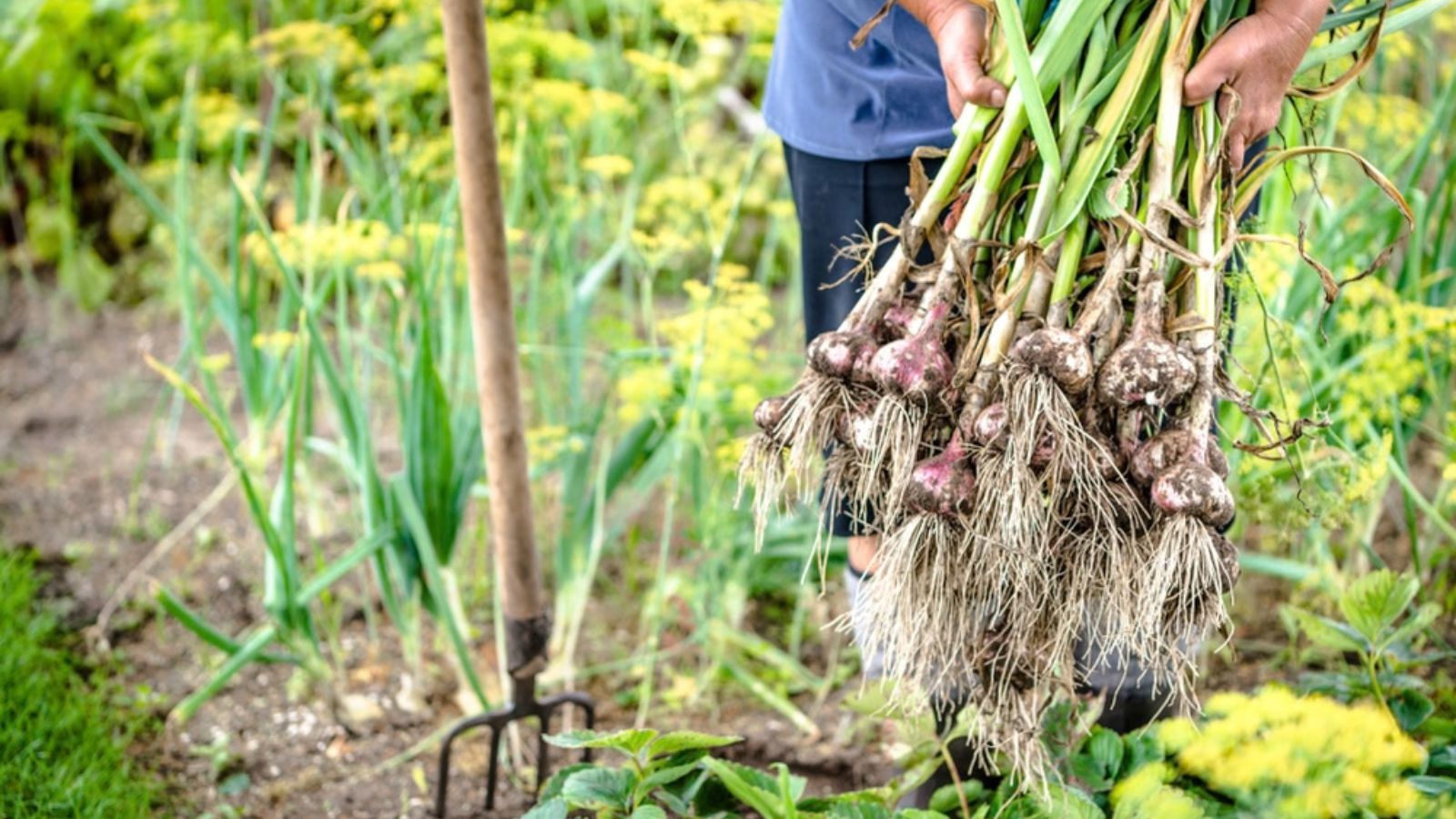
Some very late plantings give you small heads or single, undivided bulbs called rounds. Those are still garlic. If you’re short on growing time, pull a few while the stems are tender and use them as green garlic in soups or skillet dishes. Leave the strongest plants to see what size they reach. When the lower leaves turn brown and roughly half the upper foliage is still green, lift a test bulb. If the cloves fill their skins, harvest the rest of that row and cure the sound bulbs somewhere dry and airy if you’re keeping them.
You might also like…
The Garlic Planting Mistake That Can Cost You Next Summer’s Harvest
How To Plant Garlic In Fall For Bigger Bulbs Next Summer
How to Use Garlic as a Natural Antibiotic, Antiseptic, Antifungal, and Antibacterial Home Remedy