

Affiliate disclosure: This post may contain affiliate links. Please see full disclosure.
Winter has a special talent.
It waits until it’s 10°F (-12°C), dark, and you’re wearing socks… then it springs a leak, a draft, a dead smoke alarm battery, or a dryer that “smells hot.”
Most of the fixes are small. Like, 10–20 minutes small.
They’re also the difference between a cozy house and an expensive, soggy, smoky mess.
1. Change your HVAC filter (before your system starts wheezing)
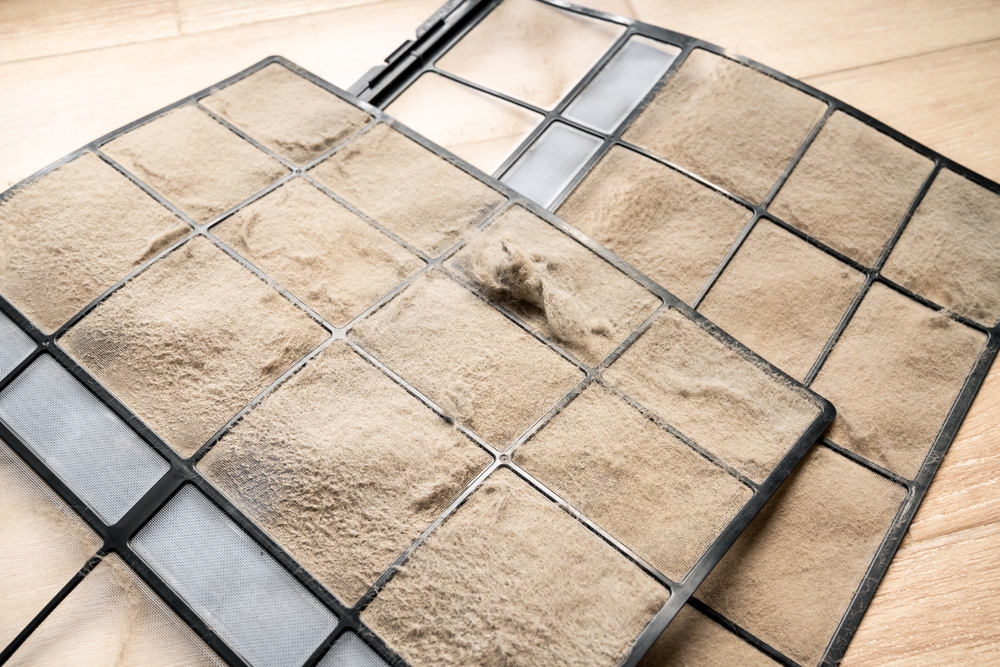
If your heat is running a lot, your filter clogs faster than you think.
A dirty filter chokes airflow, makes the system work harder, and can spike dust in the house. A decent rule is to check monthly in heavy-use seasons and change at least every 3 months.
Quick test: hold it up to a light. If you can’t see much light through it, it’s done.
2. Press the test button on every smoke alarm
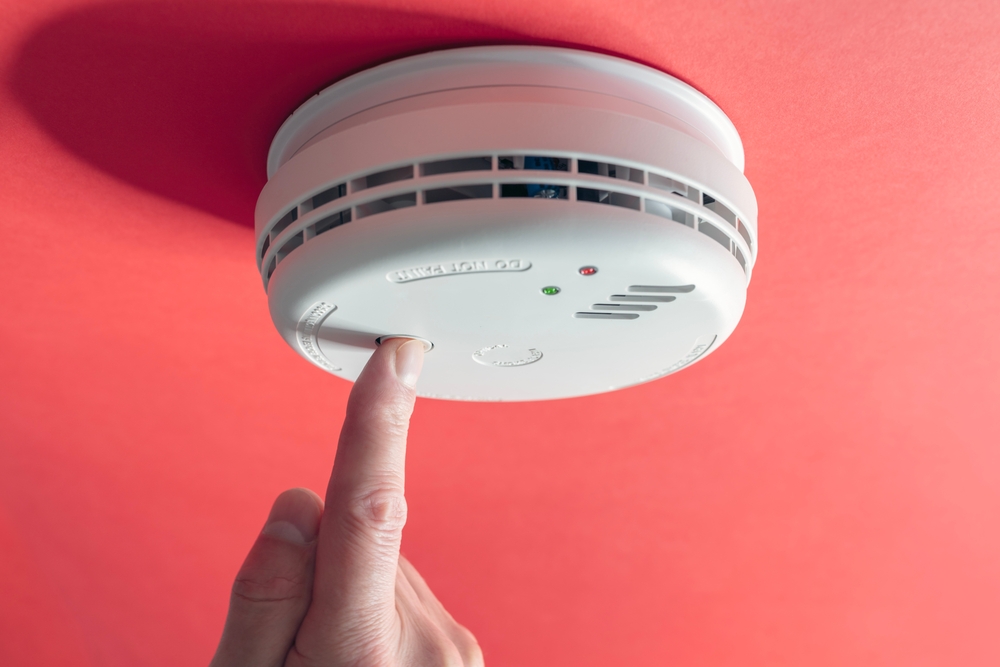
This is the lowest-effort, highest-payoff habit.
You don’t need tools. Just push the button and make sure you hear the loud alarm. Monthly testing is the common guidance for home alarms.
If one chirps after you replace the battery, don’t play whack-a-mole with it. That’s often the unit telling you it’s at end-of-life.
3. Check the age of your smoke alarms (and replace old ones)

Most people replace batteries… and forget the alarm itself gets old.
A lot of smoke alarms are meant to be replaced every 10 years (look for the manufacture date on the back).
If yours are from the “I’m pretty sure we bought this when we moved in…” era, put it on your weekend list.
4. Test your carbon monoxide alarms (and don’t “wait until you smell something”)
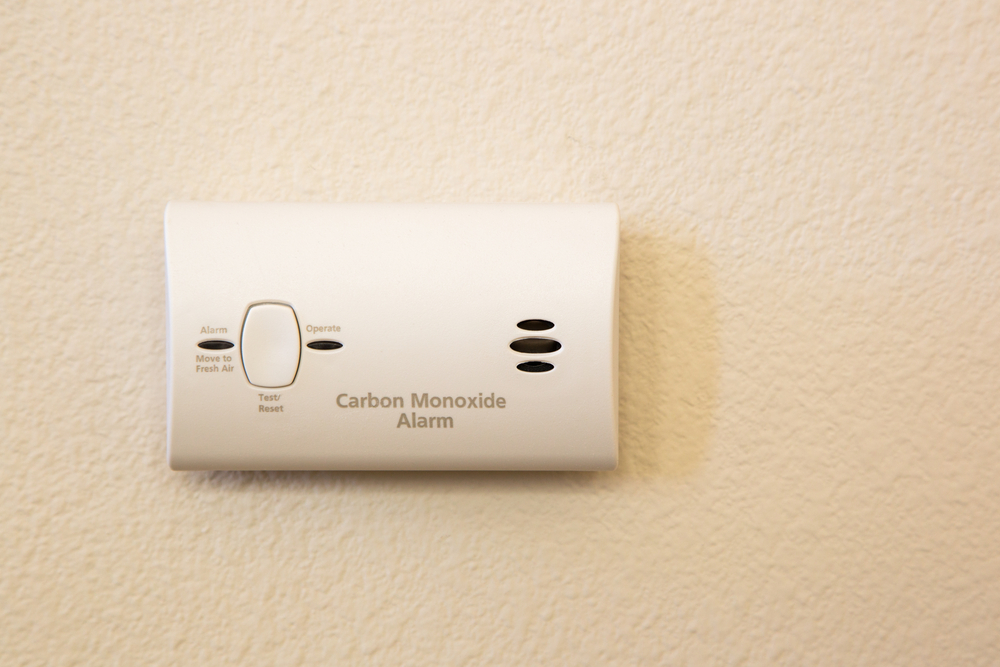
You can’t smell CO. That’s the whole problem.
CO can cause symptoms that feel like flu or food poisoning, headache, dizziness, nausea, confusion.
Press the test button, replace batteries if needed, and if you have fuel-burning appliances (gas, propane, wood), don’t skip this.
5. Vacuum the heat registers and returns
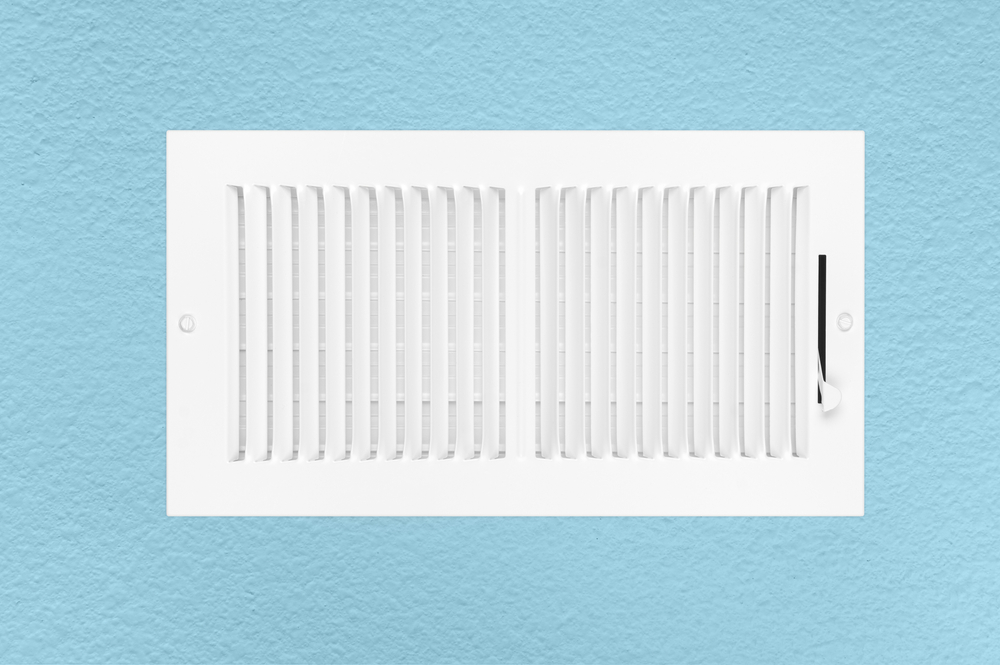
If your returns are fuzzy, your whole system is pulling air through a dust sweater.
Pop the vent covers off and vacuum what you can reach. If you have pets, you’ll be equal parts grossed out and satisfied.
It helps airflow, cuts that “burnt dust” smell when the heat kicks on, and makes the house feel less… stale.
6. Clean your dryer vent (not just the lint trap)
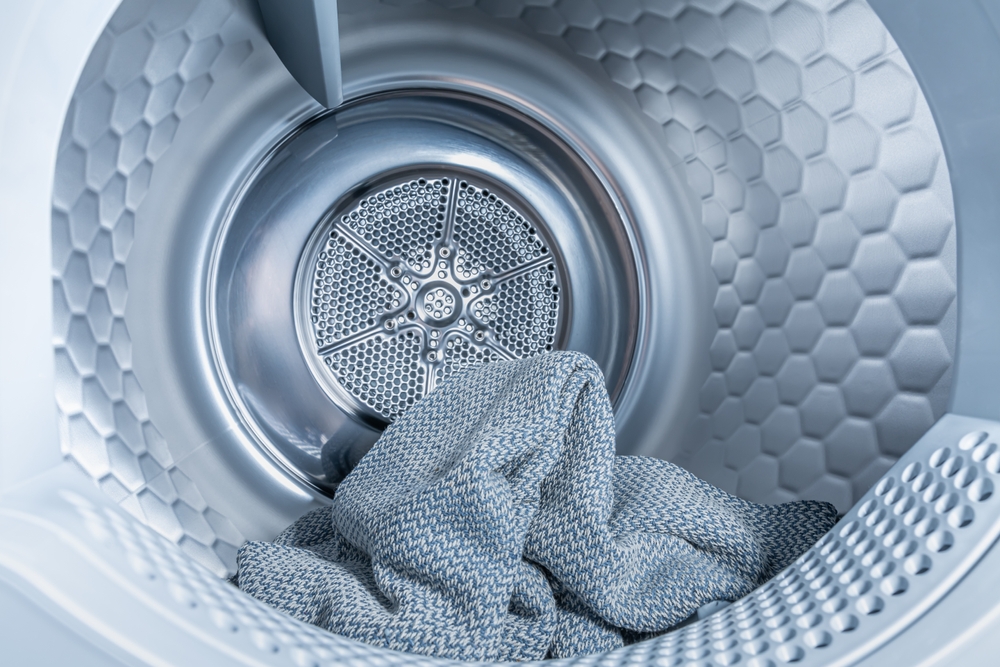
The lint trap is step one. The vent is the part everyone forgets.
Residential dryer fires are a real thing, about 2,900 per year in the US in one US fire report, and failure to clean was a leading factor.
Winter clue: clothes taking longer to dry, dryer feels hotter than usual, or a slightly “toasty” smell. Unplug the dryer, pull it out, vacuum behind it, and check the vent hose for crushed sections or lint buildup.
7. Fix the draft under exterior doors (door sweep = cheap magic)
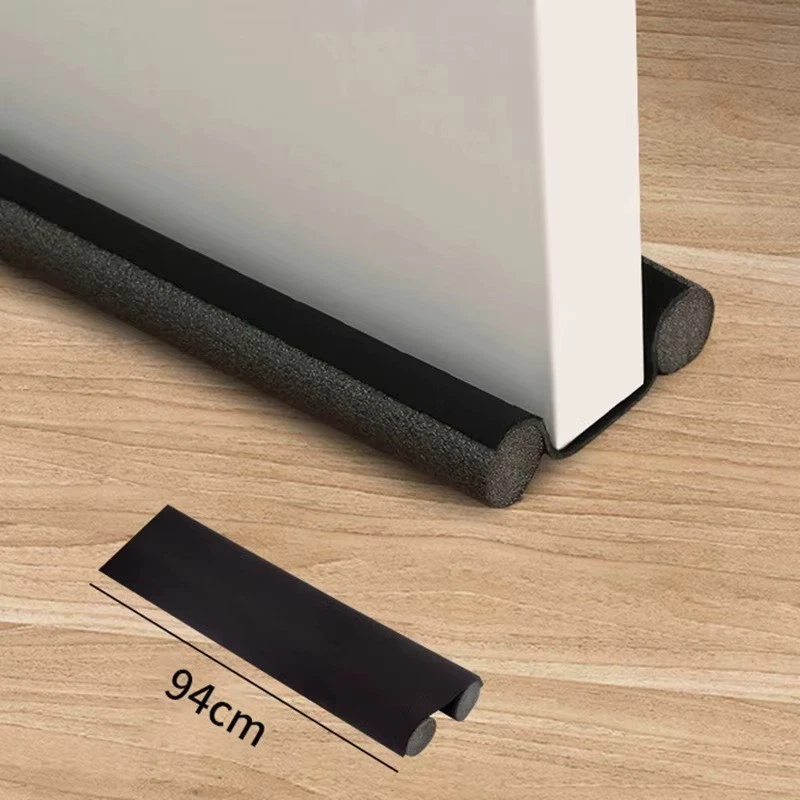
If you can feel cold air hitting your ankles, your door sweep is either missing, flattened, or installed by someone who hates comfort.
A new sweep is cheap, fast, and instantly noticeable. It also helps with bugs and dust.
Bonus: you’ll stop wasting heat to warm your front porch. That’s not a flex.
8. Replace weatherstripping you can see daylight through

Stand inside on a bright day and look around exterior doors.
If you see daylight, you’re literally heating the outdoors. Peel-and-stick foam weatherstripping is an easy fix, and you don’t need to be “handy” to manage it.
Do one door at a time and you’ll feel the house get calmer, less drafty, less noisy, less jumpy heat cycling.
9. Seal the sneaky gaps (where pipes and wires go through walls)
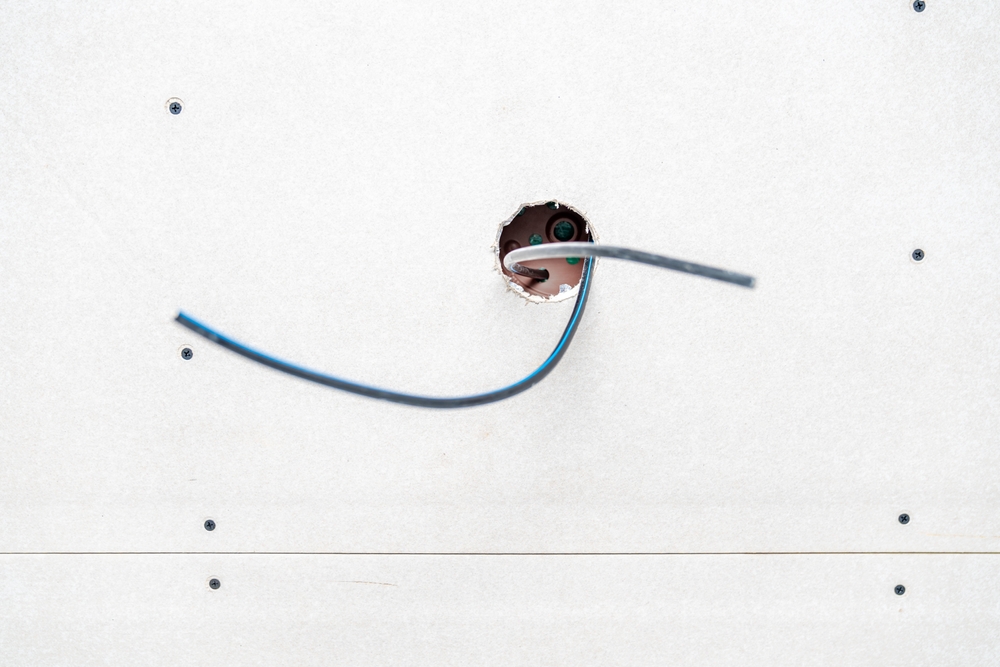
The draft you can’t find usually comes from boring places: under sinks, behind toilets, around cable lines, or where pipes come through an exterior wall.
A little expanding foam or caulk can make a big difference. Do a quick “cold hand” check on a windy day, move your hand near those spots and you’ll feel the leak.
Just don’t foam yourself into a plumbing repair nightmare. Use foam sparingly and keep it away from anything that needs access later.
10. Protect outdoor spigots (and disconnect hoses)
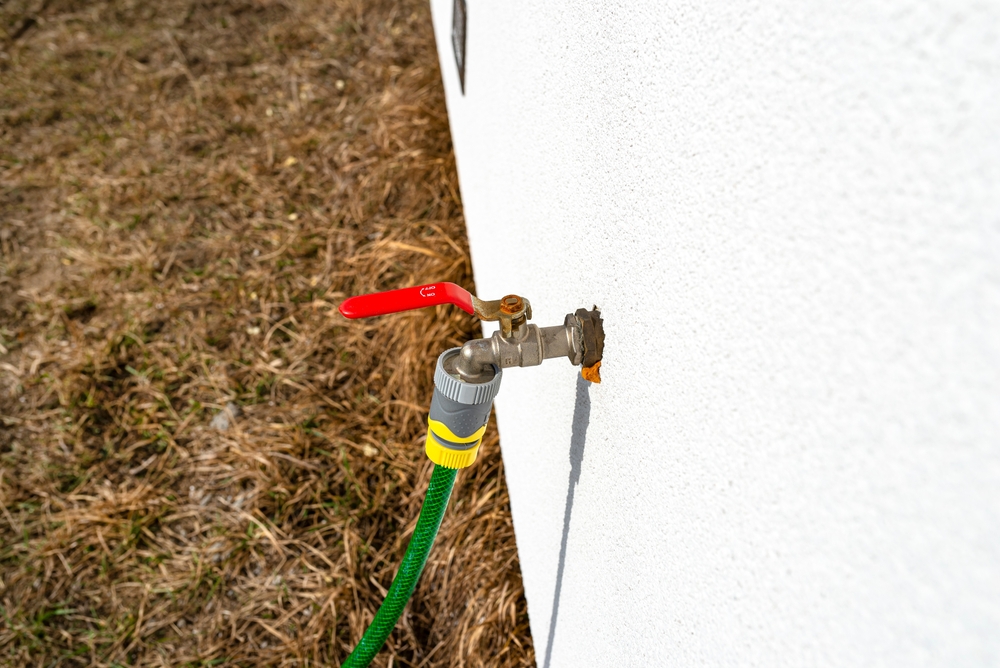
If a hose is still attached in winter, you’re basically trapping water in the line.
Disconnect, drain, store. If you have an interior shutoff for the outdoor faucet, close it, then open the outside spigot to drain what’s left. That “leave it open” part matters because it lets expansion happen without bursting.
This is one of those tiny jobs that prevents a very un-fun spring surprise.
11. Insulate exposed pipes (before they freeze at 32°F/0°C)

Water freezes at 32°F (0°C). Pipes in unheated spaces (crawlspaces, basements, garages, exterior walls) can freeze fast when temps drop.
Foam pipe sleeves are cheap and take minutes to install. If you can’t get sleeves right now and a cold snap is coming, even temporary insulation helps.
Also: on the coldest nights, open sink cabinet doors on exterior walls so warm air can reach the plumbing.
12. Find your main water shutoff (and make sure you can actually turn it)
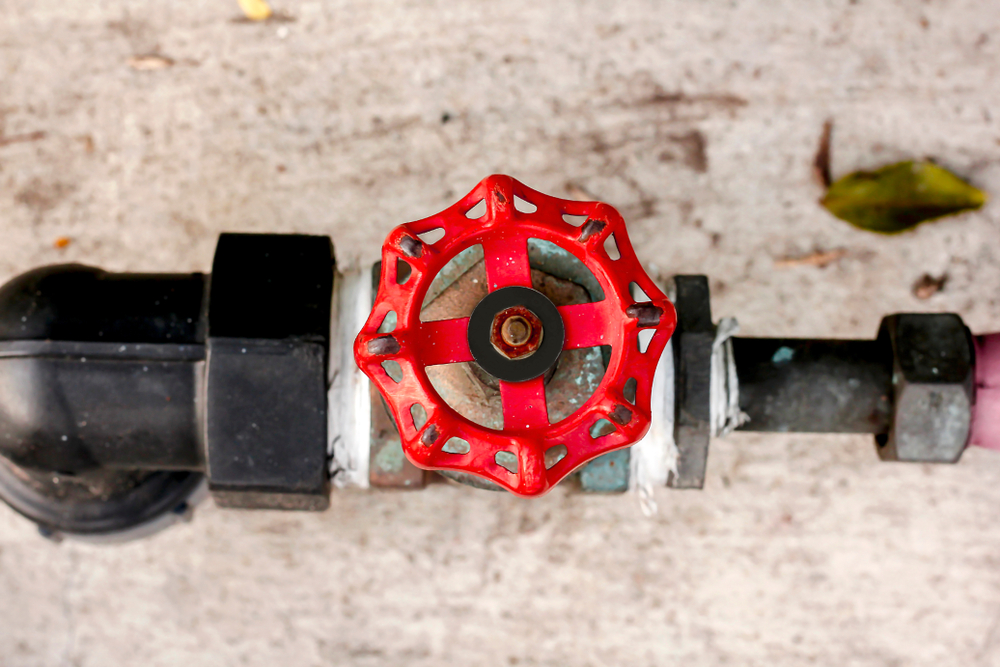
If a pipe bursts, you don’t want to be Googling “where is my shutoff” while water is doing its best indoor waterfall impression.
Find it now. Label it. Make sure the valve moves. If it’s stuck, call a plumber before you need it.
This is boring adulting. It’s also how you avoid thousands in water damage.
13. Check your gutters and downspouts (a 5-minute ladder peek)
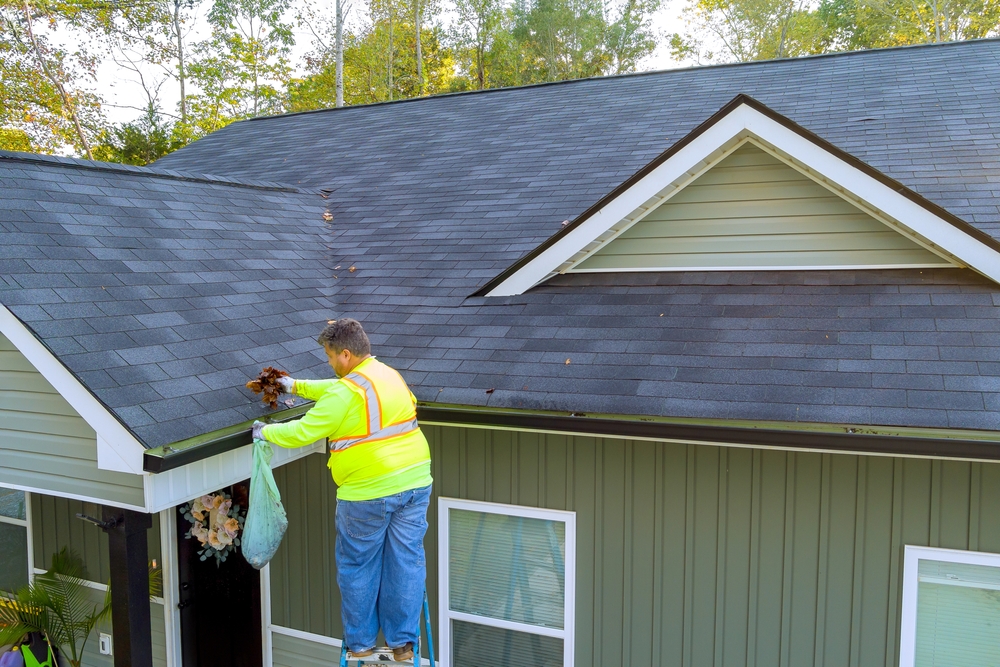
Winter water problems often start on the roof.
Clogged gutters can back up, overflow, and freeze into heavy ice. Even if you don’t want to climb, you can still do a quick ground check: are downspouts dumping water right next to the foundation? Are you seeing icicles forming in weird places?
If you can safely clear debris and make sure downspouts send water away from the house, you reduce the odds of basement seepage and ice buildup.
14. Watch for ice dam warning signs (and stop feeding them heat)
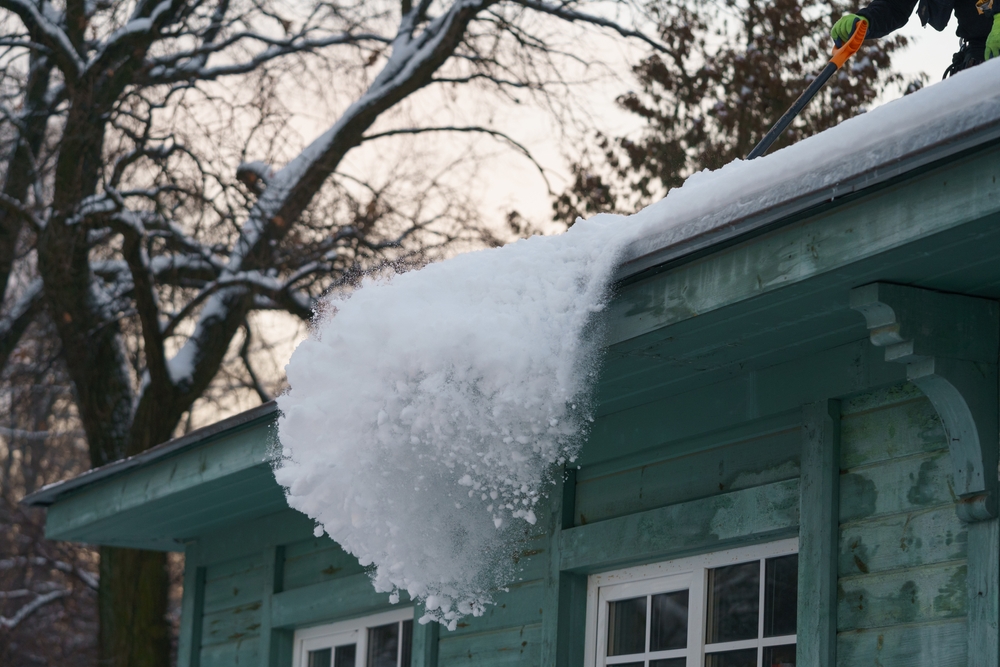
Ice dams are basically a heat leak problem that turns into a water problem.
If you’re seeing thick ice along roof edges or water staining near exterior walls/ceilings, your attic may be getting warmed by air leaks and poor insulation. Sealing air leaks into the attic and improving insulation are common long-term fixes.
Tiny project version: weatherstrip and insulate the attic hatch/pull-down stairs. Those are often drafty as heck.
15. Clean your bathroom fan cover (and make sure it’s actually pulling air)
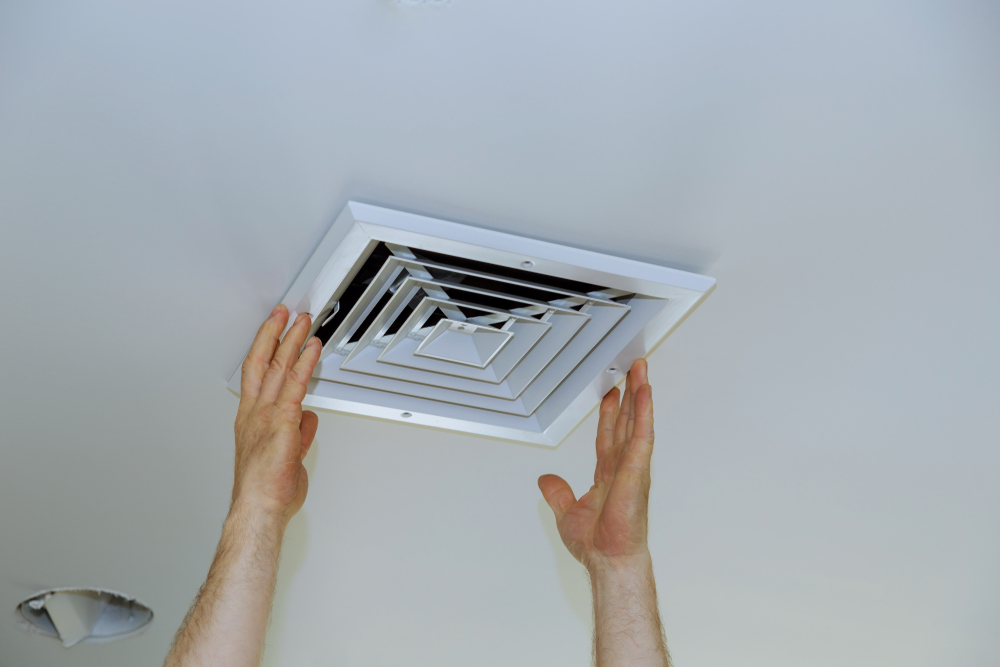
In winter, shower steam hits cold surfaces and turns into condensation. Condensation turns into mold. Mold turns into regret.
Pop the fan cover off (usually it just pulls down), wash it, and vacuum the lint/dust. Then do the “toilet paper test”: hold a square up to the fan. It should stick. If it doesn’t, the fan may be weak or the vent line may be blocked.
This helps with mirrors, musty smells, and that gross damp feeling in the bathroom.
16. Keep indoor humidity in a sane range

Too dry feels awful. Too humid causes condensation on windows and cold spots, hello mold and peeling paint.
A practical target is 30–50% indoor humidity.
Get a cheap hygrometer, then adjust: run the bath fan longer, crack a window briefly after cooking, or use a humidifier carefully (and clean it).
17. Vacuum your refrigerator coils (yes, this matters in winter)
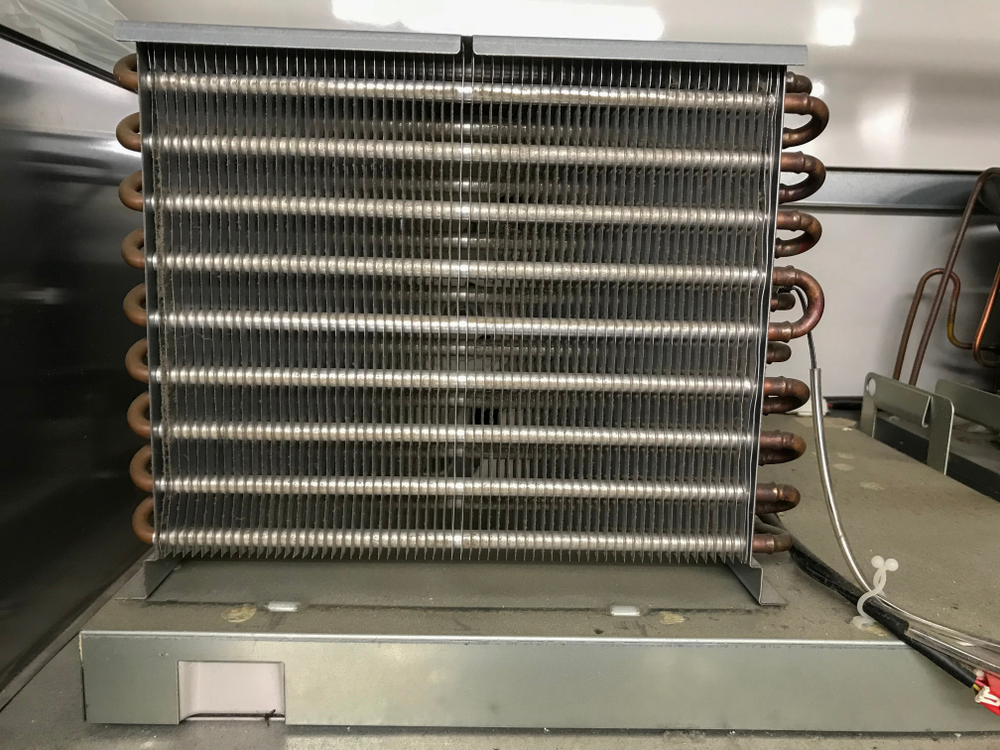
Dusty condenser coils make your fridge work harder than it needs to.
Cleaning the coils helps regulate temperature and efficiency.
Unplug the fridge, pull it out gently, and vacuum the coils and floor area. It’s a small job that can prevent weird temp swings (like lettuce freezing in the back for no reason).