

Affiliate disclosure: This post may contain affiliate links. Please see full disclosure.
Christmas doesn’t sneak up.
The prices do.
Once the holiday rush starts, demand spikes and so do a lot of prices, especially on food, toys, shipping, and anything “gift-y.” Retailers lean on dynamic pricing and seasonal markups, while carriers add peak surcharges on parcels and raise base rates.
Food-at-home prices are still creeping up year over year, even if inflation has cooled off from the 2022 spike.
So the game is simple: buy the boring, useful stuff now while shelves are full and prices are calmer.
Here are 50 things worth stocking before the Christmas jump.
1. Flour, Sugar, and Basic Baking Staples
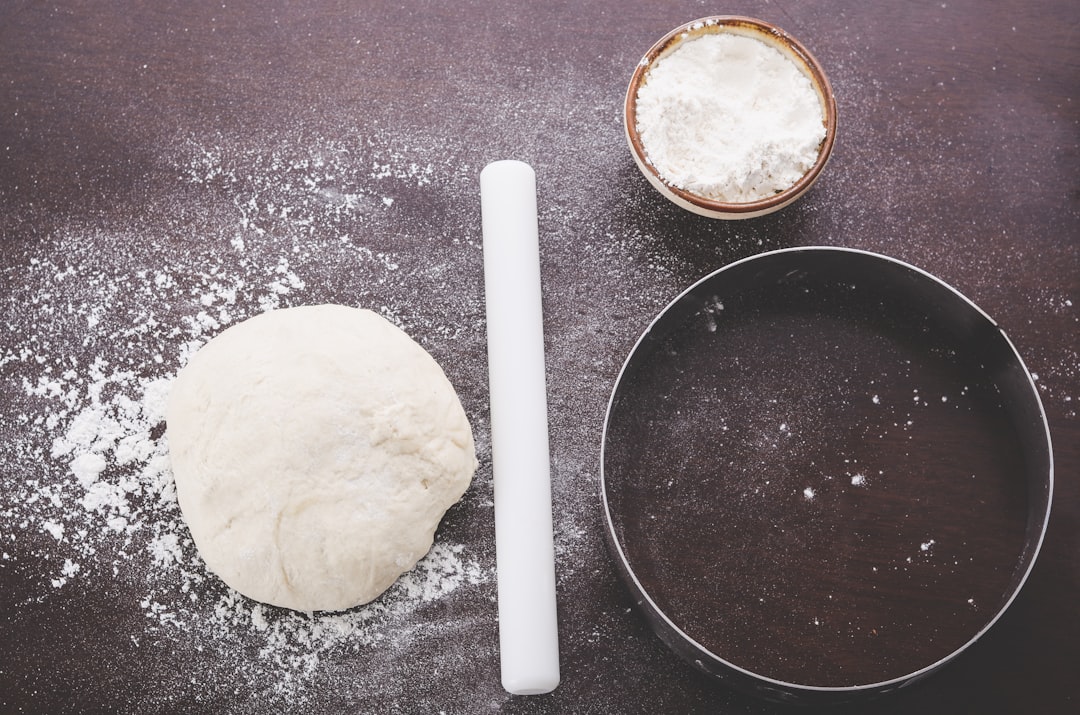
Holiday baking hits hard. Flour, sugar, and baking mixes move fast, and you’re competing with everyone planning pies, cookies, and pantry gifts. Food-at-home prices are still higher than a few years ago, and cereals/bakery products have seen steady increases.
Grab extra all-purpose flour, sugar, and brown sugar now, plus oats and cornmeal. Store them in sealed containers somewhere cool and dry. Even if discounts appear later, you’re protected from surprise spikes, empty shelves, and that annoying “limit 2 per customer” sign the week before Christmas.
2. Butter and Baking Fats
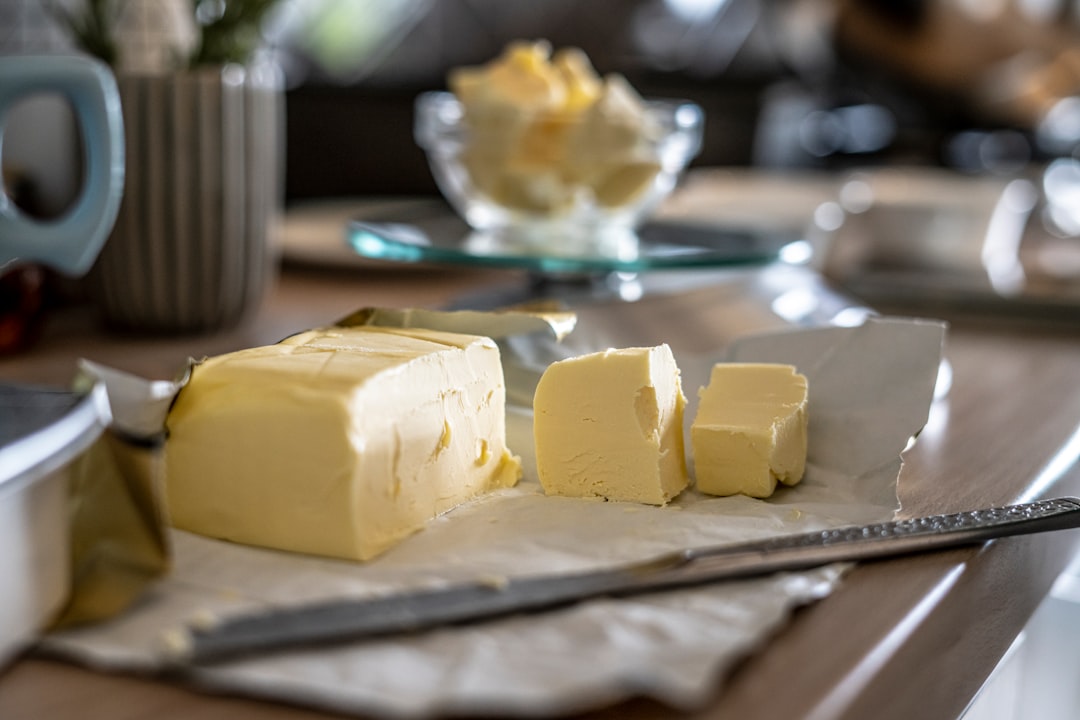
Butter loves to jump in price around big cooking holidays. Recent data shows butter and eggs leading food inflation more than once thanks to tight supply and high demand.
If you bake a lot, watch for store sales in early fall and buy butter, shortening, and good-quality margarine to freeze. Butter freezes beautifully for months. Having it on hand means you’re not paying panic-pricing right before Thanksgiving or Christmas, and you’re not cutting recipes in half because the fridge is empty.
3. Chocolate, Cocoa, and Baking Chips

Chocolate prices have been under pressure thanks to cocoa supply issues and general food inflation, and “holiday” packaging tends to cost more per ounce than boring, plain bags.
Stock up early on cocoa powder, semi-sweet and milk chocolate chips, white baking chips, and bars for melting. Tuck them in airtight containers somewhere cool and dark. Around Christmas, “baking chips” get slapped into smaller, decorated bags and marked up. You’ll already have what you need for cookies, fudge, and homemade gifts.
4. Vanilla Extract and Holiday Spices
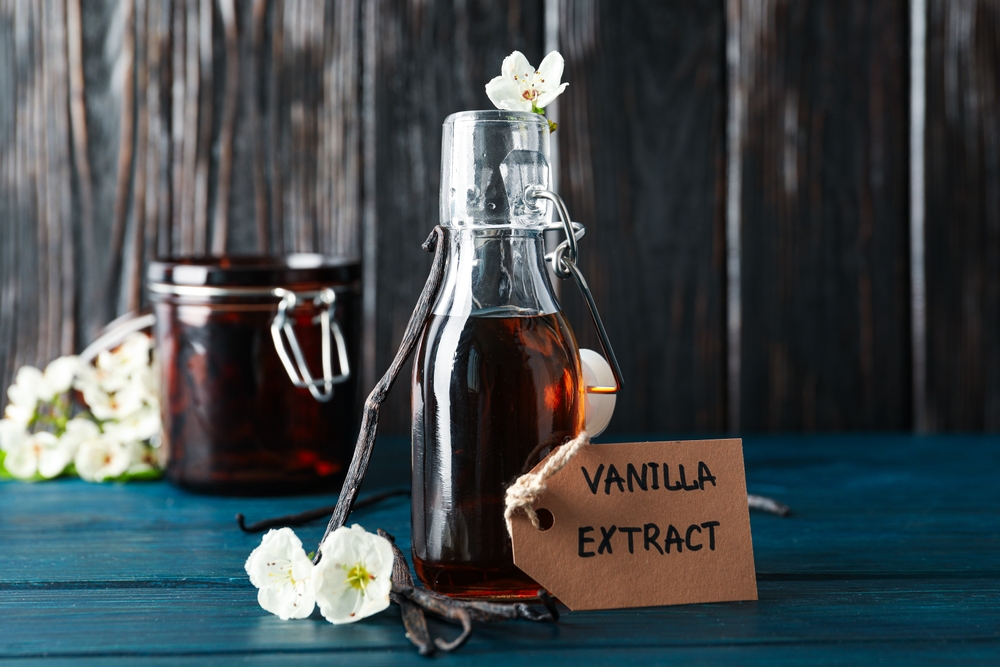
Real vanilla has been expensive for years, and the little bottles don’t suddenly get cheaper in December. Same story for seasonal spices like cinnamon, nutmeg, cloves, allspice, and cardamom—demand jumps hard in baking season.
Buy larger bottles of pure vanilla (not “imitation” unless you prefer it) and refresh your spices early. Whole spices last longer than ground, and you can grind as needed. You’ll get better flavor, less last-minute sticker shock, and far fewer “well, I guess we’re skipping gingerbread this year” moments.
5. Yeast, Baking Powder, and Baking Soda
These are cheap, until they aren’t in stock when you need them. Supply chain hiccups during 2020 showed how fast yeast can vanish from shelves, and baking powder and soda quietly creep up with general food inflation.
Check dates now. Replace anything close to expiring and pick up extra packets or jars of dry yeast, plus fresh baking powder and a big box of baking soda. Store yeast in the fridge or freezer. Having a back-up stash keeps you baking bread, rolls, and treats without depending on whatever’s left on picked-over shelves in December.
6. Canned Pumpkin and Pie Fillings
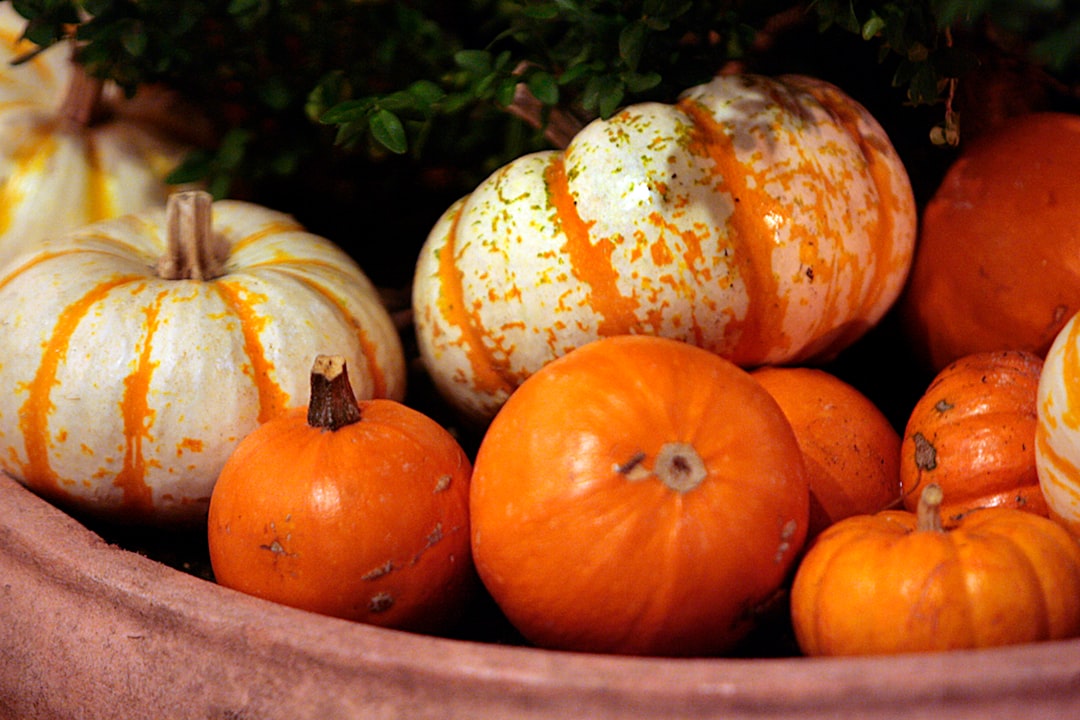
Pumpkin is a classic “here today, gone tomorrow” holiday item. When weather hits pumpkin crops or processing, you see fewer cans and higher prices right when everyone wants pie.
If pumpkin pie, pumpkin bread, or pumpkin dog treats are a tradition in your house, buy canned pumpkin and pie fillings as soon as they show up for fall. They’re shelf-stable for ages. You’ll dodge both shortages and the special “holiday display” markup that magically appears when endcaps go up.
7. Evaporated Milk, Condensed Milk, and Cream Shelf Staples
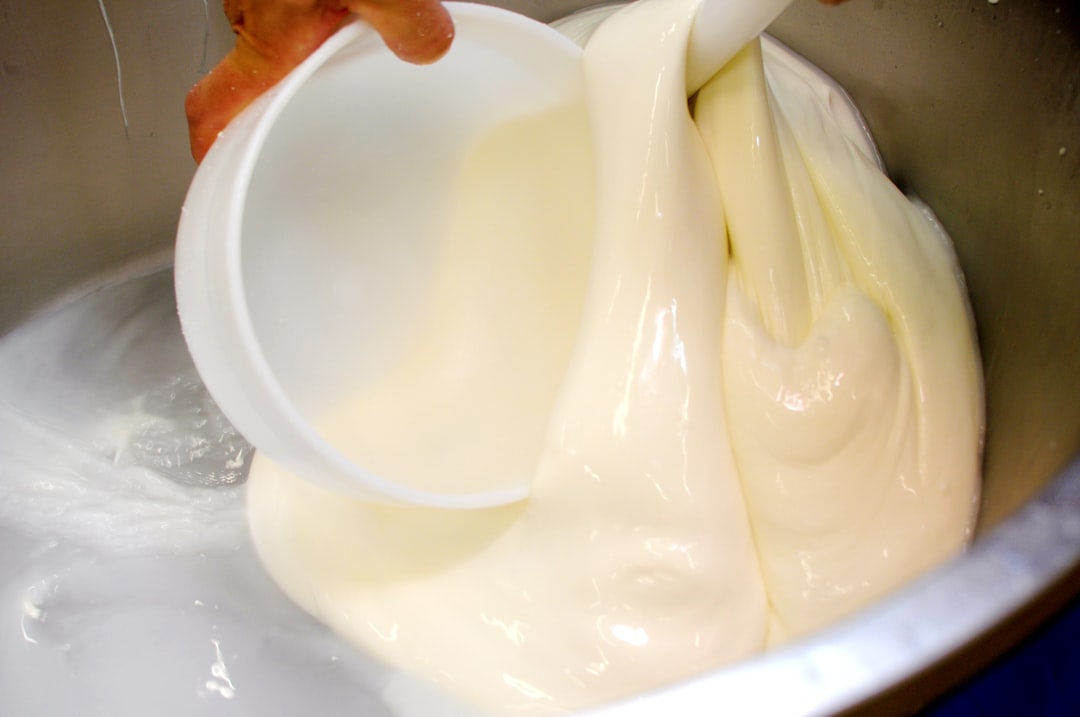
Evaporated milk and sweetened condensed milk fly off shelves around Thanksgiving and Christmas for pies, fudge, and candy. They’re classic “oh no, I forgot the can” items, and stores know it.
Pick up several cans early, plus shelf-stable cream or half-and-half if you like keeping backups. Date check them and rotate into everyday cooking after the holidays. You’ll avoid those last-minute, over-priced convenience store runs when the supermarket is cleaned out or closing early.
8. Meat for Holiday Meals (Turkey, Ham, Roasts)
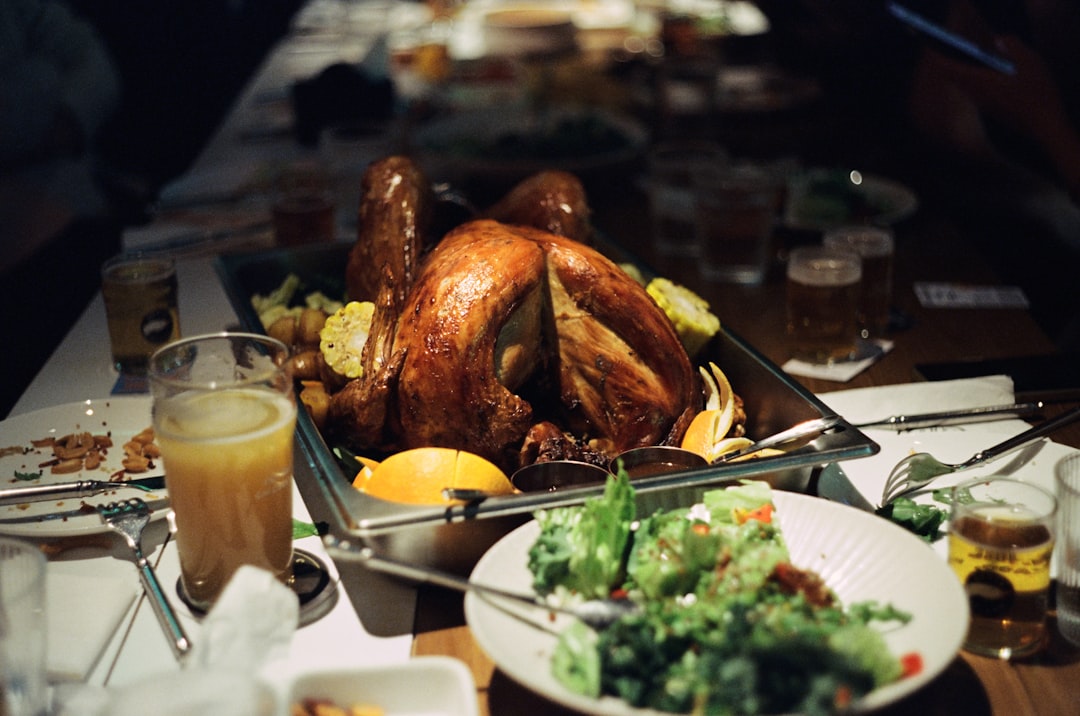
Big proteins are classic loss leaders right around Thanksgiving, but prices can also swing based on supply, feed costs, and disease outbreaks—think bird flu and egg/poultry price spikes.
Watch prices in the weeks before the main rush. Grab a turkey, ham, or roast when you see a real sale, not just a “holiday special” on a jacked-up base price. Freeze it. You’re insulated from last-minute jumps and don’t have to settle for whatever size is left in the sad, icy bin on Christmas week.
9. Shelf-Stable Snacks, Nuts, and Crackers
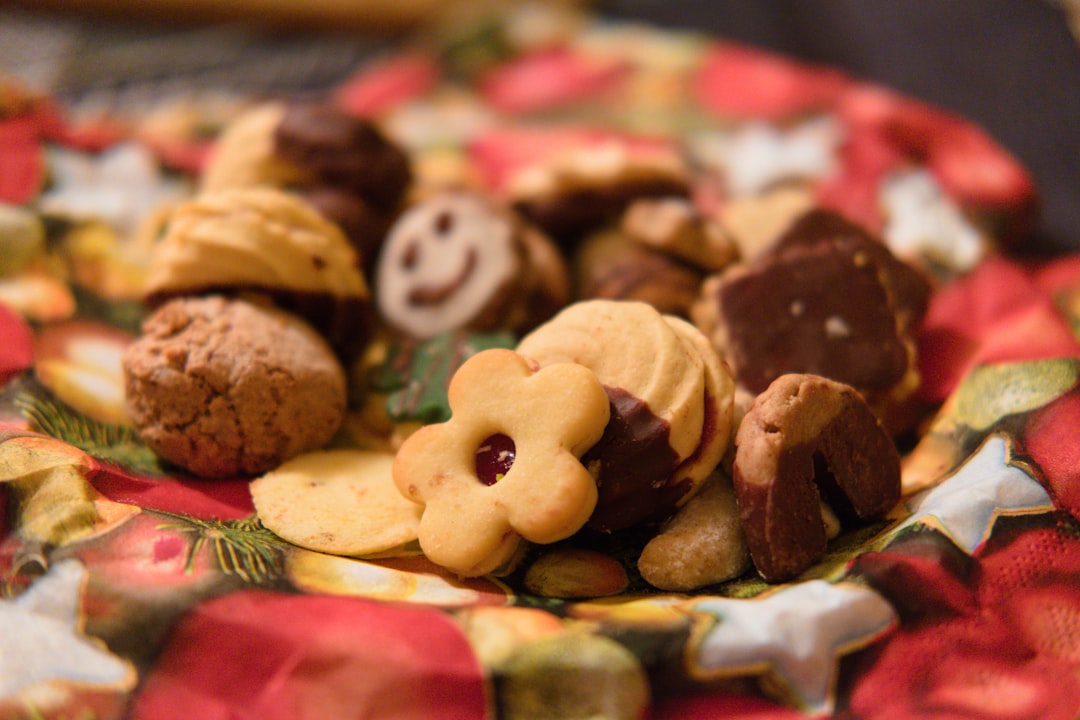
Snack foods and nuts are classic party-season markups. Retailers know people will pay more for mixed nuts, cheese crackers, chips, and fancy party mixes in December.
Grab big bags of plain nuts, pretzels, and crackers early, then dress them up yourself with spices or homemade mixes. They’re good for months if kept airtight. This also gives you easy “company food” and stocking-stuffer filler without paying triple for a holiday tin with a bow slapped on.
10. Coffee and Tea
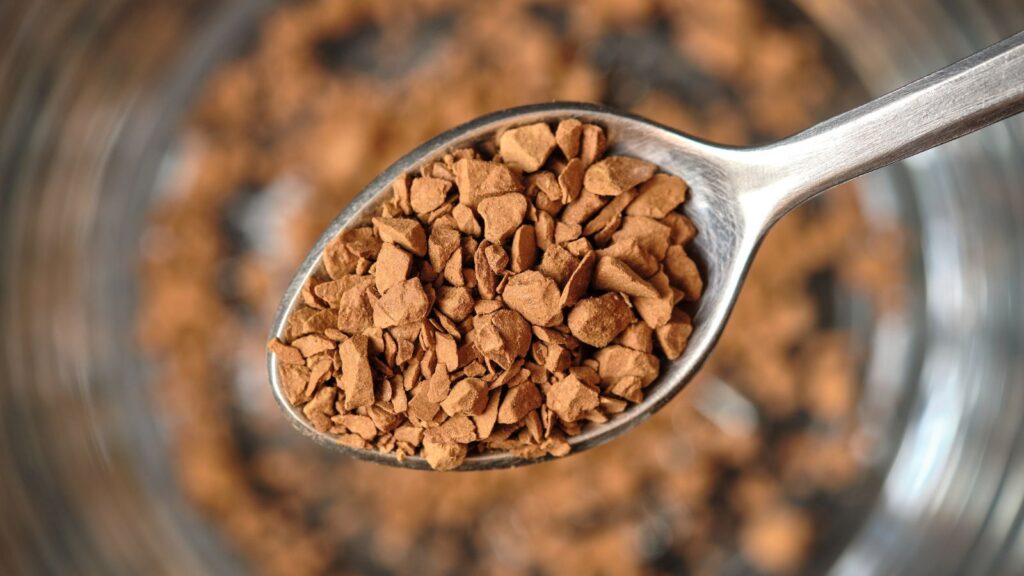
People drink more hot drinks in winter, and coffee/tea gift sets pop up everywhere—usually at a markup compared to basic bags and tins. Food and beverage prices are still inching up, including nonalcoholic drinks.
Buy your everyday coffee beans or grounds and favorite teas now in larger packs. Store them sealed and out of the light. You’ll ride out any “festive” price games and have enough on hand for guests, late nights, and DIY gift baskets built from real, full-sized packages instead of tiny sampler packs.
11. Hot Chocolate, Marshmallows, and Mix-Ins
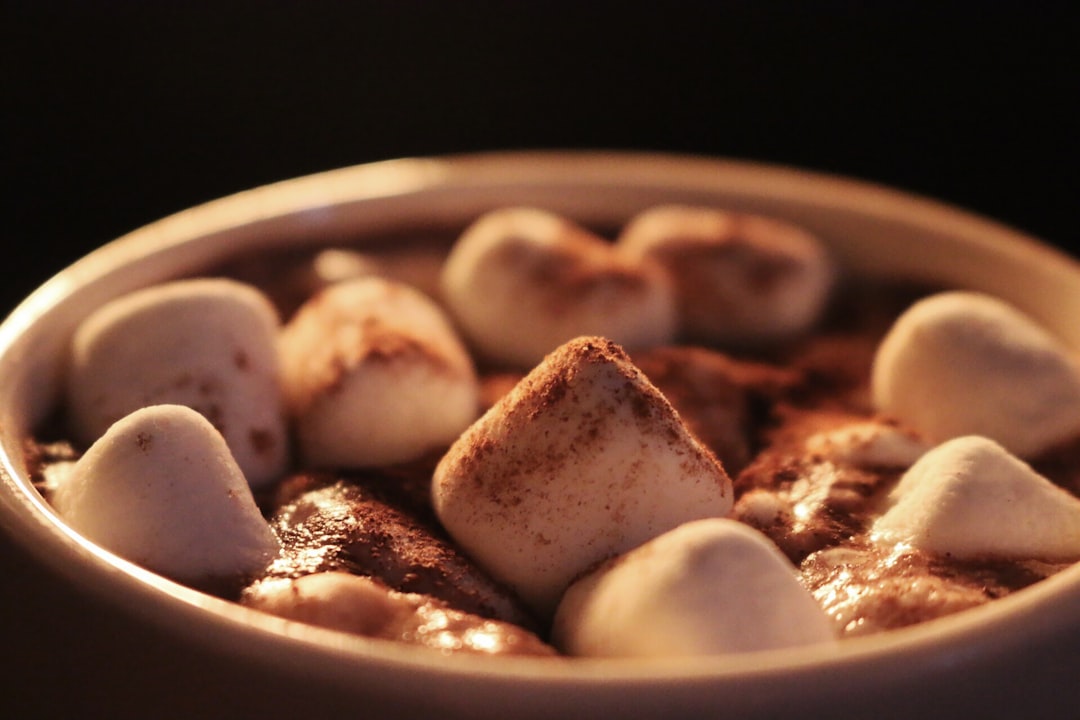
Hot chocolate mixes, cocoa bombs, marshmallows, and flavored syrups all get moved to “Christmas treat” pricing the closer you get to December and the first snow. General food prices are still higher than a few years back, so seasonal items feel extra sharp.
Stock up on big containers of cocoa, plain marshmallows, and simple syrups or flavorings now. You can build your own fancy hot chocolate bar for a lot less than the themed kits, and you’ll be ready for snow days without raiding the weirdly expensive “Christmas cocoa corner” at the store.
12. Cooking Oils and Spray
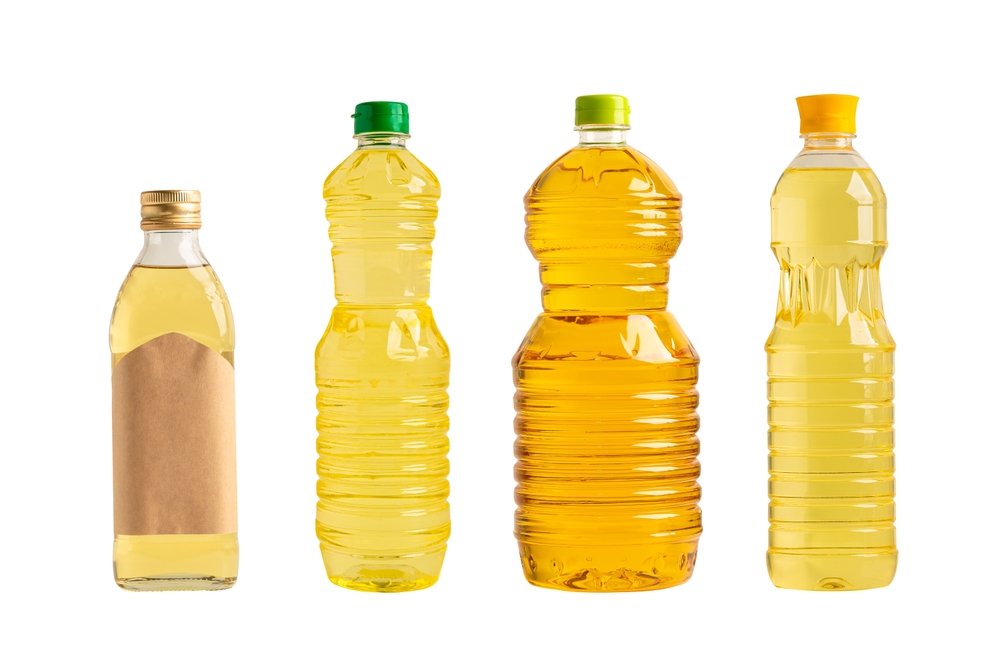
Vegetable oil, olive oil, and non-stick sprays see heavier use around the holidays, and like most pantry staples, they’ve climbed with overall food inflation.
Grab extra bottles while they’re on routine sale, not “holiday special” pricing. Check dates and rotate through everyday cooking. Having a cushion means you’re not paying premium prices or skimping on recipes when you’re cooking for a crowd or baking more than usual.
13. Rice, Pasta, Beans, and Tinned Tomatoes
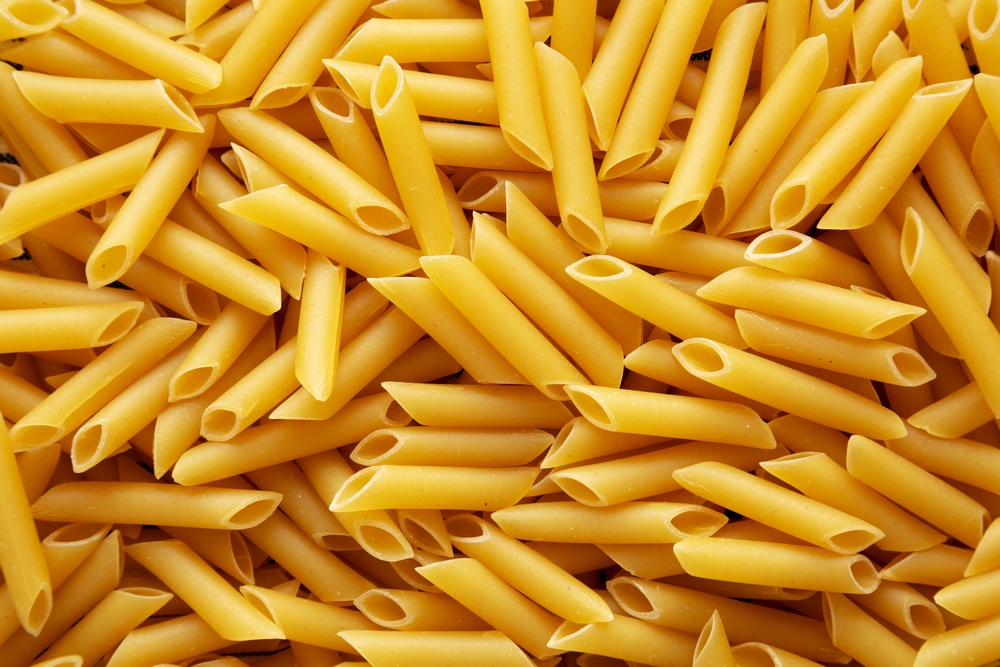
These basics don’t scream “Christmas,” but they absolutely feel the sting when food-at-home prices rise. They’re also the safety net when you’ve blown the week’s energy on a big dinner and need dead-simple meals.
Stock up on rice, pasta, dry or canned beans, and tinned tomatoes now. They’re cheap per meal, store for ages, and let you cook from the pantry if money or time gets tight after gift-buying and parties. That’s a quiet way to offset all the extra seasonal costs.
14. Broth, Bouillon, and Gravy Bases
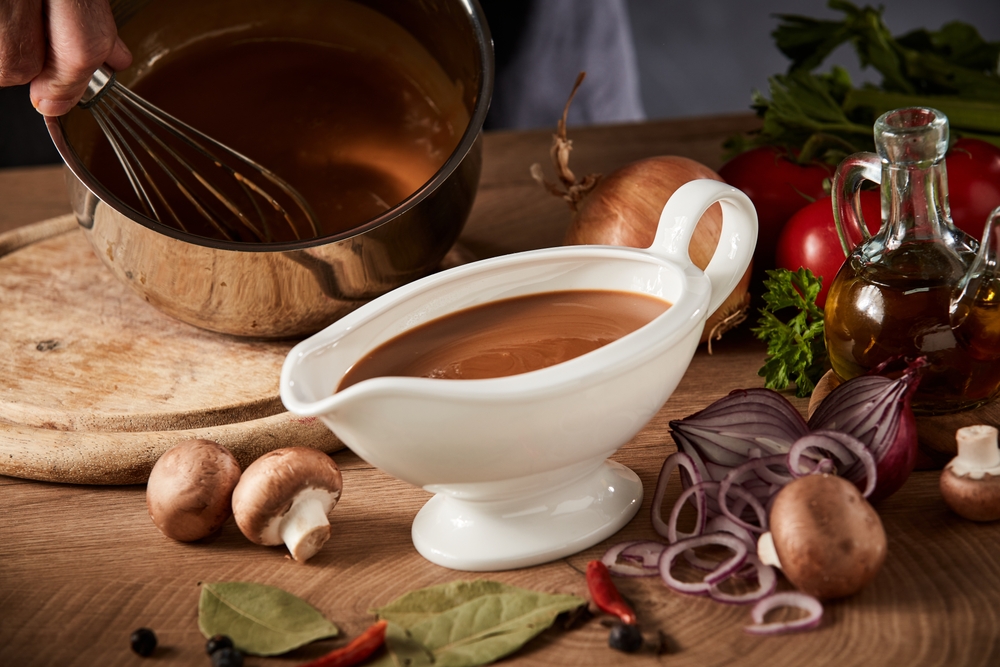
Holiday cooking uses an absurd amount of stock: stuffing, soups, gravies, casseroles. Prepared broths and stock concentrates are convenient, but prices creep up with demand and general food inflation.
Grab chicken, beef, and veggie broth in cartons, plus bouillon cubes or paste, before the big displays go up. They’re shelf-stable and turn random leftovers into meal-worthy soups. And having them on hand means you’re not watering down gravy because you ran out of stock and don’t want to pay “panic price” for a single carton.
15. Breakfast Staples: Oats, Cereal, Pancake Mix
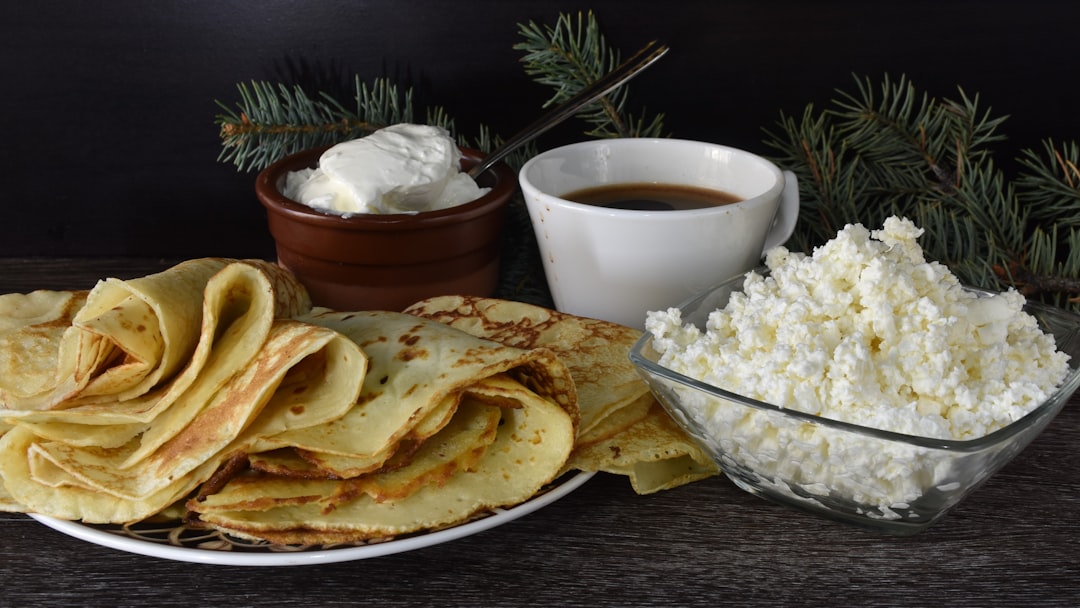
Everyone focuses on the main holiday meal and forgets breakfast. Then you’ve got houseguests and nothing but half a box of sad cereal. Cereal and bakery product prices have risen along with food inflation, and “family size” boxes don’t magically get cheaper at Christmas.
Stock up on oats, basic cereals, pancake mix, syrup, and maybe some frozen fruit or jam. You’ll have easy, cheap breakfasts for guests and lazy mornings, and you won’t be stuck buying whatever is left on the shelf the day before.
16. Paper Towels, Napkins, and Toilet Paper
Holiday season = more people using your bathroom and kitchen. Paper goods are bulky, annoying to carry, and easy for stores to nudge up when demand jumps.
Buy big packs of toilet paper, paper towels, and plain white napkins now. They don’t go bad. Having them stacked in a closet means no emergency runs during a snowstorm and no paying “convenience tax” for tiny packs at the corner shop when your house is full and someone announces you’re out.
17. Foil, Parchment, Cling Film, and Zip Bags

You will use more foil in November and December than the rest of the year combined. Add parchment for cookies, cling film for leftovers, and freezer bags for all the “I’ll eat this later” containers. These items fall under household operations in inflation stats and have nudged up with everything else.
Stock them now. Foil and parchment especially tend to run low in-store right before major holidays. Having an extra roll stashed saves your sanity and your budget when you’re juggling multiple oven dishes.
18. Dish Soap and Dishwasher Detergent
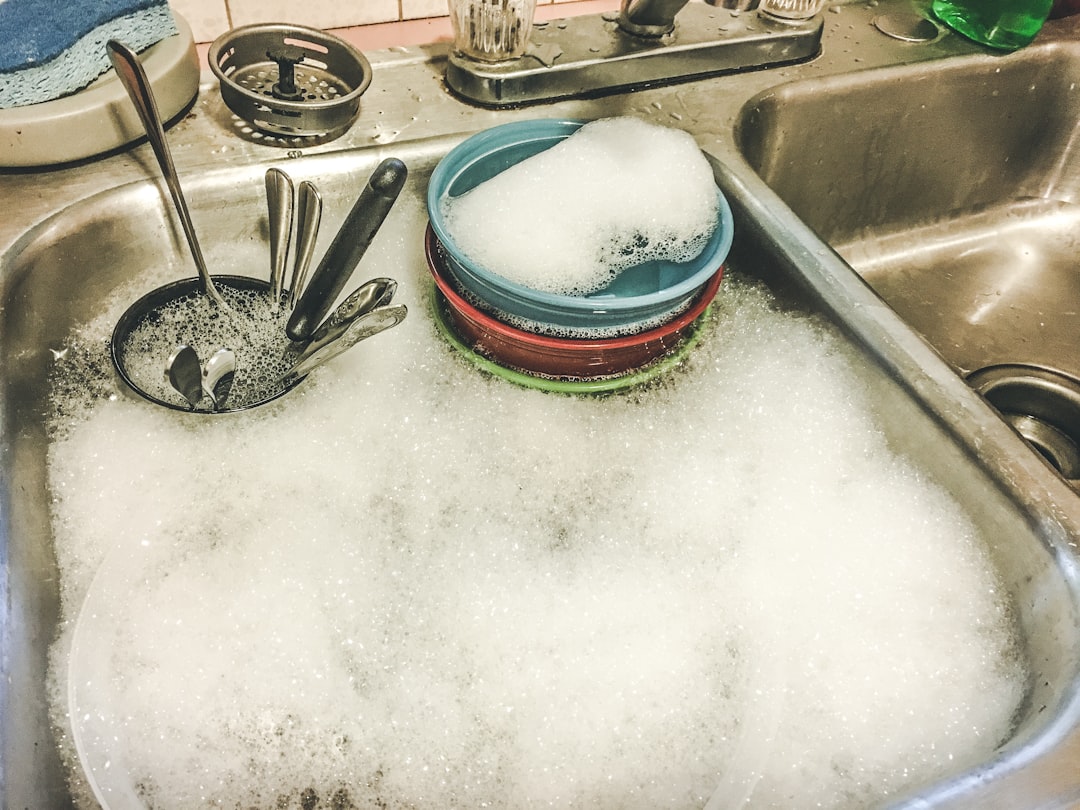
More cooking equals more dishes. Running out of soap the week of Christmas usually means grabbing whatever is on the shelf at whatever price. Household cleaning products live in the same “slow but steady increase” world as other essentials.
Grab extra dish soap and dishwasher tabs now, while you’re thinking clearly instead of elbow-deep in a sink disaster. Keep them under the sink or in a utility closet. You’ll glide through holiday dish mountains without paying a premium or watering down the bottle to “stretch it.”
19. Trash Bags and Recycling Bags
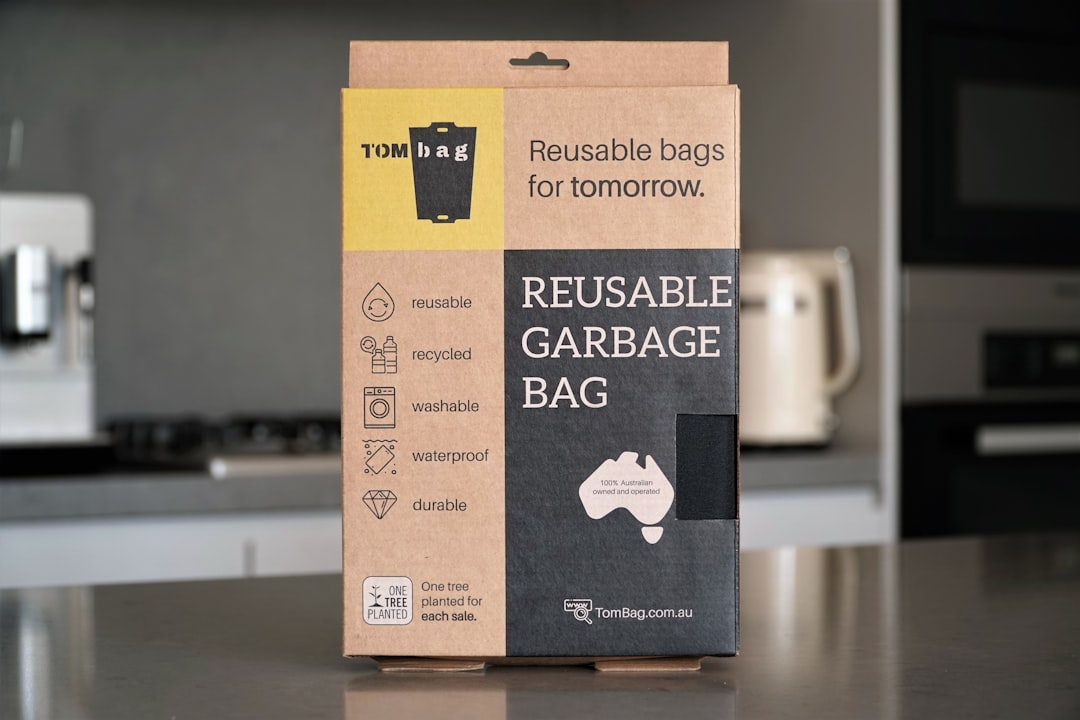
Bigger meals, more packaging, more cardboard, more trash. You don’t want to be wrestling a split bag of turkey drippings while guests are over. Prices on plastics and household supplies tend to track energy and manufacturing costs, which stay under pressure.
Stock up on heavy-duty kitchen bags and recycling bags. If your area sells special city-branded trash bags, buy an extra pack ahead of time. It’s boring, but it saves you scrambling with overflowing bins when pickups are delayed around holidays.
20. Candles (Utility and Decorative)

Candles are double-duty: light in a power cut and instant “cozy” when you’re trying to make things feel festive without cranking the thermostat. Decorative candles go full “gift pricing” in December.
Pick up a stash of plain unscented pillars or tealights for tables and emergencies, plus a few nicer scented ones if you like them. Store them cool and upright. You’ll skip the overpriced gift sets and still have atmosphere and backup light if winter storms knock things out.
21. Batteries (AA, AAA, and Button Cells)
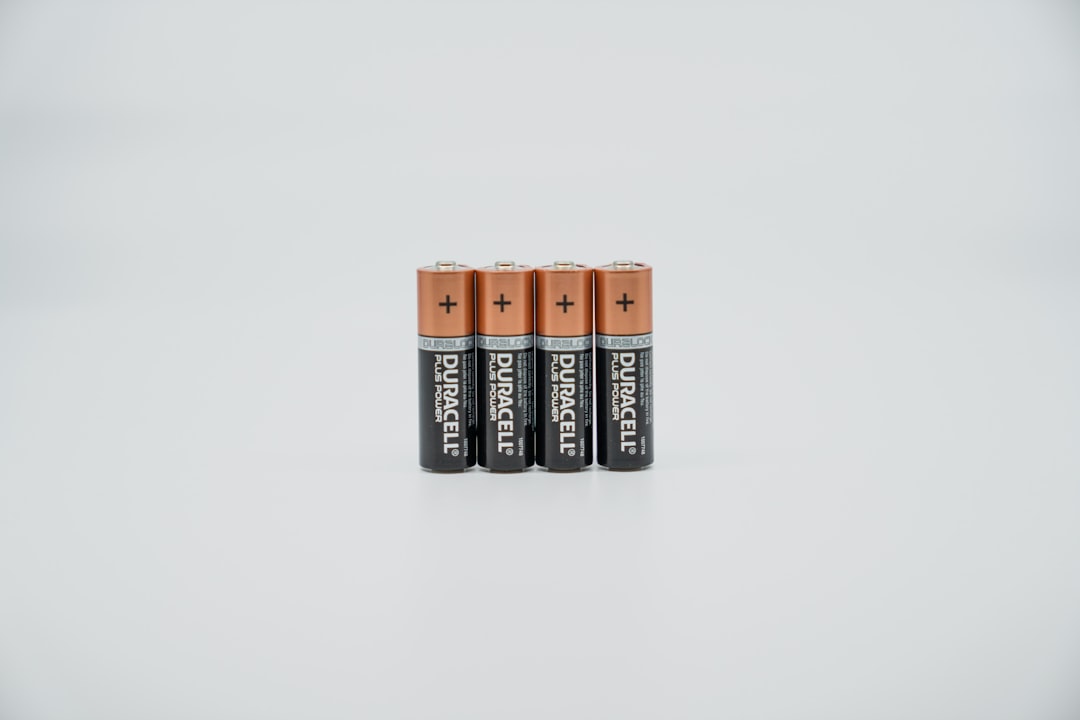
Battery demand spikes hard over the holidays thanks to toys, gadgets, and lights. Retail and industry data show battery sales jumping 40–60% during November–December, with frantic last-minute buying right up to Christmas Eve.
Buy a brick of AA and AAA now, plus the weird sizes your gear needs. Check toy manuals and remotes before you shop. Having a labeled battery box means new gifts and decorations work straight out of the packaging, and you’re not paying top dollar in a gas station on Christmas morning.
22. Spare Light Bulbs and Fuses for String Lights
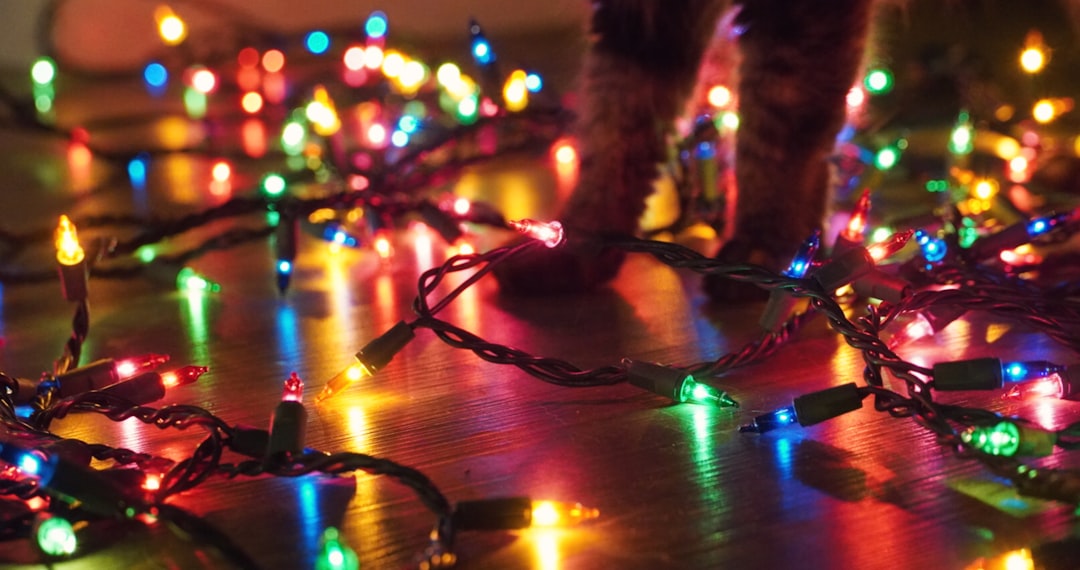
Holiday lights burn longer hours and fail at the worst times. Replacement bulbs and little fuses for strings always sell out early in the season.
Before you decorate, test your existing sets and make a note of what bulb sizes you need. Pick up spare LEDs and a small kit of generic light-string fuses. That tiny investment keeps you from tossing a whole string because one fuse blew, and it saves you from “all sold out” shelves in mid-December.
23. Extension Cords and Power Strips
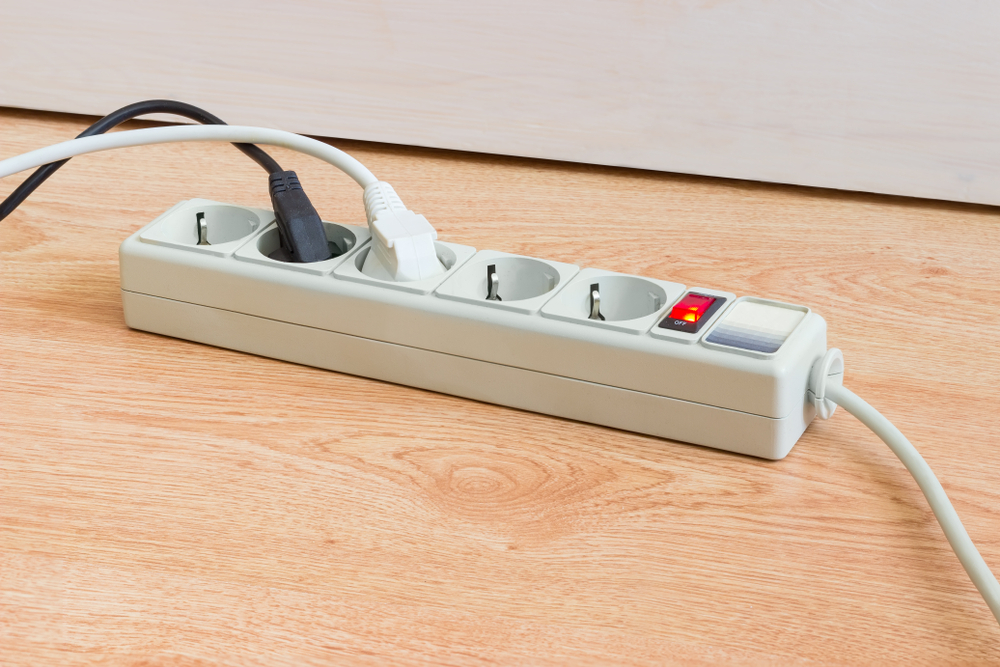
Between lights, electric candles, and gadgets charging for guests, outlets fill up fast. Safer extension cords and surge-protecting power strips are better than daisy-chaining cheap cords in a panic.
Buy a couple of extra heavy-duty, grounded cords in sensible lengths, plus a surge strip or two. You’ll be able to place decor where it actually looks good instead of just where the plug happens to be—and you’ll avoid the “only the junky cords left” problem once everybody else realizes they’re short.
24. HVAC or Furnace Filters
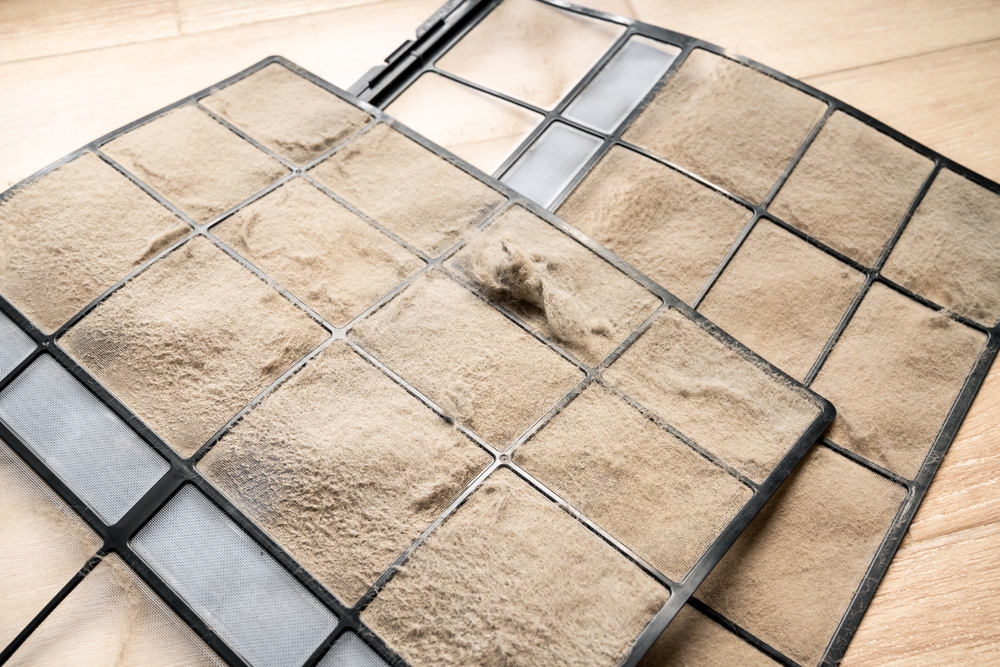
When you’re heating more and have more bodies in the house, your system runs harder. Dirty filters make it work even harder and waste energy. Heating and utility costs remain one of the big winter budget hits.
Check your filter size now and grab a multi-pack. Swapping filters on schedule keeps the system efficient and helps with winter dust and pet dander when everyone’s stuck inside. It’s one of those quiet “stock now, save later” moves you only think about if you plan ahead.
25. Firewood and Kindling
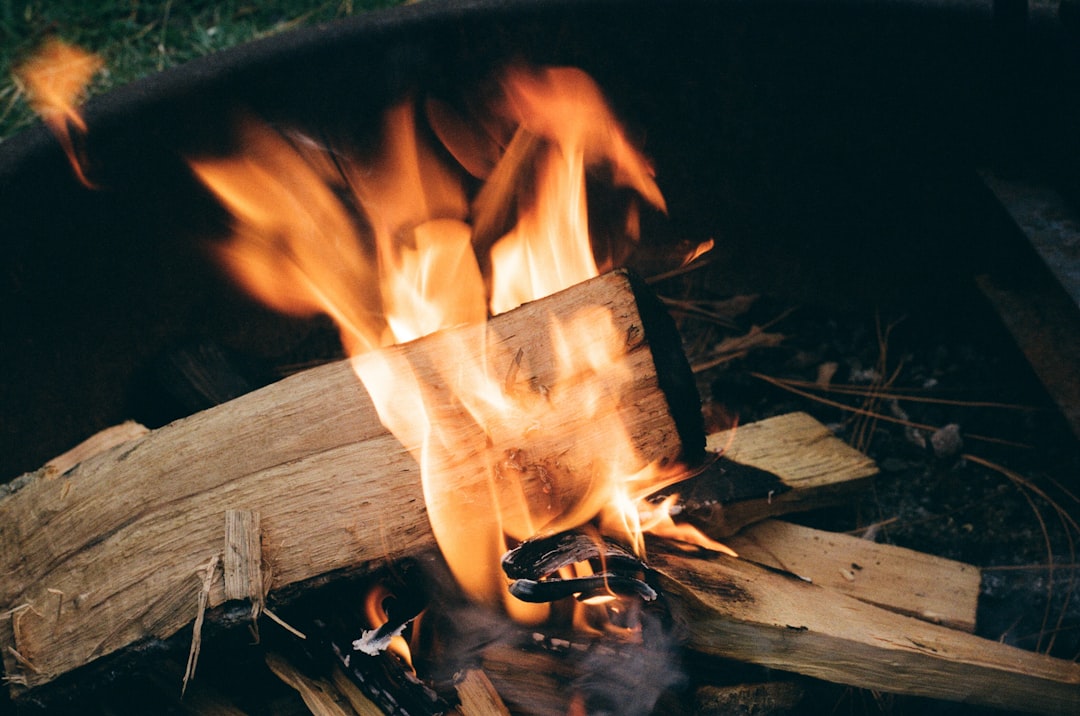
If you heat with wood or just use a fireplace for coziness, winter is not when you want to be negotiating overpriced, damp “holiday bundles.” Prices often climb as demand rises and dry stock gets tight.
Buy and stack dry wood and kindling early in the season. Keep it covered but ventilated. Having a decent pile ready means you’re not paying a premium for tiny grocery-store bundles that barely last an evening, and you’ve got backup heat if your main system hiccups.
26. Propane or Grill Fuel (Stored Safely)
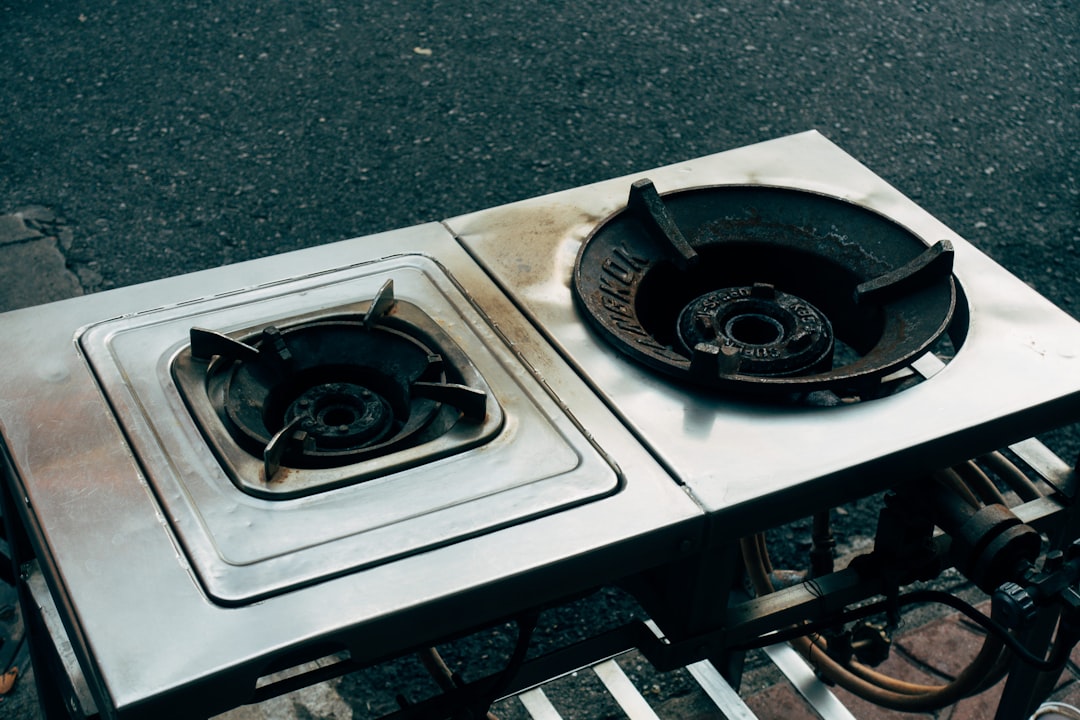
A full grill tank means backup cooking if the power goes out and easy outdoor cooking if the kitchen’s maxed out. Propane prices tend to follow energy markets and can bump up when demand rises in winter.
Top off tanks before deep winter. Store them outdoors in a safe, upright position, never in a garage or house. You’re not hoarding; you’re just not discovering an empty tank with half-cooked food and a crowd waiting.
27. Humidifier Filters and Water Filters

Heating dries indoor air, which dries out sinuses and skin. Humidifiers help, but only if you actually have the right filters on hand. Filter cartridges and pitcher filters can run low in winter when everyone remembers their air and water quality.
Check model numbers now and buy at least one spare set. Same for fridge water filters and basic pitcher filters. You’ll be able to keep the air comfortable and the water tasting decent without paying expedited-shipping prices in December.
28. Gift Wrap, Tape, and Gift Bags
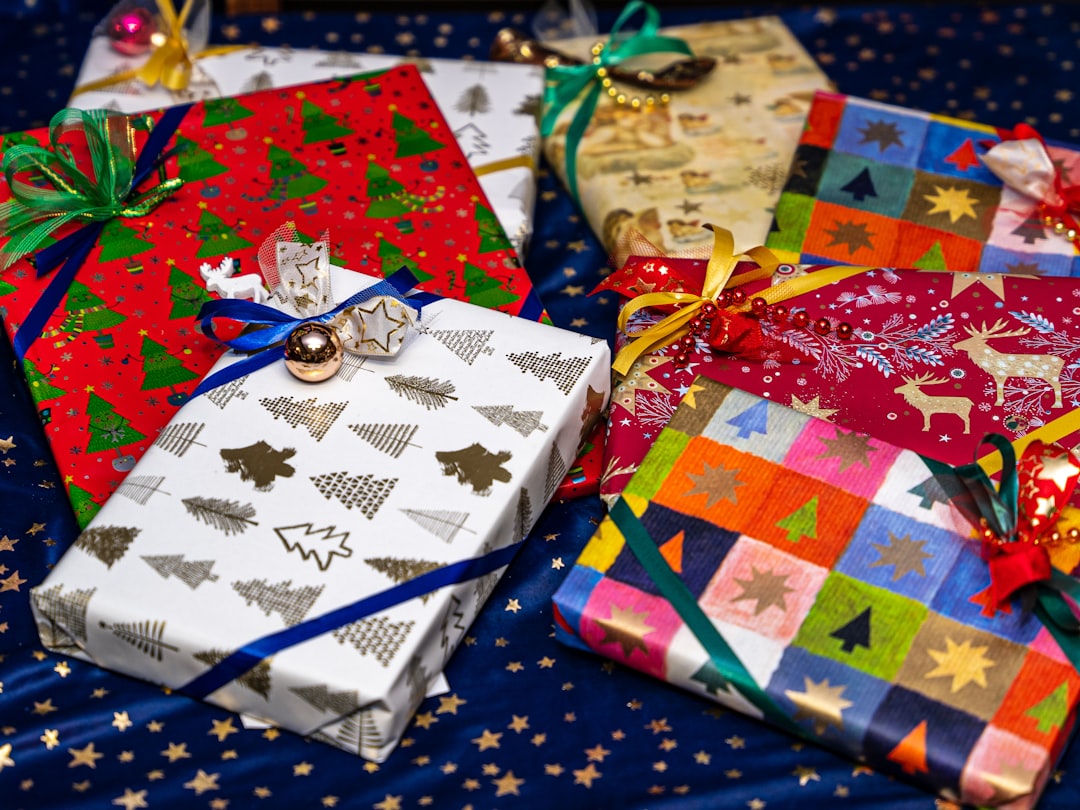
Wrapping paper, tape, and bags are the easiest things to grab early, and somehow everyone still ends up overpaying for “premium” rolls at the last minute. Retailers lean hard into seasonal markups for these.
Buy plain kraft paper, a few nice rolls, strong tape, and a stash of assorted gift bags and tissue now. You can dress up plain paper with string or stamps and use it for any occasion, not just Christmas. Future you will be very grateful at 11 p.m. on December 24.
29. Shipping Boxes, Bubble Wrap, and Postage
Carriers add “peak season” surcharges from roughly October through January, and base shipping rates have climbed steadily. USPS, UPS, FedEx and others tack on extra fees per package during the holiday rush.
You can’t dodge holiday surcharges entirely, but you can avoid panic spending. Gather boxes, padded mailers, bubble wrap, and tape now, and plan shipping dates early so you can use slower, cheaper options instead of overnight “oops” rates.
30. Stocking Stuffers (Basics, Not Random Junk)
Tiny toys, novelty socks, and candy all creep up in price and get repackaged into smaller “gift” packs. Toy and candy categories face extra pressure this year from tariffs and higher input costs.
Think practical: lip balm, fun pens, hair ties, travel-size toiletries, small card games, simple chocolate bars bought in multi-packs. Grab them slowly over a couple of trips while prices are normal and stash them in a “stocking box” so you’re not panic-buying useless plastic on December 23.
31. Kids’ Craft Supplies

Crayons, markers, glue, and paper are priceless when kids are home from school and bouncing off the walls. Seasonal craft kits often cost way more than the underlying supplies.
Buy bulk basics now: crayons, washable markers, glue sticks, construction paper, kid scissors, and maybe a big tub of random craft bits. You’ll have rainy-day and snow-day activities ready to go, plus an easy way to make homemade cards and decorations instead of paying for everything pre-made.
32. Board Games and Puzzles

Games and puzzles are classic “family time” buys, and toy reports show prices in that category rising with tariffs and production costs.
Watch for decent sales in early fall and pick up one or two good-quality games or puzzles you actually want to play. They double as gifts and as emergency entertainment when weather or budgets keep everyone in. Buying early gives you time to read reviews and wait for genuine discounts instead of grabbing whatever is left on a half-empty shelf.
33. Books and Activity Pads
Books rarely get cheaper right before Christmas; popular titles can sell out or get pushed into shiny “gift editions” for more money.
If you know you’ll want cookbooks, kids’ chapter books, color-by-number pads, or puzzle books, pick them up now. You can also keep a small stash of “backup books” that work as last-minute gifts for kids’ parties, hosts, or relatives you forgot were coming.
34. Basic Winter Clothing: Socks, Hats, Gloves
Winter accessories get more expensive as the weather turns properly cold, and the cheap “gift set” hats and gloves are rarely good value.
Make a list of who actually needs socks, thermal layers, beanies, and gloves. Watch for early sales and buy solid, practical items. They can be wrapped as gifts or just quietly handed over when someone realizes last year’s gloves have vanished. Either way, you’re not paying top dollar during a cold snap.
35. Toiletries and Personal Care Gift Set Ingredients
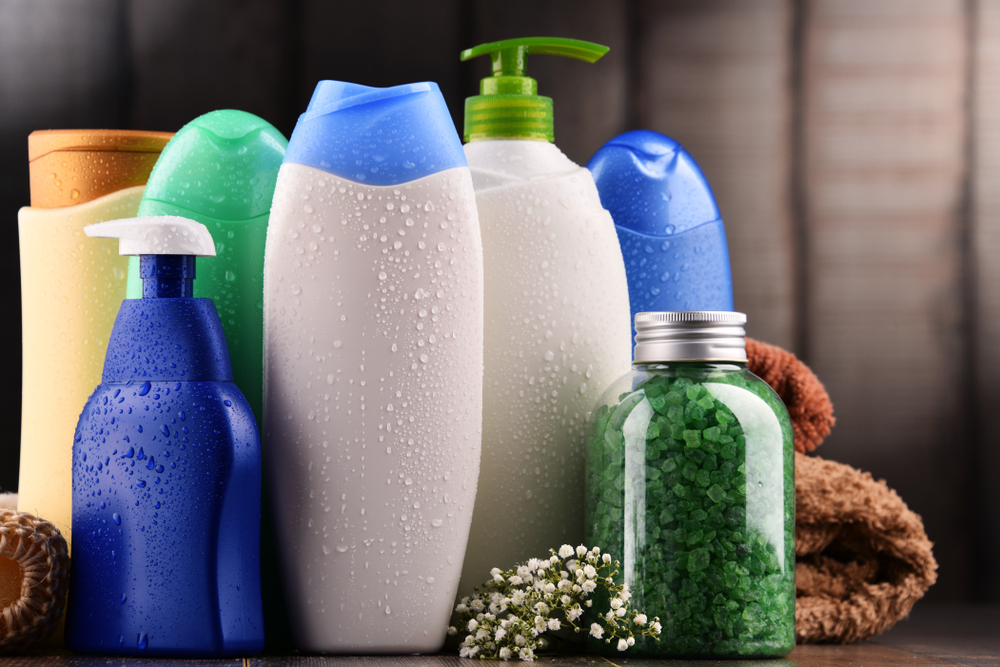
Big brands love bundling soap, lotion, and shower gel into “holiday gift sets” that cost more per ounce than the everyday bottles. Personal care and beauty categories also see higher prices around holidays when demand spikes.
Buy full-size bottles of nice but not silly-expensive products now. Later, pair them with a washcloth or reusable basket and you’ve got a gift that feels generous without paying the “already packaged for you” tax.
36. Reusable Jars, Tins, and Containers for Homemade Gifts
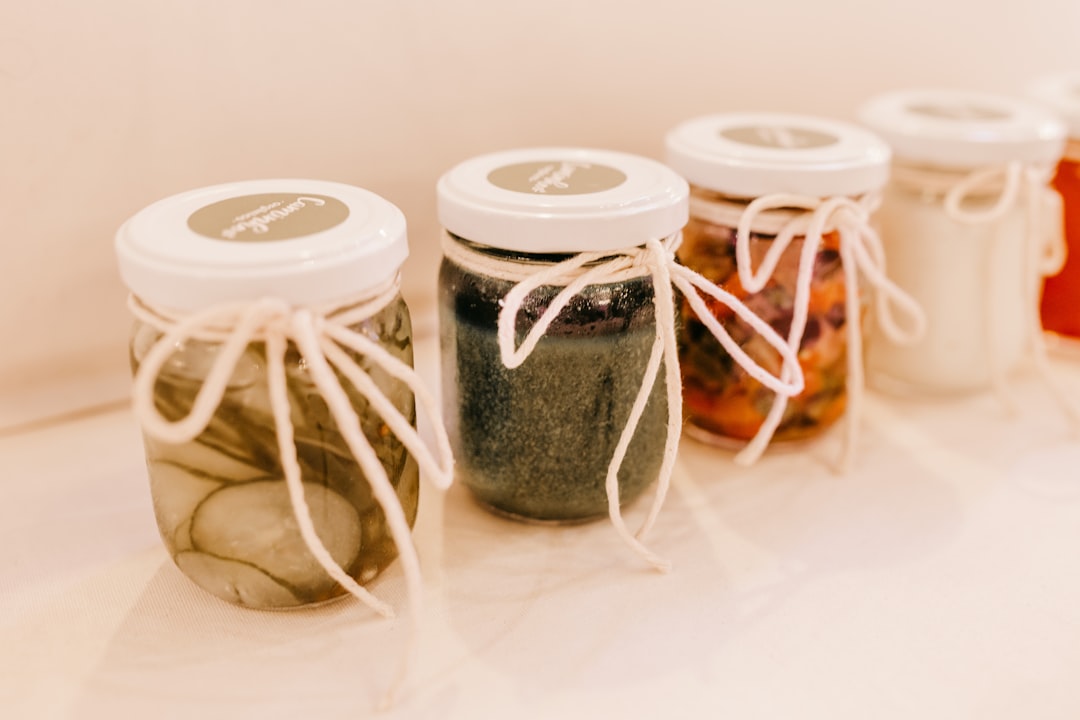
If you like giving fudge, cookies, spice mixes, or bath salts, the packaging can cost as much as the contents right before Christmas.
Pick up plain mason jars, tins, or sturdy containers now, either new or from thrift stores. Wash, dry, and store them. When it’s time to gift food or homemade goodies, you have nice containers ready to go without paying a seasonal markup for anything with snowflakes printed on it.
37. Reusable Shopping Bags and Totes

Holiday runs multiply. Having strong reusable bags means fewer impulse paper or plastic purchases at the checkout and easier hauling of bulk items. Some retailers even give small discounts for bringing your own bags.
Grab a few sturdy totes and keep them in your car and by the door. They also double as quick “gift sacks” in a pinch, especially if you add tissue and a tag. One simple prep that saves both money and frustration.
38. Printer Ink and Paper
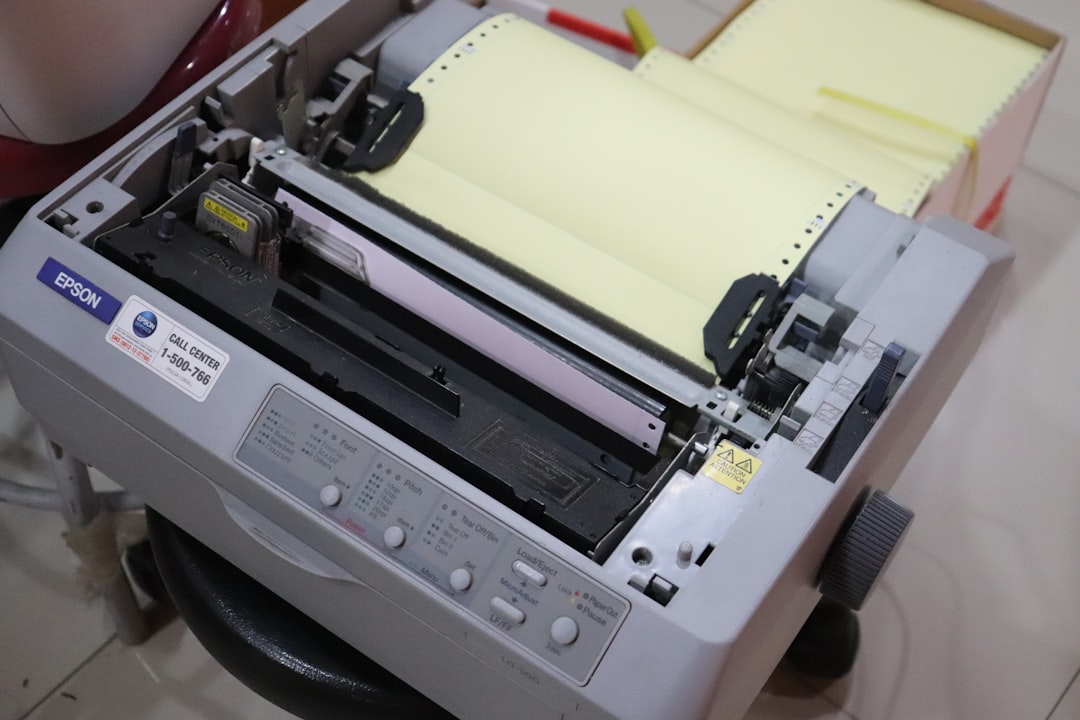
Between printing shipping labels, return labels, tickets, kid stuff, and recipes, printers get more use in November and December than the rest of the year. Ink and paper don’t necessarily spike in price, but they do run out at the worst moment.
Check your cartridges now and buy one spare set plus a ream of paper. Having backup ink lets you use cheaper online postage and DIY labels instead of paying counter prices or premium rush shipping on label supplies.
39. Over-the-Counter Cold and Flu Meds

Cold and flu season overlaps the holidays. OTC meds like decongestants, pain relievers, and cough syrups see higher demand and can be more expensive or low in stock when waves hit.
Check what you actually use: adult and kids’ pain relievers, decongestants, saline spray, lozenges, a thermometer. Buy them now and check expiry dates. This isn’t about hoarding; it’s about not standing in a pharmacy queue with a fever, paying whatever the shelf says.
40. Pain Relievers and Fever Reducers

Same story, but worth its own slot. Acetaminophen, ibuprofen, and kids’ formulas vanish off shelves when flu, COVID, or RSV spike. We saw this play out in previous winters with shortages.
Keep a couple of bottles in date, stored safely away from kids. It’s much nicer to reach into your cabinet at 2 a.m. than to try to track down a pharmacy that still has children’s syrup the week before Christmas.
41. Hand Soap, Dish Soap, and Sanitizer

More guests, more cooking, more germs. Handwashing is still one of the simplest ways to keep everyone healthy, especially when virus season and holidays overlap.
Buy extra gentle hand soap and maybe a backup bottle of sanitizer now. Keep a small stash under the sink. You’ll make it through the season without resorting to harsh, drying stuff in weird scents just because that’s all that’s left.
42. Moisturizers, Lip Balm, and Tissues

Cold air plus central heating plus more time indoors is a recipe for cracked skin and noses. Simple, effective moisturizers and lip balms get grabbed more often in winter.
Stick a few extra tubes of lip balm, some plain facial moisturizer, and several boxes of tissues into your cart while prices are normal. They work as stocking stuffers and as “please take this, you look miserable” care items when the first cold hits.
43. Pet Food and Litter

Your pets don’t care that it’s Christmas. They do care if you run out of food or litter when stores are closed or roads are nasty. Pet supplies can see higher prices when shipping and ingredient costs rise, and holiday demand doesn’t help.
Keep at least a couple of weeks’ extra dry food and litter on hand. Rotate so you’re using the oldest bag first. That buffer means one delayed delivery or snowstorm doesn’t turn into a full-blown “cat mutiny” situation.
44. Poop Bags and Cleaning Supplies for Pets
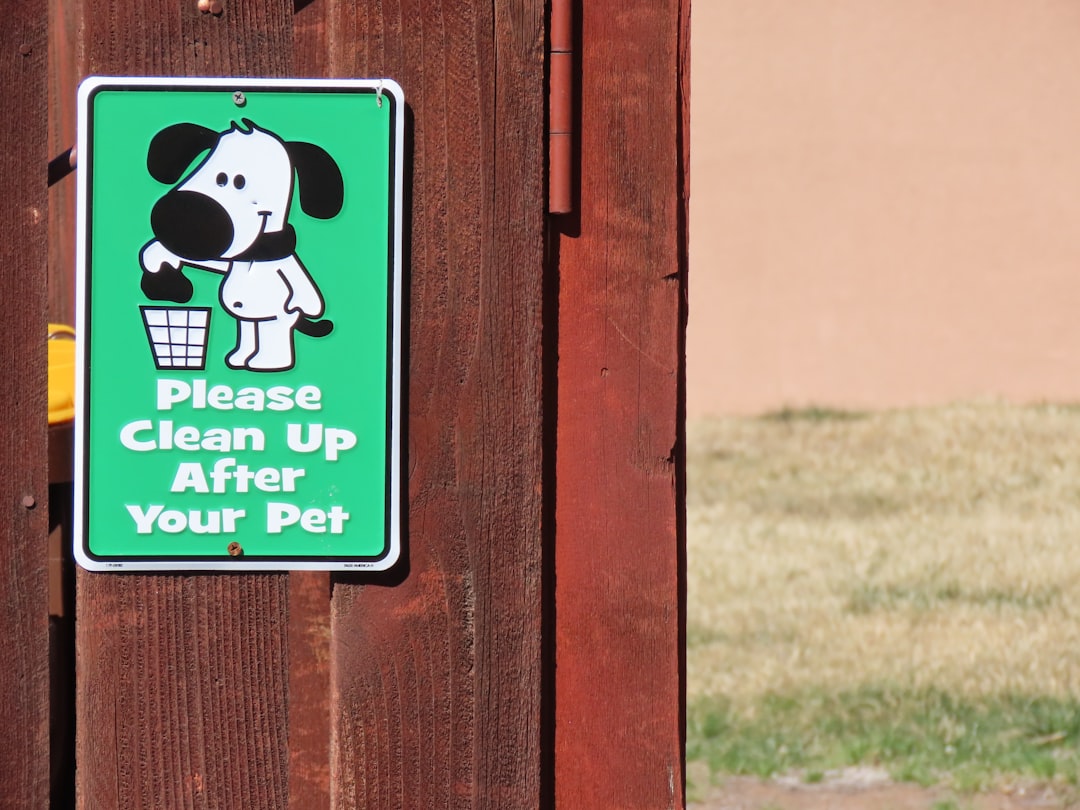
Holiday walks still happen. More guests also mean more chances for indoor accidents if pets get stressed. Poop bags, enzyme cleaners, and basic pet wipes are easy to forget until you’re out.
Stock a few extra rolls of bags and a bottle of good cleaner now. It’s a small cost that saves carpets and sanity when things get busy.
45. Windshield Washer Fluid, De-Icer, and Wiper Blades

Holiday travel means more driving in bad weather. Washer fluid, ice scrapers, and wiper blades often sell through during the first storms, and car-maintenance costs in general have trended up.
Top up washer fluid, throw an extra jug in the trunk, replace tired wiper blades, and keep an ice scraper in every vehicle. It’s not glamorous, but it’s a lot cheaper and safer than trying to shop for these with frozen hands in a half-empty aisle on Christmas Eve.
46. Ice Melt, Sand, and Snow Shovels

Once the first real storm hits, everyone runs to buy ice melt and shovels, and prices rise with demand.
Buy a bag of pet-safe ice melt or sand and a decent shovel now. Store them where you can reach them without crossing a skating rink. That way you’re not paying a premium for whatever flimsy plastic shovel is left after the first freeze.
47. Flashlights and Headlamps
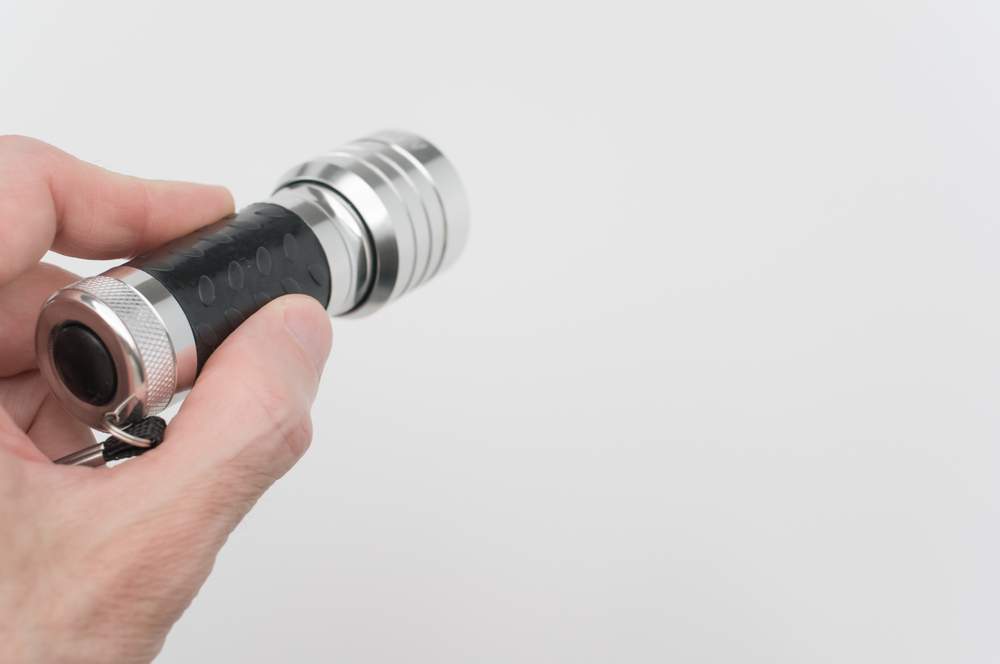
Winter storms knock power out at the least convenient times. Flashlights, headlamps, and lanterns are often grabbed at the last second, and you pay for that panic.
Check what you have, replace dead batteries, and add at least one decent flashlight and one headlamp per household adult. Keep them where you can find them in the dark. Pair this with that battery stash you already bought and you’re set.
48. Basic First-Aid Supplies

More cooking, more visitors, more chances for minor cuts, burns, and headaches. First-aid kits often get ignored until they’re needed, and you discover all that’s left is one crumpled bandage.
Restock bandages, antiseptic wipes, burn gel, gauze, and tape now. A simple plastic bin with labeled basics beats any overpriced “holiday emergency kit” at the store, and it’ll carry you well beyond Christmas.
49. Everyday Pantry Treats for Host Gifts
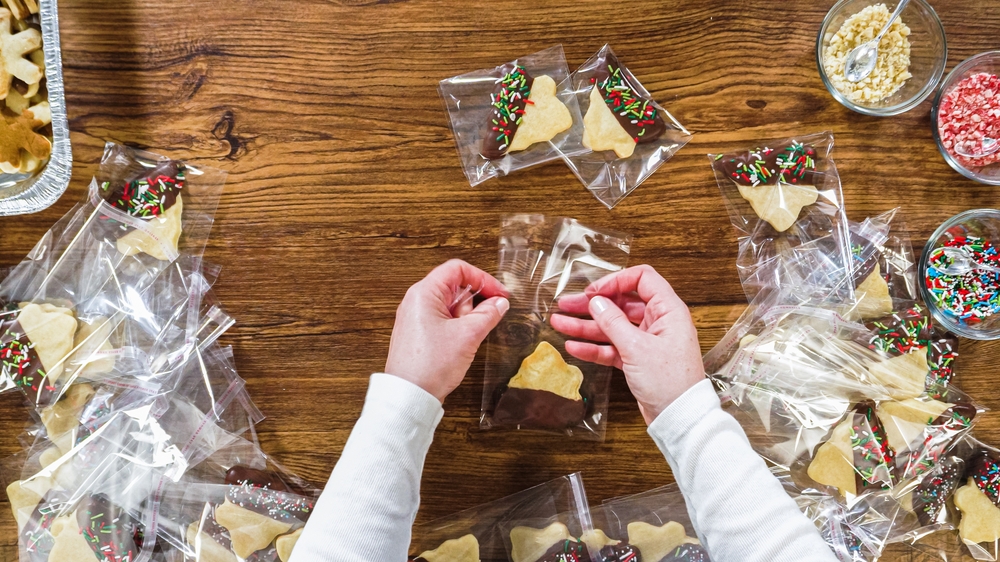
Chocolate, good tea, nice coffee, and decent olive oil all get dressed up and marked up as “gourmet gifts” in December.
Buy a few extra nice-but-normal pantry items now. When you need a host gift or something for a teacher, you can make a small gift bag from full-sized, good-quality staples instead of grabbing a tiny, expensive pre-packed set.
50. Wine, Spirits, and Holiday Drink Mixers

Alcohol gets hit hard by holiday demand. Retail data shows big seasonal spikes in beer, wine, and spirits sales in November–December, and prices tend to follow when demand jumps and promotions shift from “stock up” to “last-minute gifting.”
If you know you’ll want wine for dinners, a bottle of bubbly, rum or brandy for baking, or simple cocktail basics, buy them now while selection is good and deals are quiet, not flashy. Don’t forget mixers: tonic, ginger ale, soda, and simple syrups all creep up or sell out near Christmas. Stored cool and upright, they’ll be just as good when you’re ready to pour.

