
Affiliate disclosure: This post may contain affiliate links. Please see full disclosure.
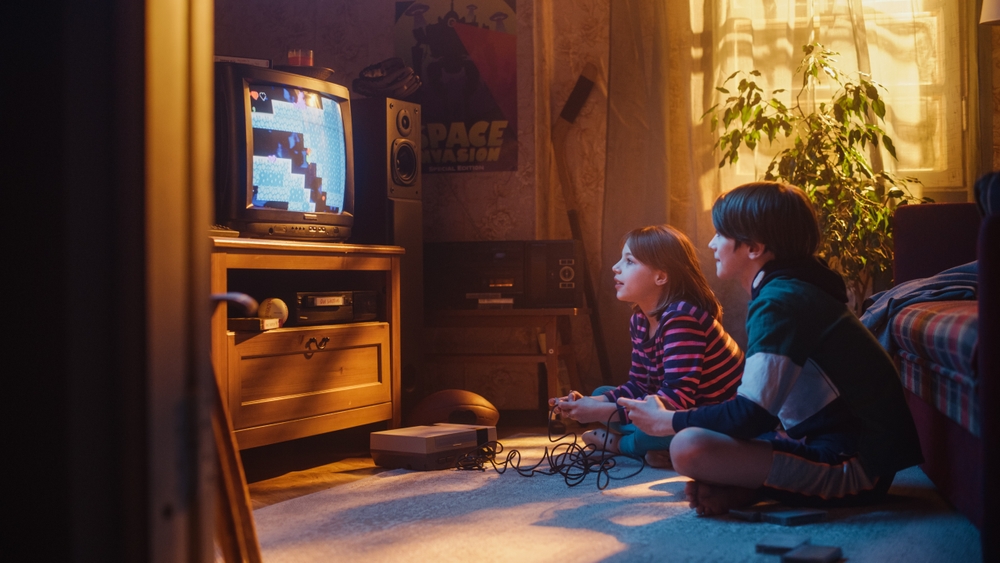
Old Walkman. Chunky VCR. Weird calculator with way too many buttons. Blocky old game console that’s seen better days. You don’t any of it, but your brain is whispering, “Someone out there definitely wants this.” And you’d be right. Vintage electronics are my main source of reselling/flipping income. The demand only seems to increase.
Old tech looks tired on the shelf, but it’s one of the most reliable income streams I’ve ever added to our homestead mix. People want to replay their childhood games on real consoles, listen to tapes again, or put a Bose radio on the counter because it feels like home. That demand turns certain retro electronics into fast flips and very real cash.
Just remember, wherever possible, always plug it in and test it before you buy.
Hit play. Eject the tape. Turn the volume knob. If there’s a screen, make sure it lights. “Untested” can sometimes still be worth snagging, but only if it’s a really good price.
1. Sony Walkman & Other Cassette Players
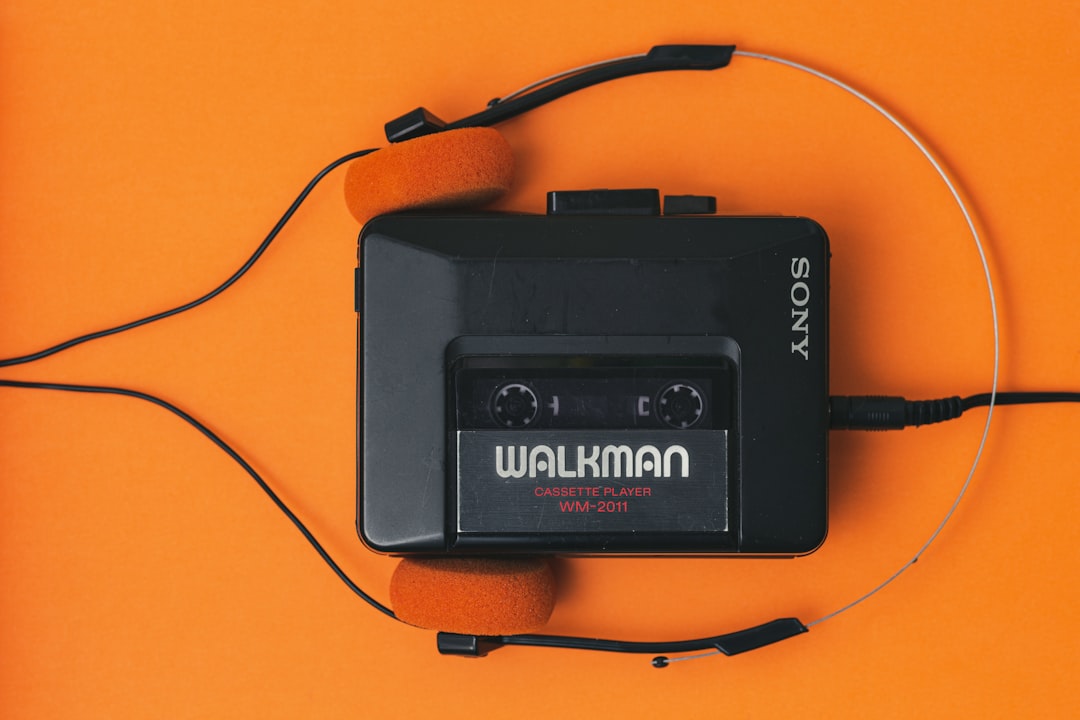
Walkman-style cassette players are tiny but mighty when it comes to profit. I always check the cassette door, pop in a tape if I brought one, and see if it plays at a normal speed without horrible grinding noises. Sony is the big name, but Aiwa, Panasonic, and some Sanyo units can be great too. Anything in a bright sport yellow shell or slim metal body gets extra attention from me.
The top-end models can get wild. High-end originals like the TPS-L2 have sold for the equivalent of around $900. Even more ordinary Walkman models regularly sit in the $80–$200 range when serviced and tested.
I’m usually paying $5–$20 at thrift stores. I test them, clean the casing, avoid scrubbing off logos, and photograph the player from a few angles with the door open so buyers can see the tape compartment is clean. There’s a whole crowd of people who just want to hear a cassette click and whir again, and they will happily pay you for that feeling.
2. Sony Discman & Vintage Portable CD Players

If you spot an old Sony Discman or chunky 90s portable CD player, don’t walk past it. These flip well because they hit that sweet nostalgia spot and still work fine with modern headphones and cars that have aux inputs. I always test with a real CD: does it spin up, read quickly, and play without skipping if you gently bump it?
Working Sony Discmans land all over the place depending on model and condition, but it’s easy to find units listed in the $30–$150 range (for example, a tested Sony D-E301 recently went for just over $30). Rarer or boxed models can go much higher.
I expect to pay $4–$12 at yard sales or thrift stores. I also often find these in mixed auction lots where the entire box costs less than $10. I clean the case, make sure the battery compartment isn’t a science experiment, and show it powered on in the photos. Mention clearly that it’s tested with a CD and note any quirks (“skips if you shake it hard,” etc.). Buyers love knowing exactly what they’re getting.
3. Standalone VCRs (Especially Brand-Name)
VCRs sound like the last thing anyone would want until you list a clean, working one and watch how fast it sells. People still have home movies on tape. They still pick up VHS at yard sales. And they still need something decent to play it all on. I look for Panasonic, JVC, Sony, and other solid brands, then I always plug them in if the store will let me.
My quick test: insert a tape, hit play, fast-forward a little, rewind, pause, and eject. If it does all that smoothly and doesn’t make terrifying noises, I’m interested. A tested Panasonic PV-2800 unit will sell for $40 or more, and that’s not unusual for a solid, mid-range VCR. I regularly sell VCRs at this price point, and some sought-after models and those with original remotes (and manuals) can easily sell for triple this.
Most thrift stores price these in the $8–$15 range simply because they’re bulky and “old.” They do take more packing material to ship, but the margins are solid and the demand is real. If you want a dependable, repeatable flip that quietly pays bills, a shelf of tested VCRs is a surprisingly good way to get there.
5. VHS/DVD Combo Units
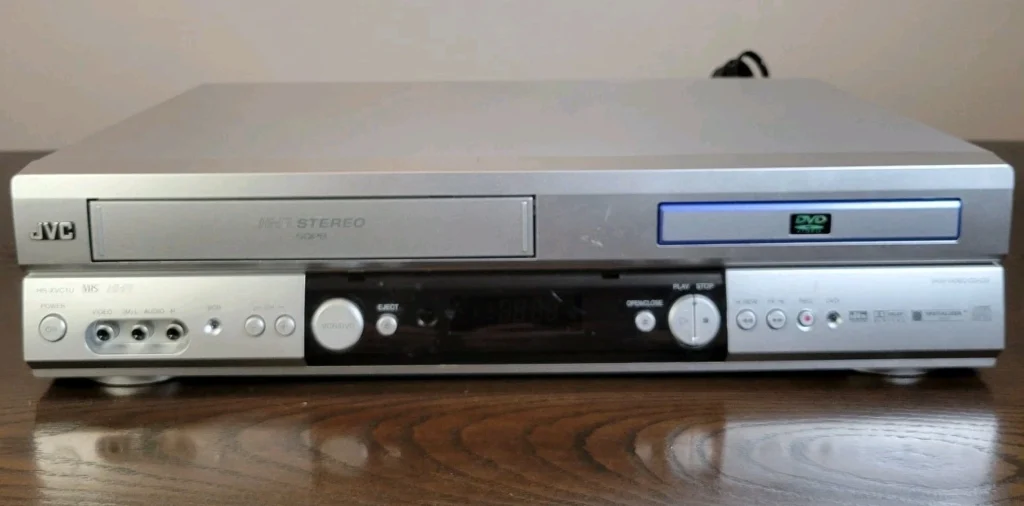
If a plain VCR is good, a VHS/DVD combo is even better. These boxes are workhorses for folks who want to watch old tapes and still have a DVD drive for movies or backups. I treat testing very seriously here: I run a VHS tape all the way to fast‑forward and back, then toss in a DVD to make sure it reads, plays, and responds to the remote.
DVD recorder combos are the real sweet spot. Panasonic units like the DMR‑EZ47V have a strong following because they’ll play tapes and burn them to disc. Working EZ47V combos commonly change hands in the $180–$250 range depending on condition and accessories.
Most thrift stores price combos at $10–$25, lumped in with random DVD players. I’ll happily pay that if both sides test clean. Yes, they’re heavy. Yes, they use up packing peanuts. But they also sell quickly and predictably, which is exactly what you want when you’re flipping to cover real‑life bills.
6. Early Nintendo Consoles (NES, SNES, N64)
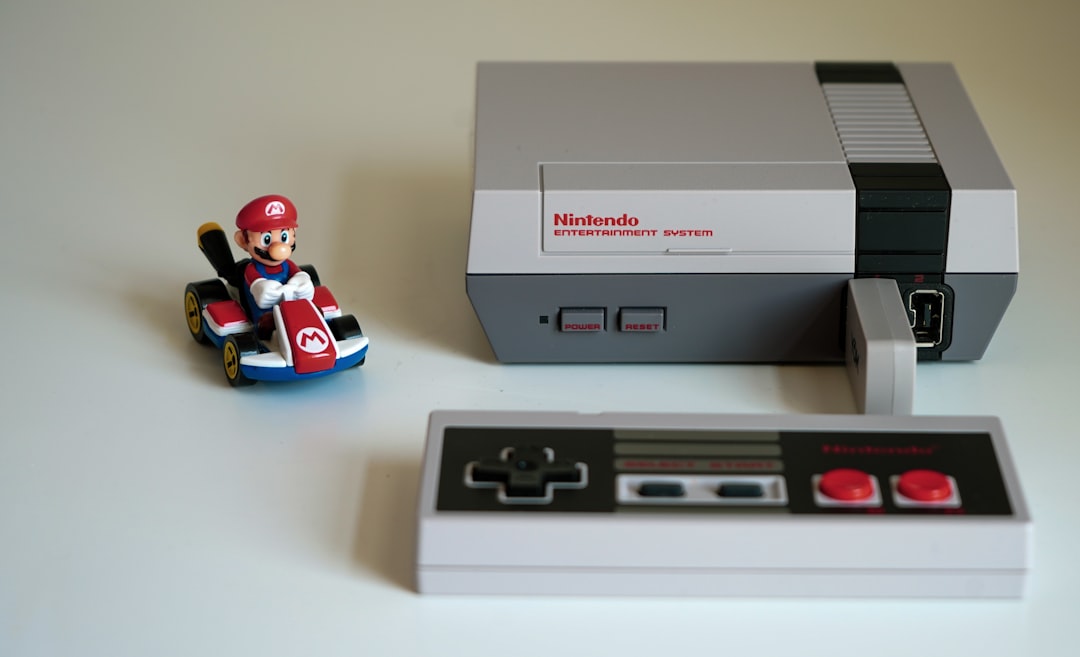
Retro Nintendo is its own ecosystem, and the demand is not slowing down. If I see an original NES, SNES, or N64 on a shelf, I at least check it over. I look for a clean cartridge slot, intact labels, and no rattling parts when I gently shake the console. Ideally I can plug it into a test TV, but even if I can’t, I’m picky about condition and pricing.
Even loose consoles do well. One NES console with controllers and a game cartridge recently ended at $120. That’s a very normal number for a clean, tested setup, not some wild collector one‑off. SNES and N64 systems with the right cables and at least one controller sit in similar or higher ranges.
I try to keep my buy‑in under $30–$60 depending on model and condition. These consoles are compact enough to store in a tote, easy to ship with good padding, and they attract buyers who already know exactly what they’re searching for. If you’re willing to test and maybe clean a few contacts, early Nintendo hardware is a rock‑solid retro electronics flip.
7. Sega Genesis / Mega Drive & Other Early Sega Consoles
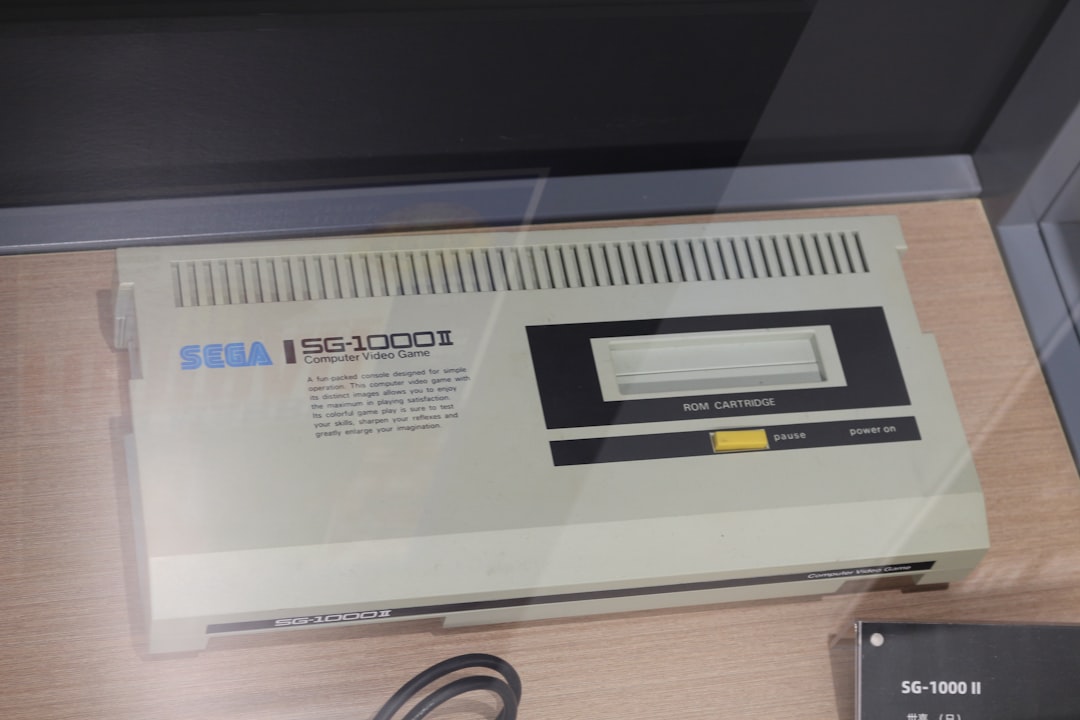
If you grew up on Sonic, Sega consoles probably hit you right in the nostalgia. They hit your wallet in a good way, too. I always slow down for original Genesis/Mega Drive systems and early Sega add-ons. The Model 1 and Model 2 consoles are the easiest to move. At the store, I look for intact labels, no mystery rattles when you gently shake it, and clean ports that aren’t full of dust or corrosion.
Ideally, I can plug them in and run a quick test with a cart. Power on, video output, and responsive controller ports are the big three. If a store has no way to test, I get picky and only pay rock-bottom prices. Tested Sega Genesis Model 2 consoles with cables often land somewhere in the $30–$80 range depending on condition and whether they’re bundled with controllers and games .
I try to keep my buy-in under $30–$40 for a bare console and a bit more for a full bundle. These systems are easy to store, easy to ship with some careful padding, and they have a built-in buyer base of retro gamers who know exactly what they want. Once you’ve flipped a couple, you’ll recognize them instantly on a shelf.
8. Game Boy, Game Boy Color & Other Handhelds
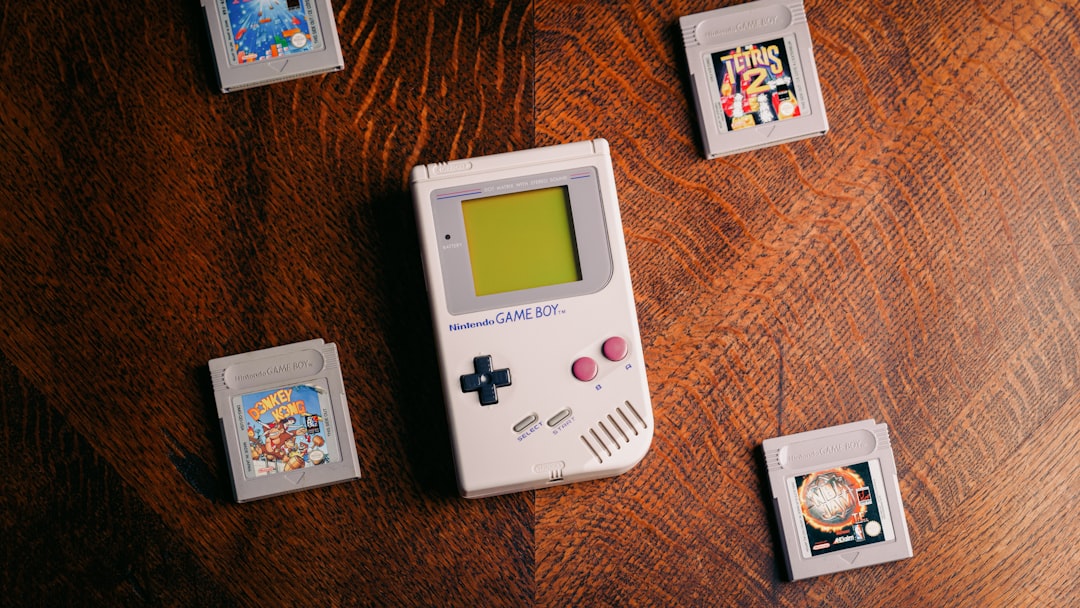
Handhelds are some of my favorite retro flips because they’re tiny, tough, and incredibly nostalgic. I’m always hunting for original Game Boy “bricks,” Game Boy Color, and Game Boy Advance units. First thing I do is pop the battery cover and check for corrosion. If that looks okay, I put in fresh batteries, power it on, and test with a cartridge if I have one in my bag.
Screens with a few scratches are normal; what I want to avoid are big dead lines or totally blown speakers unless the price is extremely low. Clean, tested Game Boy Color consoles often sit in the $80–$120 range depending on color and condition. Special editions and boxed systems can go higher.
Thrift stores usually don’t price these correctly if they show up at all, $10–$30 is common. I give them a gentle wipe down, avoid harsh cleaners on the screen, and photograph them powered on so buyers know they work. Handhelds take almost no space in storage, ship in small boxes, and sell all year long, which makes them perfect “always grab” items in the retro electronics world.
9. Bose Wave Radios & Early Bose Speakers
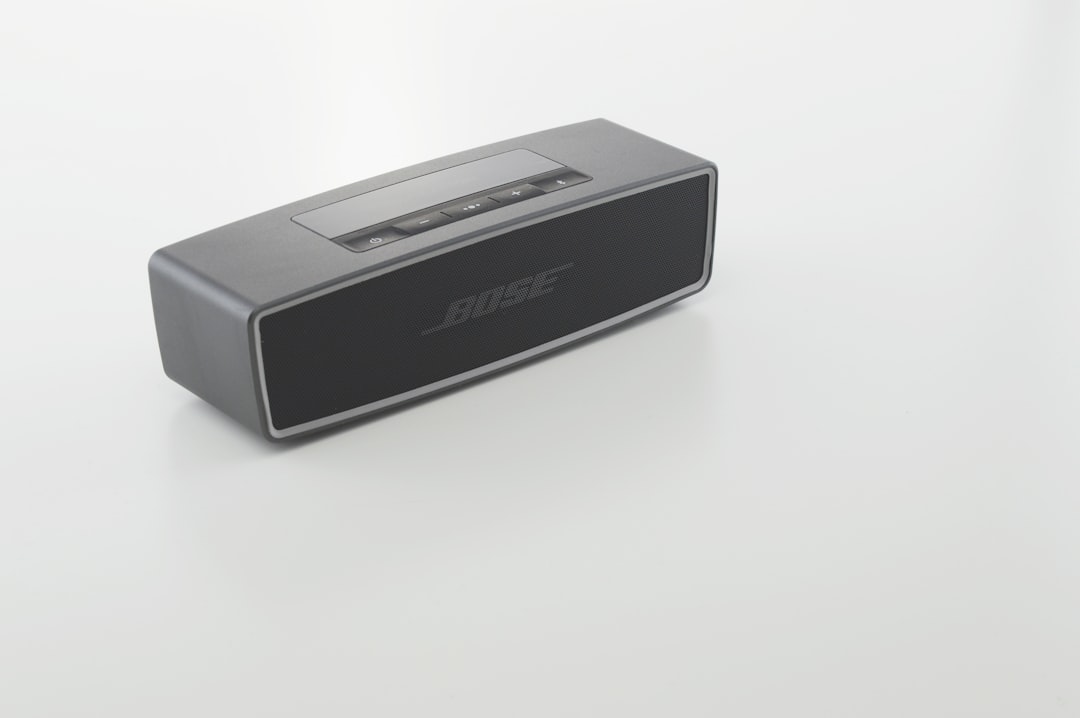
Any time I see the word “Bose” on a thrift store shelf, I at least plug it in. Bose Wave radios especially have a loyal following because they’re compact, loud for their size, and look good on a nightstand or kitchen counter. With Wave units, I check that the display lights up, the radio tunes clearly, the CD (if present) reads discs, and all the buttons or remote functions respond.
Cosmetic dings aren’t the end of the world, but big cracks or missing trim will drag the price down. Working Bose Wave AWR1‑1W radios commonly land in the $50–$90 range depending on color, cosmetic condition, and whether a remote is included. Later Wave models with CD players can go higher.
I usually see these priced around $15–$40 at thrift stores, which leaves plenty of room after fees and shipping. They are heavier than a Walkman, yes, but they attract buyers who already know and trust the brand, so they move quickly. As long as you’ve tested every function you can, Bose Wave units are a confident flip that can quietly cover a decent chunk of your monthly feed bill.
10. Scientific & Financial Calculators (HP & TI)
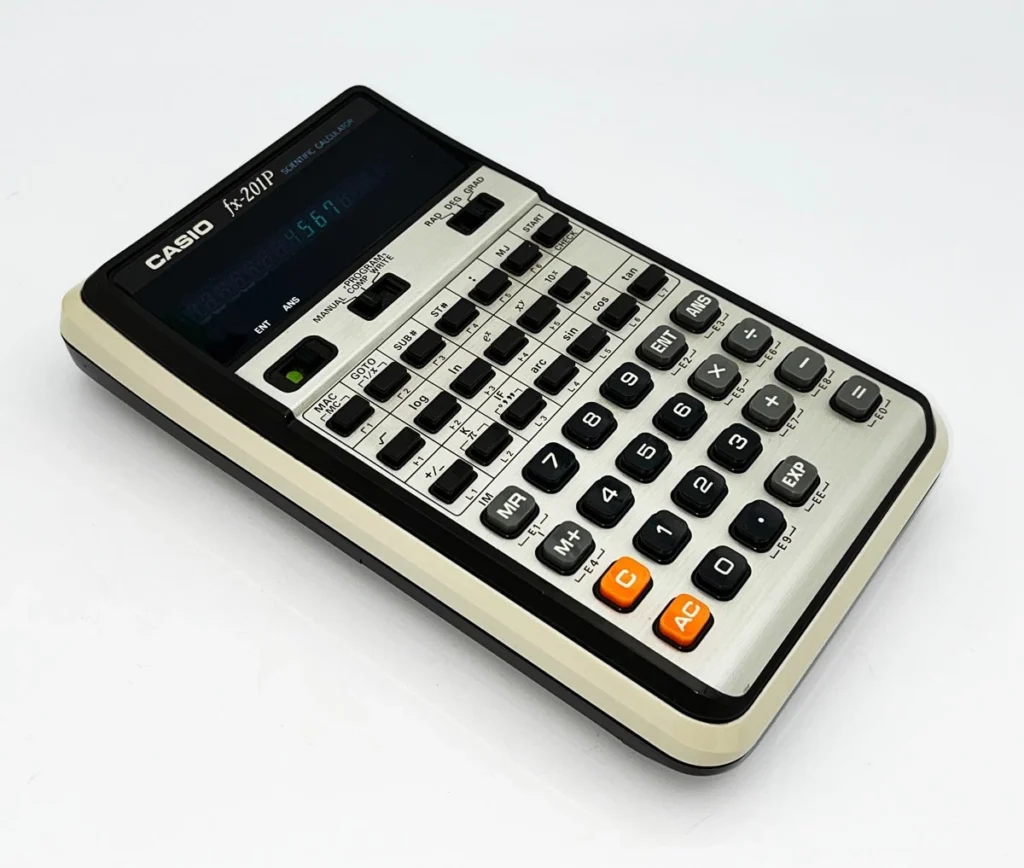
Old “serious” calculators are one of the easiest sleeper flips out there. Most thrift staff toss them all in a bin together, so a $1 basic solar calculator might be sitting right next to a $70 graphing calculator. I always dig through and check for HP and TI logos first. Then I flip them over and look for model numbers like HP 12C or TI‑83/TI‑84.
I bring a couple of spare batteries in my bag so I can power them on. If the screen is clear, all the buttons respond, and the case isn’t cracked, I’m halfway to listing. HP 12C financial calculators are still used heavily in finance and real estate; good working units often sell around $40–$70 depending on cosmetic condition and whether they include the slipcase. TI‑84 Plus graphing calculators frequently land in a similar range during back‑to‑school season.
At the thrift, I usually pay $2–$5 because they’re thrown in with junk electronics. I clean them with a soft cloth, avoid scratching the display, and photograph them powered on with a couple of numbers on the screen so buyers know they work. They’re tiny, cheap to ship, and the sell‑through is excellent, perfect for topping up your monthly income with very little effort.
11. Film SLR Cameras (Canon AE‑1, Pentax, Nikon, Minolta)
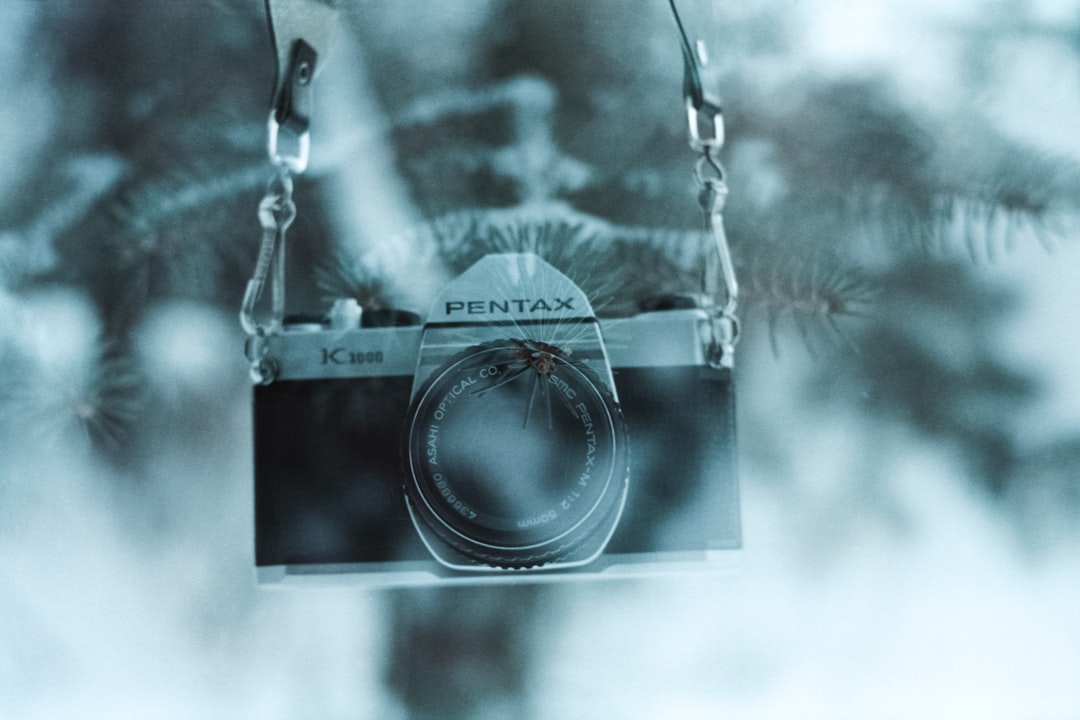
If you’re only grabbing one kind of camera to flip, make it solid 35mm SLRs. Canon AE‑1 and AE‑1 Program, Pentax K1000, Nikon FM/FE series, and Minolta SRT bodies are all regular sellers. In the store, I wind the film advance, fire the shutter at different speeds, check that the mirror moves smoothly, and peek through the viewfinder for haze or fungus. Then I open the back and make sure the pressure plate and film path aren’t rusty.
I don’t pretend to be a camera tech; I just describe exactly what I tested. Working Canon AE‑1 Program bodies with a standard 50mm lens commonly sell in the $120–$180 range, depending on cosmetic condition and whether they’ve been serviced. Pentax K1000 kits and Nikon FM bodies sit in similar territory once you learn how to check them.
Thrift stores and yard sales often price these at $15–$40, especially if the staff assumes “film is dead.” It isn’t. Film shooters are very happy to pay for a camera that works reliably so they can load a roll and go. Once you know your quick‑test routine, SLRs become one of the highest‑value, low‑bulk categories you can specialize in.
12. Point‑and‑Shoot Film Cameras
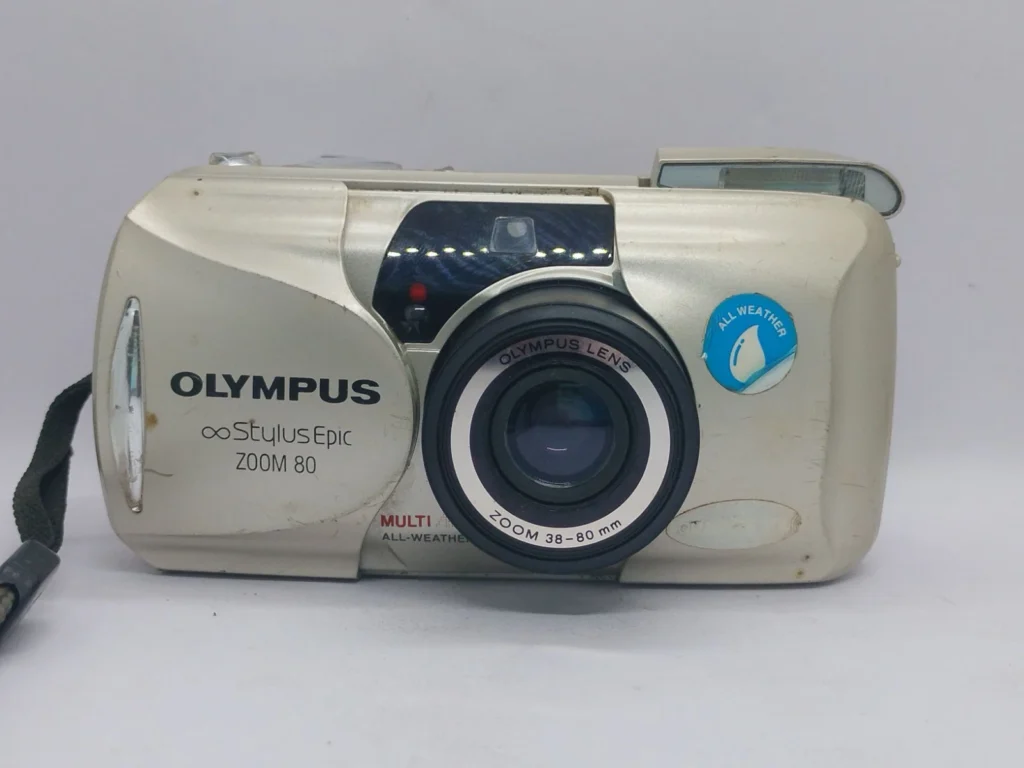
If SLRs feel like a lot, point‑and‑shoot film cameras are a gentler way into the same market. Certain compact 80s, 90s, and early‑2000s models are surprisingly valuable, especially from brands like Olympus, Canon, Nikon, and Yashica. I look for zoom compacts and chunky little pocket cameras, then test them with a fresh battery: does the lens extend, does the flash charge and fire, does the film door latch securely?
Some models are genuine sleepers. Olympus Stylus Epic (mju‑II) and similar cameras have sold for well into the $150–$250 range when clean and working. Plenty of more ordinary point‑and‑shoots still sell steadily between $30 and $80 if they’re tested and described clearly.
These cameras are small enough to keep a whole inventory in a single shoebox. I usually pay $3–$10 for them at thrifts, give them a gentle wipe down, and photograph them from multiple angles with the lens extended so buyers can see everything functions. The combo of low buy‑in, tiny storage footprint, and strong demand makes them an easy yes whenever you find the right models.
13. Hi8 / Video8 Camcorders (Sony Handycam & Friends)
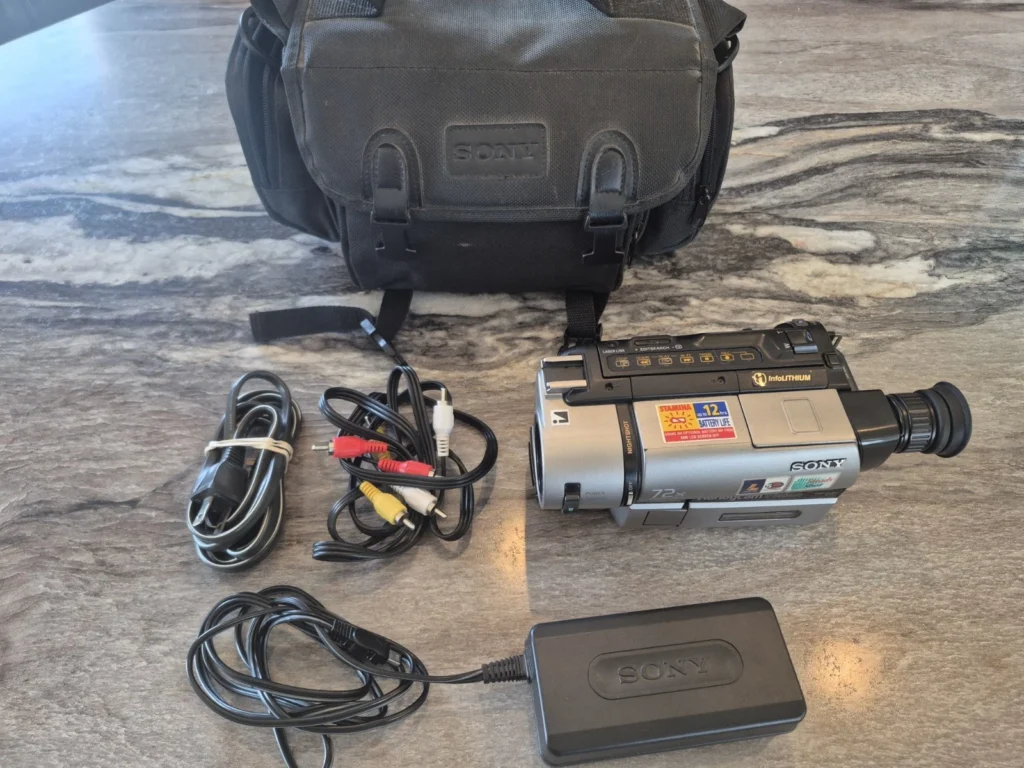
Old camcorders are one of the least glamorous things on the shelf, but they’re absolute workhorses for flipping. Tons of people have boxes of Hi8 and Video8 tapes from the 90s and early 2000s, and they need working cameras to play or digitize them. I always ask to plug these in. I open the tape compartment to make sure it ejects smoothly, then test zoom, record, playback, and the basic buttons.
Sony Handycams are the ones I’m most excited to see. A clean, tested Sony CCD‑TRV128 Hi8 Handycam recently sold for $119.99 with charger and accessories. Plenty of other Hi8 and Video8 models sit in the $80–$150 range when fully working and reasonably clean.
Thrift prices are usually $10–$30 because they look outdated and confusing. As long as the tape mechanism behaves and the image looks decent on-screen, I’m happy. I describe exactly what I tested in the listing, include photos of it powered on, and show the tape door open. These may not be pretty, but they flip fast and reliably.
14. Early iPods (Classics, Minis & Nanos)
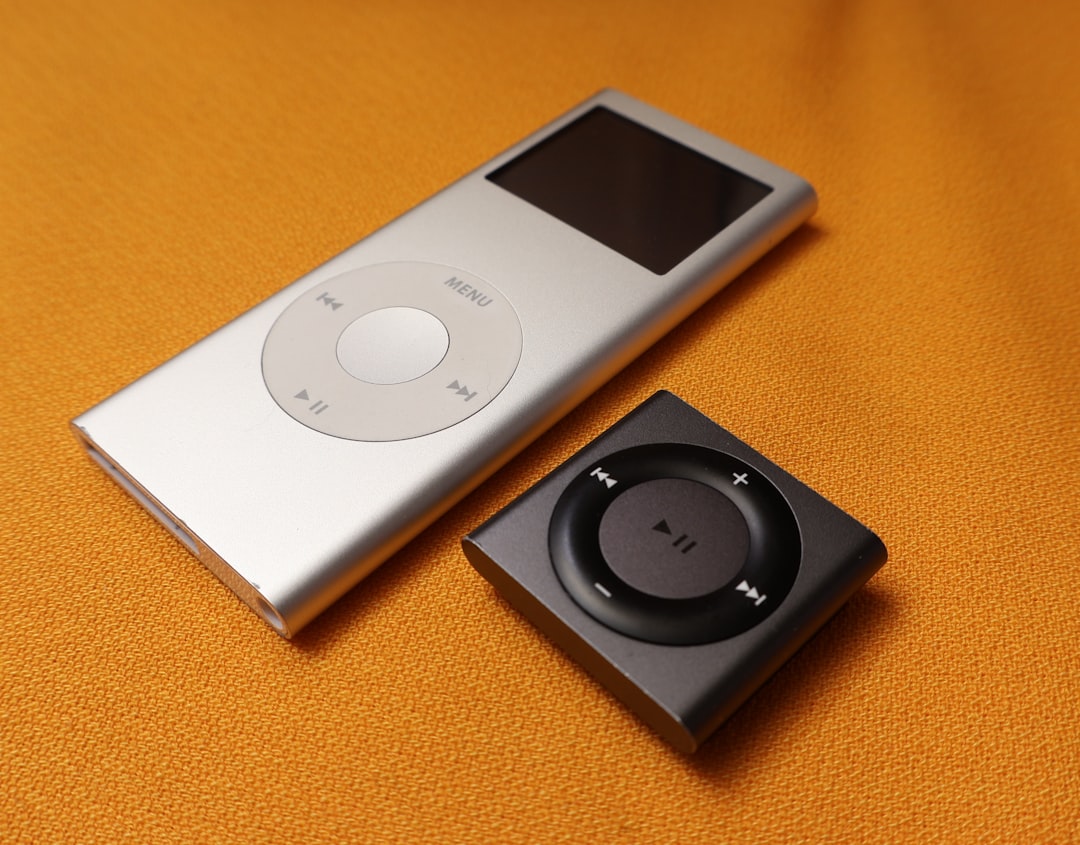
If you see a little brick of brushed metal or a candy-colored stick with a click wheel, stop and test it. Early iPods are still surprisingly strong sellers. People use them in cars, for jogging, or as mod projects with new batteries and upgraded drives. I plug them into a charger right in the store if I can. If they boot, scroll, and show up in a menu, that’s a very good sign.
Capacity and condition matter. Higher‑GB iPod Classics in good cosmetic shape still sell well. A 160GB iPod Classic (7th gen) in working condition has sold around $150–$200 depending on wear and included accessories. Minis and Nanos run lower, but they still perform nicely when you buy them cheap.
I usually see these for $5–$20 in bins of random electronics. I clean the screen and back gently (no aggressive scrubbing), photograph them powered on at the main menu, and note battery behavior honestly. They’re small, light, and easy to ship, which makes them a great “always check” item.
15. Early Apple Computers & Colorful iMacs
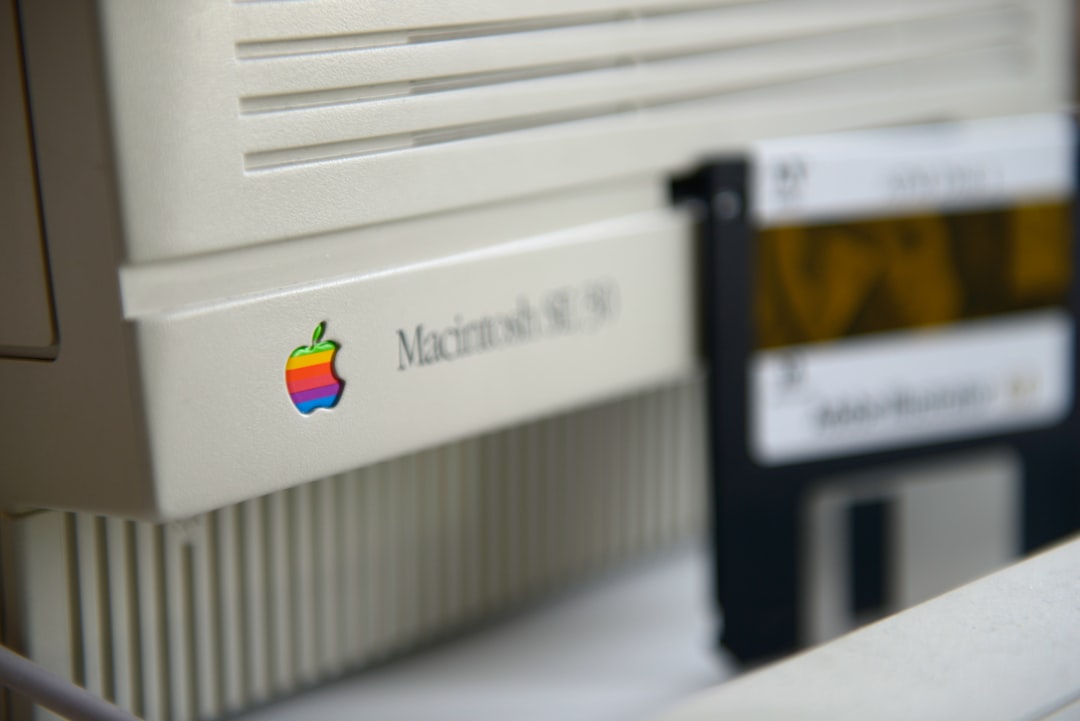
Big, chunky old Macs are awkward to carry but can be very profitable if you pick the right ones. I’m watching for colorful iMac G3s, early flat‑panel iMacs, and older MacBooks that still power on cleanly. In the store, I plug them in, listen for horrible fan noises, and watch to see if they boot to a desktop or at least a startup screen. I also check for cracked plastics and missing panels.
Collectors and tinkerers love these machines for projects, retro setups, or display pieces. Working iMac G3 all‑in‑one units in nice colors regularly sell in the $150–$300 range depending on specs and cosmetic condition. Rare colors or boxed systems can go for more.
I’m cautious with my buy‑in here and usually aim for under $50 if I don’t know the exact model on the spot. These are ideal for local sales so you don’t have to ship a fragile CRT across the country. Good photos of them powered on, plus a clear description of what works (and what doesn’t), will pull in the right buyers. When they sell, they cover a lot of feed.
16. CRT TVs & Monitors for Retro Gaming
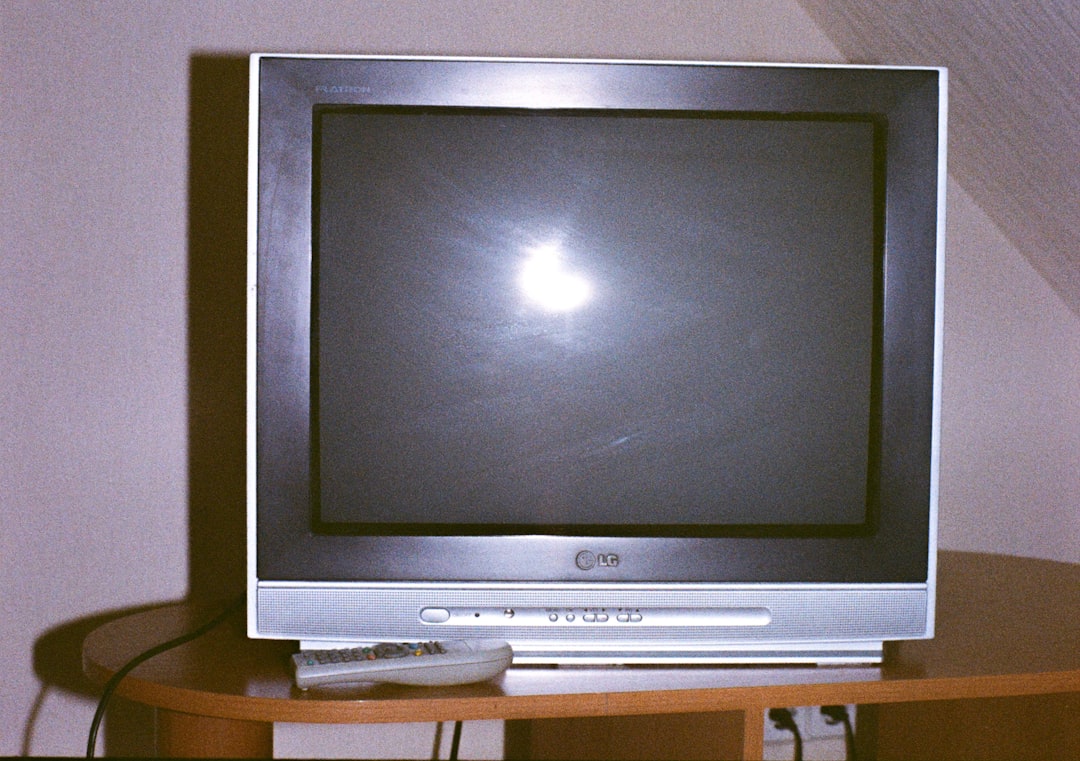
I don’t haul every old TV I see, but for the right CRT, I’ll make room in the truck. Retro gamers love these because old consoles just look better on a glass tube. I keep an eye out for smaller Sony Trinitrons and other name-brand sets with composite or S‑Video inputs on the front. First thing I do is plug them in, check that the picture comes up bright, colors look decent, and the sound doesn’t buzz.
Not every CRT is worth dragging home. I skip giant floor monsters and anything with a warped picture or weird popping sounds. But a clean 13–20 inch Trinitron or similar set can be a quick local flip. There are plenty of examples of Trinitron CRTs sitting in the $150–$400 range depending on size and condition.
I like to keep my buy‑in low here, $10–$30 at most, because I’m usually selling them locally to avoid shipping. Gamers will happily come test their console on your porch and hand you cash if the picture looks good. If you’ve got the space and don’t mind the weight, a couple of tested CRTs can quietly pay for a lot of chicken feed.
17. Stereo Receivers & Amplifiers (70s–90s)
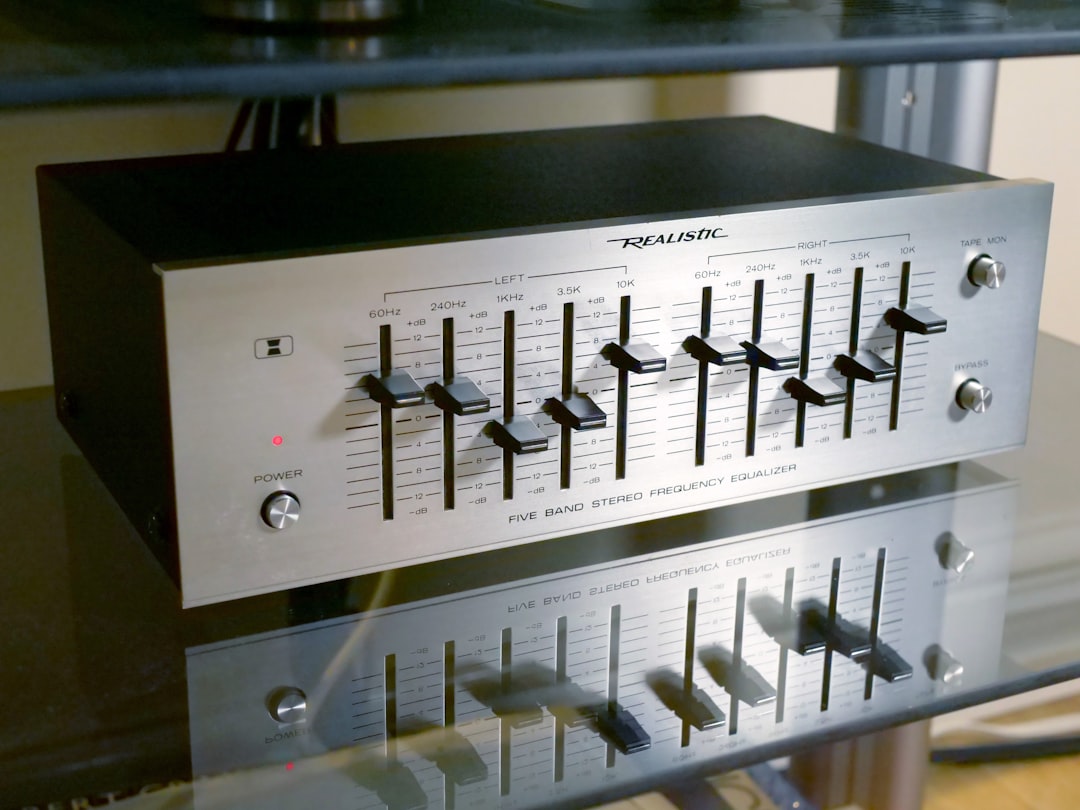
Vintage stereo receivers are basically cast iron in electronics form: heavy, old-school, and surprisingly valuable. I always check for big silver‑face or 80s/90s black receivers from Pioneer, Marantz, Yamaha, Sony, and similar brands. In the store, I spin every knob and press every button I can, then listen for both channels working if there are test speakers nearby.
Some models have their own fan clubs. The Pioneer SX‑780, for example, is a classic that can command serious money when fully serviced and clean, with some refurbished units priced close to $1,000. You don’t have to chase unicorns though, plenty of mid‑range receivers sell comfortably in the $150–$400 zone when tested and described honestly.
Thrift prices are all over the place, but I often see receivers for $20–$60 simply because they’re bulky and staff don’t want to store them. I’m fine selling these locally so I don’t have to pack a 30‑pound beast. One good receiver flip can cover a big chunk of monthly utilities.
18. OEM Remote Controls (TV, Audio & VCR)
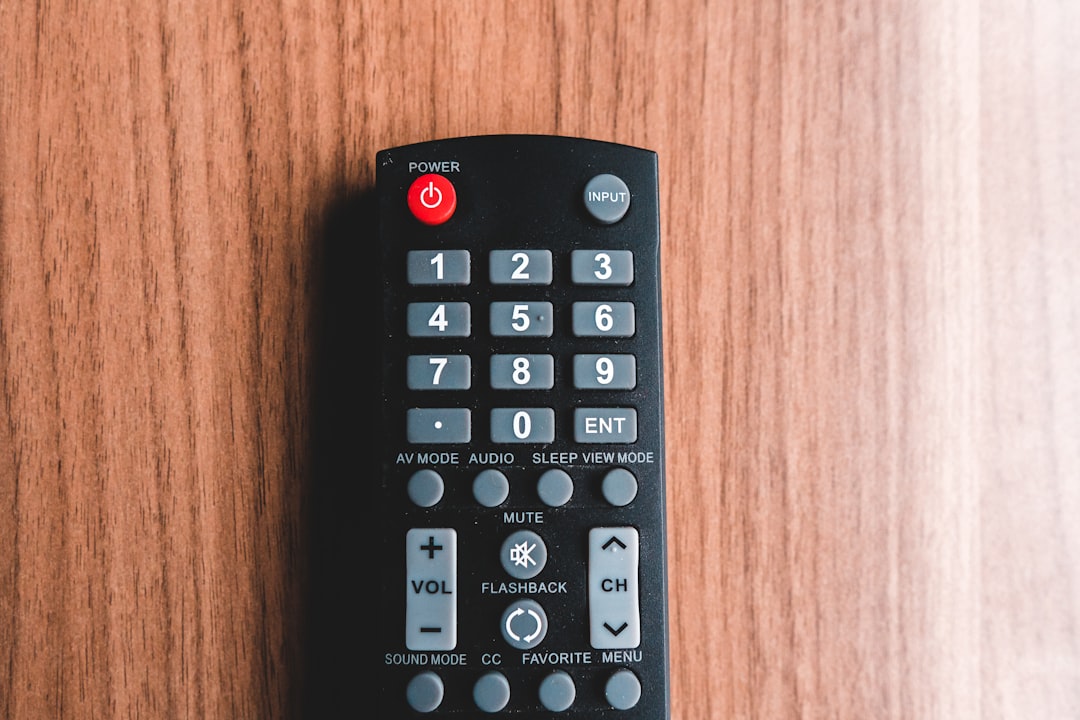
Remotes look so boring that most people don’t even notice them. That’s exactly why they’re one of my favorite low-effort electronics flips. I dig through every “misc electronics” bin for remotes with specific brand names and model numbers, Sony, Panasonic, JVC, Samsung, and the matching model stamped clearly on the front.
Universal remotes are basically a no for me, but genuine OEM units can sell shockingly well because people lose them, break them, or buy used gear with no remote included. A Sony RM‑Y168 TV remote, for example, has been priced around $15–$25 on the secondary market. That’s the kind of quiet, easy profit I love.
Most thrift stores charge $1–$3 for remotes. I carry extra batteries to test the basics, and I use my phone camera to confirm the infrared LED is firing (it shows up as a little purple flash on the screen). They ship in padded envelopes, take up almost no storage space, and the sell‑through is excellent. It’s the perfect “while you’re here anyway” category to add on top of bigger flips.
19. Portable CD Players & Non‑Apple MP3 Players
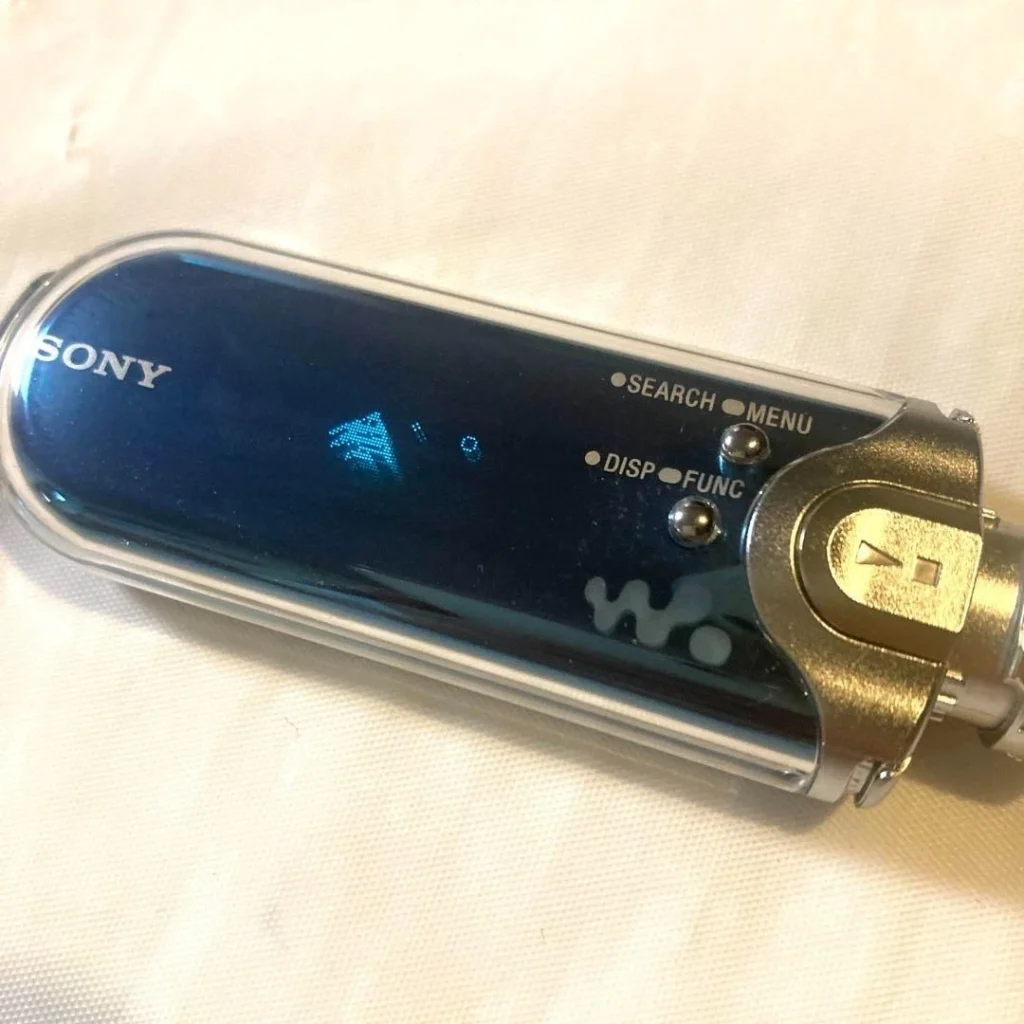
Sony isn’t the only name worth grabbing in the portable audio world. Chunky 90s and early‑2000s CD players from Panasonic, Philips, and other big brands still sell well, especially if they have anti‑skip features and clean displays. I test them with a real CD: does it spin up quickly, read the disc, and play without skipping if you gently bump it? I also peek inside the battery compartment for corrosion.
Working Panasonic and Sony portables often land in the $30–$80 range depending on model and condition. Early non‑Apple MP3 players from brands like Creative and Rio can be worth flipping too, especially higher‑capacity units or unusual designs that still power on and connect to a computer.
I usually pay $3–$10 for these at thrifts. I clean the cases, avoid scratching the screens, and take photos powered on so buyers know they work. They’re light, easy to ship, and buyers love them for car setups, retro collections, or just having a dedicated music gadget that isn’t a phone. It’s not flashy, but it’s reliable money.
20. MiniDisc Players & Recorders
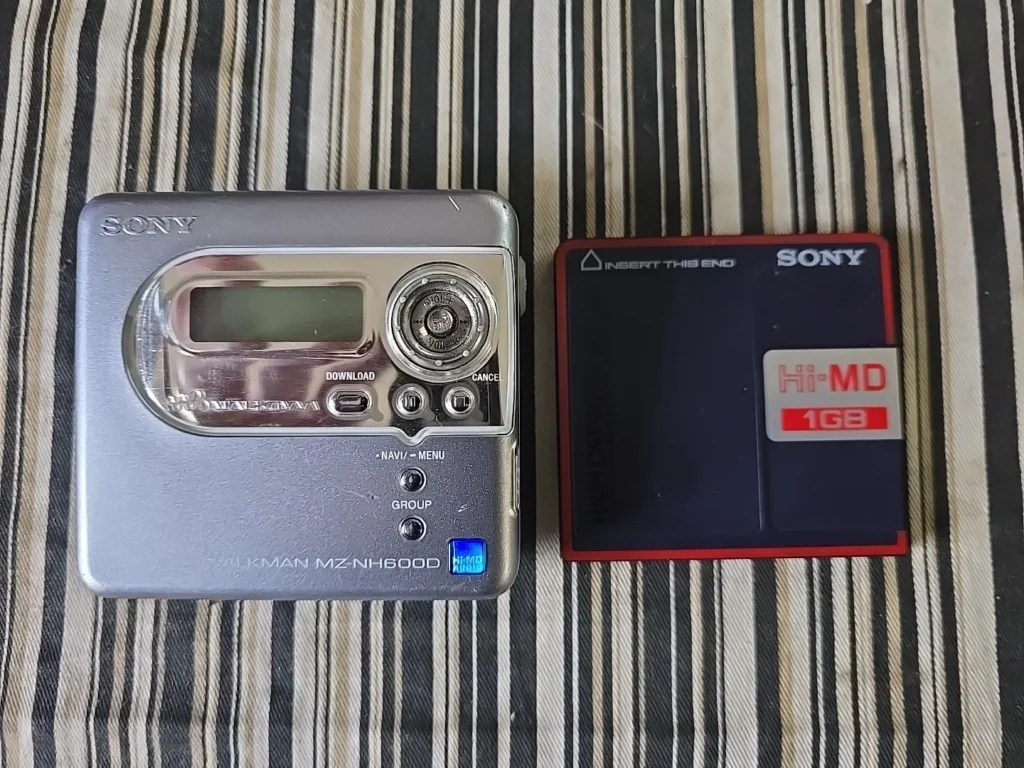
MiniDisc never really took off in the mainstream US market, but it has a serious cult following now, which is great news for flipping. Sony and Sharp MiniDisc players and recorders are the ones I watch for. I plug them in, make sure the display lights, insert a disc if I have one, and test play, stop, and track skip. If I can record and play back clearly, even better.
Some models do especially well. Portable Sony recorders with working displays and drives regularly sell between $120–$250 depending on model and accessories. Bundles that include remote controls, chargers, and blank discs can go higher.
At the thrift, these often get priced like any random “old music thing,” usually under $20. They’re tiny, fairly tough, and easy to mail in a padded box. As long as you’re honest about what you tested, and whether a battery still holds charge, MiniDisc gear can quietly become one of your best small‑item flips.
21. “Weird” Retro Gadgets (PDAs, Early Cell Phones, Oddball Tech)
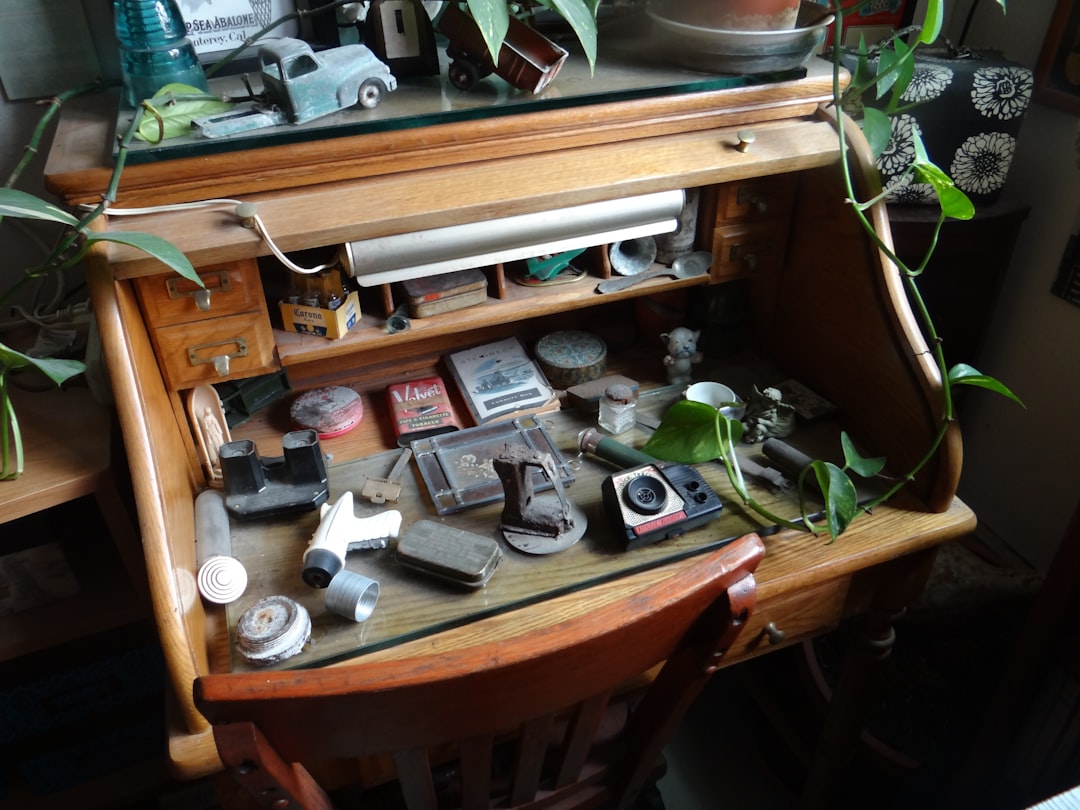
Finally, there’s the catch‑all shelf: all the stuff that looks too weird to bother with. Early PDAs (Palm, Handspring, HP Jornada), brick‑style cell phones, pocket organizers, first‑gen Bluetooth headsets, electronic dictionaries, MiniDisc remotes, all the little gadgets that screamed “futuristic” twenty years ago. Most of it really is junk, but a few pieces are absolutely worth a second look.
I plug in anything I’m even half‑curious about. If it boots, shows a readable screen, and the buttons respond, it goes on my research list. Certain early Nokia, Motorola, and Ericsson phones, plus high‑end PDAs and communicators, can sell anywhere from $50 up into the hundreds depending on rarity and condition. The key is recognizing brands and designs that stand out.
My buy‑in on this stuff is tiny, usually $1–$10, so I’m comfortable taking a few chances. Some will end up as duds; that’s fine. The occasional “how is this thing worth $150?” sale more than pays for the misses. Over time, you’ll build your own instinct for which oddball gadgets deserve a quick test and a spot in your eBay store.

