

Affiliate disclosure: This post may contain affiliate links. Please see full disclosure.
You’re plating up holiday food, your dog is giving you the eyes, and your brain is doing that dance: “It’s just a little bit… what’s the harm?”
Sometimes the harm is a very expensive emergency vet visit.
Holiday food is a perfect storm for dogs: rich, salty, boozy, sugary, studded with nuts and dried fruit, and often full of ingredients that are flat-out toxic. And dogs are fast. Turn your back for two seconds and the cheese board, the fruitcake, or the turkey carcass is gone.
Here are 21 holiday foods that can be dangerous for dogs, plus what makes each one risky.
1. Chocolate Candy, Bark & Truffles
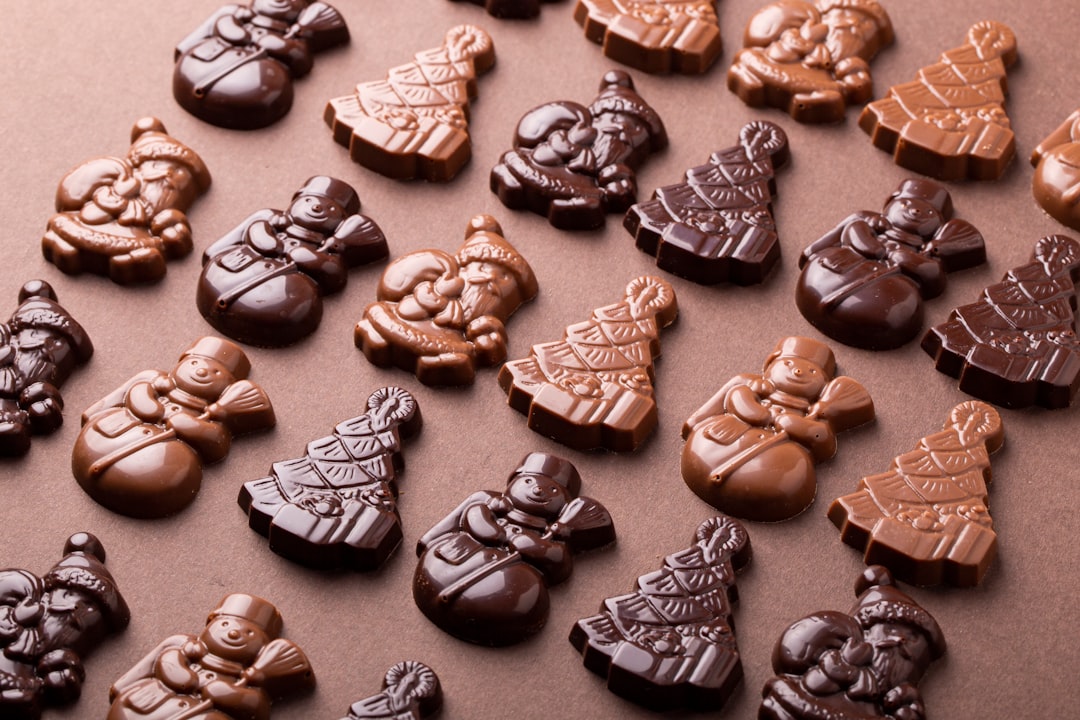
Chocolate is probably the most famous “absolutely not” dog food. It contains theobromine and caffeine, which dogs can’t process well. Dark and baking chocolate are the worst because they’re more concentrated, but milk chocolate can still cause real trouble if they eat enough.
Signs range from vomiting and diarrhea to restlessness, tremors, abnormal heart rhythm, and seizures. Smaller dogs are hit harder by small amounts.
Holiday danger zone: boxes of chocolates on low tables, homemade bark cooling on trays, and kids dropping truffles on the floor. Keep all chocolate out of reach, and never assume “it’s just a tiny piece” is safe.
2. Chocolate-Covered Raisins & Espresso Beans
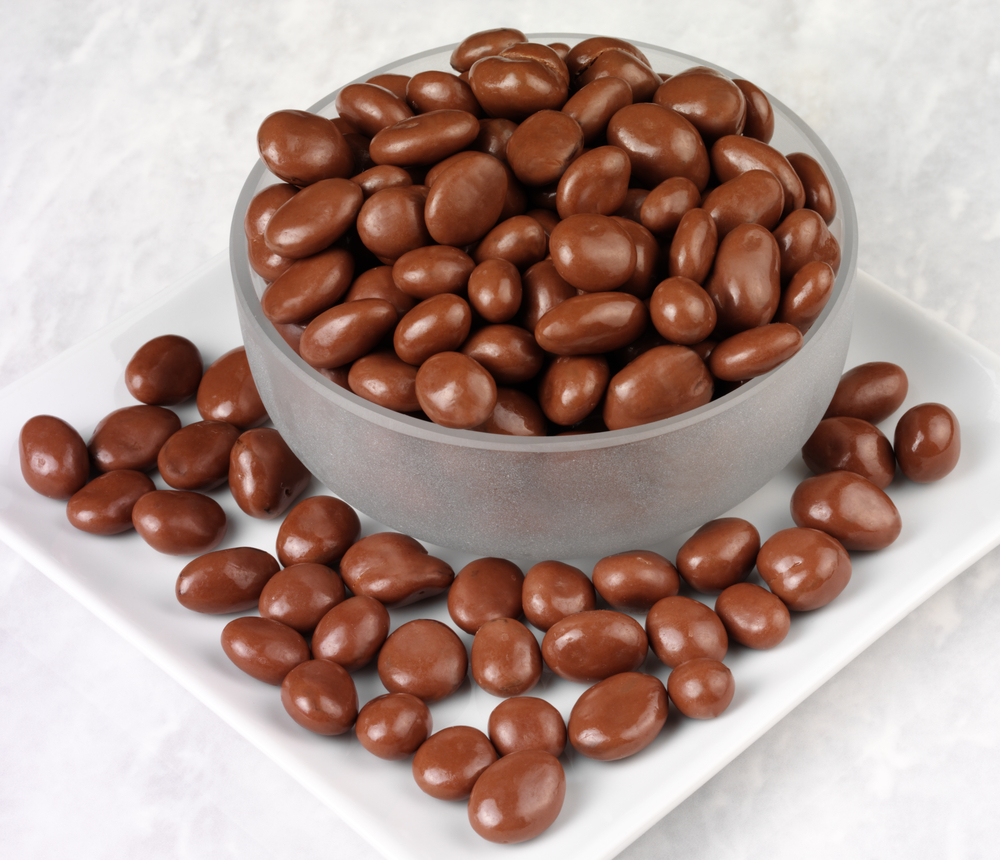
These are double-trouble: chocolate plus something else that’s risky.
Raisins can cause sudden kidney failure in some dogs, even in very small amounts. Espresso beans add extra caffeine on top of the chocolate’s theobromine. Together, they’re way more than a “little treat.”
Holiday danger zone: snack bowls, trail mix, gift tins, and decorative jars. If you’ve got these in the house, store them high and put lids back on immediately. If your dog eats any amount, call your vet or poison control right away — this is absolutely not a “wait and see” situation.
3. Grapes, Raisins, Currants & Sultanas
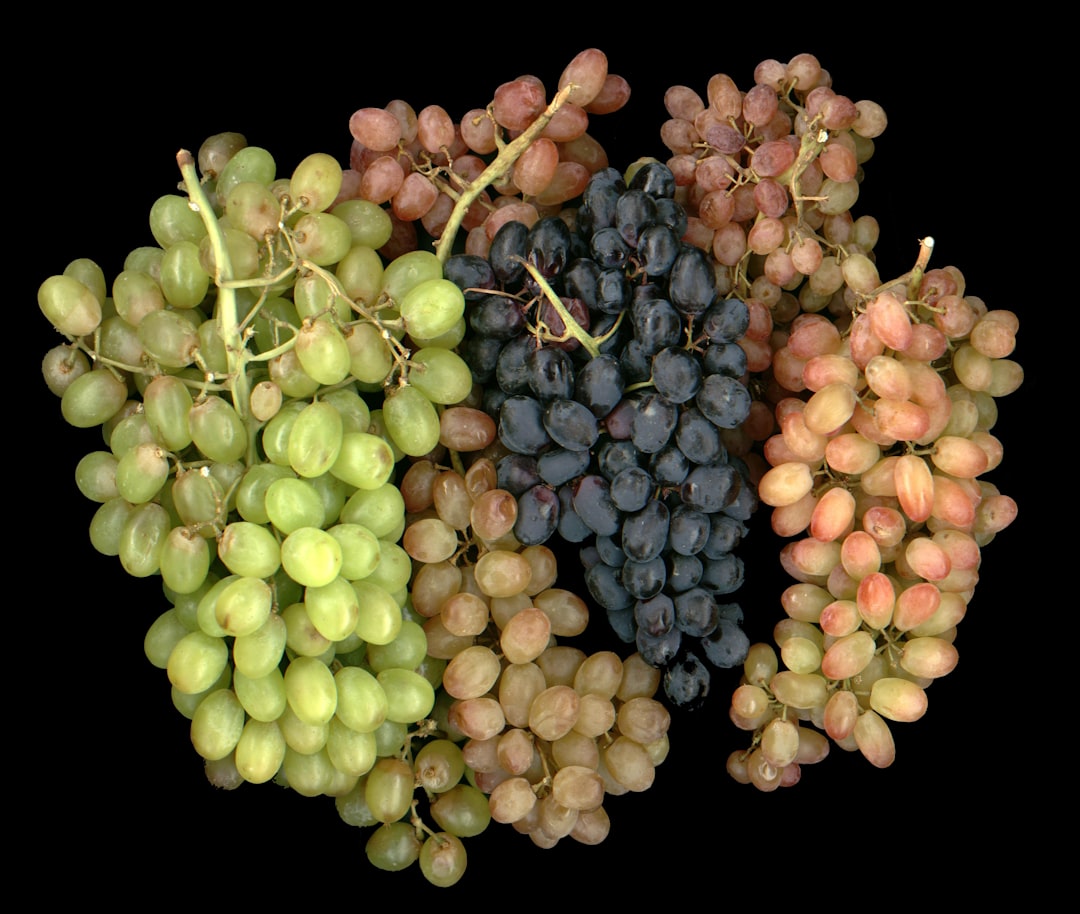
Even plain, these dried fruits can be very dangerous. Grapes and raisins have been linked to acute kidney failure in dogs; vets still don’t fully understand the toxic mechanism, but they know the outcome can be serious or fatal.
Holiday danger zone: fruitcake, stollen, mince pies, panettone, trail mix, cheese boards, and “just a few raisins” from baking supplies. Some dogs seem to tolerate a small amount, others crash after one or two — you can’t predict which dog you have.
If your dog eats anything containing grapes, raisins, currants, or sultanas, call a vet immediately, even if they seem totally fine.
4. Stuffing & Sides with Onions, Leeks or Chives
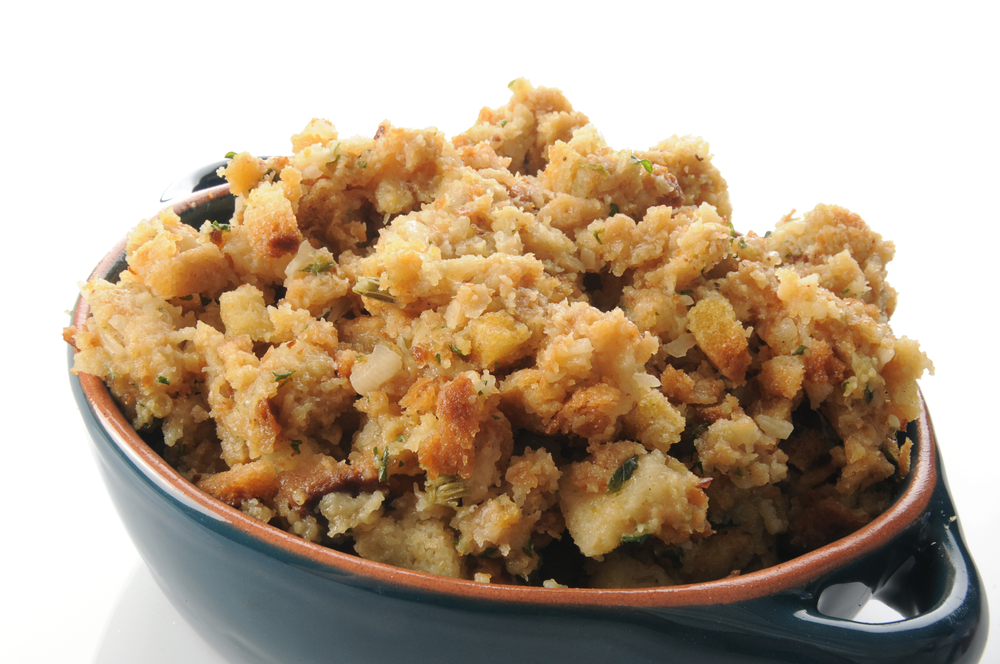
Allium vegetables like onions, leeks, and chives can damage red blood cells and cause a type of anemia in dogs. Signs may not show up for a day or two but can include weakness, rapid breathing, pale gums, and dark urine.
Holiday danger zone: stuffing, casseroles, gravies, roast veg, and leftover pan scrapings. These ingredients often show up as powders or tiny chopped bits, so you won’t always see them.
Even small amounts over a few days can add up, so it’s safest to treat any seasoned holiday side as off-limits and stick to plain dog-safe foods instead.
5. Cooked Bones (Turkey, Goose, Ham, Lamb)
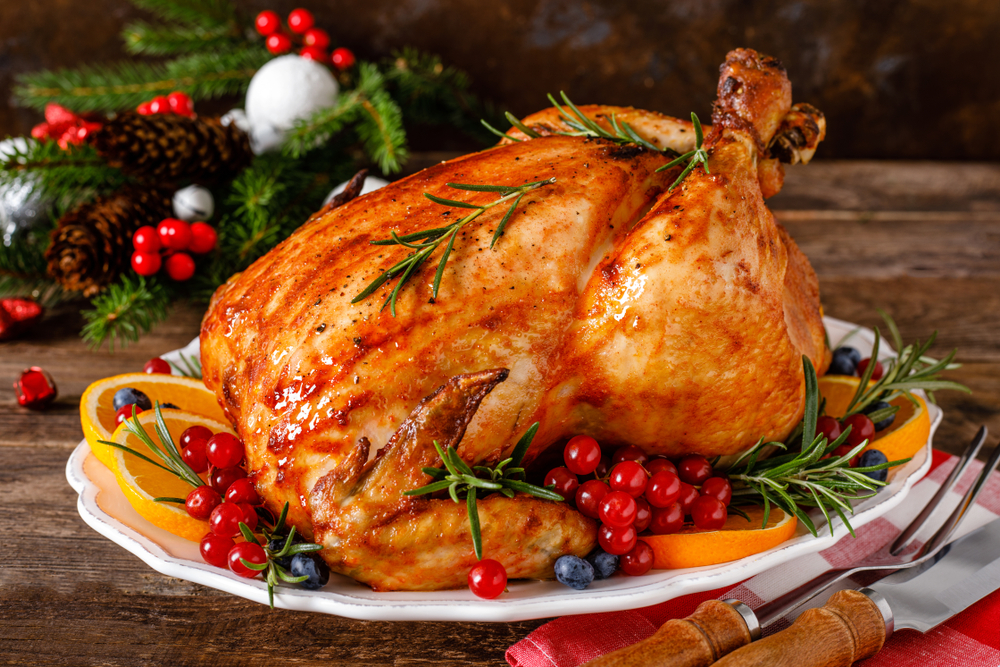
Cooked bones splinter. Those shards can break teeth, cut the mouth, lodge in the esophagus, or puncture the stomach or intestines . They can also cause blockages and severe constipation.
Holiday danger zone: turkey carcasses, ham bones, lamb leg bones, rib bones, and any bone in the trash. Dogs love them because they’re meaty and smell amazing.
If your dog manages to steal cooked bones, watch for gagging, drooling, vomiting, straining to poop, or signs of pain — and call a vet. Better still, clear plates and wrap bones up immediately so nobody gets the chance.
6. Turkey Skin, Drippings & Greasy Pan Scraps
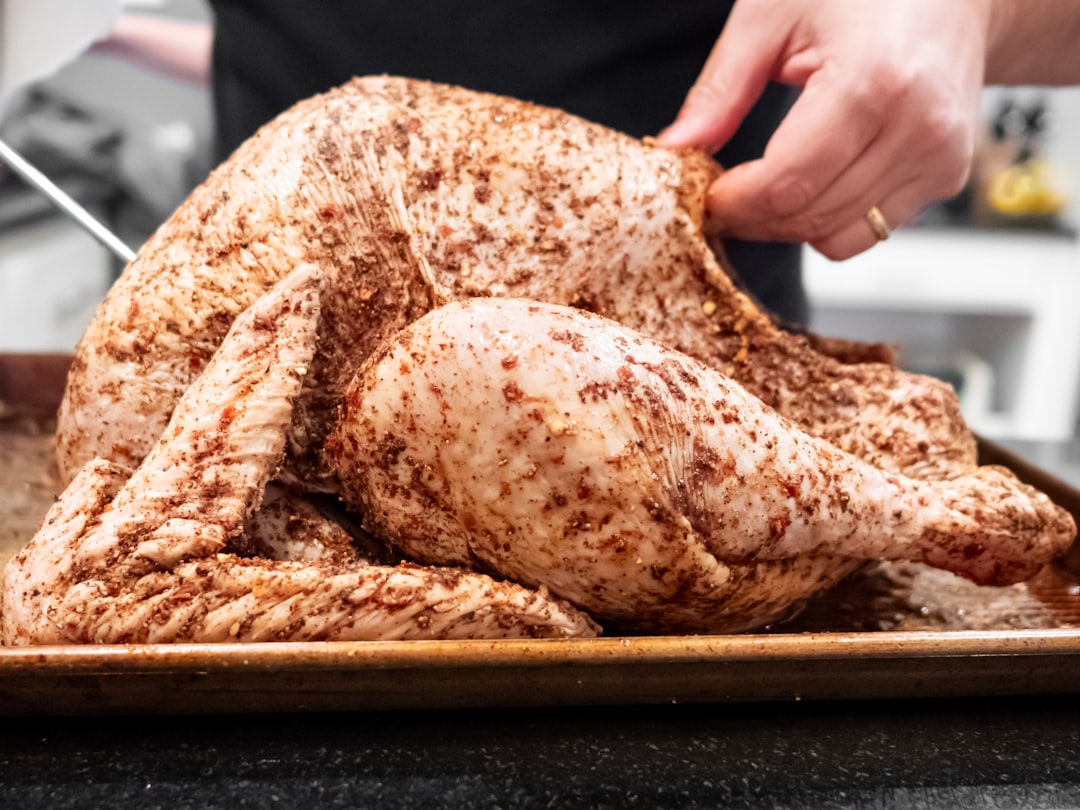
Even if the ingredients themselves aren’t toxic, all that fat can be a huge problem. A sudden, very rich, fatty meal can trigger pancreatitis — a painful inflammation of the pancreas that often needs hospital care. Vets see a lot of pancreatitis cases right after big feast days.
Holiday danger zone: turkey skin, crispy fat, drippings, oily roasting pan scrapings, charcuterie leftovers, and meat-fat trimmings. Dogs adore this stuff. Their pancreas does not.
Mild cases might just look like vomiting and diarrhea; more serious ones cause belly pain, hunched posture, lethargy, and not wanting to eat. When in doubt, call your vet — and don’t share the greasy bits.
7. Ham & Cured Meats
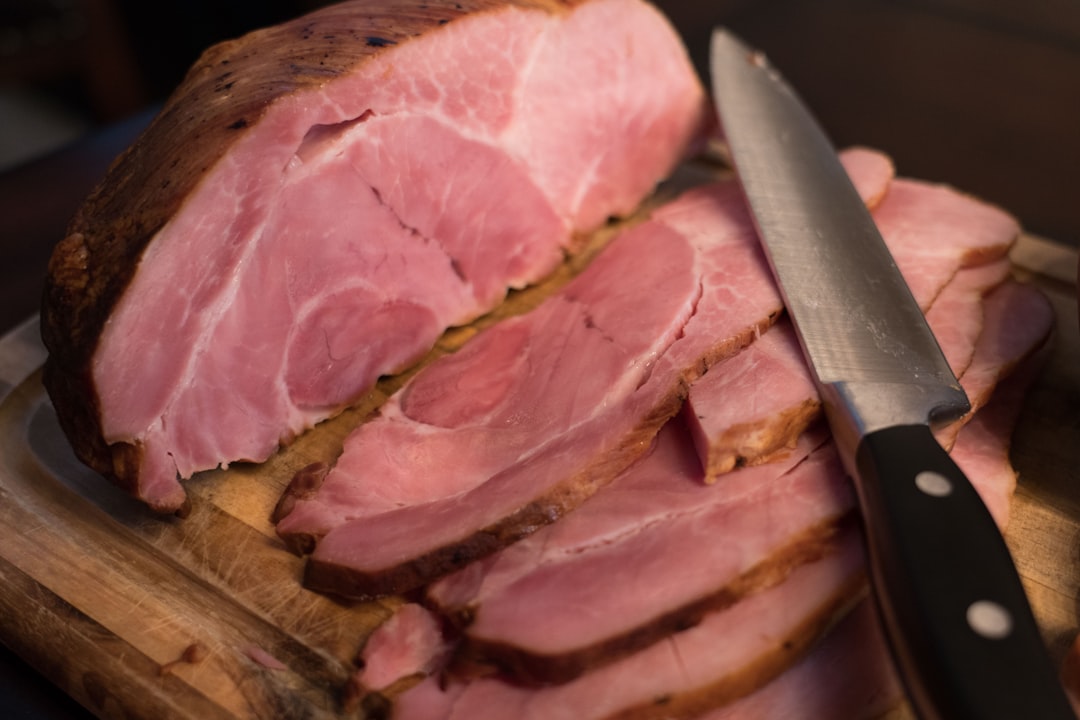
Holiday ham isn’t just fatty, it’s usually very salty and often glazed with sugary sauces. That combo is rough on your dog’s stomach and can contribute to pancreatitis and dehydration.
Holiday danger zone: carved ham, charcuterie boards, leftover deli meats, and “just one slice” from generous relatives. Bones from cured ham bring all the bone risks plus extra fat and salt.
A tiny nibble probably isn’t the end of the world for most dogs, but letting them hoover up trimmings or feeding a plateful of ham as a “special dinner” can land you in the emergency clinic by morning.
8. Rich Gravy & Pan Sauces
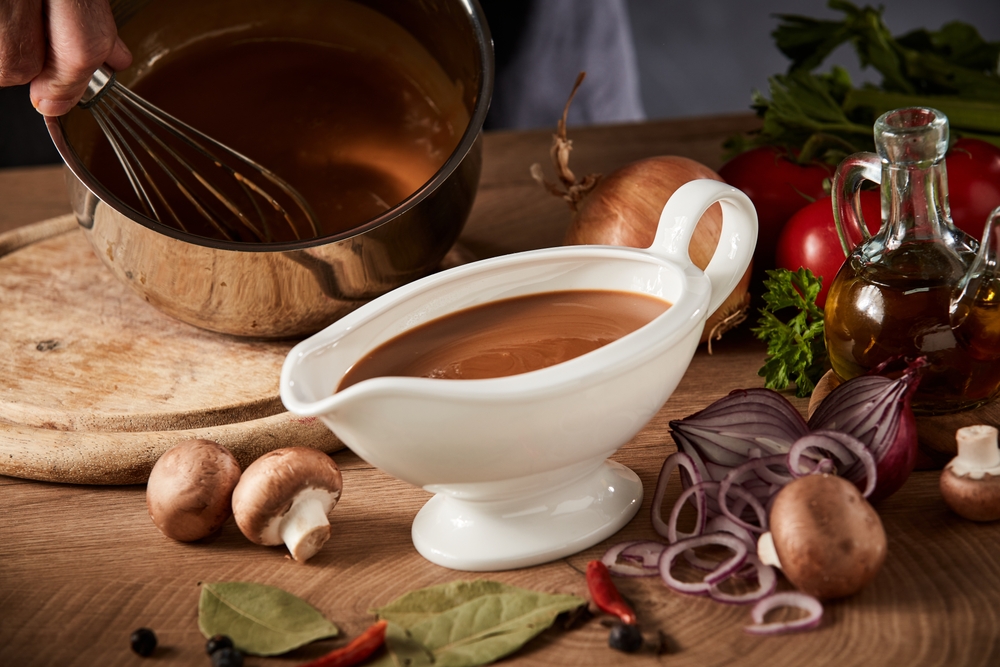
Gravy is concentrated fat and salt, often made with drippings, flour, butter, and seasonings. It may also contain onion, chives, or leeks. That makes it a perfect storm: not technically “poison”, but very capable of causing vomiting, diarrhea, and pancreatitis, especially in smaller dogs or those with sensitive guts.
Holiday danger zone: gravy boats, pan sauces, leftover sauce containers on the counter, and gravy-soaked bread or potatoes.
If you want your dog to share in the holiday meal, skip the gravy and offer a small bit of plain, skinless turkey breast instead.
9. Sugar-Free Gum, Candy & Baked Goods (Xylitol)
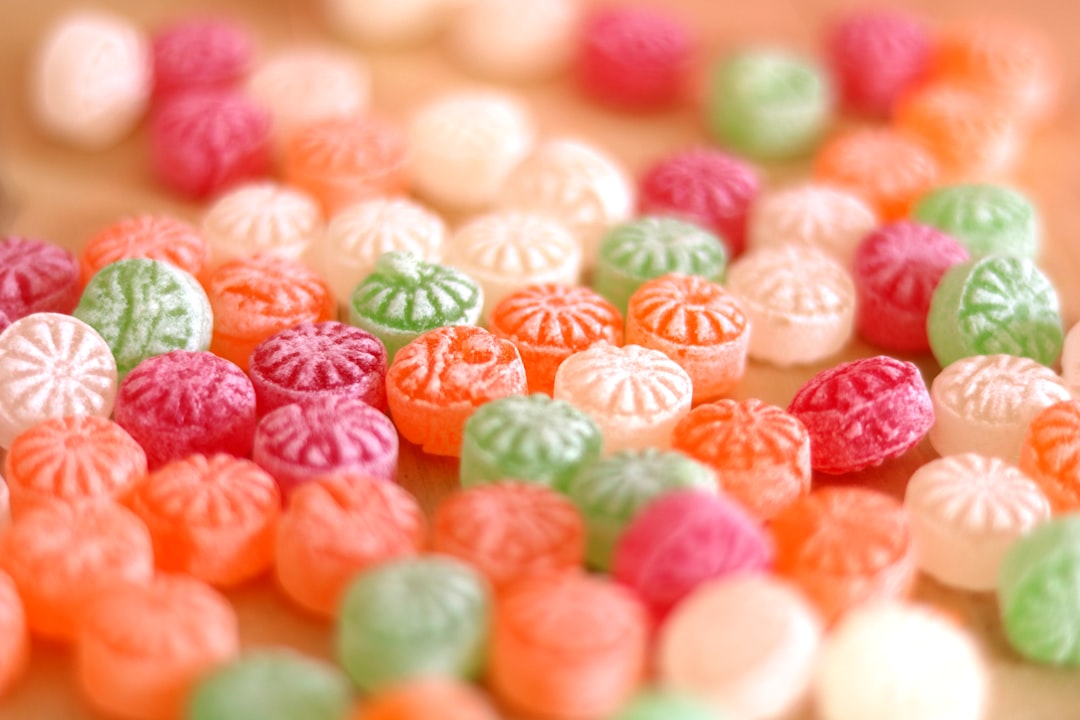
Xylitol is a sweetener used in sugar-free gums, candies, mints, some peanut butters, and “no sugar added” desserts. In dogs, it can cause a dangerous drop in blood sugar within minutes to hours, and in higher doses it can also trigger liver failure.
Holiday danger zone: sugar-free gums in purses, sugar-free candies in bowls, keto desserts, some “diabetic friendly” baked goods.
Signs can include vomiting, weakness, wobbliness, collapse, seizures, and later, signs of liver damage. This is always an emergency. Get to a vet immediately if your dog eats anything with xylitol in the ingredients list.
10. Alcoholic Drinks
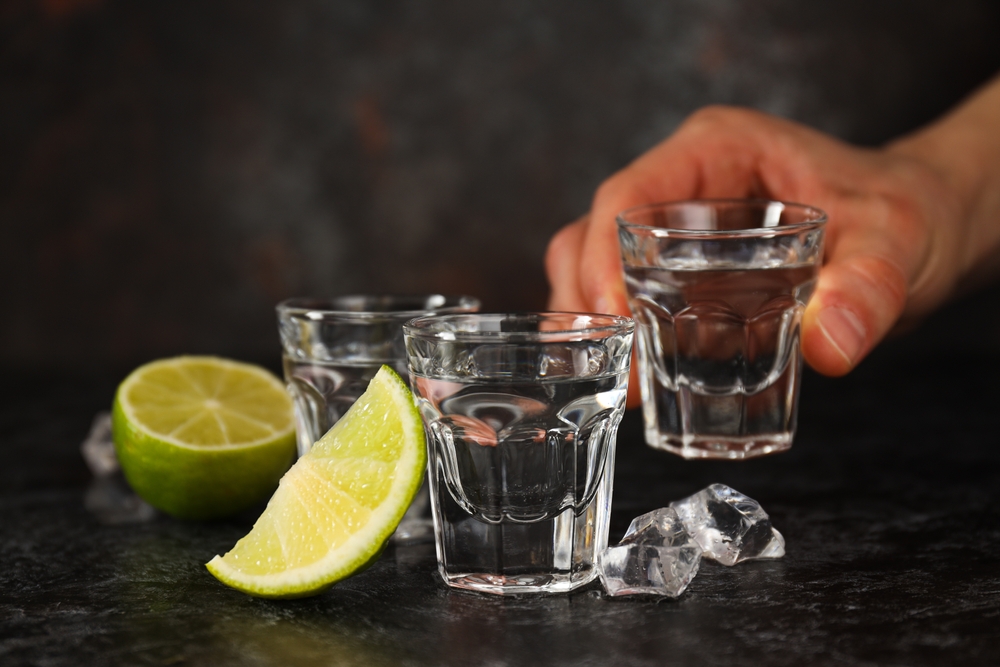
Dogs don’t process alcohol like we do. Even small amounts can depress the central nervous system and cause low blood sugar, low body temperature, breathing issues, and in severe cases, coma and death.
Holiday danger zone: beer, wine, cocktails, spiked punch, and half-finished glasses on low tables. Dogs may also go for sweet mixed drinks because they smell like juice.
If your dog sneaks a drink, don’t shrug it off. Call your vet, especially if you’re not sure how much they got. And never intentionally “let the dog have a sip” — their body simply isn’t built for it.
11. Boozy Desserts (Rum Balls, Trifle, Tiramisu)
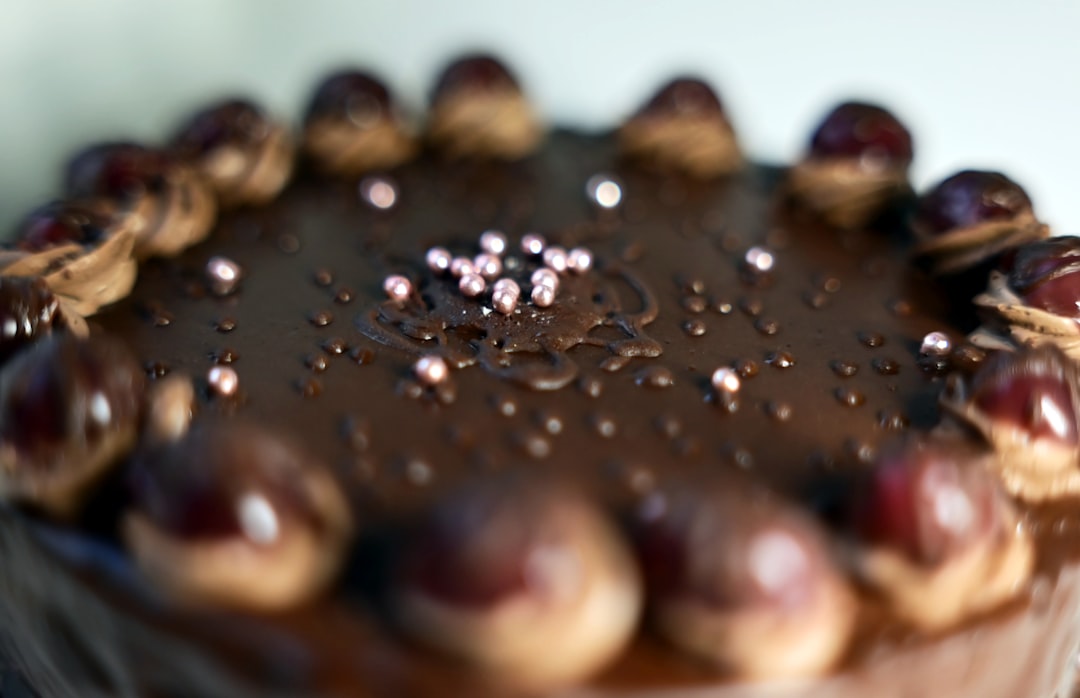
Even if you keep your dog away from drinks, alcohol often hides in desserts. Rum balls and rum cake are obvious, but trifle, tiramisu, some chocolates, and “adults-only” fruit salads can all be spiked.
Along with the alcohol risk, there’s all the sugar, fat, chocolate, and sometimes coffee packed into one neat little ball of chaos.
Holiday danger zone: dessert buffets, treat plates on coffee tables, and gift boxes. Dogs don’t understand that something is “for grown-ups only” — they just know it smells strong and sweet.
12. Unbaked Bread or Roll Dough
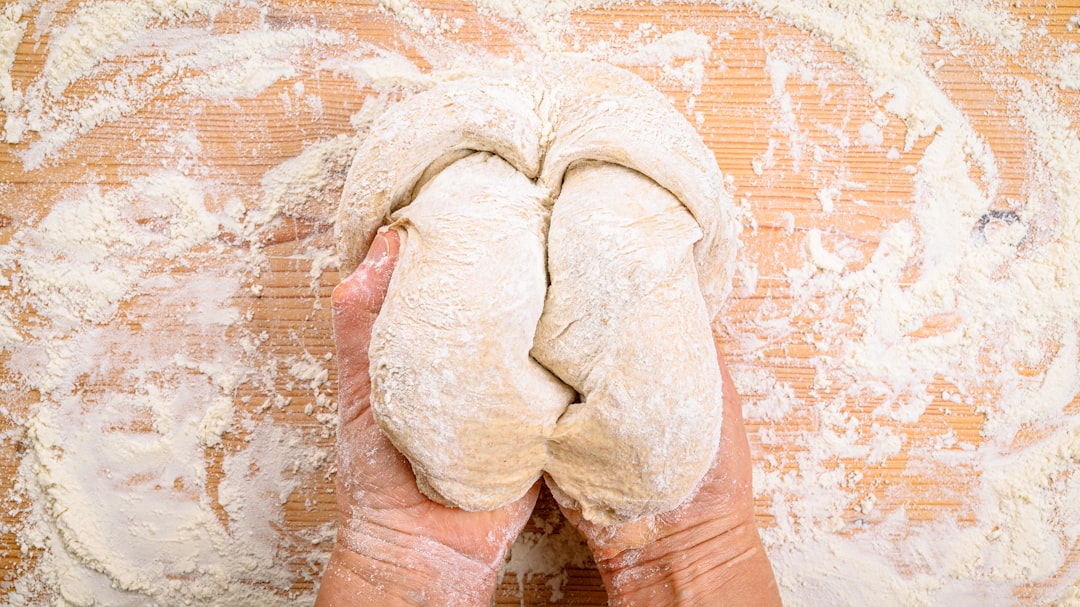
Raw, yeast-based dough is a sneaky hazard. If a dog eats it, the dough can keep rising in the warm, moist environment of the stomach, causing painful distention and potentially dangerous bloat. At the same time, the fermenting yeast produces alcohol, which risks alcohol poisoning.
Holiday danger zone: unbaked rolls left to proof on the counter, dough balls dropped on the floor, or dough tossed in the trash.
If your dog eats raw bread dough, that’s an urgent vet visit situation, even if they seem fine at first.
13. Nutmeg & Nutmeg-Heavy Treats
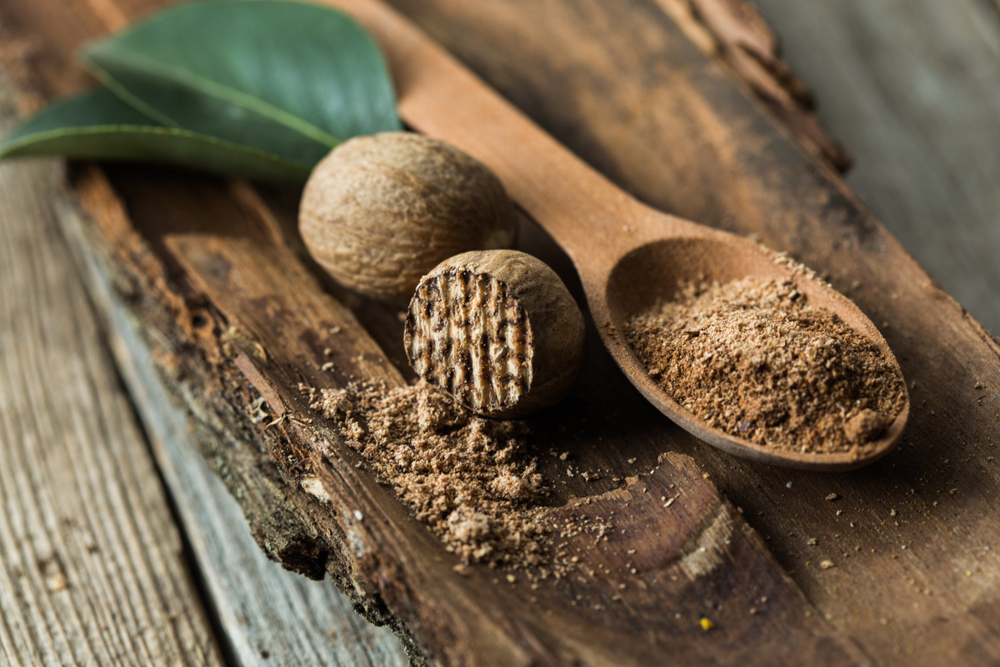
Nutmeg shows up in eggnog, pumpkin pie, gingerbread, holiday lattes, and spice cookies. Tiny amounts baked into food usually cause more tummy upset than full-blown poisoning, but larger amounts of the spice can affect the nervous system.
Signs can include vomiting, disorientation, rapid heart rate, tremors, and seizures. Symptoms can last for up to 48 hours.
Holiday danger zone: spilled nutmeg from baking, dogs licking up concentrated spice, or getting into spice jars. Don’t panic if your dog stole a crumb of pie, but keep them away from anything with lots of nutmeg, and always call a vet if they eat the spice itself.
14. Macadamia Nuts
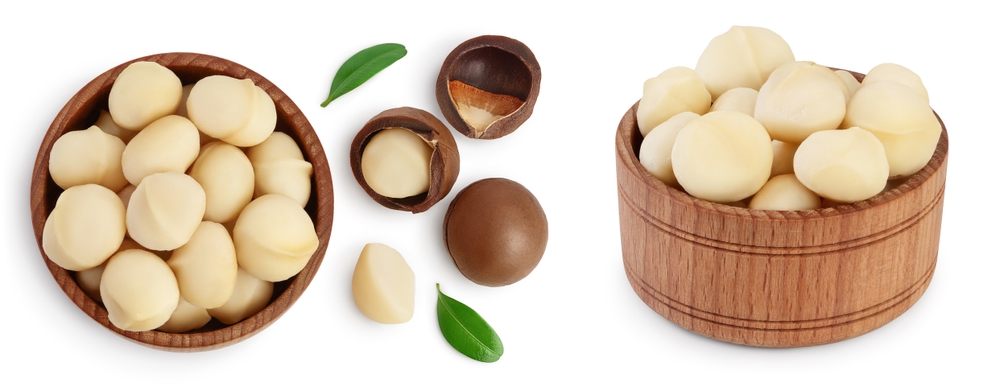
Macadamias are a known toxin for dogs. Even small amounts can cause weakness (especially in the back legs), tremors, vomiting, and high body temperature. Most dogs recover with proper care, but it’s still scary and unpleasant.
Holiday danger zone: nut mixes, cookies with macadamias, and chocolate-macadamia candies (which combine two problems at once).
Because signs can take a few hours to show up, always call your vet if your dog eats macadamias, even if they seem fine at first.
15. Mixed Nut Bowls
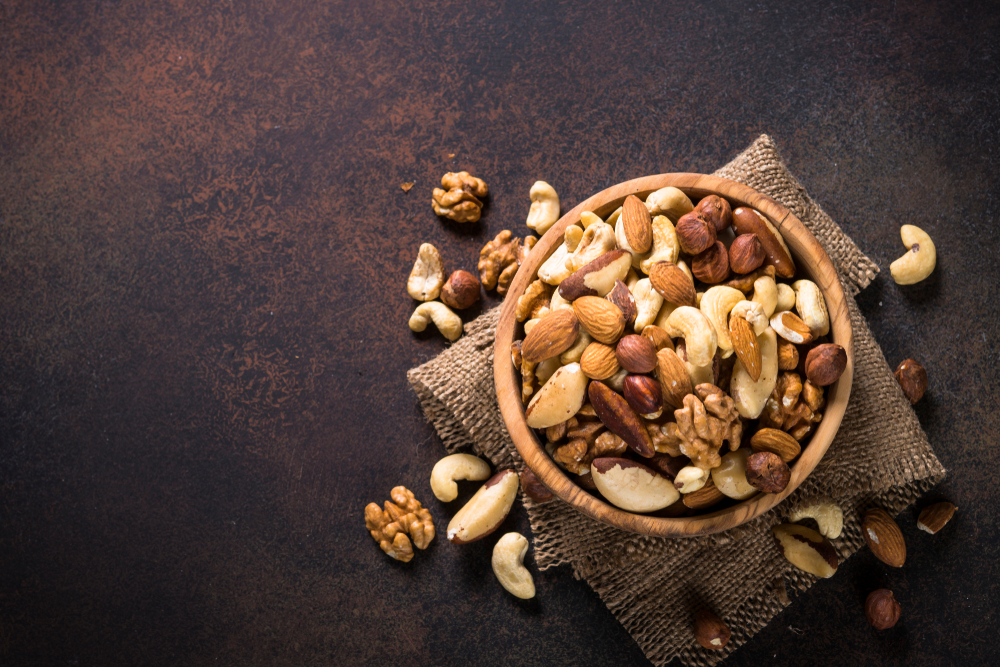
While macadamias are the specific “big bad,” mixed nuts in general can still cause trouble. They’re very high in fat, which means they can trigger pancreatitis, and their size and shape can pose a choking or obstruction risk, especially for smaller dogs.
Holiday danger zone: coffee table nut bowls, snack trays, and gift tins left open. Salted nuts add even more stress on the kidneys and can contribute to sodium problems if a dog eats a lot.
If your dog hoovers a handful, call your vet for advice — especially if macadamias were part of the mix.
16. Coffee, Tea & Caffeinated Desserts
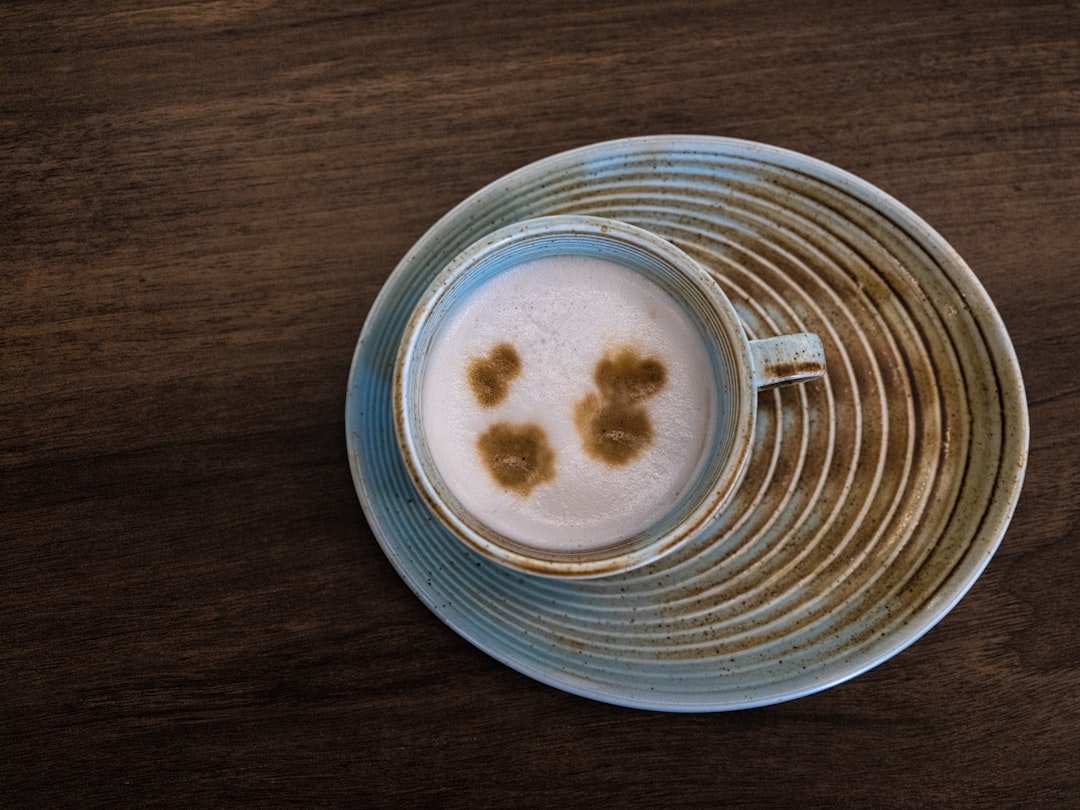
Caffeine is a stimulant that dogs are much more sensitive to than we are. It’s in coffee, tea, energy drinks, and some sodas, and it can also show up in desserts like tiramisu or coffee-flavored cakes and frostings.
Signs of caffeine toxicity overlap with chocolate poisoning: restlessness, panting, tremors, rapid heart rate, and, in severe cases, seizures.
Holiday danger zone: mugs on low tables, cold brew bottles on the floor, coffee grounds in the trash, and “don’t leave your tiramisu plate where the dog can lick it clean.”
17. Ice Cream, Cheesecake & Heavy Cream Desserts
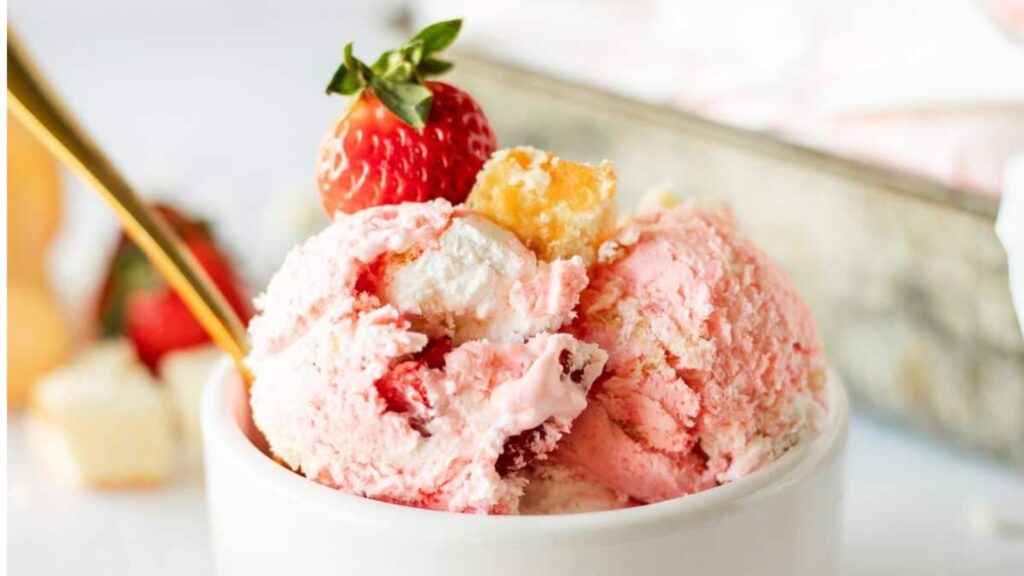
Many dogs are at least somewhat lactose intolerant, which means big servings of dairy can lead to gas, diarrhea, and cramping. Add in all the sugar and fat from ice cream, cheesecake, whipped cream, and cream pies, and you’ve got another pancreatitis risk on top of the digestive upset.
Holiday danger zone: ice cream with pie, cheesecake plates on coffee tables, whipped cream bowls, and letting the dog “pre-wash” dessert plates.
A tiny lick of plain whipped cream might not be a catastrophe for most dogs, but turning them into the designated dessert disposal system is a recipe for a very messy night.
18. Salty Snacks & Party Mixes
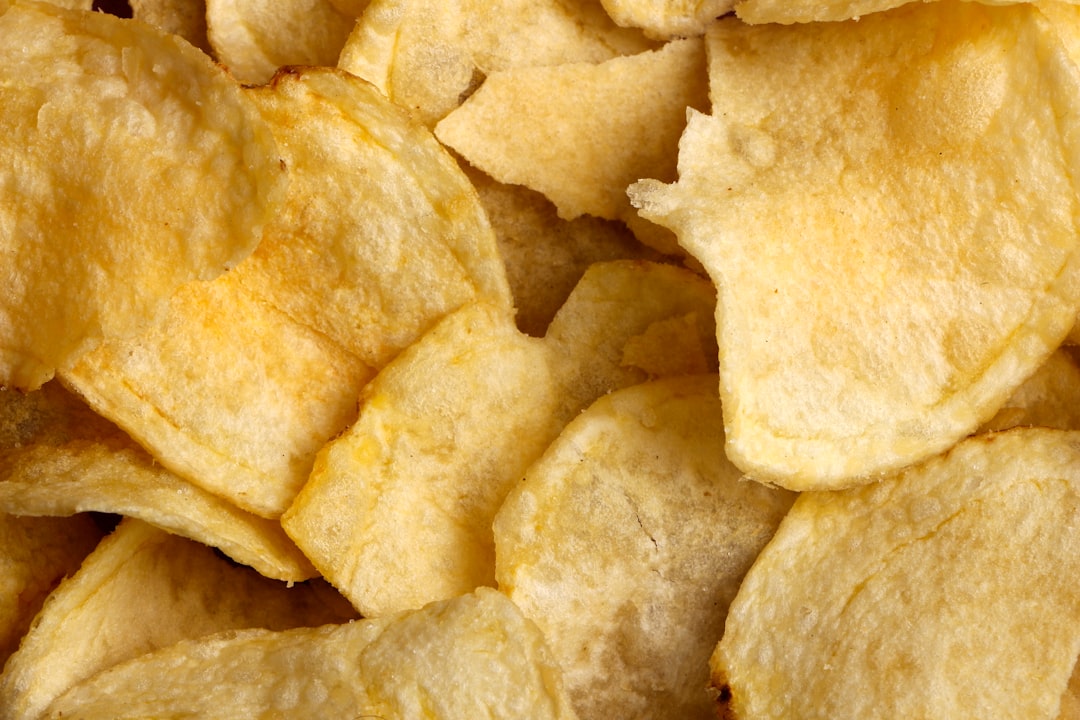
Chips, pretzels, cheesy puffs, and party mixes are crammed with salt and fat. In small amounts, most dogs will just get a mild bellyache. In bigger quantities, salty snacks can contribute to sodium ion poisoning, especially if a dog also doesn’t have enough water.
Holiday danger zone: big communal bowls on low tables, snack mix on the floor after a party, and “everyone gave the dog just one chip.”
These snacks are empty calories for dogs, just like they are for us — but their bodies are less forgiving about the salt load.
19. Corn on the Cob
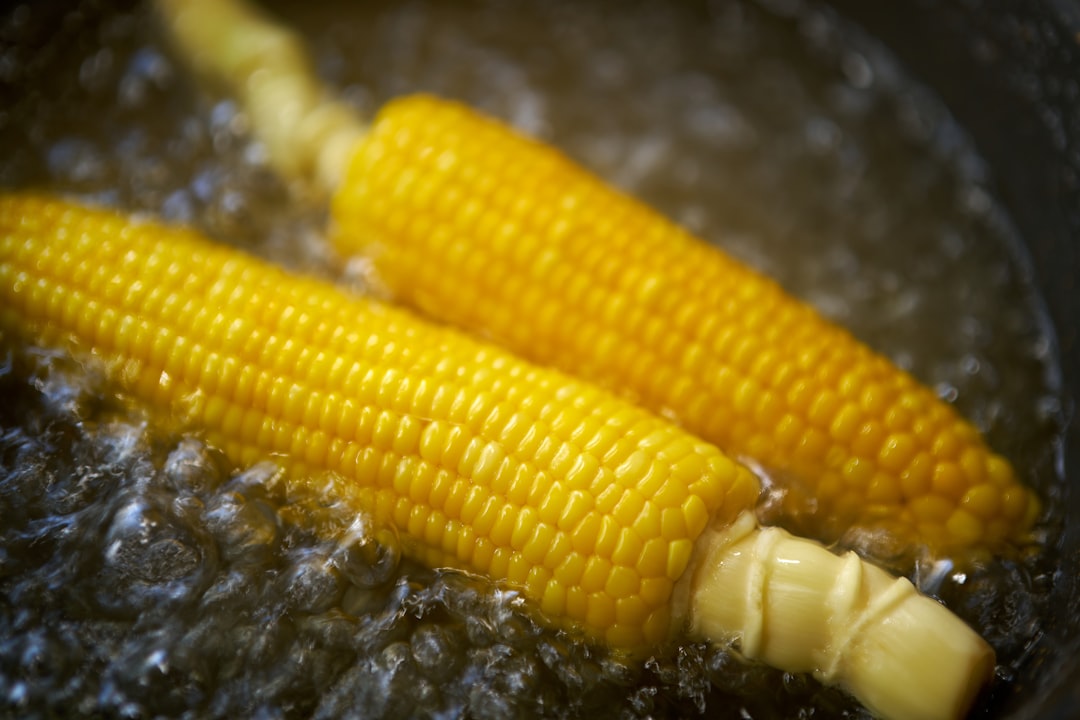
Corn itself isn’t toxic, but the cob is a classic obstruction hazard. Dogs will often eat the cob whole or in big chunks, which can lodge in the intestines and require emergency surgery. Gastrointestinal foreign bodies (including bone and other firm objects) are a common reason for urgent vet visits.
Holiday danger zone: barbecue leftovers, buffet tables, and trash bags. Dogs love gnawing on cobs because they smell like butter and meat juices.
If your dog eats a cob or even a large piece, don’t wait for them to “pass it.” Call your vet right away and watch for vomiting, loss of appetite, and abdominal pain.
20. “Trash Plate” Leftovers & Mixed Scraps
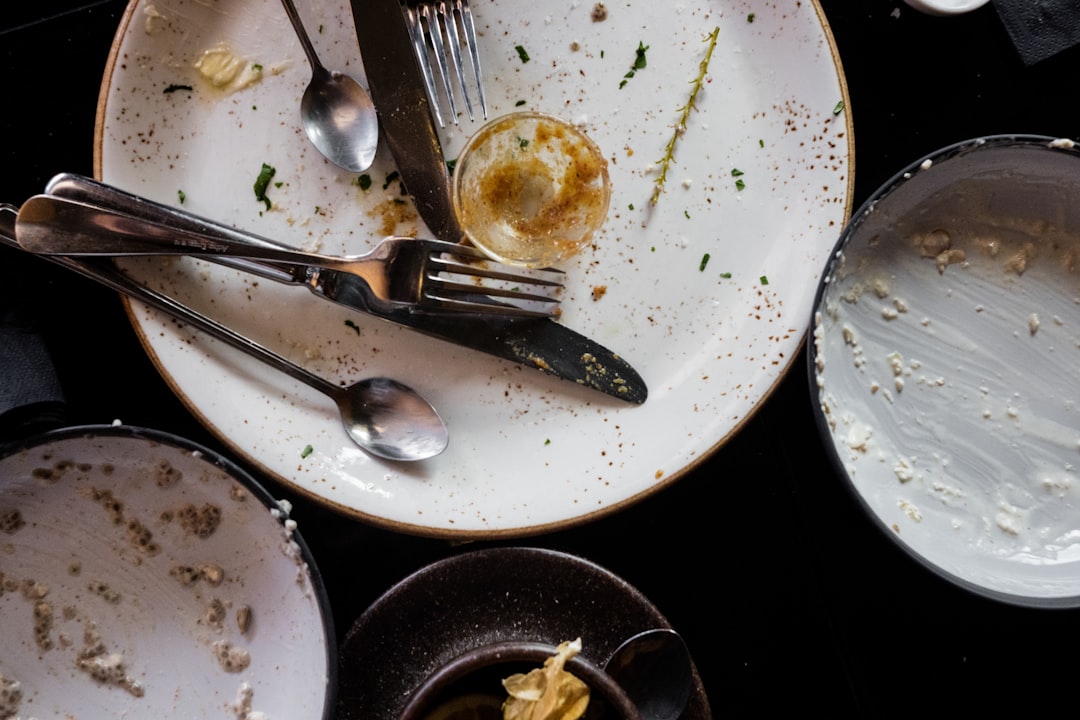
The real danger isn’t just one bad ingredient — it’s everything mixed together. A plate scraped into a bowl might contain chocolate, raisins, bones, fatty meat, onions, toothpicks, and foil all at once.
Holiday danger zone: the bowl of scraps on the counter, bags of leftovers, and trash cans without lids. Dogs see a jackpot; we see a list of possible toxins, choking hazards, and things that can perforate intestines.
If your dog raids the trash, call your vet with as much detail as you can about what was in there. It’s better to over-share than miss something important.
21. Advent Calendar Treats & Edible Decorations
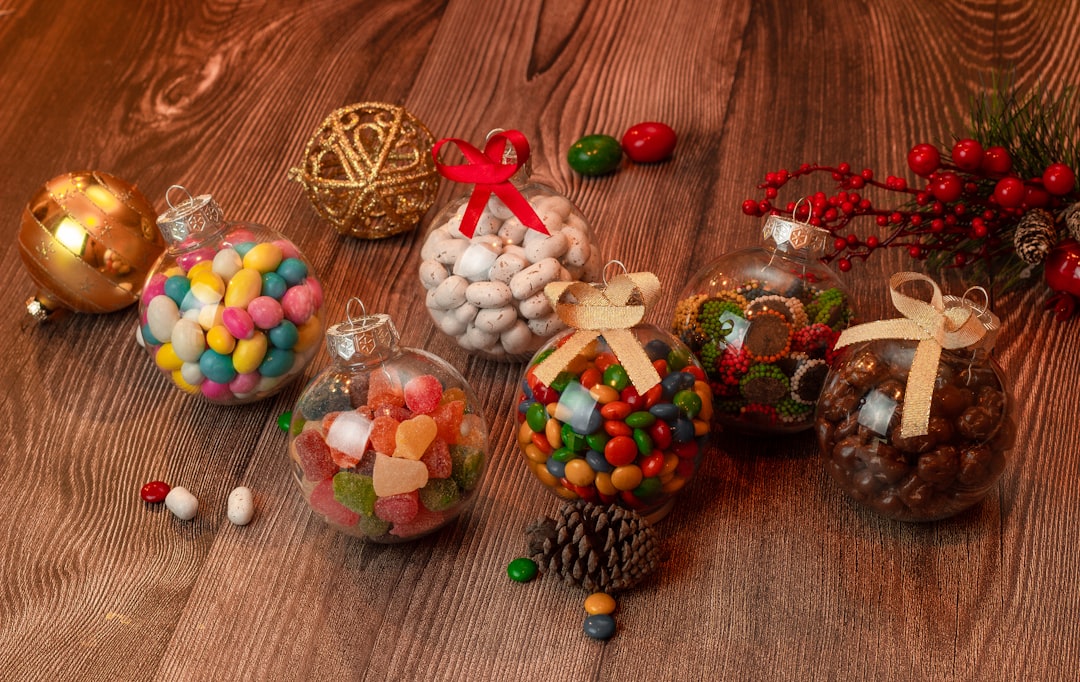
Kids’ chocolate calendars, chocolate coins, candy garlands, and edible tree decorations are all right at nose height for many dogs. They often contain chocolate, raisins, nuts, or xylitol-sweetened candies, plus plastic or foil that can cause blockages.
Holiday danger zone: anything hanging on the tree, strung along mantels, or lined up on low shelves. Dogs don’t understand that something is “for counting down the days” — they just smell sugar and fat.
If you want a dog-friendly advent calendar, buy one made specifically for dogs, with clearly labeled ingredients, and still dose it like treats, not a full meal.
What to Do if Your Dog Eats Holiday Food
If your dog gets into any of these:
- Call your vet or an emergency vet clinic immediately.
- If you’re in the U.S., you can also call a pet poison hotline like ASPCA Poison Control: (888) 426-4435.
- Don’t try home remedies like making them vomit unless a vet tells you to.
And for the “good boy deserves something” moments, go for some plain, lean meat with no sauces, gravies, or seasoning. And, of course, I’d strongly recommend you make my easy fish dog treats recipe, some jerky for dogs, or my ginger, blueberry, and coconut treats.
They’ll still feel included, you’ll still get the joy of sharing, and you won’t spend your holiday sitting on the floor of an emergency clinic.

