
Affiliate disclosure: This post may contain affiliate links. Please see full disclosure.
You don’t have to start your peppers from seed every spring. Peppers are frost-tender perennials, and a healthy plant can survive the winter indoors and start growing again when the days get longer. The trick is to keep it alive without trying to force a summer crop out of it in the middle of December.
I’ve spent years growing food organically, and I think overwintering is particularly worthwhile for a vigorous, productive pepper that’s already proved itself. You get to keep its established stem and root system rather than starting from scratch. But be selective. A sickly, pest-ridden plant isn’t worth bringing into the house, and overwintering is never a guarantee of an earlier or bigger harvest.
Bring peppers inside before cold weather damages them

Don’t wait for the first frost. Peppers can suffer chilling injury well before freezing, and a plant that’s already stressed by cold is a poor candidate for winter storage. Start making plans when nighttime temperatures regularly head toward 50°F (10°C), and get the plant under cover before frost threatens.
Choose healthy plants with sturdy stems, especially favorite hot pepper varieties or slow-growing types you’d rather not replace. Sweet bell peppers can survive too, although they’re often less forgiving. Harvest the remaining peppers, including green ones you can use in the kitchen. Any fruit you leave hanging is another demand on a plant you’re trying to rest.
A pepper already growing in a container is easiest: inspect it, clean the pot and move it inside. For one growing in a bed, dig generously around the root ball, lift it with as many roots intact as possible and pot it into a container with drainage holes and fresh, free-draining potting mix. Water it in to settle the mix, then let it recover. Don’t hack away at the roots just to squeeze a large plant into a tiny pot.
Check carefully for pests before you bring anything indoors

Turn over the leaves and inspect the joints where stems meet branches. Aphids, whiteflies, spider mites and mealybugs can hide in surprisingly small spaces, and they’re much harder to deal with once they’re sharing a warm room with your houseplants.
Remove badly infested growth and rinse off pests where practical. Keep newly moved peppers apart from other indoor plants for a few weeks so you can spot anything you’ve missed. If a plant is heavily infested or has suspicious disease symptoms, I’d leave it out. Saving one pepper isn’t worth putting an entire indoor plant collection at risk.
Prune according to how you’re going to overwinter the plant

For a plant you want to keep alive in a cool spot rather than keep producing fruit, cut back long, floppy branches and remove damaged or diseased growth. Aim for a compact framework of healthy stems with visible nodes where new shoots can develop. Use clean, sharp pruners and make your cuts just above a node.
Some growers reduce peppers to a few short, almost bare stems. That can work, but I wouldn’t do it automatically. A recently dug plant already has plenty to recover from, and not every variety responds equally well to severe pruning. Keeping some healthy growth and buds is the more cautious option, especially the first time you try overwintering.
If you have a warm, brightly lit spot and intend to keep the plant growing, prune lightly instead. Remove exhausted branches and give it a tidy-up, but leave enough foliage to support active growth. It makes little sense to strip off every leaf and then expect the plant to behave like a productive houseplant.
Give overwintered peppers the right conditions

For a resting pepper, choose a cool but reliably frost-free indoor space, with some natural light if possible. A cool spare room or sheltered, temperature-controlled porch can work. An unheated greenhouse or shed is not automatically safe, because the temperature can drop below freezing overnight.
In cool conditions with shorter days, growth slows dramatically and the plant may shed some or most of its leaves. That doesn’t necessarily mean it’s dead. Check that the stems remain firm; if you gently scratch a tiny area of bark, green tissue beneath is a promising sign.
For an actively growing pepper, warmth and strong light matter much more. Aim for daytime temperatures around 70°F (21°C) and nighttime temperatures above 50°F (10°C), and use a suitable grow light if your winter window doesn’t provide enough light. Even with a good setup, a winter harvest takes more work than simply keeping the plant alive until spring.
Cut back the watering, not the plant’s chances of survival
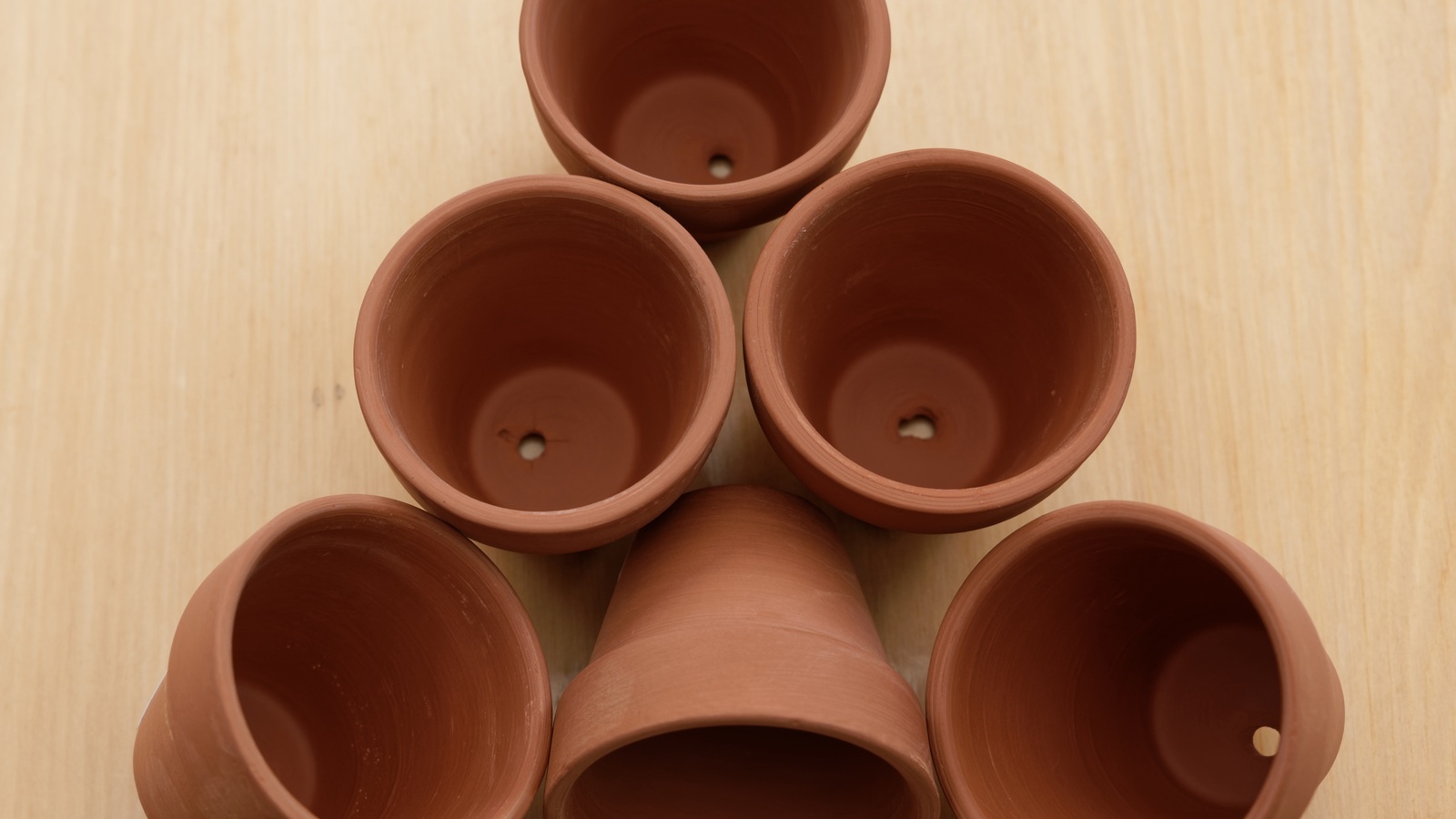
Overwatering is one of the easiest ways to lose a resting pepper. With little foliage and almost no active growth, it uses far less moisture than it did in summer. Check the potting mix rather than following a weekly watering schedule. Allow the upper layer to dry, then give enough water to stop the root ball drying out completely. Never leave the pot standing in a saucer of water.
A warm, leafy pepper will need more regular watering than a cool, nearly dormant one, but the mix should still drain freely. Either way, hold off on fertilizer while growth is stalled. Feeding a plant that isn’t actively growing won’t make the winter go faster.
Inspect the plant each time you water. Soft or blackening stems near the soil line, a sour-smelling wet potting mix or persistent wilting in soggy soil are warnings that something is wrong. Tiny clusters of insects or fine webbing deserve immediate attention too.
Wake the plant up gradually in spring

As daylight increases in late winter or early spring, move a resting pepper to a warmer, brighter spot. Watch for fresh shoots emerging from the nodes. Once those new leaves are growing steadily, increase watering gradually, rather than soaking a pot full of inactive roots all at once.
Refresh the potting mix or move the plant up one pot size if it’s genuinely rootbound. Once it’s actively growing, begin light feeding with a balanced fertilizer or an appropriate organic liquid feed. Don’t rush to remove every old-looking branch; wait until you can see which stems have resprouted, then tidy away anything that’s clearly dead.
Your overwintered pepper still needs hardening off before returning outdoors. Give it short periods in a sheltered, shaded position, then gradually increase its exposure to sun, wind and outdoor temperatures over roughly one to two weeks. Move it back outside for good only after frost danger has passed and nights are reliably warm. Otherwise, all that winter care could be undone in one cold night.
I would always keep a few seeds as a backup, particularly for a favorite variety. Overwintering can give you a wonderfully useful head start, but the sensible self-sufficient approach is to save what you can without betting next year’s entire pepper harvest on one old plant.