

Affiliate disclosure: This post may contain affiliate links. Please see full disclosure.

As a certified canine nutritionist who has been feeding my dogs a healthy, balanced raw diet for over ten years, I’m still alarmed, bemused, and astounded by the strange myths that persist about raw feeding. A Biologically Appropriate Raw Food (BARF) diet is safe, healthy, and uncomplicated when done correctly. Addressing these misconceptions with factual, science-backed information is crucial so you can make an informed choice about what to feed your dog. Let’s debunk some of the most common myths surrounding raw diets for dogs.
Myth #1: Raw Dog Food is Full of Bacteria

One of the biggest myths I see online is that raw dog food is inherently unsafe due to bacteria. This is just silly. Yes, raw meat contains bacteria. But dogs have different digestive systems designed to deal with bacteria. Their stomach acid is strong, with a pH of around 1, and their digestive tract is short and uncomplicated. Plus, their saliva contains bacteria-fighting enzymes.
But wait, what about the humans? Will raw dog food make humans sick?
Yes, if you lick it. Yes, if you don’t handle it hygienically. But if you handle and process raw dog food like raw meat for humans, you won’t get sick.
If you’re preparing raw chicken breasts, do you lick them before you put them in the oven? Do you lick the raw chicken juices off your fingers? Do you immediately put cooked food in the same spot the raw chicken was on the counter? No. You clean down the countertops and thoroughly wash your hands.
Do the same after handling raw dog food, and you’ll be fine. I’ve been feeding a BARF diet to my dogs for over ten years, and I’ve never gotten sick from it nor made my dogs sick.
Myth #2: Raw Dog Food Contains Salmonella and E. Coli
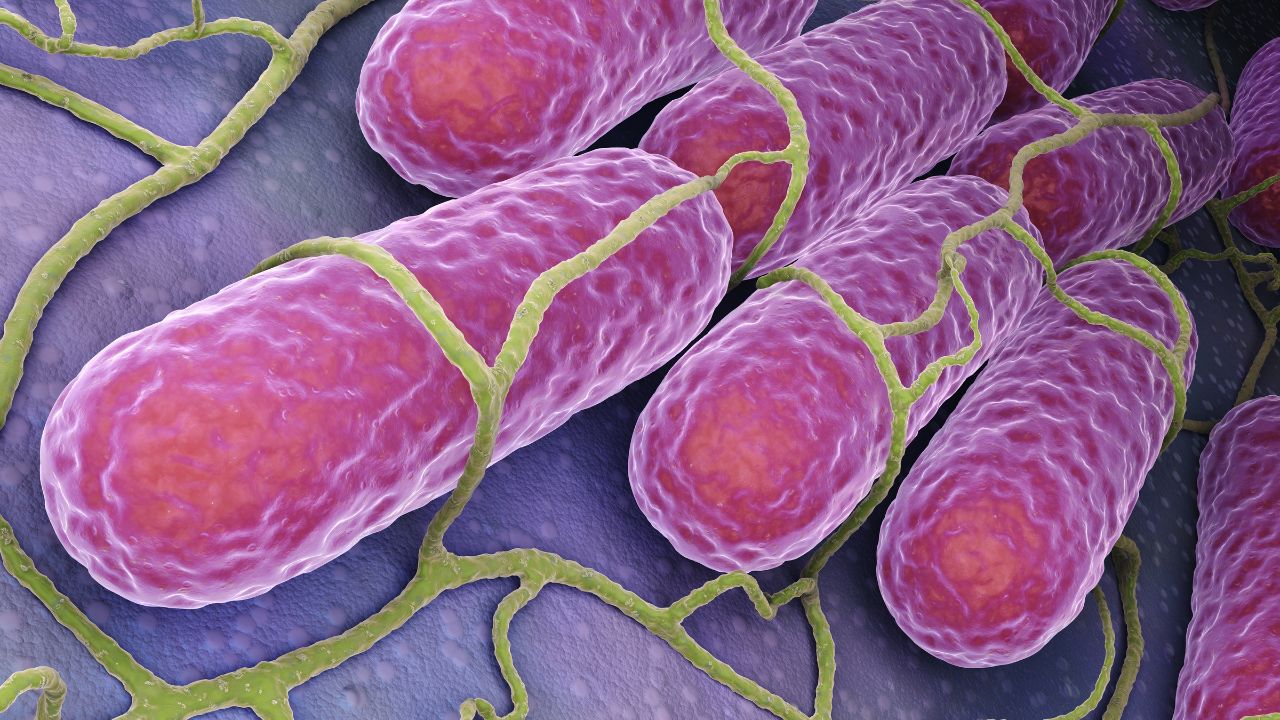
There’s just so much unfounded hysteria around raw dog food. If you get your dog’s food from a reputable source and process and store it correctly, there’s very little chance of salmonella or E. Coli becoming an issue for you or your dog. And take sensible precautions, washing your pet’s bowls, your hands, and any countertops where you handle the food. Use common sense and treat the food like the raw meat you cook for your family.
Because of the dog’s short digestive tract and highly acidic stomach acid, bacteria get killed or removed rapidly. Salmonella, for example, requires around 12 hours in a neutral to alkaline environment to cause problems. But dogs only take 4 to 6 hours to complete their digestive process and eliminate the dead bacteria as waste.
Will their poop have germs? Yes. It’s poop. It doesn’t matter what you feed your dog; their poop remains full of bacteria. The same applies to everything that defecates.
Interestingly, although there’s a huge furor around the idea of raw food containing salmonella and E. Coli, not to mention listeria, it’s far more commonly reported in dry dog food but rarely gets a mention. Just last month, the U.S. Food and Drug Administration (FDA) reported confirmed salmonella cases from a well-known dry dog food manufacturer, and the brand released a product recall. But this same brand had launched product recalls for salmonella in their pet foods in September and October 2023, too.
There are many dog food recalls due to potential contamination every year.
Myth #3 Raw Feeding is Messy
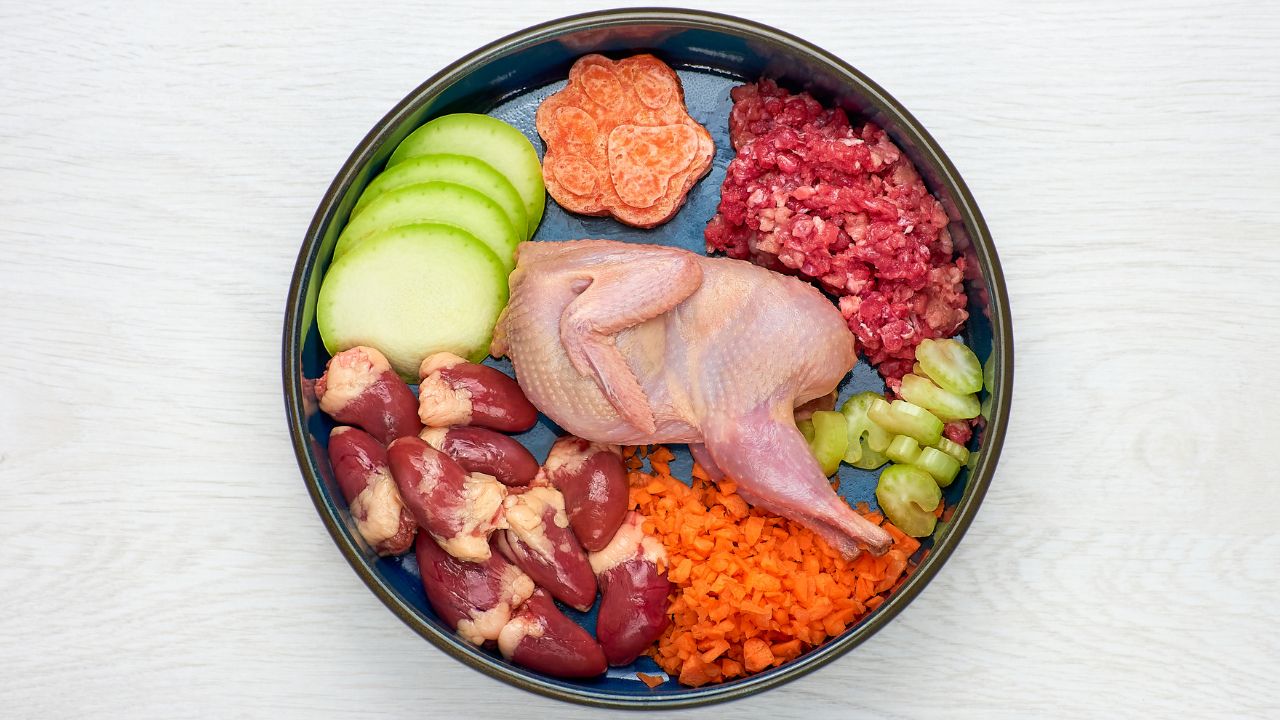
Many believe that raw feeding is messier than kibble. In reality, with some preparation and organization, feeding raw can be as clean as any other feeding method. Creating a designated feeding area and using easy-to-clean surfaces or mats can simplify the process. Feeding complete raw foods that you just scoop out of the package is a good place to start if you’re new to raw.
I DIY my dog’s meals and prep a month (or more) in advance, then freeze in portions. That way, the little bit of mess is limited to once a month, and it’s super easy to wipe down the countertop when I’m done.
Myth #4: Insufficient Nutrients in Raw Food
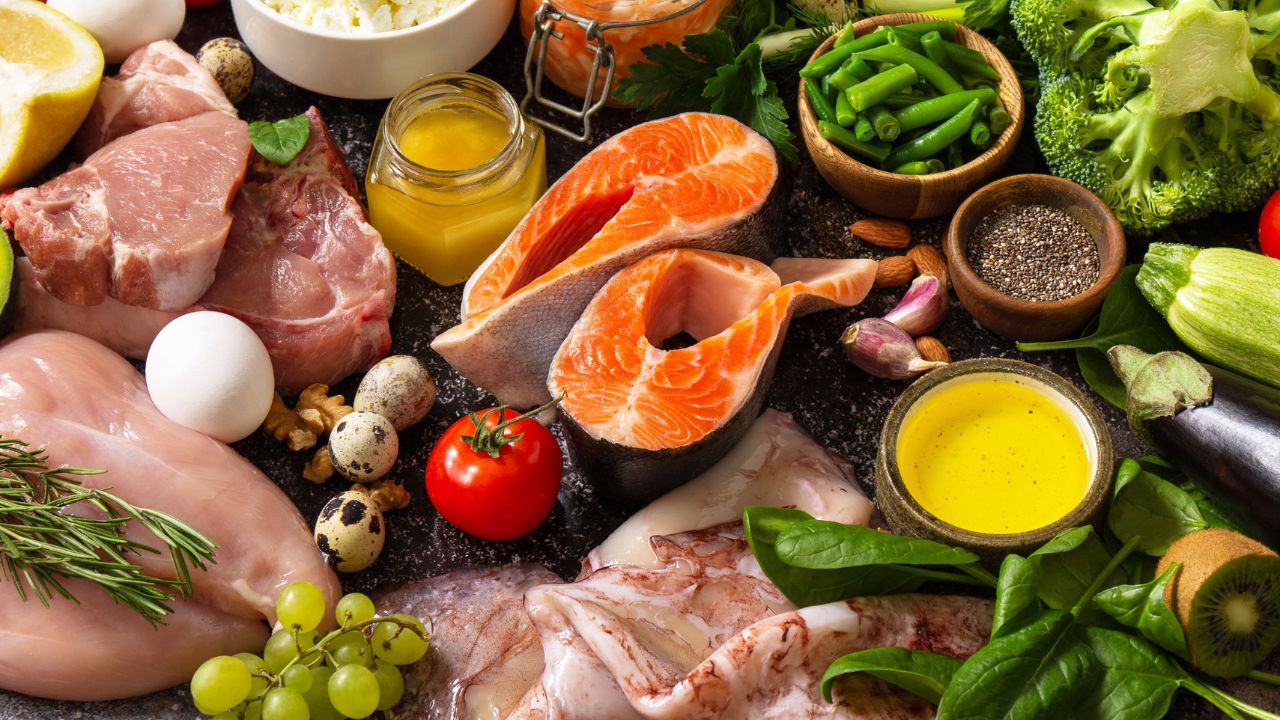
Another myth is that raw diets lack essential nutrients. However, a well-balanced raw diet, which includes a variety of meats, bones, and organs, can provide all the necessary nutrients for dogs. I also tailor my dog’s diets to their specific needs. For example, my senior terrier with adrenal-dependent cushings has different dietary requirements to my fit, healthy, totally bonkers young whippet.
Both of them (and the cats) also get homemade bone broth daily, as it’s a real nutritional powerhouse. I also boost their nutrition with carefully chosen mushrooms, veggies, and a little fruit, nuts, and seeds. Consulting with a canine nutritionist is a great place to start if you’re worried.
Myth #5: Raw Diet Leads to Aggression

The myth that raw diets cause aggression in dogs is unfounded. Dogs’ behavior is influenced more by genetics and training than diet. Feeding raw meat does not make a dog more aggressive or bloodthirsty; these behaviors are rooted in a dog’s instinct, breeding, training, and life experience, not their diet.
My dogs are not in the least aggressive or bloodthirsty.
Phoebe, my whippet, is the silliest, goofiest, sweetest, most laid-back dog you’ll ever meet. Oscar, my old guy, is a little reactive, but that’s due to a couple of bad experiences in his younger days and a bad case of anxiety.
Because all health, including brain health, starts in the gut, a raw diet can actually improve your dog’s behavior.
Myth #6: Raw Bones are Bad for Dogs
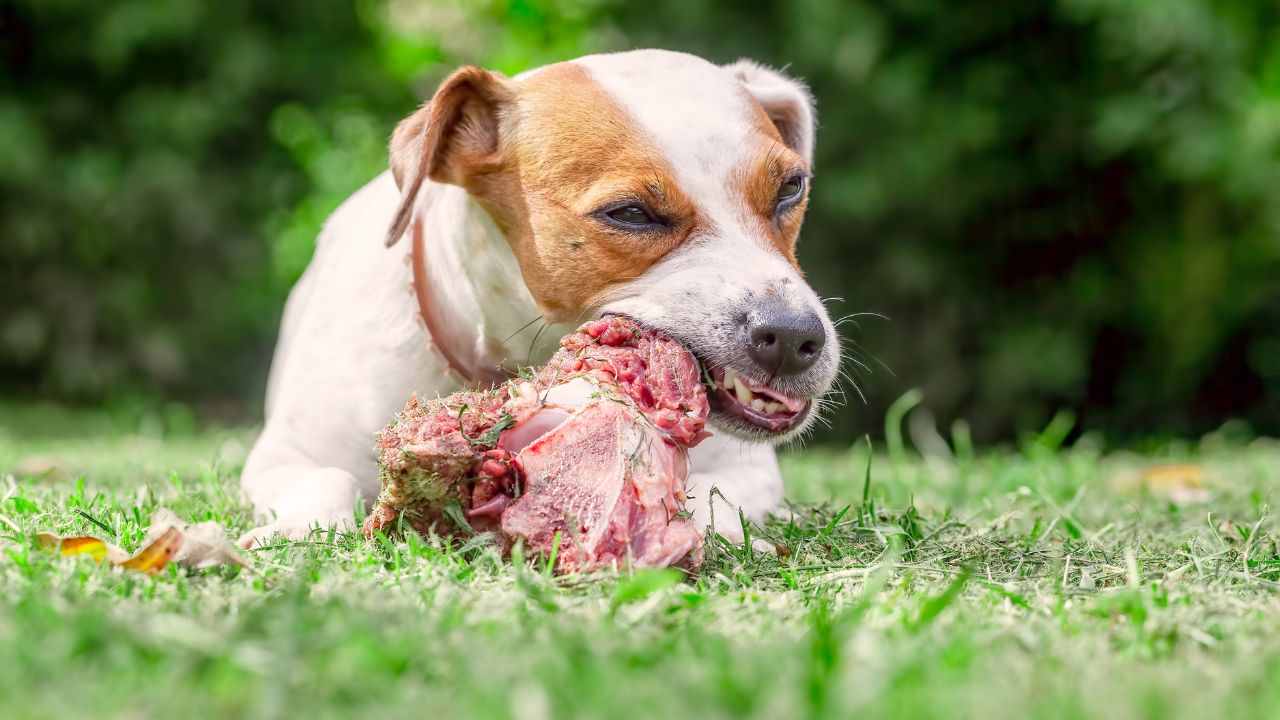
Many believe that raw bones can harm dogs’ dental health. In fact, raw bones, when chosen correctly, are beneficial. They help clean teeth and strengthen jaw muscles. It’s essential to select appropriate types of bones and supervise chewing to prevent accidents. Bones should be big enough so your dog cannot swallow them whole.
To avoid dental problems, I avoid feeding weight-bearing bones as they’re simply too hard and, in my opinion, it’s not worth the risk.
My dogs get raw meaty bones as an integral part of their diet, but on the days when I give them bones, I make sure their meals are boneless so I don’t upset the balance of their diet or cause constipation.
It’s also important to note that cooked bones are incredibly dangerous, and you should avoid them at all costs. Some bones splinter once cooked and can pierce or tear any part of your dog’s digestive tract. Other types of bone fragments can end up causing an impaction. Both options are painful, require expensive surgery, and can kill your dog, so please don’t give them cooked or air-dried bones.
Myth #7: Raw Food is Too Expensive

While raw diets can be more costly upfront compared to kibble, they can be more economical in the long run. Investing in a healthier diet can lead to fewer vet bills and overall better health. Buying in bulk or joining a co-op can also make raw feeding more affordable.
I keep costs low by DIY’ing my dogs’ meals rather than buying “completes.” I also get fresh meat from hunters in my area that’s super inexpensive. Deer, rabbit, and game birds are expensive in stores, but I get them for next to nothing from local hunters. And small-scale farmers and homesteaders often offer great prices on beautiful, healthy, organically raised chicken, turkey, goat, beef, lamb, and pork. You’ll make significant savings if you can learn how to break down a carcass.
You can also cut costs by using cashback apps to get some of the money back and look for sales and reduced items. I also include green tripe in my dogs’ meals. It’s nutritious, costs very little, and can safely make up to 30% of their diet. Just remember, with any fresh meat or fish, you should freeze it for three weeks before feeding your dogs to kill off parasites.
Myth #8: Raw Feeding is Complicated
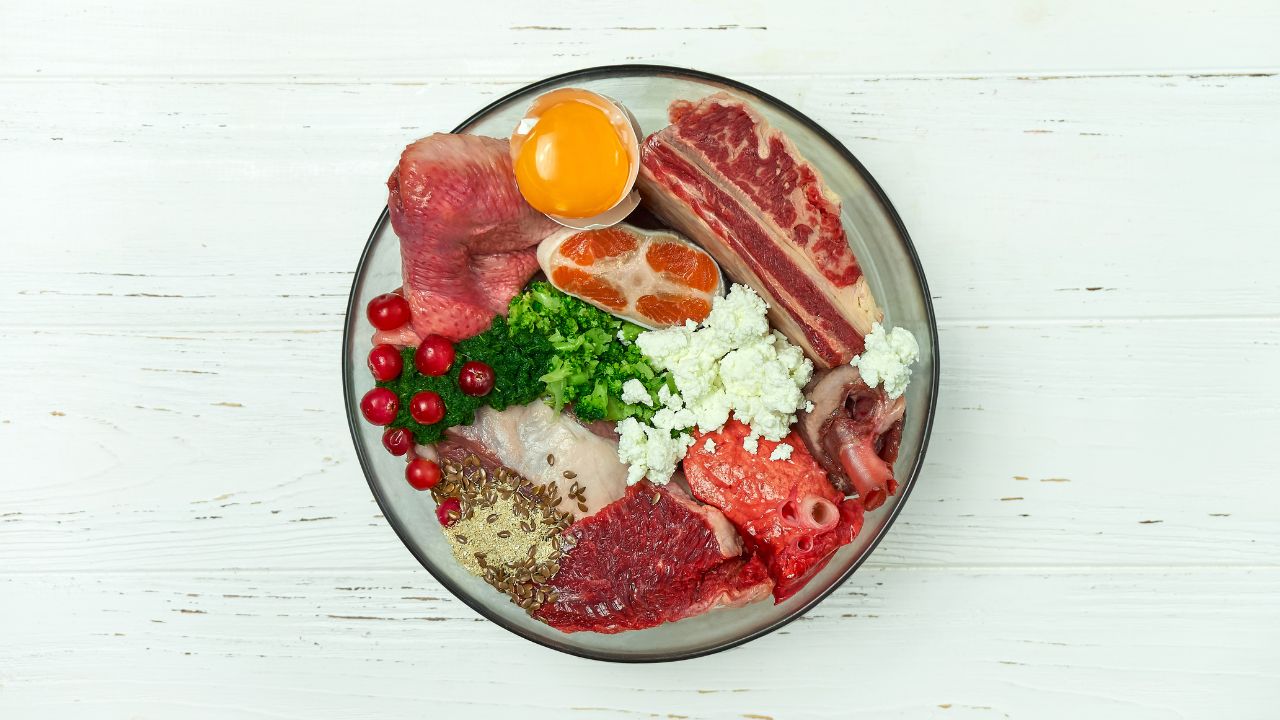
Contrary to popular belief, feeding a raw diet is not necessarily complicated. If you’re worried about maintaining balance if you make the food yourself, raw dog food is available in pre-portioned packages, making it as simple as defrosting and serving. This way, it’s no more complicated than feeding kibble or wet dog food.
Myth #9: Kibble Cleans Teeth Better Than Raw Food
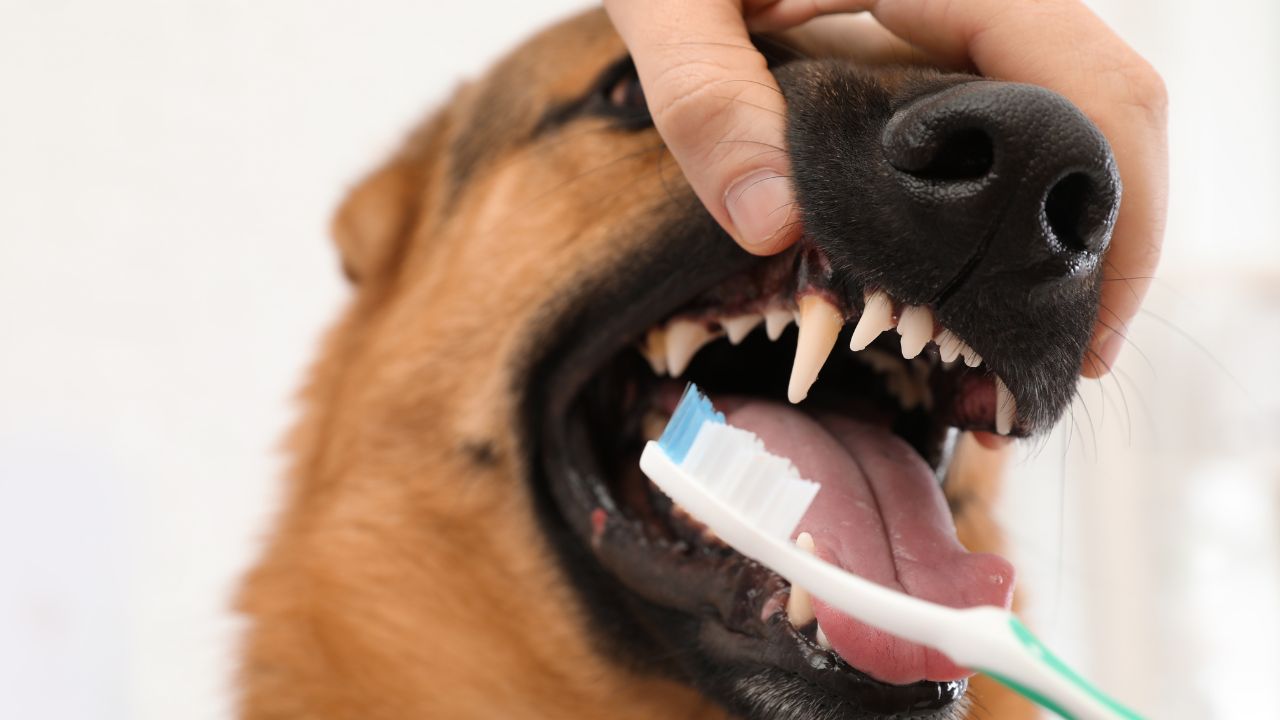
It’s a widespread belief that dry kibble helps clean dogs’ teeth. In truth, kibble often breaks apart easily and can stick to teeth, leading to plaque build-up. In contrast, raw bones and certain raw foods like tripe can effectively clean teeth by scraping away plaque and tartar, promoting better dental health. And, as a responsible pet owner, you should work on co-operative care and make cleaning your dog’s teeth a part of your regular care and maintenance routine.
Myth #10: If Your Dog Eats Raw Food, They Can Never Eat Cooked Food
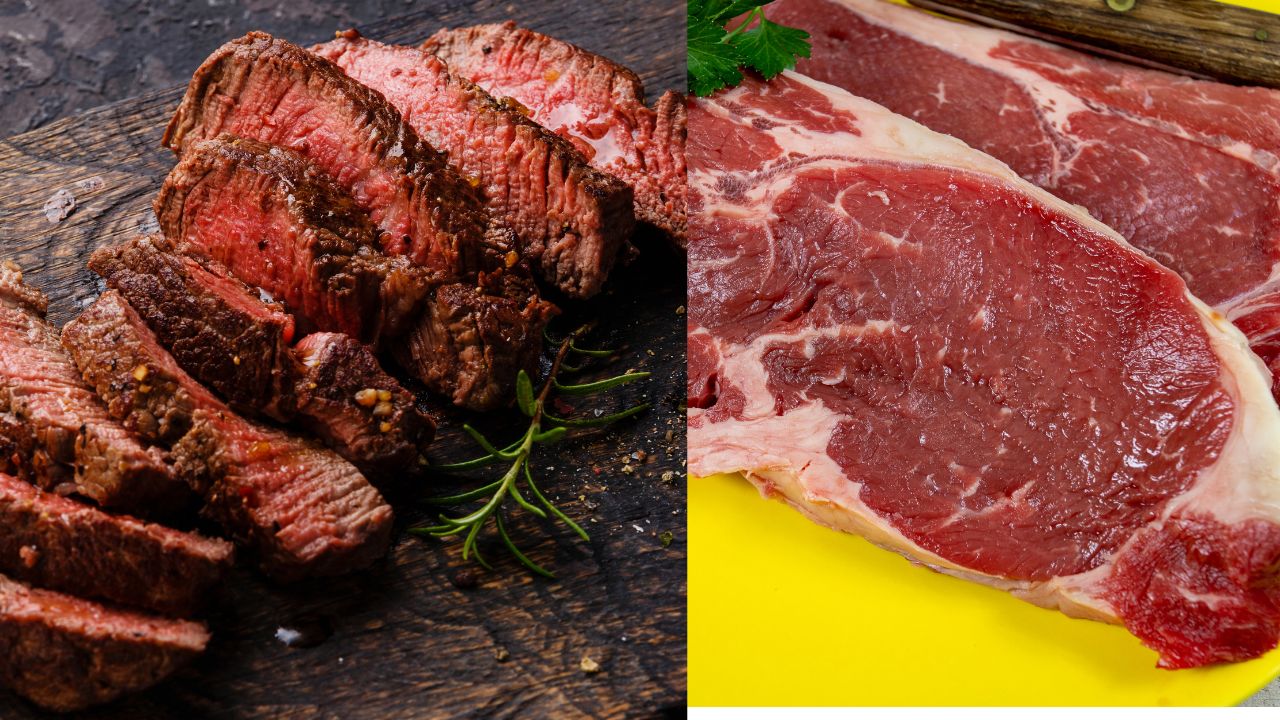
This is a strange and pervasive myth, even among people who follow a BARF diet for their dogs. It’s true that, ideally, you shouldn’t mix kibble with raw food because it can cause stomach upsets due to the differences in stomach acid pH required to digest these two different types of food. But my dogs regularly eat “human food” from my plate.
And I make treats for them that are both baked and dehydrated. I make jerky chew sticks, too, that are always a hit.
My senior, who struggles with hard chews, also gets cooked venison stuffed inside a Kong as a daily snack. Their behavior and training rewards are also cooked meat or homemade treats.

