

Affiliate disclosure: This post may contain affiliate links. Please see full disclosure.
Quick safety note before we start
This is friendly, research-backed advice, and I’m an experienced pet parent and a certified canine nutritionist. And I feed my dogs a balanced, natural, home-cooked wholefoods diet. But I’m not your vet. Different dogs have different health issues, so if your pup has pancreatitis, kidney disease, diabetes, allergies, or is on a special diet, run any people-food treats past your own vet first.
Most vets also agree on the “10% rule”: treats, including human food, should be no more than about ten percent of your dog’s daily calories, with the other ninety percent coming from a complete, balanced dog food.
And just so it’s said clearly: things like chocolate, grapes, raisins, Christmas pudding and fruit cake, mince pies, onions, alcohol, xylitol, macadamia nuts, and cooked bones are firmly off the menu for dogs, even in tiny amounts.
Okay. Here are 18 human Christmas foods you can usually share with a healthy dog, if you keep it plain and keep it small.
1. Plain Roast Turkey

Turkey is a solid Christmas protein for dogs as long as it’s kept simple. Plain, cooked turkey meat with the skin and all bones removed is widely listed as a safe holiday option for dogs.
Skip the crispy skin, gravy, and stuffing. The skin and fat are where a lot of the grease and seasoning live, and that combination is exactly what tips some dogs into vomiting, diarrhea, or even pancreatitis. Cooked bones are a hard no; they splinter and can cause blockages or perforations.
Think of turkey as a garnish, not a second main course. A couple of teaspoons for a small dog or a tablespoon or two for a large dog, mixed into their normal dinner, is plenty.
2. Plain Roast or Boiled Chicken

Plain chicken works much the same way as turkey. Vets routinely use boiled, skinless chicken breast as part of bland diets for dogs with upset stomachs, so it’s generally safe in small portions for healthy dogs too.
The trick is avoiding all the Christmas extras. No garlic rub, no onion-heavy marinade, no salty seasoning blends. Just pull some plain meat from a less-seasoned part of the bird and shred it into their usual food.
3. Plain Potatoes

Potatoes themselves aren’t the problem; it’s everything we pile on them for Christmas. Plain, well-cooked potatoes, without butter, cream, cheese, or salt, are usually fine for dogs in moderate amounts.
Raw or green potatoes are a different story, because of solanine, which is toxic, so those are out completely, as are roasties that have soaked up a lot of fat or been cooked with garlic or onions.
If you want to share, set aside a few plain pieces before you mash or drown them, then mix them with some lean meat and veg.
4. Sweet Potatoes and Yams

Plain cooked sweet potato is one of the big “yes” foods that keeps popping up in vet and nutrition articles about safe people foods for dogs. It’s a good source of fibre and vitamins and shows up as an ingredient in a lot of quality dog foods.
What dogs don’t need is the sugar and marshmallows. Candied yams and marshmallow-topped casseroles are people treats, not dog treats. The easiest way to make it dog-safe is to save a few plain cubes or spoonfuls before you add anything else.
5. Plain Pumpkin
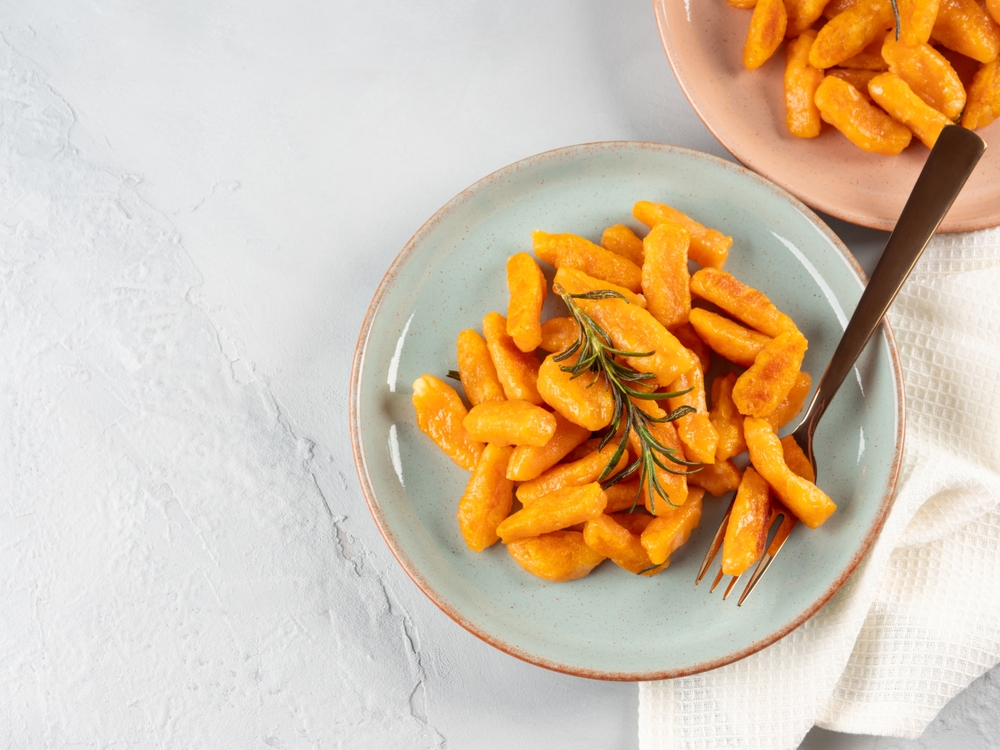
If you’ve ever had a vet tell you to add pumpkin for a gunky tummy, this will sound familiar. Plain cooked pumpkin, or 100% canned pumpkin with nothing added, is commonly recommended as a safe, high-fibre treat in small amounts.
Pumpkin pie, pumpkin cheesecake, pumpkin spice anything – that’s all loaded with sugar, fat, spices, and sometimes artificial sweeteners. That’s for the humans only.
A spoonful mixed into your dog’s regular dinner is enough to make them feel like they’ve scored something special.
6. Carrots

Carrots are one of my personal go-tos. They’re crunchy, low-calorie, and full of beta-carotene and fibre, and they show up on just about every “safe human foods for dogs” list. as dog-safe.
A small handful cut into bite-sized pieces works well for most dogs. They’re often used as a lower-calorie way to bulk out meals for dogs who are watching their weight.
8. Peas

Plain green peas show up in plenty of commercial dog foods and in most vet-approved “safe treat” lists. They’re a nice little pop of fibre and plant protein as long as they’re served plainly, without butter or cream sauces.
If your dog has kidney issues, it’s worth checking with your vet before you add a lot of peas, because of the mineral content, but for most healthy dogs a small spoonful or two is fine.
9. Parsnips
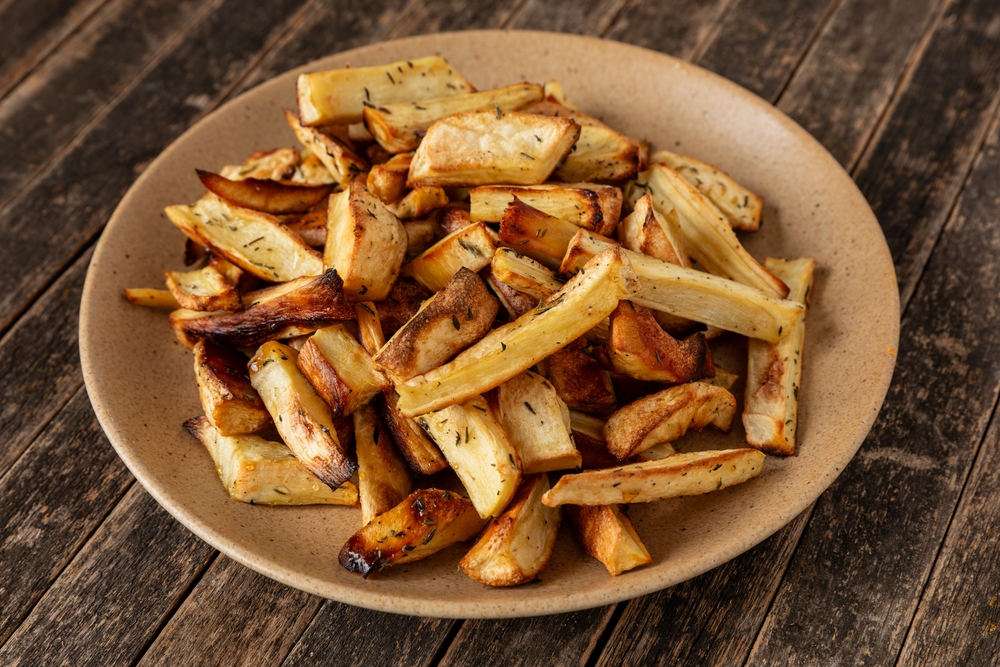
Parsnips are the slightly sweeter cousin of carrots and show up in some “safe veg” lists for dogs when they’re cooked and plain.
Again, the danger is in the glaze. Honey-roasted parsnips, parsnips cooked in rich fat, or piles of them at once are asking for an upset stomach. Think a few small pieces alongside more familiar veg, not half the tray.
10. Brussels Sprouts

Here’s a fun one: the veg most humans argue about at Christmas is actually fine for a lot of dogs in tiny amounts. Cooked Brussels sprouts, plain and without bacon, onions, or butter, are considered safe in moderation.
They are famous for causing gas in both species, so I’d start with half a sprout for a small dog, maybe one for a big dog, and see how their system handles it.
11. Cranberries
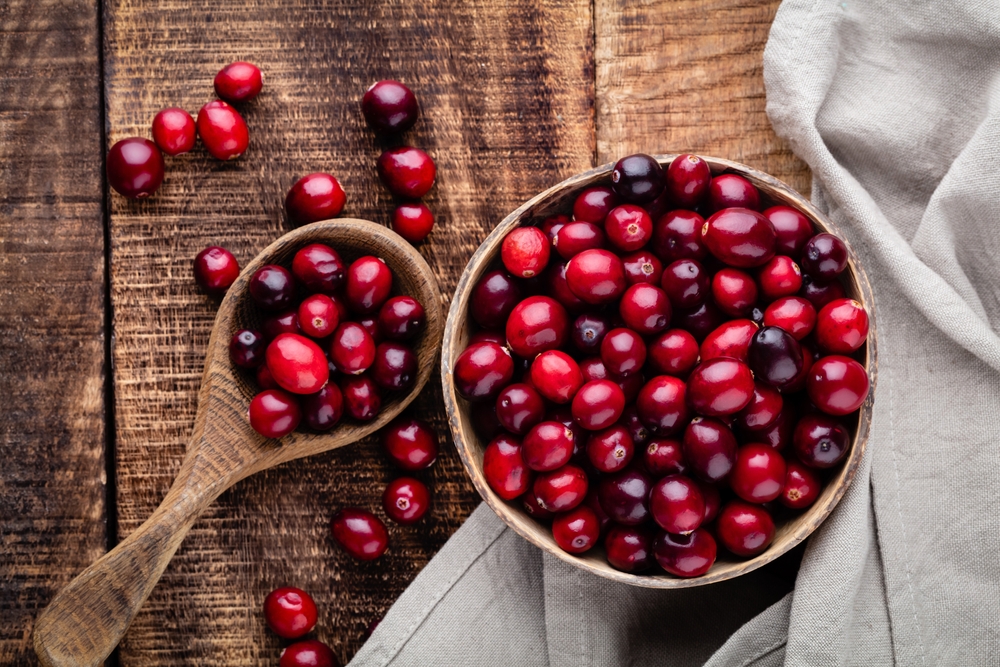
Cranberries get a “yes, but be sensible” vote from most veterinary sources. Fresh or cooked cranberries, plain and in small amounts, are not toxic to dogs and may even have some benefits.
The problems start when they’re mixed with sugar or raisins. Cranberry sauce is mostly sugar, and anything that includes raisins or currants goes straight onto the danger list because dried grapes can cause kidney failure in dogs.
So you can let your dog have a few plain berries if they like the tartness. Just keep the portions tiny and avoid anything out of a sauce dish.
12. Apples (Without Core or Seeds)

Apples are a nice, crunchy, sweet treat for a lot of dogs. They show up again and again on safe food lists as long as the seeds and core are removed.
Apple seeds contain small amounts of cyanide, and the hard core can be a choking risk, so it’s worth taking the extra 30 seconds to slice and de-core. A few thin slices is plenty; leave the caramel apples and pies for the people.
13. Blueberries

Blueberries are little antioxidant bombs and are widely considered a safe, dog-friendly fruit in sensible portions.
You can scatter a few onto their regular food or offer them by hand. They’re soft enough for most dogs to handle easily, and you don’t need many. A small handful for a big dog or a couple of berries for a toy dog is plenty.
14. Bananas

Bananas are another “generally safe, in moderation” fruit. They’re non-toxic and often recommended as a softer treat option.
They are quite high in sugar, so this isn’t an everyday free-for-all. A few slices mashed into food or offered as a treat is enough. They’re especially handy if you need to hide a pill.
15. Plain Cooked Salmon or Other Fish

Well-cooked, completely boneless fish like salmon is usually fine for dogs and can be a good source of protein and omega-3s. It’s on several “safe foods” lists when served simply.
Avoid smoked fish, fish in salty brine, fish with strong seasonings, or anything breaded or fried. And treat fish bones like poultry bones: even small ones can cause serious trouble if they splinter or lodge somewhere.
A small forkful or two mixed into their normal food is enough to make your dog feel like they had “the fancy meat.”
16. Cooked Eggs
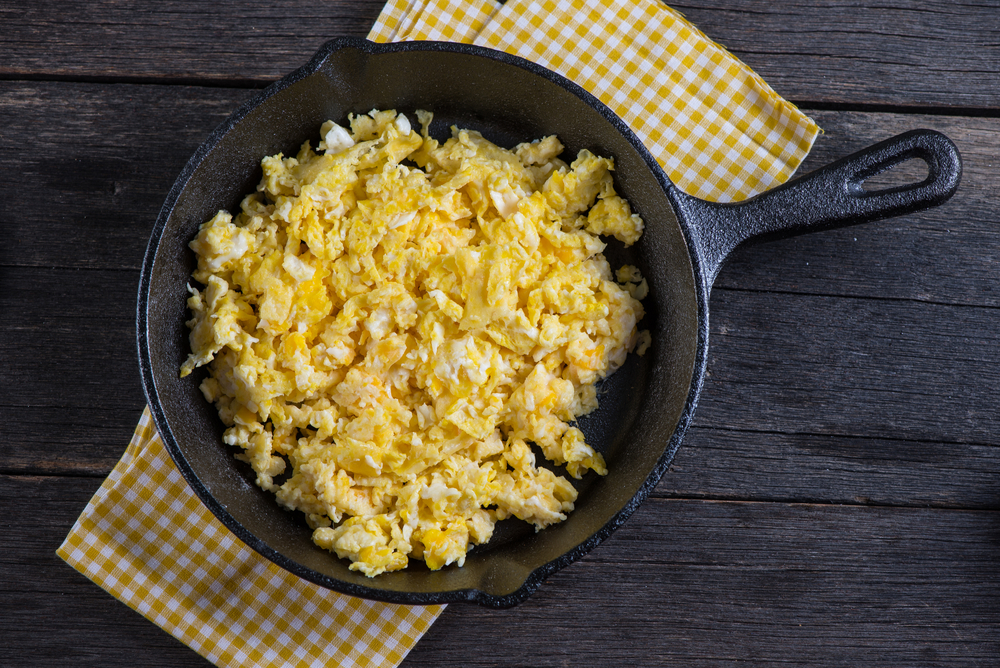
Cooked eggs are another staple of bland diets and show up often in “safe human foods” for dogs. Scrambled, boiled, or poached eggs are usually fine when they’re cooked plain without milk, butter, salt, or oil.
Raw egg can bring a risk of salmonella and can affect how some nutrients are absorbed, which is why most mainstream vet sources stick to recommending cooked.
Think of egg as a topper: a bit of scrambled egg on breakfast, or a slice of hard-boiled egg on top of dinner for dogs that can’t do many meat scraps.
17. Plain Yogurt

Plain, unsweetened yogurt, especially thick Greek-style, is generally safe for many dogs in small quantities and can provide protein and calcium.
The two big rules are no sugar and absolutely no artificial sweeteners. Xylitol, in particular, is extremely dangerous for dogs and shows up on every toxic food list.
Start with a teaspoon or two and watch your dog’s stomach afterwards. Some dogs handle dairy fine; others are very much “nope.”
18. Plain Rice or Oatmeal
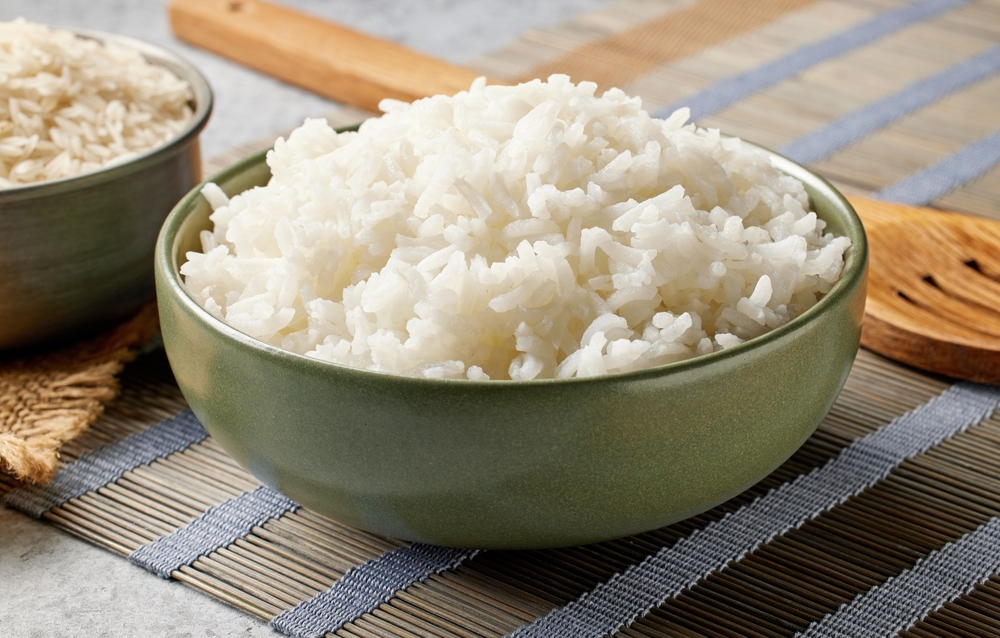
Plain white or brown rice is a standard part of vet-recommended bland diets for dogs and is fine as an occasional treat or meal stretcher when cooked in water without salt, stock, or fat.
Plain oatmeal made with water, with no sugar, raisins, or sweeteners, is also considered safe for most dogs in small amounts and shows up in some dog foods.
Both are gentle on the stomach and can be useful if you want to stretch a small amount of “special” meat and veg into a proper meal without overdoing the rich stuff.
Putting it together without wrecking their stomach
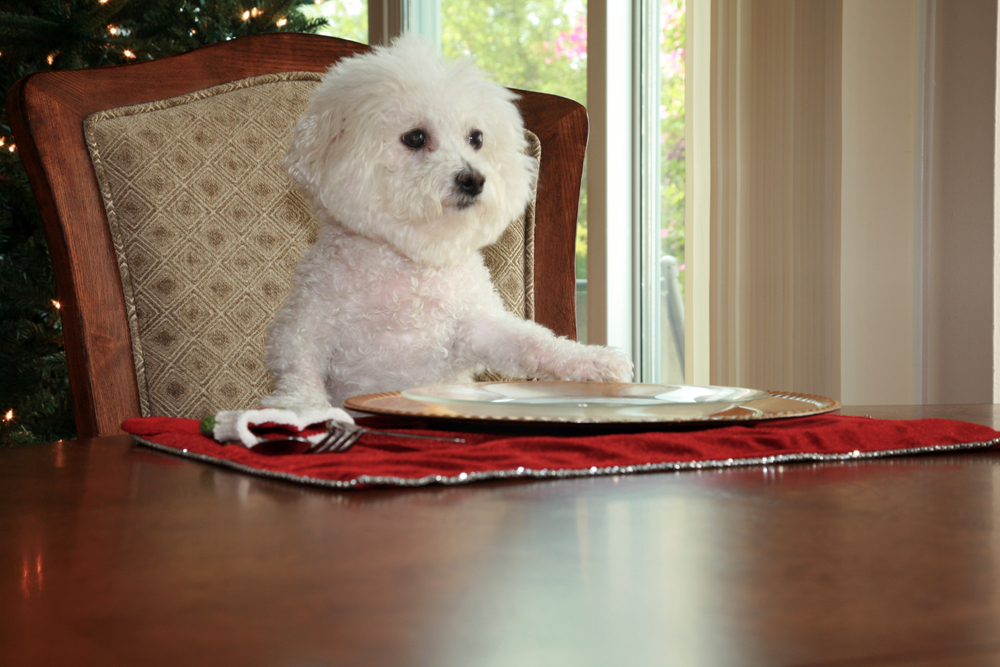
The simplest way to make a Christmas plate for your dog is to build it on top of their usual food. A tiny amount of lean turkey or chicken, a spoonful of rice or sweet potato, a little plain veg, and maybe a piece of apple or a blueberry or two on the side is more than enough for most dogs.
And honestly, the dog doesn’t know the difference between “carefully portioned bland turkey on kibble” and “whole extra serving of roast,” but their pancreas absolutely does.

