

Affiliate disclosure: This post may contain affiliate links. Please see full disclosure.
If you live with a dog, you already know they have a lot to say. I have a feisty little terrier mix in his (very) senior years and he L.O.V.E.S the sound of his own voice. I also have a youngish whippet, and boy-howdy does that girl like to sing her whippety song! But they communicate with each other, me, and the world around them in all kinds of other ways, too. Those gorgeous pups in the main image of this post are my two bundles of trouble and joy!
They tell you when it’s walk time. When it’s cuddle time. When it’s “I heard a squirrel breathe three houses away” time.
But most of that “talking” doesn’t come out as barking. It’s in their eyes, their tail, the way they flop against you on the couch, even the way they sigh.
Vets and behavior pros will tell you dogs lean way more on body language, scent, and subtle sounds than on full-on barking. One veterinary guide from VCA Animal Hospitals puts it simply: people are listeners, but “dogs are watchers.”
Quick note: I’m not a vet or a trainer. I’m just pulling together what the science and experts say. Plus my many, many years of experience with my beautiful, wonderful, quirky dogs. But, if your dog’s behavior suddenly changes, or you’re worried about fear or aggression, definitely loop in your own vet or a qualified trainer for tailored help.
1. The soft “I love you” stare

You know that moment when your dog just looks at you, all soft eyes and relaxed face, and your brain melts a little?
That’s not just you being sappy. There’s actual science behind that gaze.
A 2015 study in the journal Science found that when dogs and their humans look into each other’s eyes, levels of oxytocin, the “bonding hormone”, go up in both.
Researchers basically called it a “love loop.” Your dog looks, you feel closer, you look back, they feel closer. That soft mutual stare is their way of saying “you’re my person,” without a single sound.
If the eyes are squinty, the face is loose, and the body is relaxed, that gaze is love, not a challenge.
2. Tail “sentences,” not just tail wags
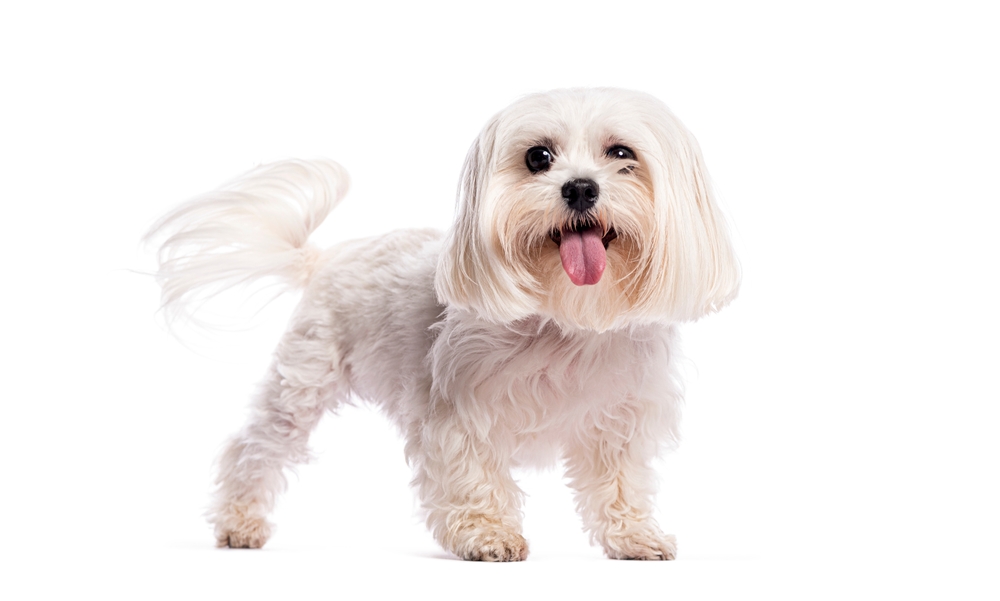
We’ve all heard, “Wagging tail means happy dog.” Sort of.
The American Kennel Club points out that all a wagging tail really means is “emotional arousal.” It might be excitement, but it could also be frustration or something more serious.
So your dog “talks” with their tail like this:
A loose, level tail wagging in wide sweeps usually says, “I’m relaxed and happy.” A fast, stiff wag with a high tail can be more like, “I’m on high alert.” A low wag or tucked tail says, “I’m unsure or scared.”
The full message lives in the whole body. A soft, wiggly dog with a wagging tail is basically yelling “hi, hi, hi, I like you!” in body language.
3. The classic play bow

When your dog drops their front end, sticks their butt in the air, and looks at you with bright eyes, that’s a pretty clear sentence: “Let’s play!”
The AKC’s canine body language guide lists the “play bow” as a normal part of happy, bouncy dog communication.
That bow says, “Everything that comes next is just fun, I’m not being serious.” It’s your dog’s way of turning zoomies, chase games, or even gentle mouthing into goofball play instead of a fight.
If you bow back, yes, really, most dogs get even more excited. You’re speaking their language.
4. Leaning, sitting on your feet, and full-body cuddles
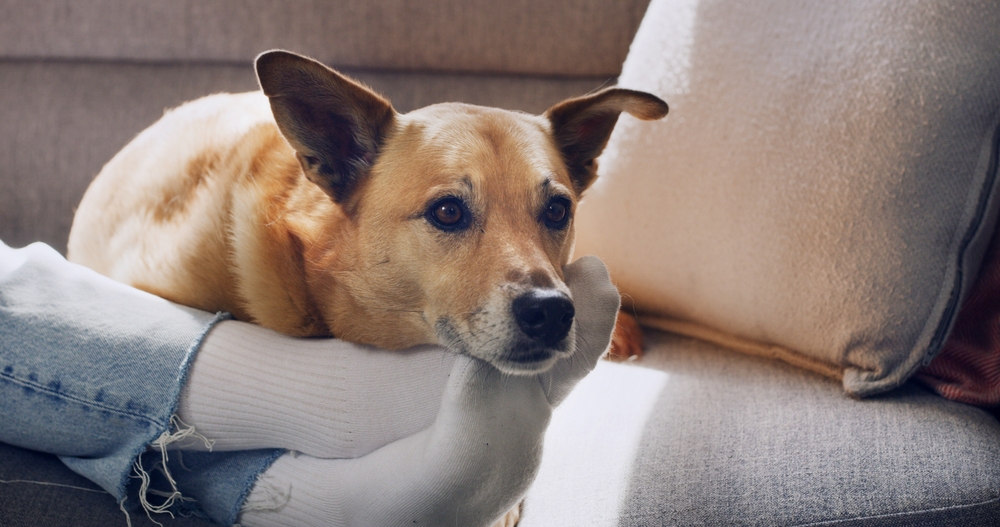
Some dogs act like they’re trying to merge with your legs.
They lean their whole weight against you. They sit squarely on your feet. They back up and park their butt on your lap like a furry dump truck.
That physical contact is a quiet way of saying, “You are my safe place.” A relaxed lean with a soft body usually signals comfort and trust, not “I’m trying to dominate you.” Many behaviorists now steer people away from old dominance myths and toward seeing this as connection and security.
It’s like a doggy side hug. They don’t need to bark; they’re literally pressed up against their favorite person.
5. Paw taps and nose boops
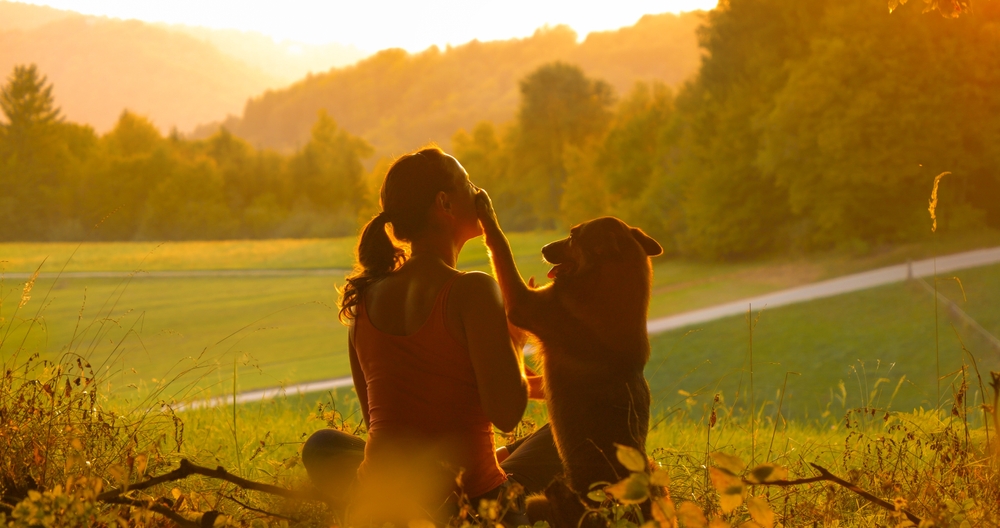
You’re sitting there, minding your business, and suddenly a paw lands on your arm. Or a cold nose nudges your hand. Or they gently bop your phone out of the way.
In the AKC’s body language booklet, they actually list front-paw stamping and persistent staring as ways dogs “ask” for something such as attention, play, food, or help.
Dogs figure out fast what works on you. Paw on your leg equals ear scritches? Cool, they’ll use that move again. Nose shove makes you throw the toy? You just got trained.
It’s adorable, but it’s also pretty clever communication: “Hey. You. I need you to do a thing.”
6. The head tilt that breaks the internet

That iconic head tilt when you talk to your dog? That’s one of the cutest “I’m listening” signals on the planet.
Guide Dogs UK explains that when dogs tilt their heads, they’re often curious and focusing hard on what’s happening. Ears forward, eyes bright, body slightly tense, that combo usually means “I’m trying to figure this out.”
Some researchers have suggested that especially “gifted” dogs may tilt their heads more when they’re processing familiar words or interesting sounds, though the science is still evolving.
Either way, that tiny tilt is your dog saying, “Wait, say that again? Did you just say walk?”
7. Happy wiggles and full-body smiles
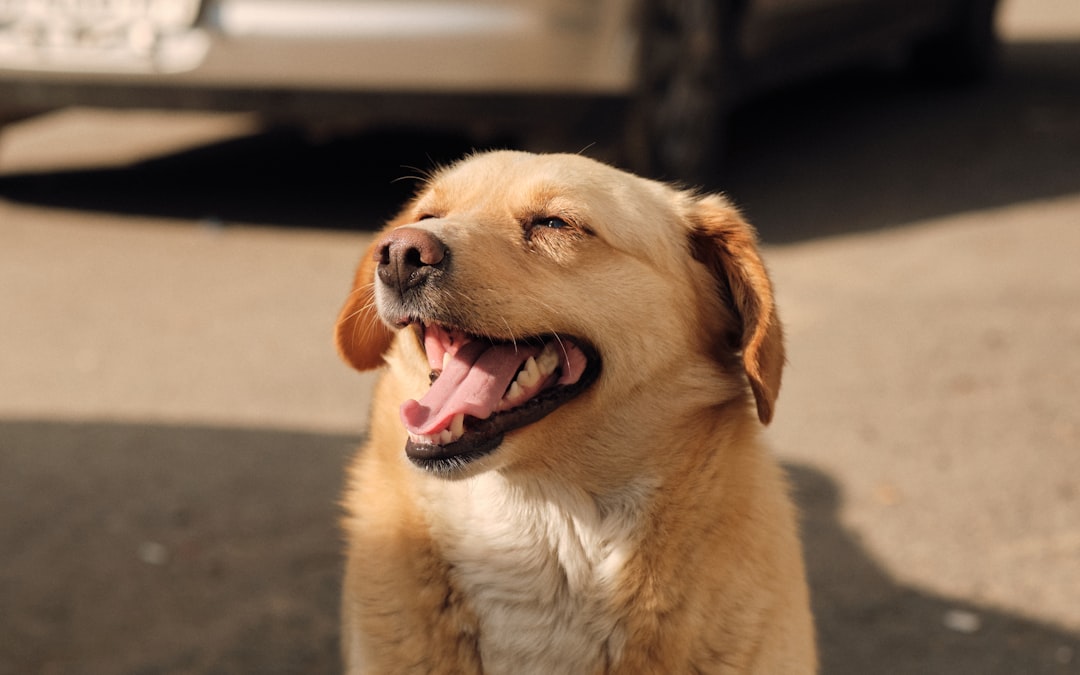
A truly joyful dog doesn’t just wag their tail. Their whole body goes into party mode.
Veterinary body-language guides describe a relaxed, happy dog as having loose muscles, soft eyes, slightly open mouth, and a neutral tail that may wag slowly or make their whole rear end wiggle.
Some dogs even have what looks like a big grin, lips pulled back, ears relaxed, body loose. As long as the rest of the dog is soft, that “smile” plus the wiggles is them yelling, “I’m so happy you’re here” in silence.
That’s why it’s important to read the whole dog, not just the teeth or tail. Context is everything.
8. Zoomies: the silent scream of pure joy
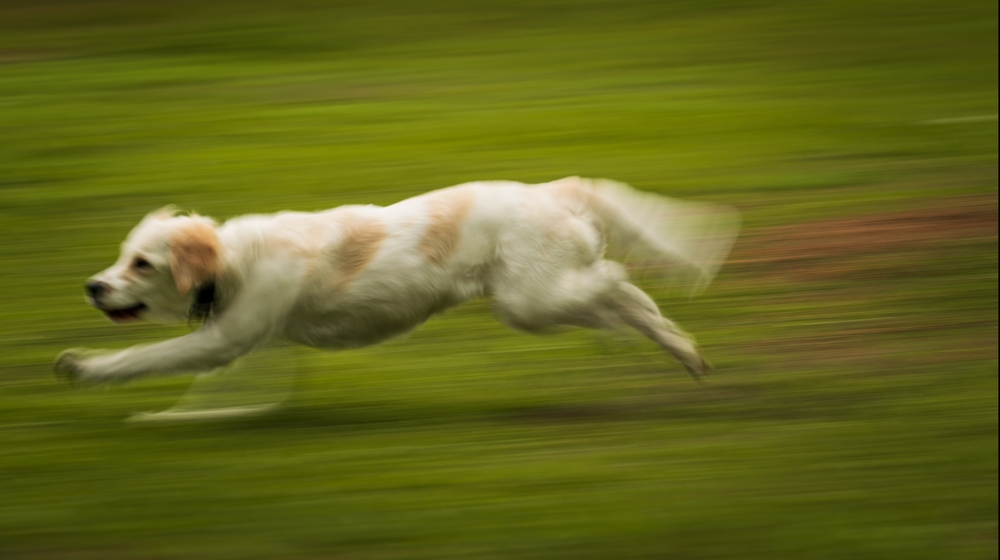
Technically called “FRAPs” (frenetic random activity periods), zoomies are those wild moments where your dog rockets around the yard or house in chaotic circles.
Behavior experts describe zoomies as a normal way for dogs to blow off steam and express excitement or relief, after a bath, after a nap, when you get home, or just because their joy tank overflowed.
Even without a bark, the message is loud: “I have SO MANY FEELINGS and they’re all happy.”
As long as the body is loose and playful, and they’re in a safe space, zoomies are one of the cutest “I’m feeling great” speeches a dog gives with their feet.
9. Licks, gentle nibbles, and tiny “kisses”
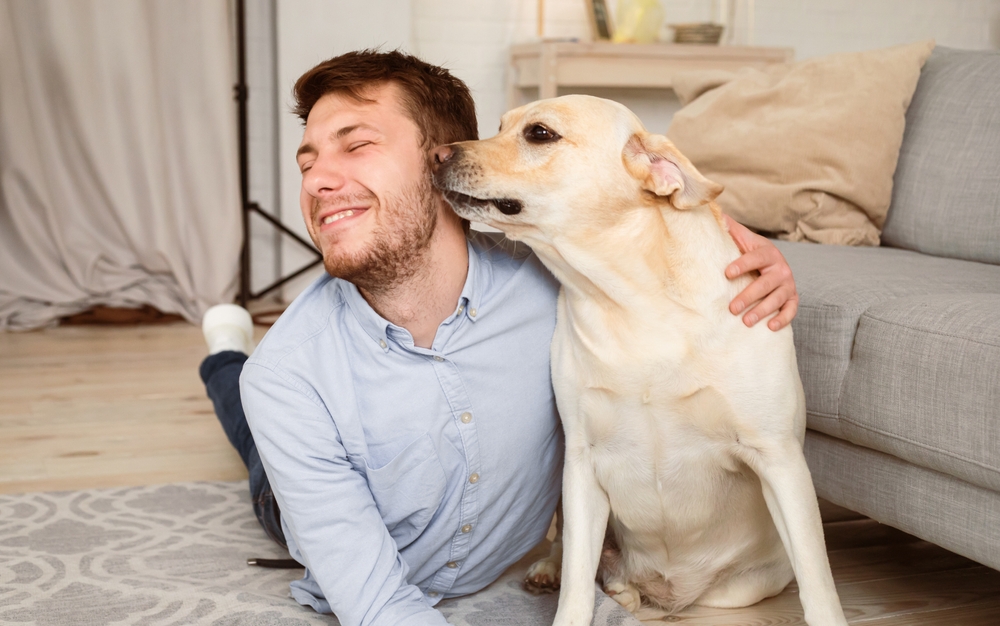
Not everyone loves dog slobber, but for many dogs, licking is part greeting, part comfort, part habit.
The AKC notes that dogs lick as a social behavior, especially around faces and hands, and it can signal friendliness or affection.
You’ll see it when you come home, when you sit down after a stressful day, or when they curl up next to you and gently lick your fingers. It can also be a soothing behavior for them when they’re a little unsure.
Of course, excessive licking, especially of themselves, can be a sign of stress or discomfort, so if it suddenly ramps up, that’s a good “talk to your vet” moment.
10. Calming signals: yawns, lip licks, and looking away
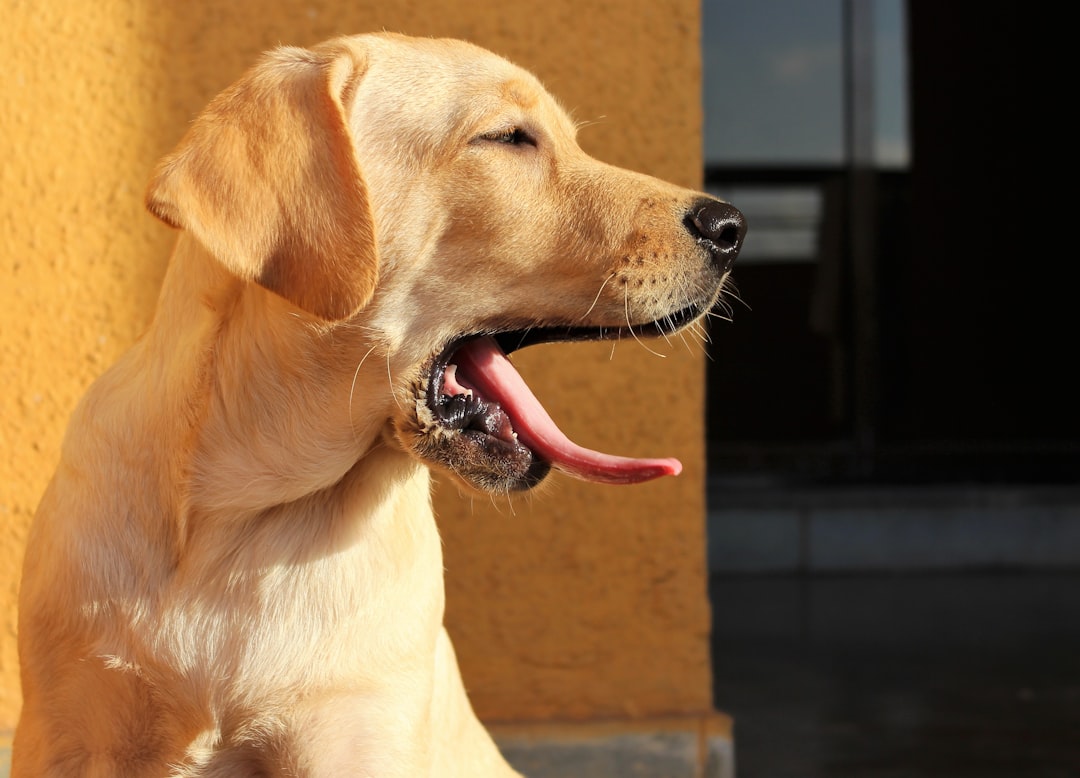
One of the coolest things dogs “say” without sound is, “I’m trying to keep the peace here.”
Norwegian trainer Turid Rugaas made the term “calming signals” popular. She describes them as little behaviors, like yawning, licking the nose, turning the head away, or moving in a curve instead of straight on, that dogs use to avoid conflict and calm themselves or others.
Veterinarian Dr. Karen Becker, for example, notes that lip licking, nose licking, yawning, and head-turning can all show that a dog is uncomfortable and trying to defuse a situation.
So when your dog yawns during a hug, looks away, or flicks their tongue out a few times, they’re not being rude. They’re quietly saying, “I’m a bit stressed; can we slow this down?”
11. The quiet “help me” look
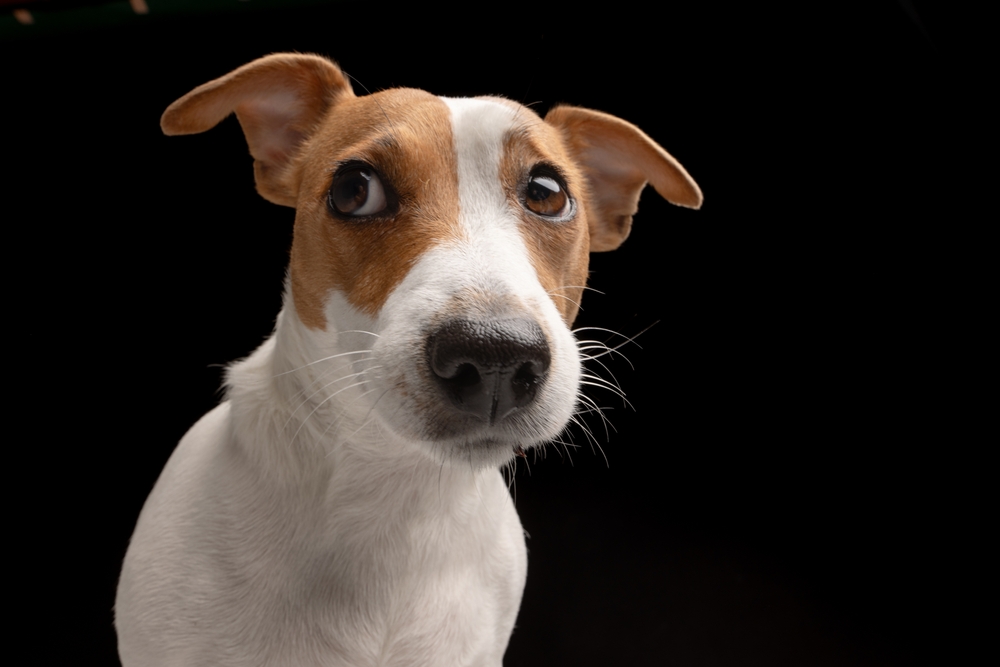
Not every silent message is cute, but it’s still important, and honestly, pretty amazing communication.
A dog who goes still, tucks their tail, flattens their ears, or leans away and looks at you with big, worried eyes is very likely saying, “I’m scared, fix this.” Veterinary guides list tucked tails, crouched bodies, and whale eye (seeing the whites) as classic fear or stress signals.
When your dog glances from the scary thing to you, they’re recruiting you into the conversation. They’re asking you to create space, move them away, or step in.
It’s their silent SOS. Paying attention to that “talk” is one of the best ways to build trust.
12. Bringing you toys, socks, and weird treasures
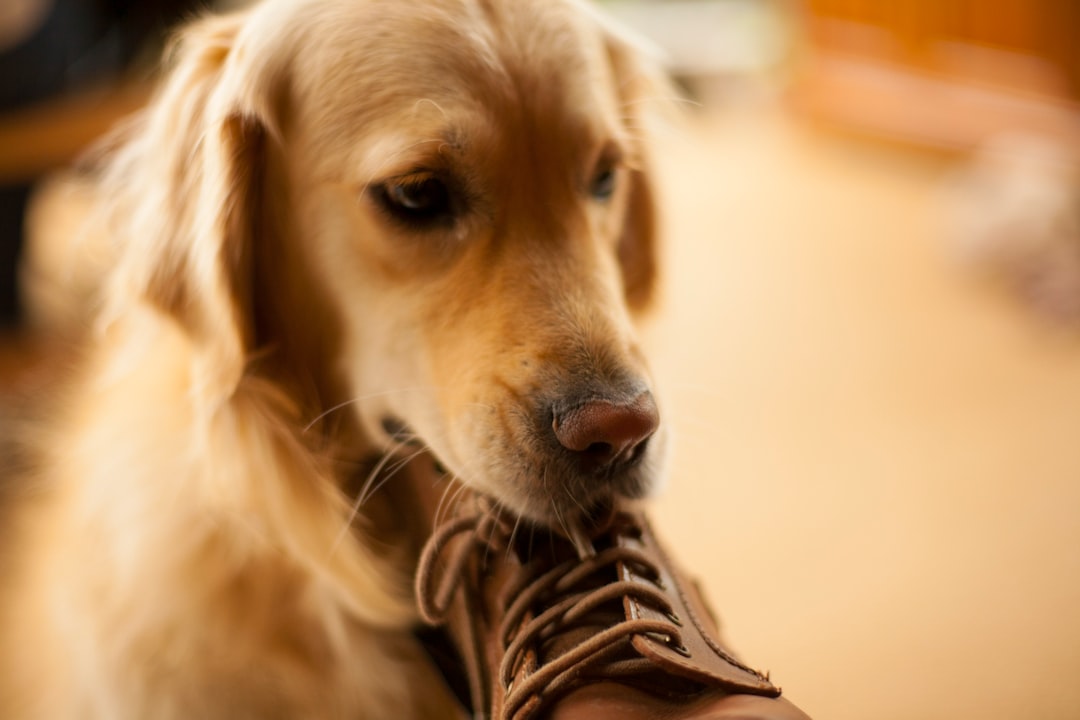
Some dogs are compulsive gift-givers.
They show up with a squeaky toy when you sit down. They bring you the same ball every evening. They proudly drop a sock, a slipper, or a random leaf onto your lap.
Part of this is simple: many dogs were bred to carry things in their mouths, and sharing that with you is a natural social behavior. Trainers and behavior writers often interpret this as a mix of “I want to play,” “I’m excited you’re here,” and “this object is important to me, so I’m sharing it.”
So when your dog waddles over with their most disgusting stuffed animal, that’s not just a toy delivery. It’s a love language.

