Affiliate disclosure: This post may contain affiliate links. Please see full disclosure.
September isn’t the end of your growing season, it’s a second planting window, and at least sixteen vegetables, from radishes you can be pulling in three weeks to garlic you won’t touch until next summer, can go in the ground right now. Some of these are direct-sown seeds racing the first frost. Others are transplants that actually prefer cooler weather to the baking heat of July. Two of them you plant now purely so you’re not starting from scratch next spring.
Your exact cutoff depends on your first frost date, so before you sow anything, check how many days you’ve got left and match it against the days-to-maturity for each crop below. If you’re right on the edge, row covers buy you real time. Here’s what I’m getting in the ground this month.
1. Radishes
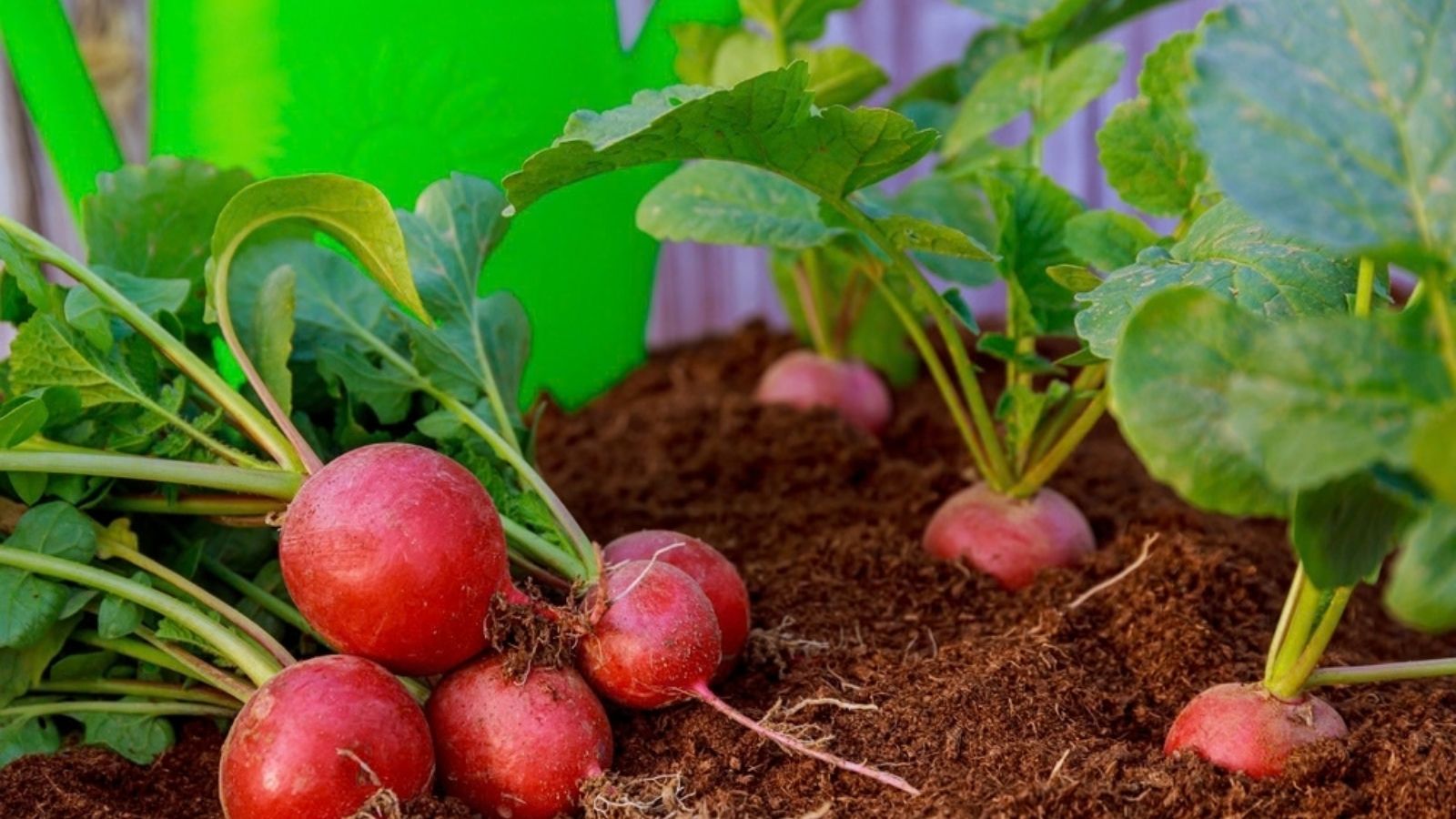
Radishes are the fastest vegetable you can put in the ground this month. Fast varieties like Cherry Belle and French Breakfast go from seed to harvest in 21 to 28 days, so even a late-September sowing has a real shot before a moderate frost. Direct sow the seed about half an inch deep, an inch apart, then thin to two inches once they sprout. Crowded radishes put their energy into leafy tops instead of the root, and you’ll end up with all foliage and no bulb.
They handle a light frost without any drama. I sow a new row every week through most of the month, partly because I go through that many radishes and partly because it’s the cheapest way to keep something productive in a bed that’s otherwise winding down for the year.
2. Spinach
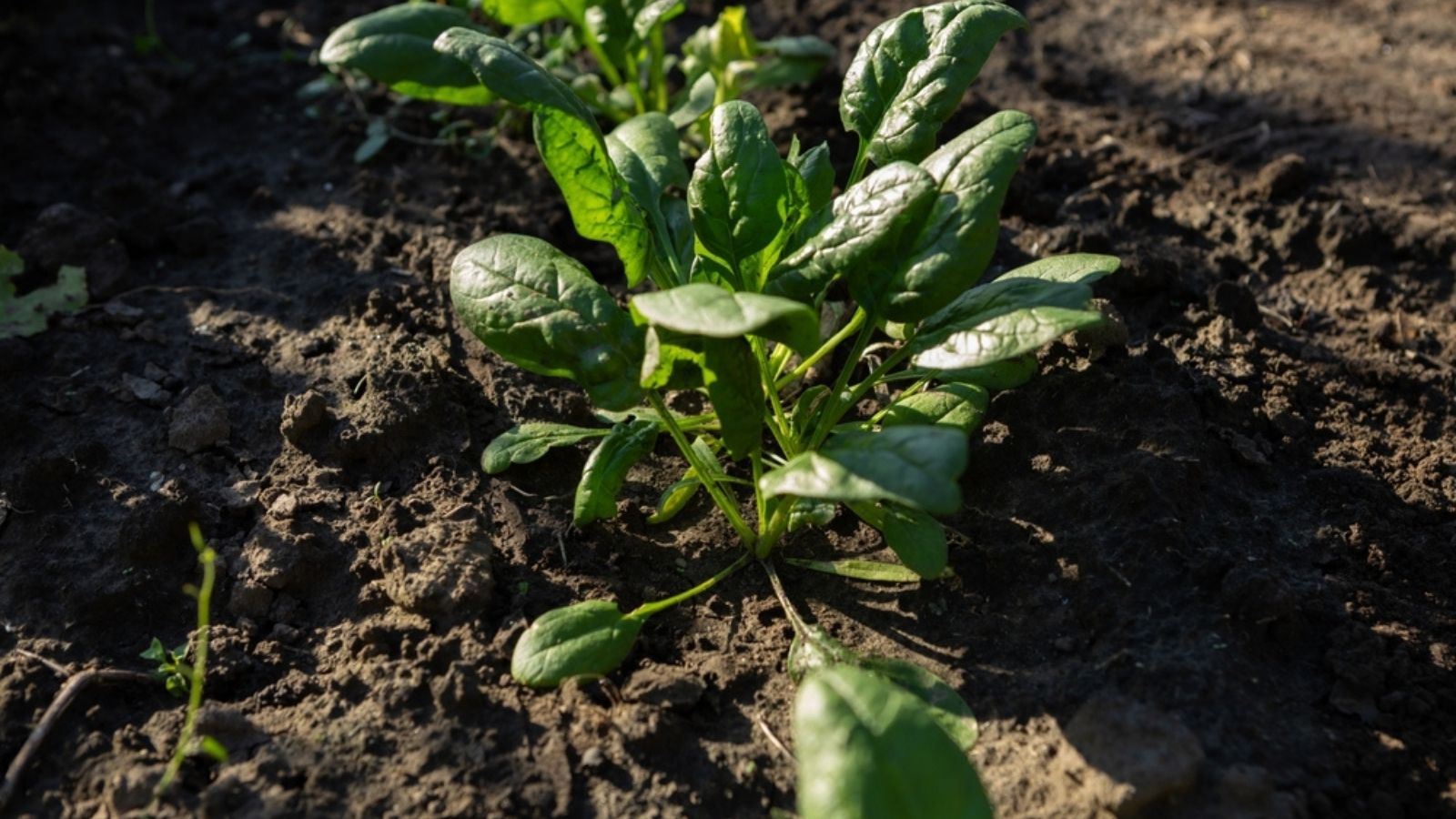
Fall-sown spinach skips the bolting problem that ruins so many spring crops, because it’s shortening days, not warming soil, that trigger it to flower. Bloomsdale and Giant Winter are reliable choices, ready for baby leaves in about 30 days and full-size leaves closer to 45. Established plants tolerate temperatures down into the high teens Fahrenheit (roughly -7°C) with no protection at all, and cooler weather sweetens the leaves rather than toughening them.
Direct sow rather than transplant. Spinach doesn’t take kindly to root disturbance, and seedlings started in cell trays tend to sulk for a week or two after going in the ground. I’ve still been pulling leaves from an uncovered patch of mine well after the first couple of frosts most years.
RELATED POST: Growing Spinach: The Ultimate Guide
3. Arugula
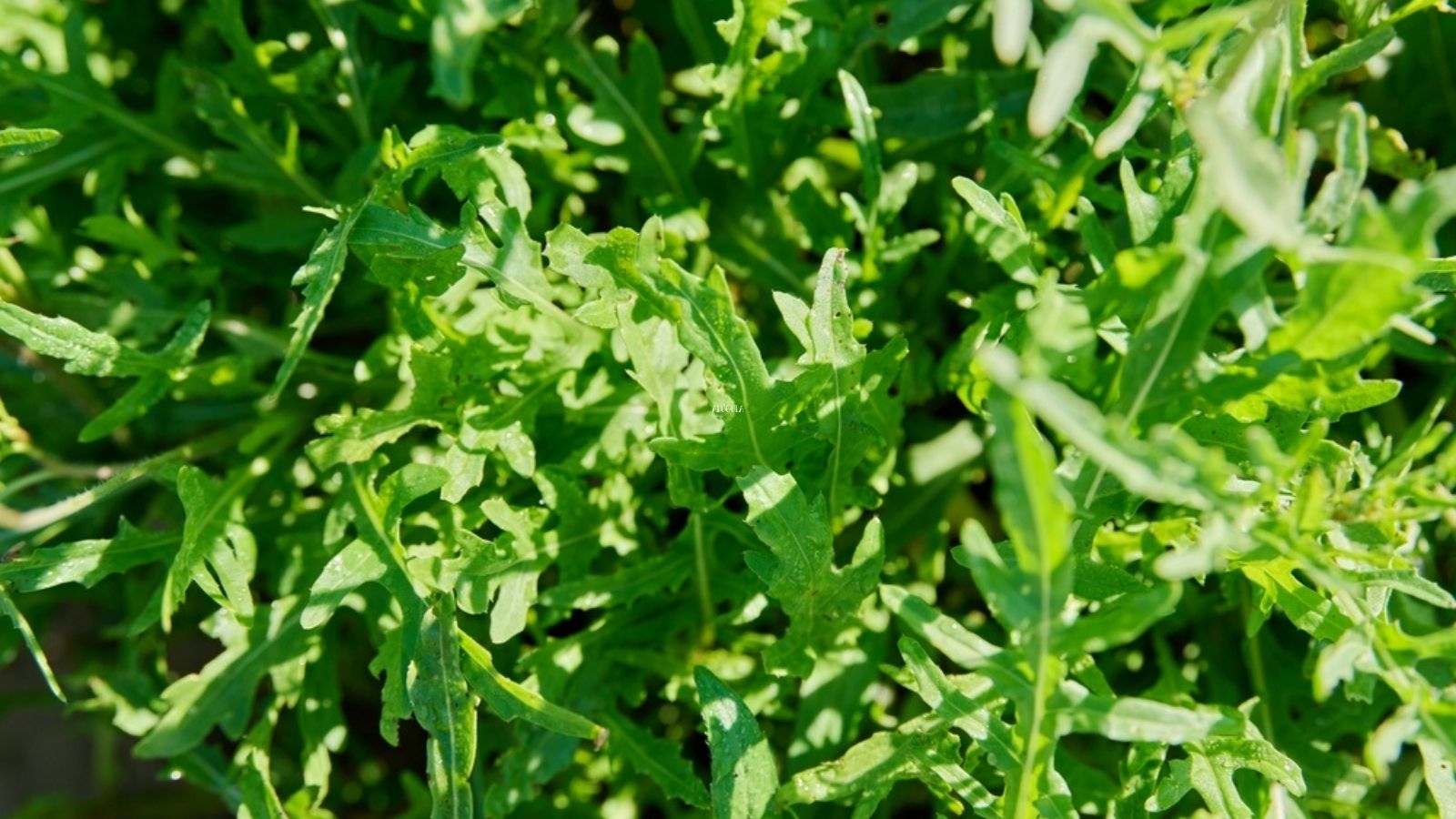
Arugula’s peppery bite mellows into something rounder and more pleasant once the nights turn cold, which is the opposite of what most people expect from a “spicy” green. It’s fast, ready in 30 to 40 days, and tolerates frost down to around 22°F (-6°C) once established. Direct sow thickly and thin as you go, using the thinnings in salads so nothing goes to waste.
It bolts fast in summer heat, which is exactly why September suits it so well. I treat it as a cut-and-come-again crop this time of year, taking outer leaves and letting the center keep growing rather than harvesting the whole plant at once.
4. Loose-leaf lettuce
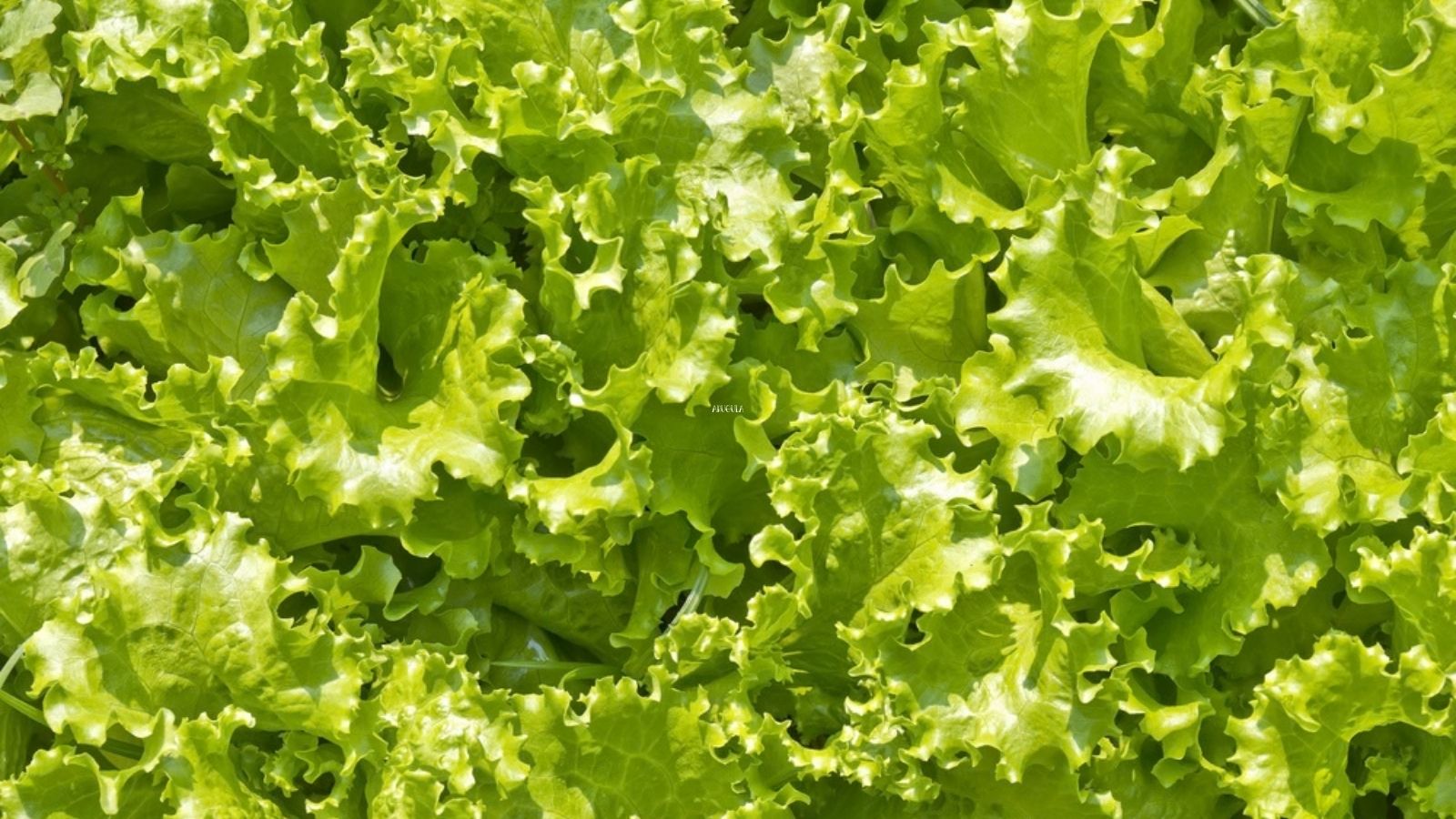
Loose-leaf lettuce is one of the quickest greens you can grow, with baby leaf ready for cutting in about three weeks and full heads closer to six. Varieties like Black-Seeded Simpson and Salad Bowl hold up fine to a light frost, but once nighttime temperatures drop into the high 20s Fahrenheit (around -2°C), you’ll want row cover or a cold frame to keep the leaves from turning to mush.
Unlike radishes or turnips, lettuce isn’t banking cold-hardiness as a selling point, so don’t push it as late into the season as the truly frost-tolerant crops on this list. I get one more full cutting out of mine most years with nothing more than a cheap fleece row cover thrown over the hoops on frosty nights.
5. Mustard greens
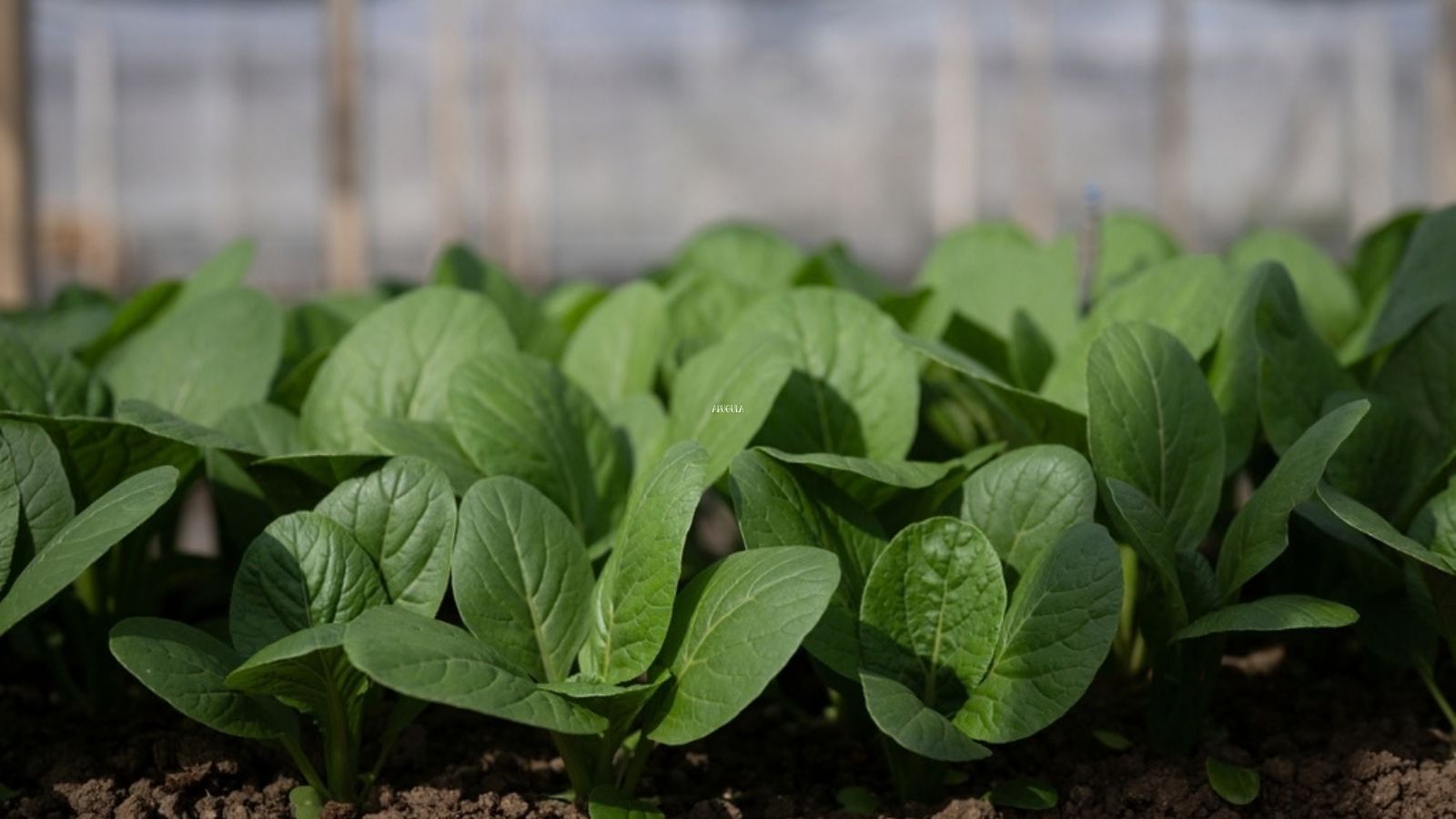
Mustard greens handle cold better than almost any other fast-growing green, tolerating temperatures down into the low 20s Fahrenheit (about -7°C) and turning milder and more tender as the weather cools. Southern Giant Curled and Red Giant are both ready in 30 to 40 days, and you can start harvesting individual leaves well before that if you just want them for salads. The flavor gets noticeably spicier in warm weather and calms right down once frost sets in, so a September crop tastes different from a summer one.
I grow mine mainly for stir-fries, and I cut the outer leaves repeatedly through fall rather than pulling the whole plant.
6. Pak choi
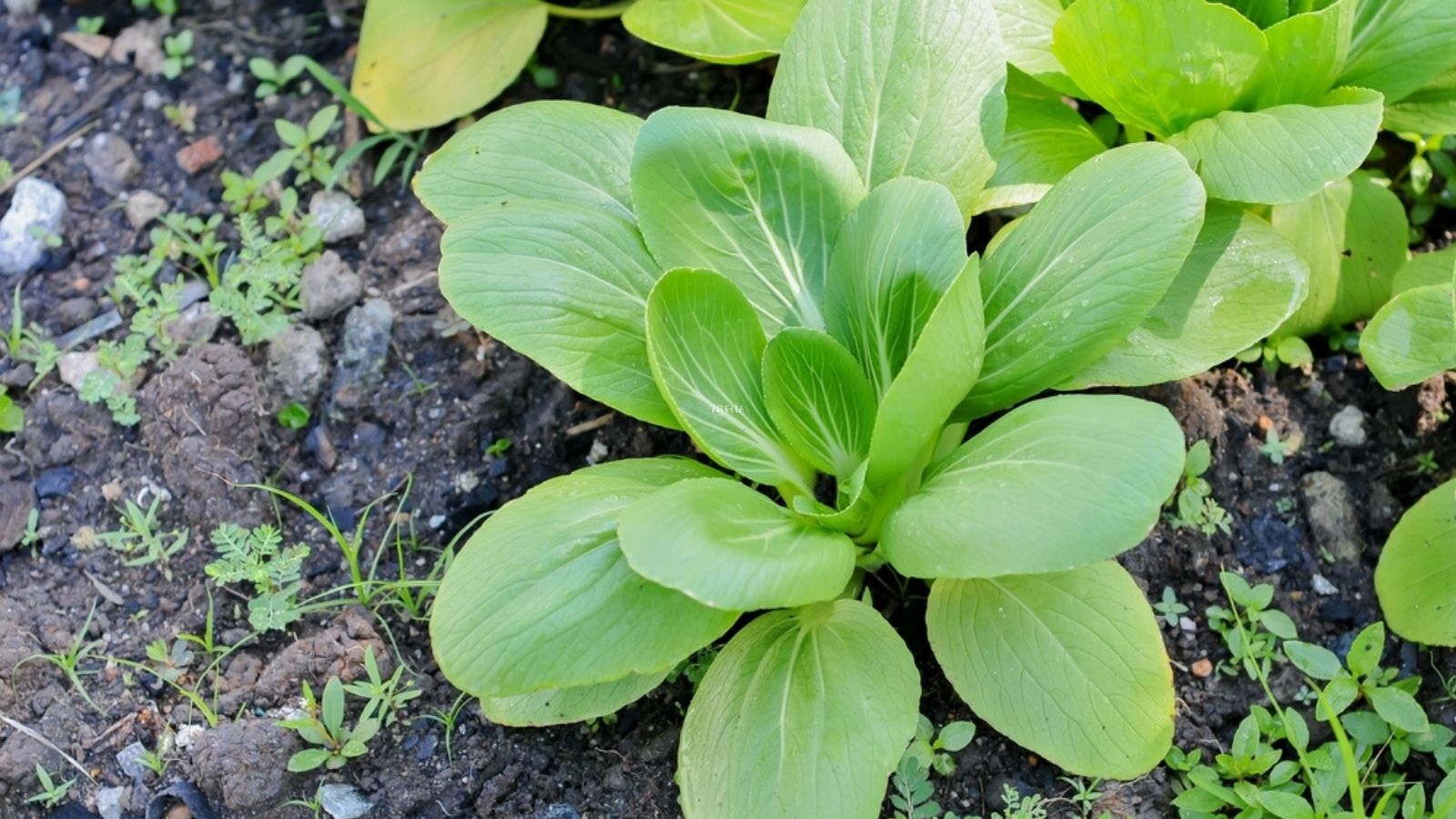
Pak choi planted in September is far less likely to bolt than a spring crop, because shortening days don’t send it the same “flower now” signal that lengthening spring days do. Baby pak choi is ready in about 30 days, full-size heads in 45 to 60. It’s not especially frost-hardy on its own, tolerating only light frost before the leaves start to look rough, so plan for it to be one of your first harvests rather than one you push into winter.
I grow it specifically because spring pak choi has bolted on me more times than I can count, and fall sowing has never once done that.
7. Turnips
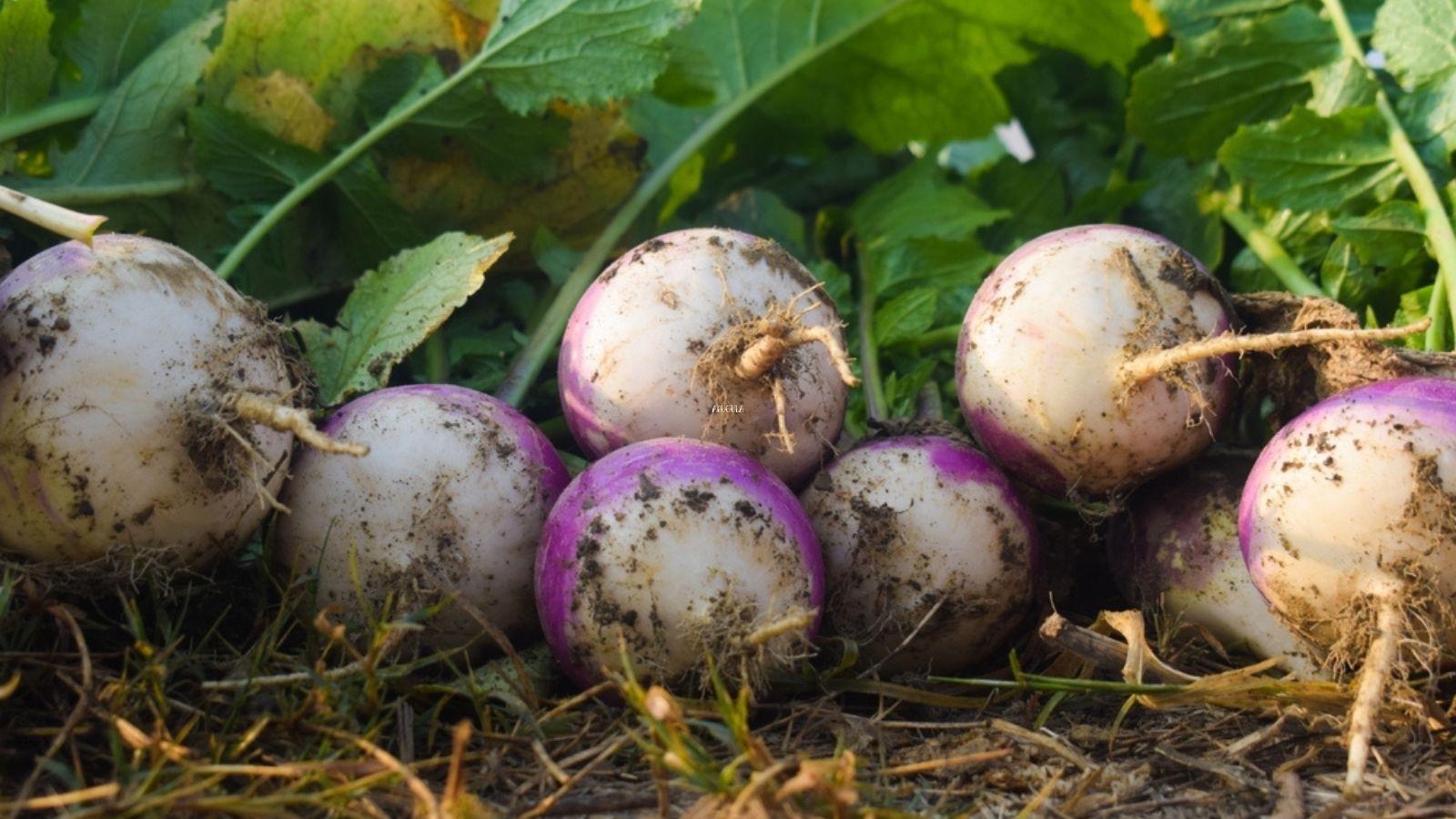
Turnips give you both a root and a green from a single sowing, which makes them one of the most efficient crops on this list. Fast salad varieties like Hakurei mature in as little as 35 to 38 days, while the greens are ready to start cutting in around three weeks and regrow after cutting. Roots tolerate frost down into the upper 20s Fahrenheit (about -3°C) and, like most root vegetables here, improve in flavor once the cold sets in.
Direct sow and thin early. I harvest the thinnings as baby greens for salads, then let the remaining roots size up through the rest of the fall.
8. Beets
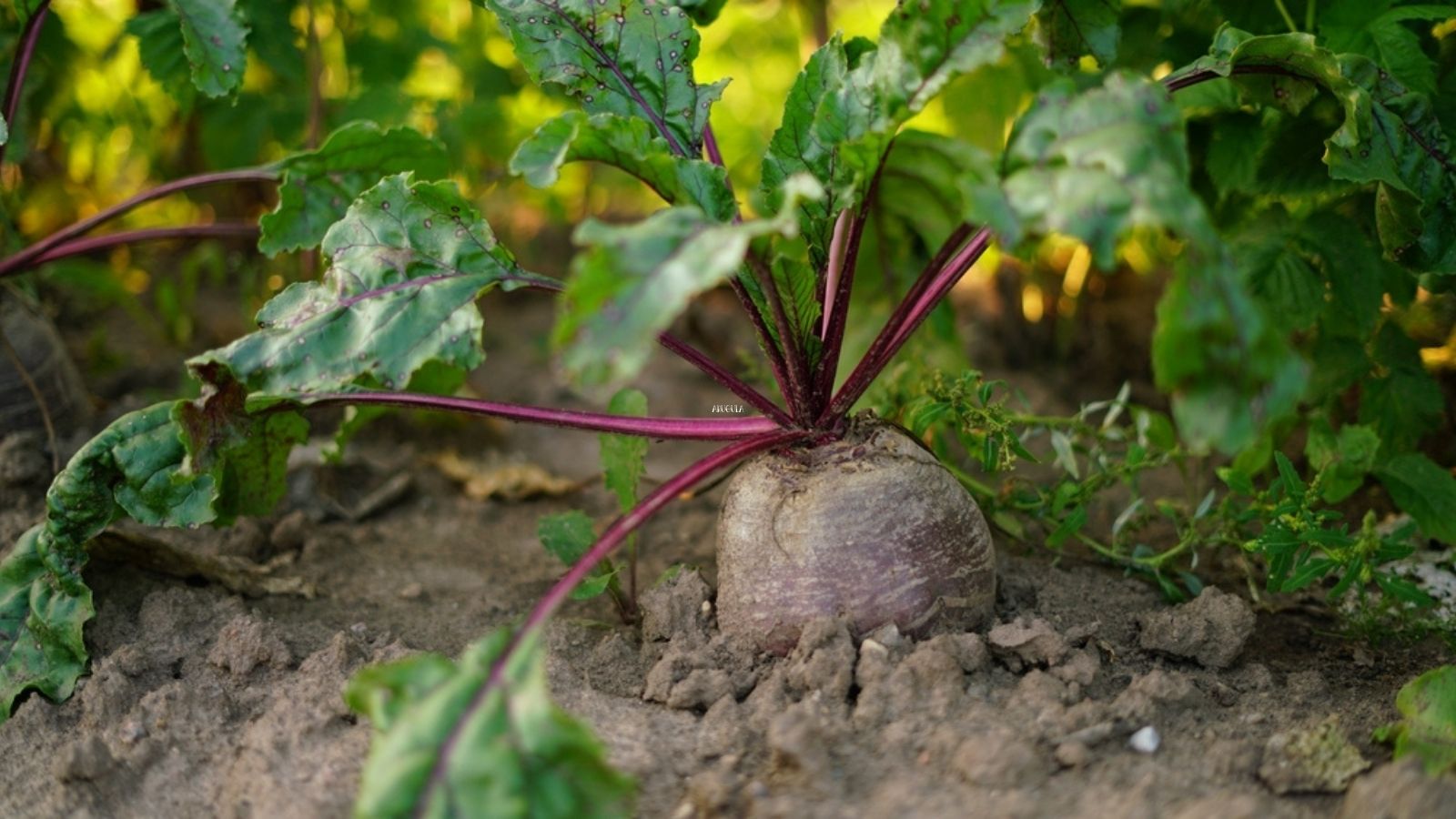
Beets tolerate a light frost with no trouble and get noticeably sweeter once night temperatures drop, since the cold converts starches to sugars the same way it does in carrots and parsnips. Detroit Dark Red and Chioggia both mature in 50 to 60 days for full-size roots, though you can pull them earlier as baby beets if your window is tight. Beet greens are edible too and ready well before the roots, so a September planting gives you something to harvest almost immediately.
I mulch mine once the first hard frost is forecast, which lets me keep pulling roots from the ground for weeks after everything else nearby has finished.
9. Peas
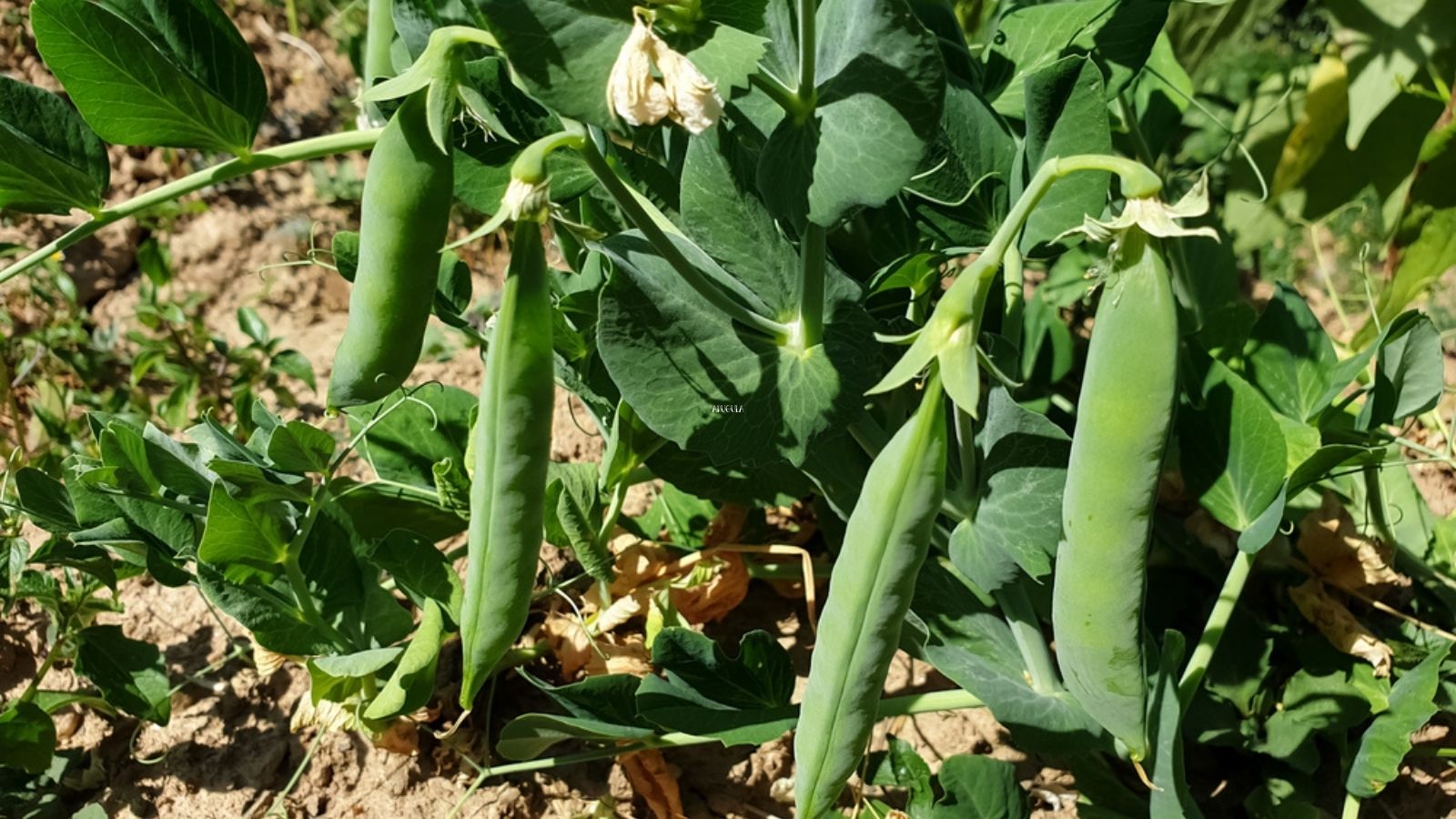
Fast, cool-season pea varieties like Sugar Ann or Green Arrow can still give you a genuine fall harvest if you get seed in the ground in the first half of September, with pods ready in 55 to 65 days. Peas actually set pods better in cool weather than in the heat of a late-summer planting, so a well-timed fall crop often outperforms a poorly timed one. Established plants handle a light frost fine, though a hard freeze will finish them off, so this is one where your frost date genuinely sets the deadline.
If you’re on the fence about whether you have time, count backward from your first frost rather than forward from today. I’ve been caught out more than once assuming I had more September left than I actually did.
10. Carrots
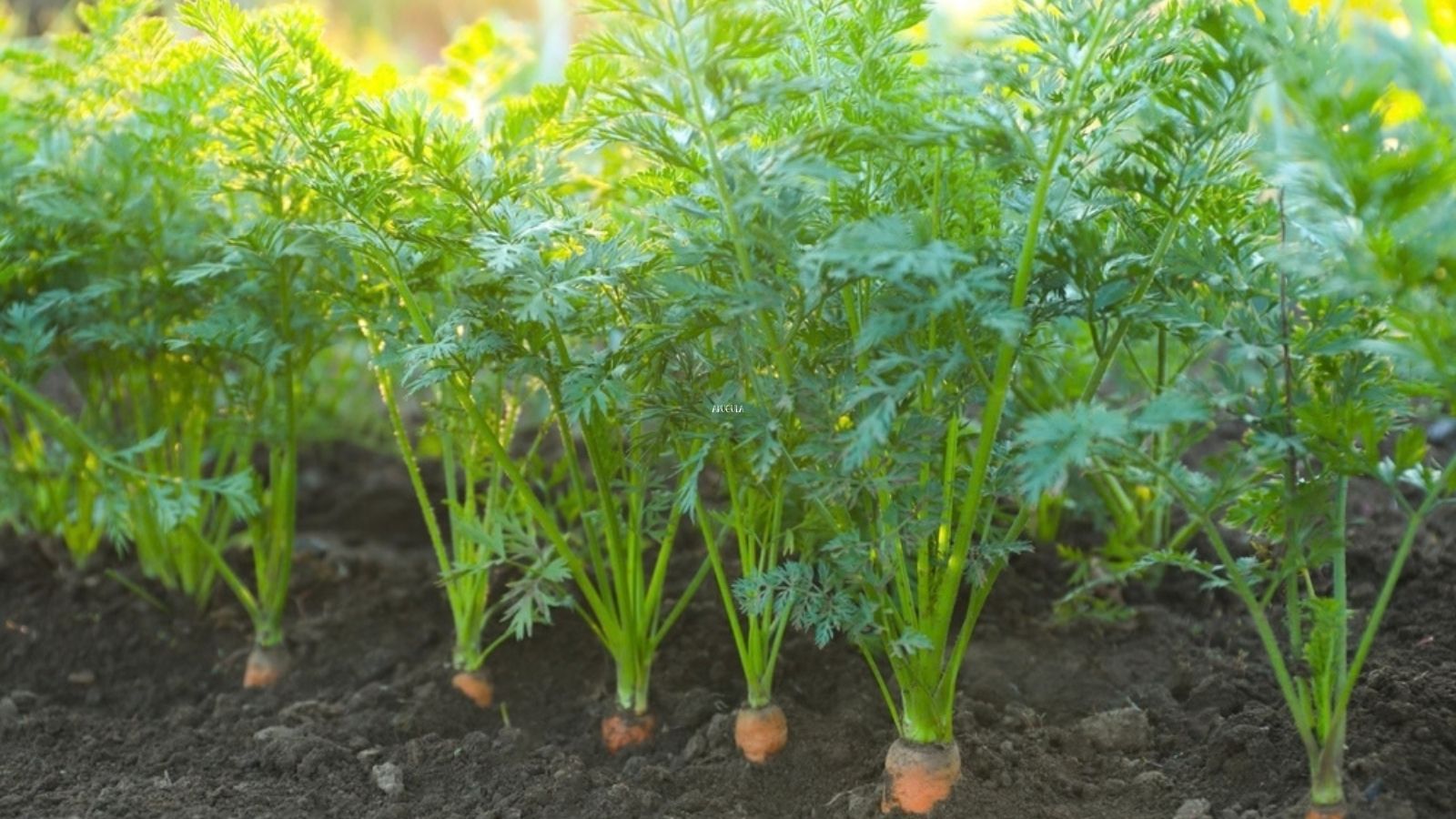
Carrots sown in early-to-mid September and left in the ground through the first frosts come out noticeably sweeter than a summer-grown crop, because cold weather converts the roots’ starches into sugar. Napoli is bred specifically for this kind of late sowing and matures in around 60 days, while the ground itself can act as cold storage, letting you pull carrots well into winter if you mulch heavily once hard frosts arrive. Direct sow only, carrots don’t transplant well and will fork or stunt if you try.
I leave a row unharvested every year under a thick layer of straw and just dig what I need through the coldest months. It’s the closest thing to a free root cellar I’ve got.
11. Kale
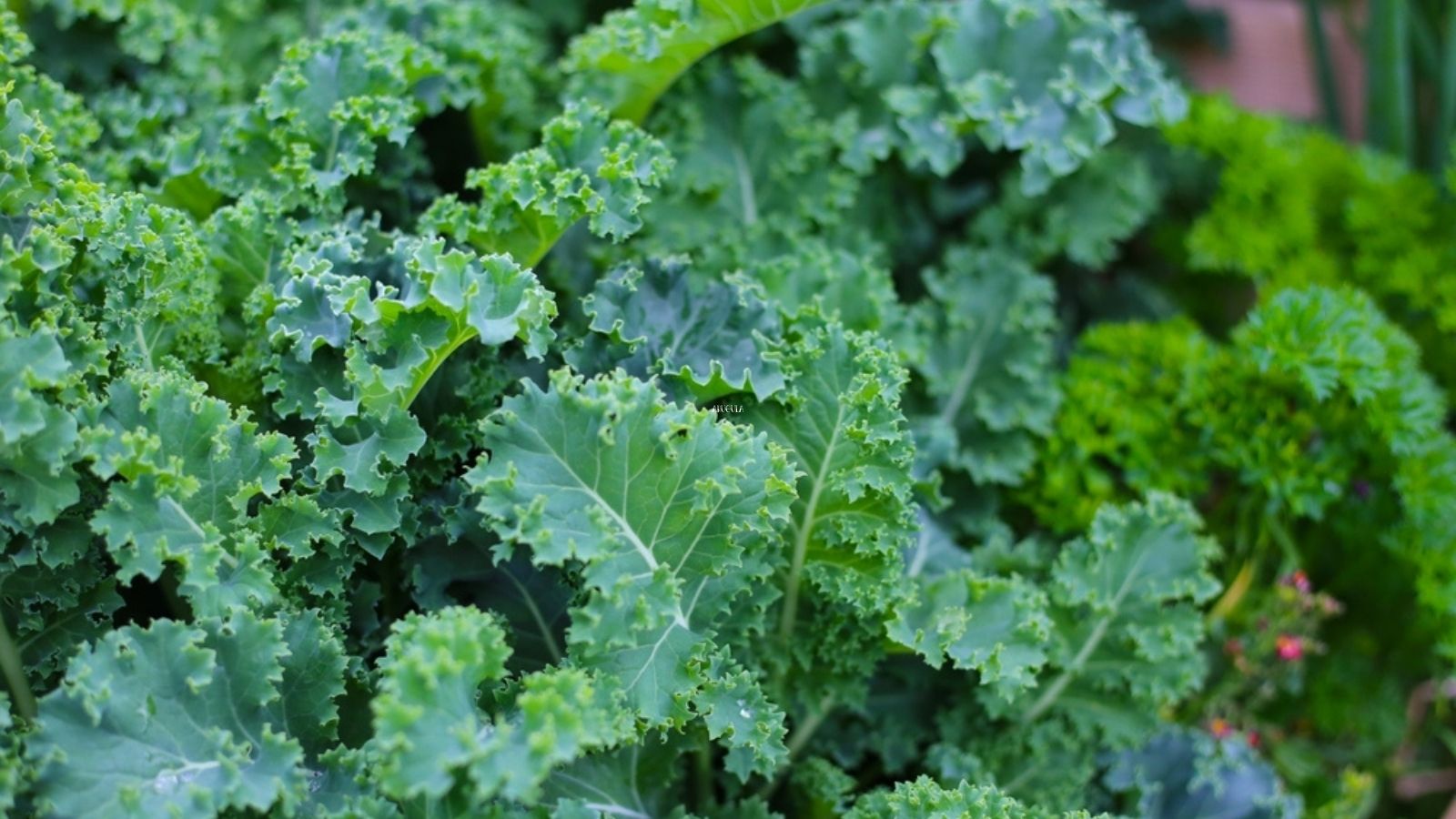
Kale is best put in as a transplant this time of year rather than direct-sown, since you want established plants before the real cold hits. Winterbor and Red Russian both tolerate temperatures into the mid-teens Fahrenheit (about -9°C) and, like the other brassicas on this list, taste better after a hard frost than before one. With mulch and a bit of luck, kale can overwinter in a lot of temperate zones and keep producing leaves right into spring.
I harvest from the bottom up, taking only the outer leaves so the center keeps growing, and I’ve had the same plants still going strong the following March.
12. Collard greens
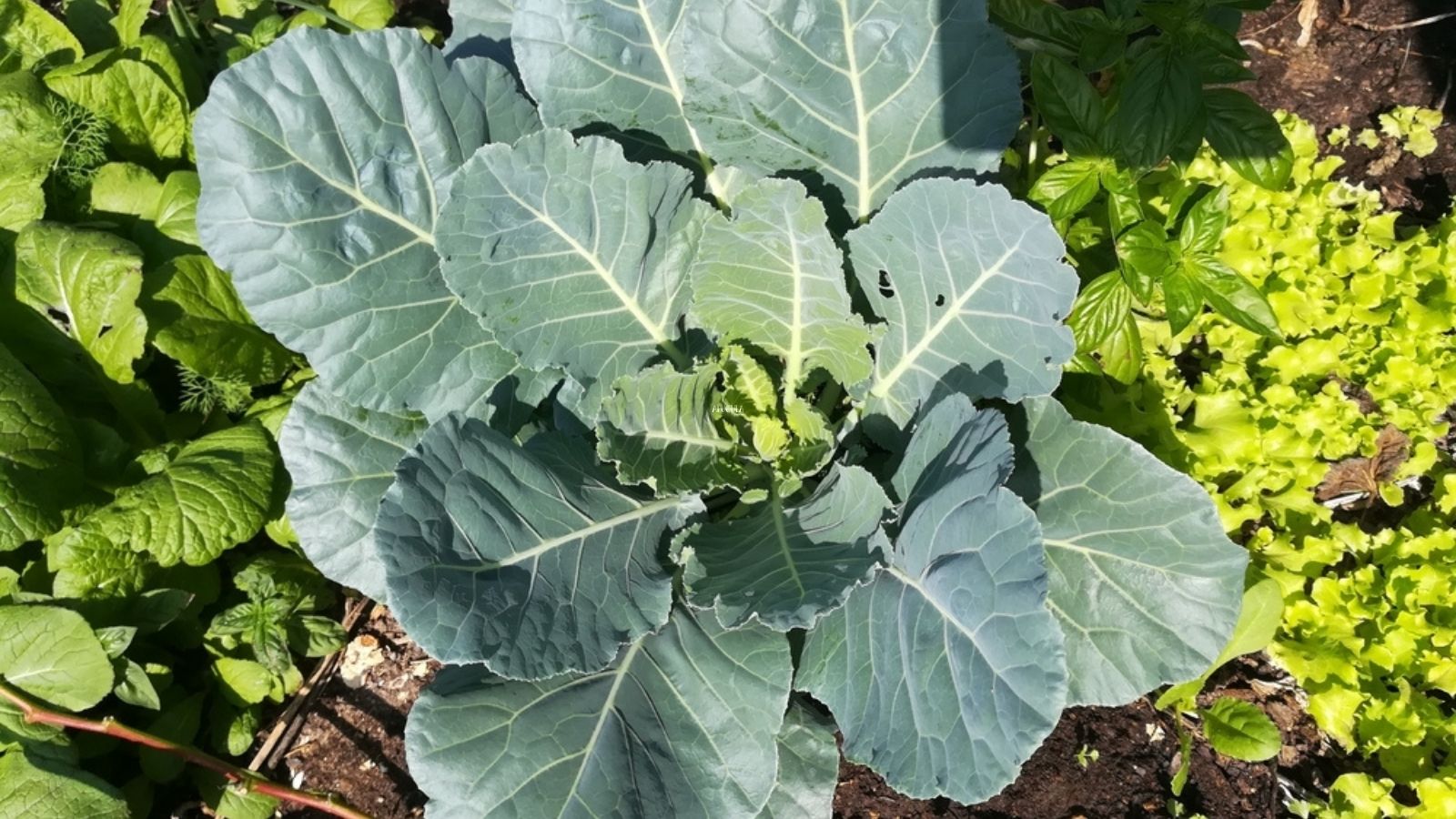
Collard greens tolerate a hard frost about as well as any brassica on this list, and like kale, they get sweeter once the cold arrives. Georgia Southern and Vates are the varieties I’d recommend, both suited to transplanting now for a fall and early winter harvest. They’re slightly more heat-tolerant going in than kale, which makes them a good pick if you’re planting in a warmer climate where the first frost is still a few weeks off.
I harvest the same way I do kale, from the bottom up, and the leaves hold their texture well even after several frosts.
13. Swiss chard
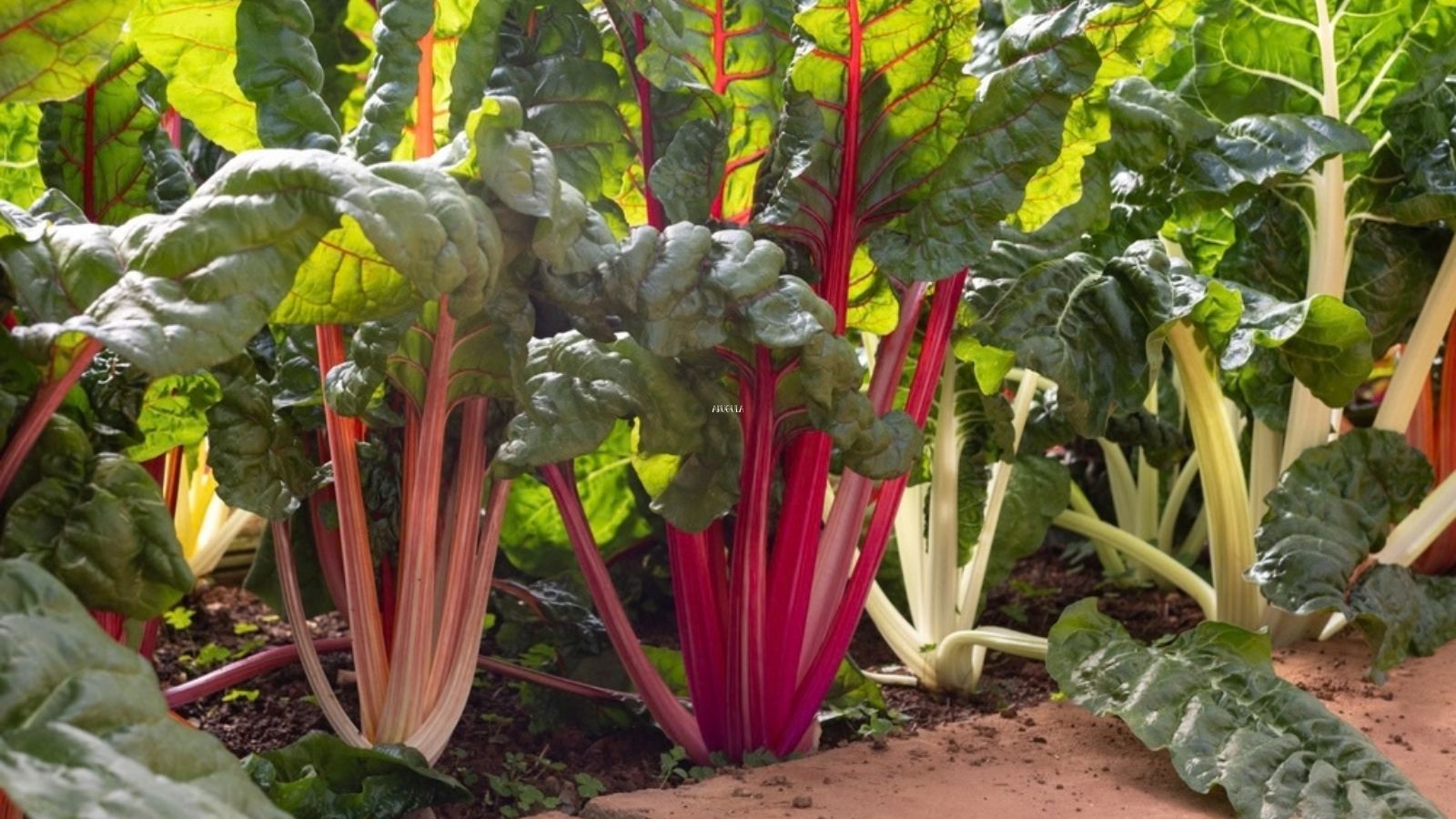
Swiss chard isn’t as frost-hardy as kale on its own, but with row cover or a cold frame it will keep producing new leaves longer into the cold season than almost anything else on this list. Bright Lights and Fordhook Giant are both good choices for a September transplant, and you can start harvesting outer leaves within a few weeks of setting plants out. Left uncovered, chard slows down once regular frosts arrive but doesn’t necessarily stop, and it bounces back fast once spring warms things up again.
I keep a cold frame over mine specifically because it’s the crop that rewards that little bit of extra effort the most, giving me fresh greens well past the point everything else nearby has finished.
14. Scallions
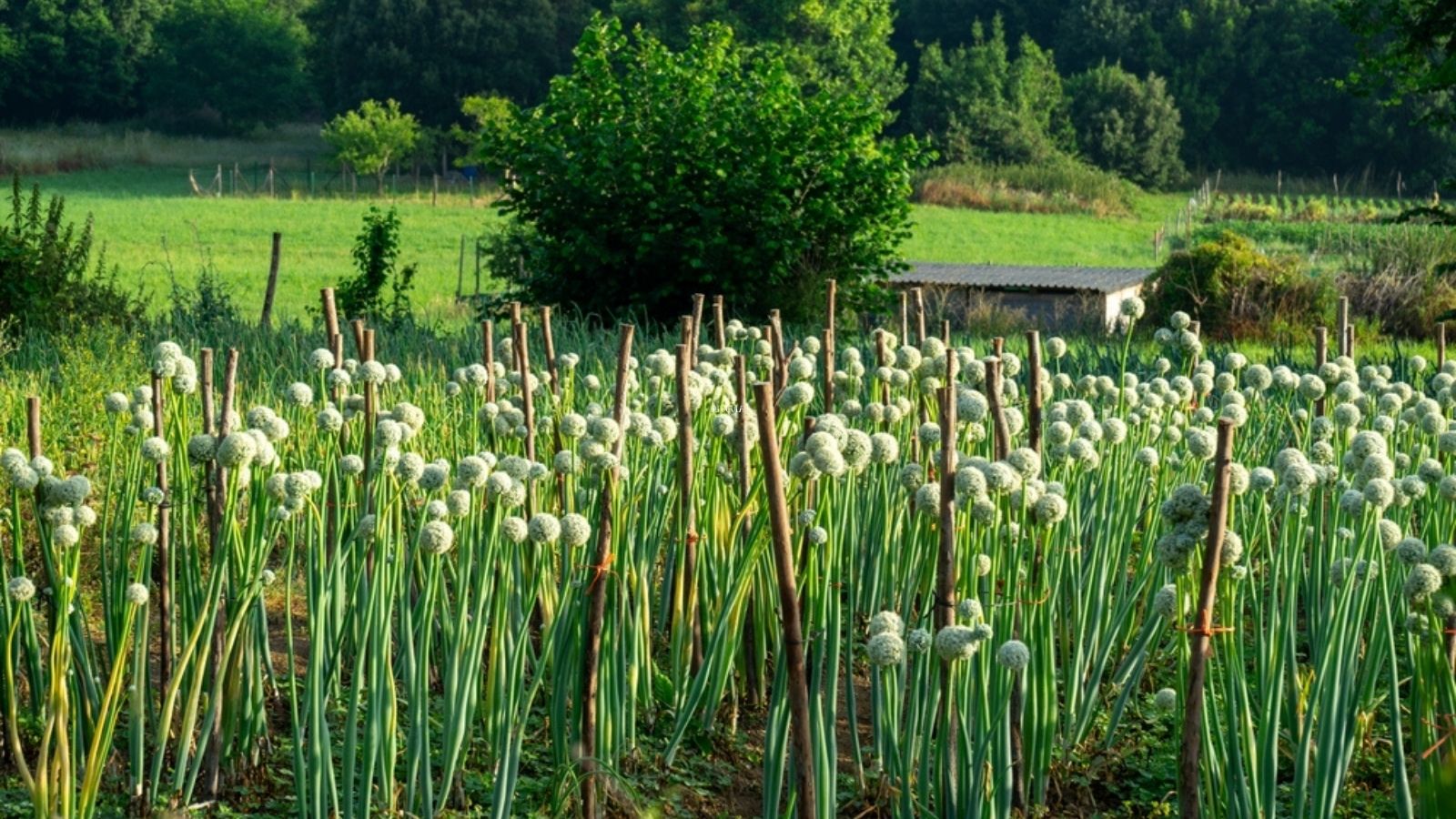
Scallions, or bunching onions, don’t need to form a bulb the way storage onions do, which means they’re not fussy about daylength and forgiving about exactly when you get them in. Evergreen Hardy White is ready for harvest in as little as 60 to 70 days and is also hardy enough to overwinter in a lot of zones for an extra-early spring crop. Direct sow thickly and harvest by thinning, pulling whichever plants have reached usable size and letting the rest keep growing.
15. Garlic
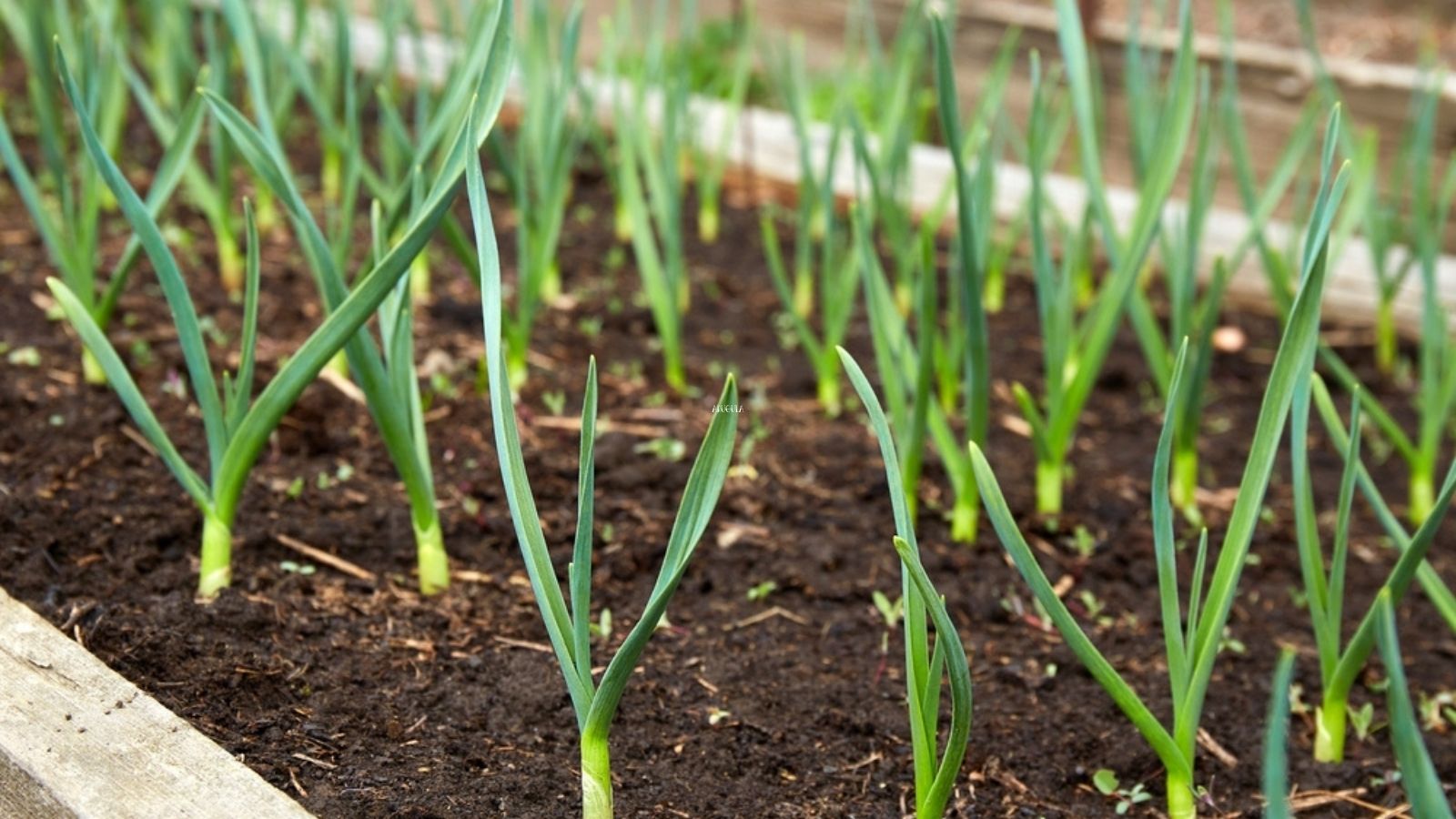
Garlic is the one crop on this list where you’re not planting for this year at all. You’re planting for next July. Push individual cloves pointy end up, about two inches deep, four to six weeks before your ground typically freezes hard, because garlic needs a solid stretch of cold weather below about 40°F (4°C) to actually form proper bulbs rather than staying single-clove. Softneck varieties suit milder winters, hardneck varieties like Music or German White handle real cold better and also give you edible scapes the following spring.
RELATED POST: How to Use Garlic as a Home Remedy
16. Fava beans
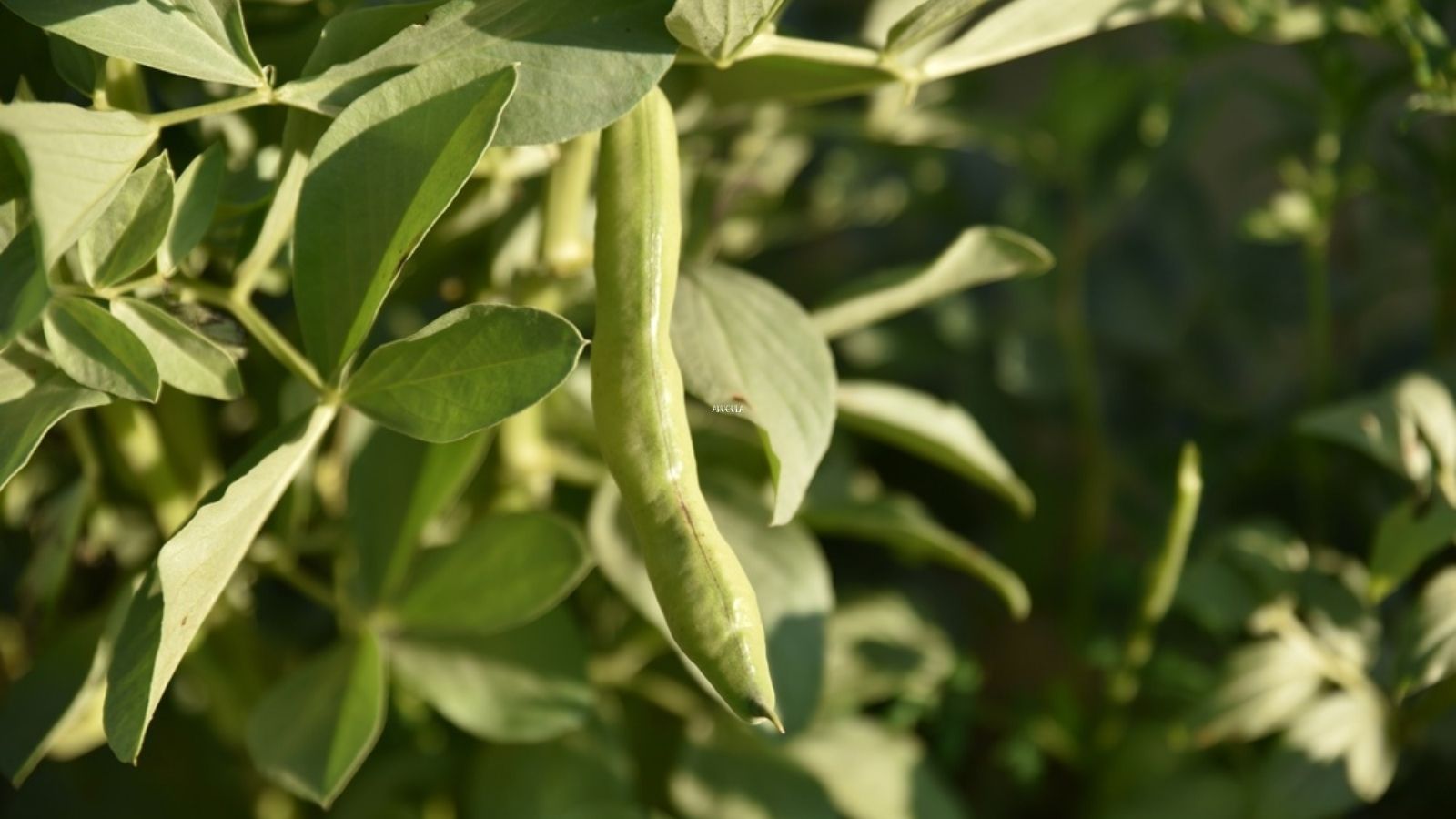
Overwintering fava bean varieties like Aquadulce Claudia, sown now in mild-winter areas, give you a harvest weeks earlier next year than a spring-sown crop ever could. They fix nitrogen in the soil as they grow, which makes them one of the few crops on this list that actively improves the bed it’s planted in. Young plants handle temperatures down into the low 20s Fahrenheit (about -7°C) once established, though a hard, prolonged freeze calls for row cover, and this option only really works if your ground doesn’t freeze solid for the whole winter.